
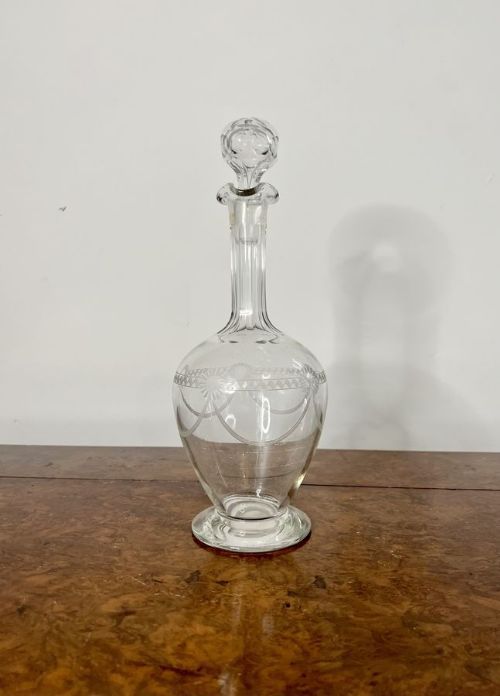
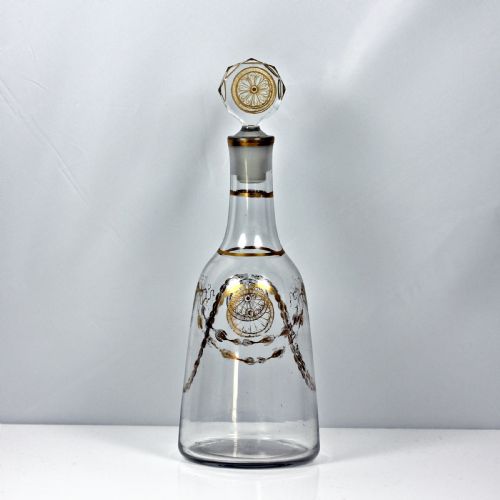


Spirit Decanters with Stoppers
Spirit decanters with stoppers are glass vessels designed to hold spirits, combining practicality and decorative presence on the dining table or sideboard.
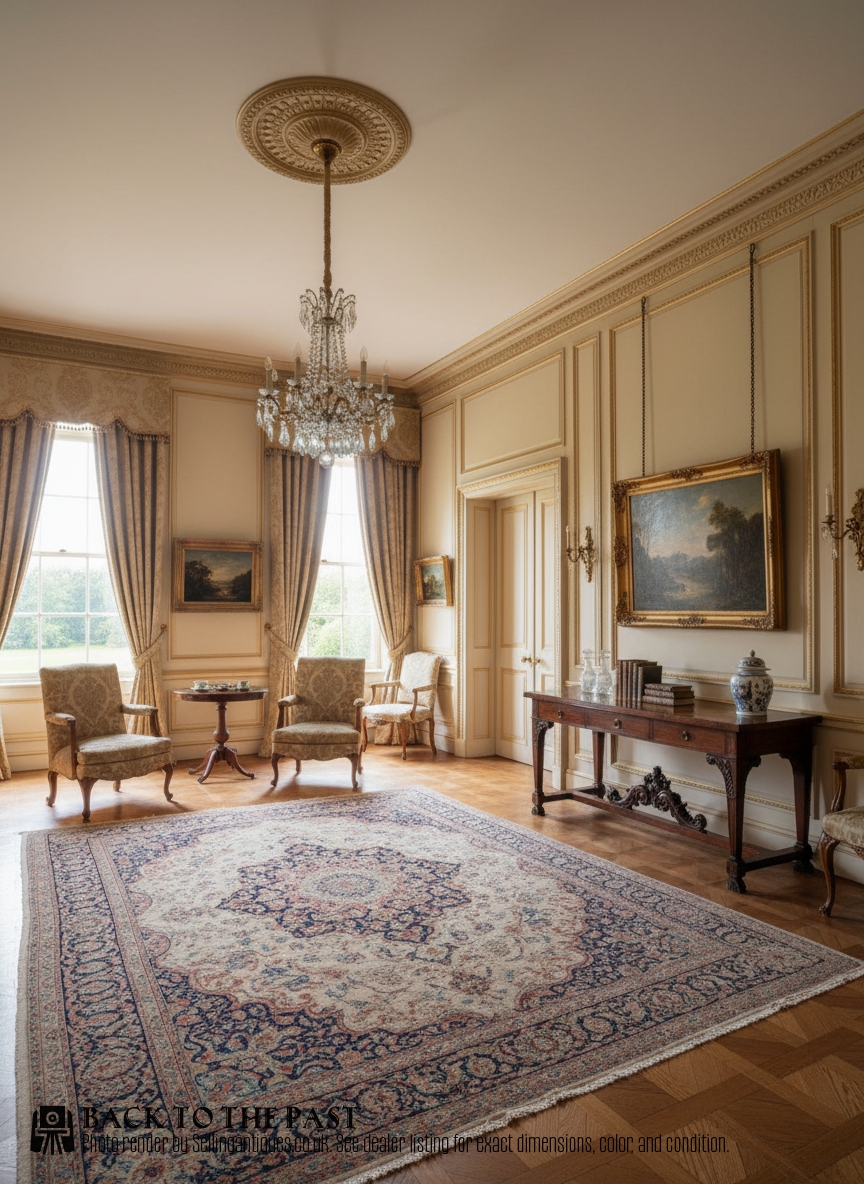
Spirit Decanters with Stoppers
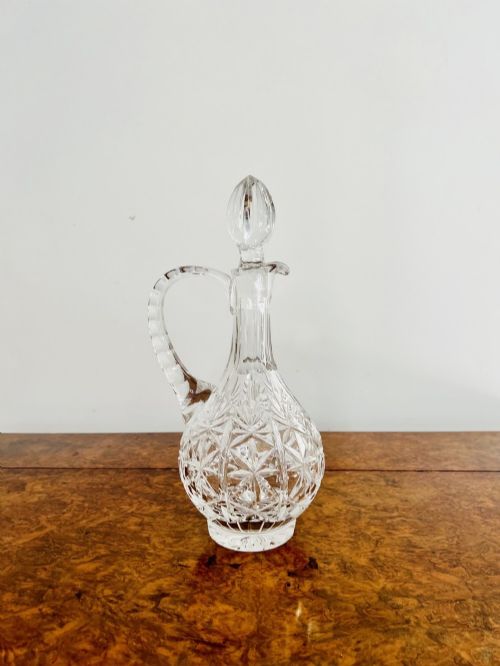
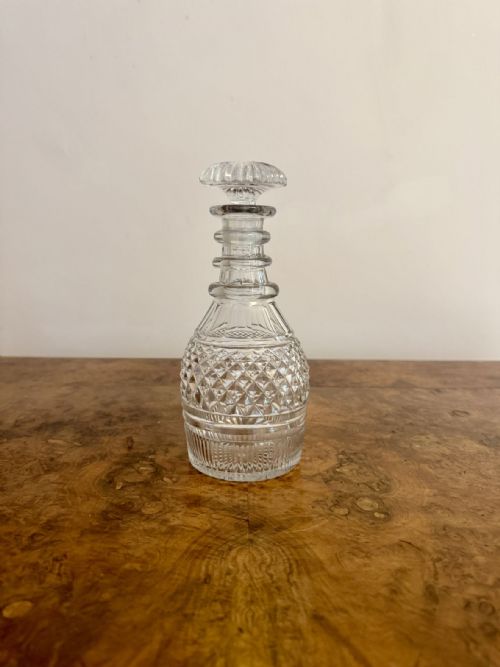
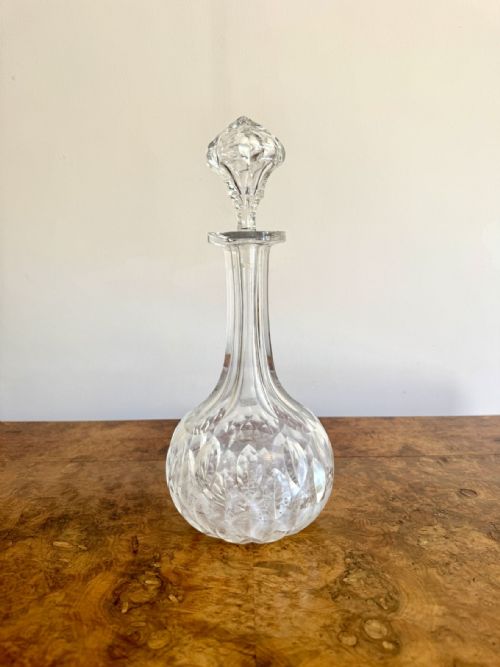
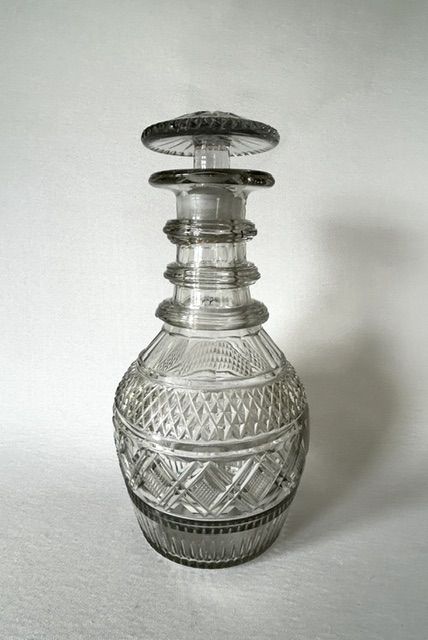
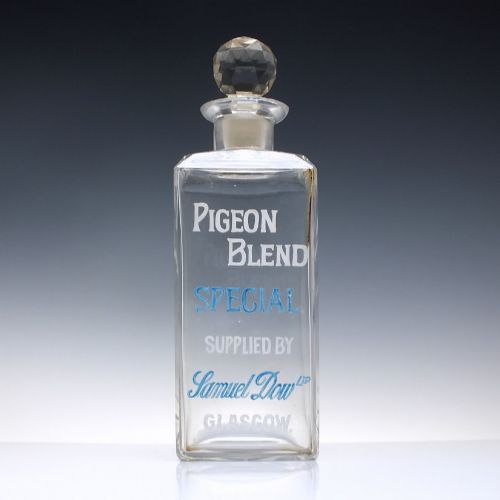
Spirit decanters with stoppers comprise functional vessels fashioned for holding and serving spirits, appearing across periods from Georgian and Victorian times to the Edwardian era and the 1930s. Buyers searching for spirit decanters with stoppers encounter a range of forms, from single shoulder decanters and three-ring wine decanters to matched decanter sets complete with glasses.
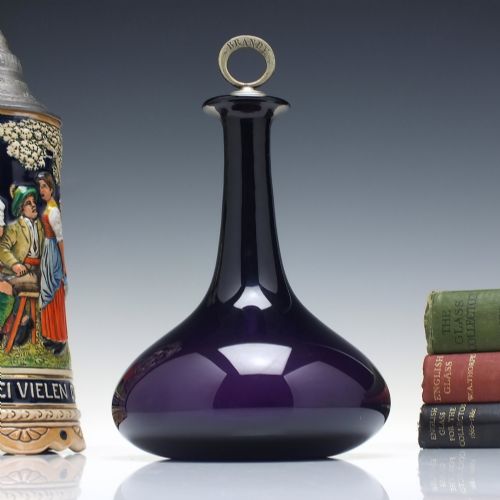
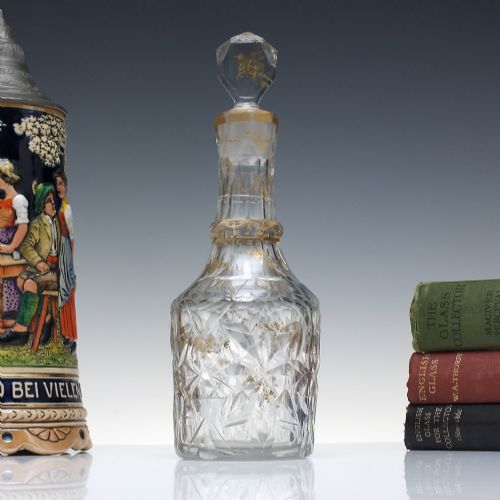
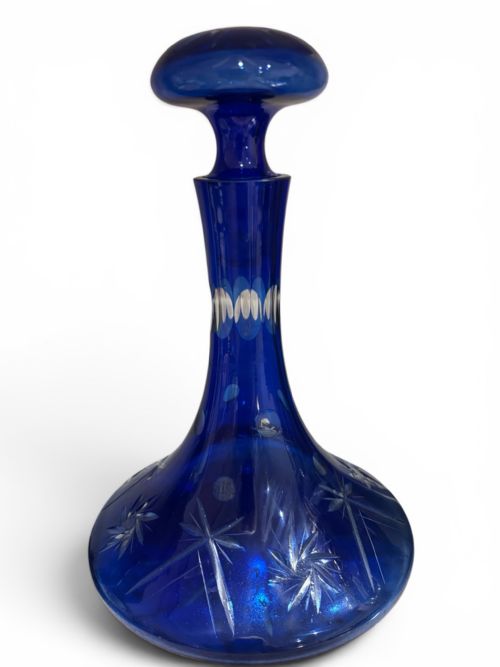
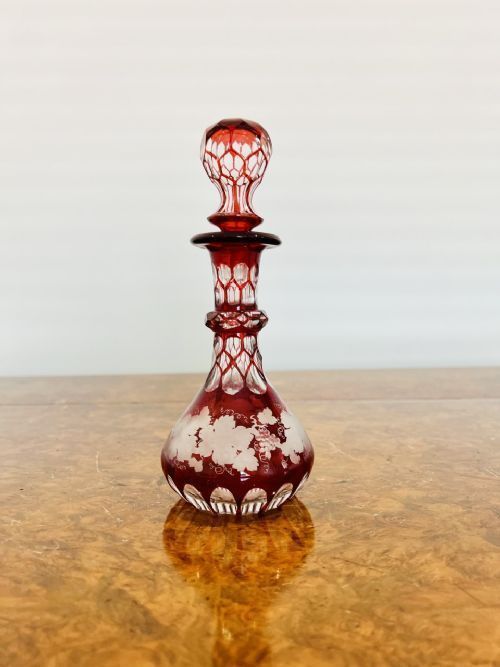
The pieces on offer span English and Bohemian origins, featuring amethyst glass, white opaline glass, green glass, and clear lead glass. Styles extend from 18th century Bohemian and George III designs to Late Victorian pieces, Highland Revival thistle novelties, and geometric Art Deco creations.
The accompanying stoppers form an integral part of each piece, ranging from heart-shaped stoppers on Georgian examples to matched stoppers on Edwardian cut glass decanters and 1930s sets.
How they were made
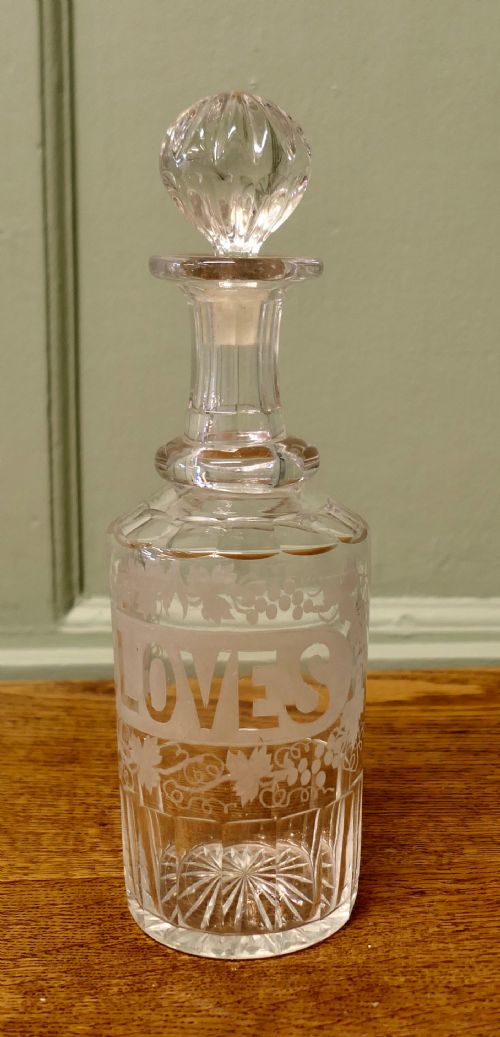
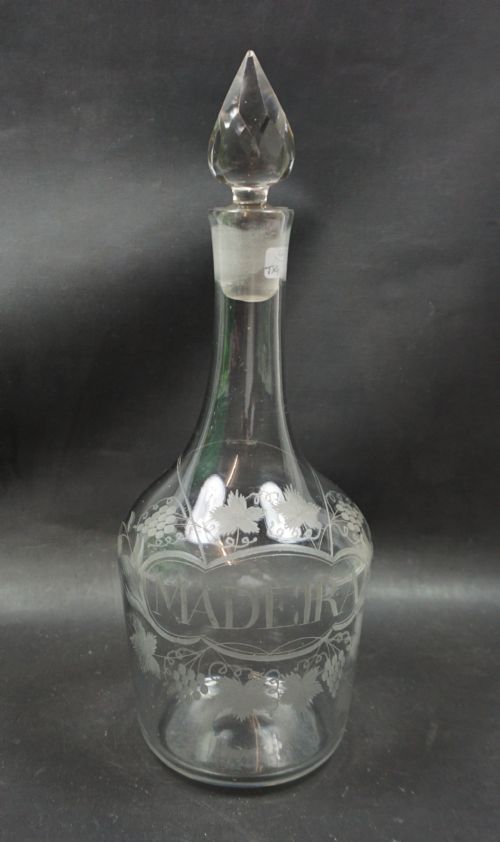
Makers utilised glass as the primary medium, working with clear lead glass, cut glass, and coloured glass varieties such as amethyst, green, and white opaline. Techniques involved heavy cutting to create faceted surfaces that catch the light, alongside delicate engraving for labels such as Madeira.
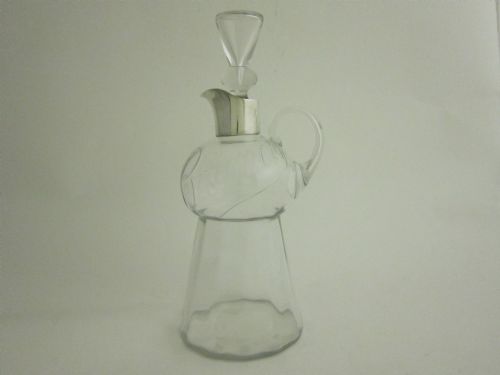
Metal mounts and details appear frequently, incorporating silver and silver plate to form collars, mounts, and novelty elements like the Scottish thistle form. Enamel detail provides surface decoration on Bohemian pieces, while specialised blowing techniques shape the shoulders, rings, and bodies of the vessels.
Listings feature periods spanning from 1750 through the Victorian and Edwardian eras to 1930, utilising glass, silver, and enamel.
What varies in quality
Quality rests in the crispness of the glass cutting, the clarity of the metal, and the harmony between the vessel and its original stopper. Superior examples display deep, sharp facets on heavy lead glass and precise engraving that remains legible and well-proportioned.
The integration of precious materials elevates a piece, such as hallmarked silver mounts from cities like Glasgow combined with coloured or cut glass. Complete sets retaining six matching glasses or original silver-plated mountings demonstrate a higher degree of preservation and original intent.
The Spirit Decanters with Stoppers Glossary
- Stopper
- The ground-glass or fitted plug that seals the neck of the decanter to preserve the spirit within. Original stoppers fit the specific neck they were ground to match.
- Cut glass
- Glass decorated by cutting facets or patterns into the surface using a rotating wheel. This technique creates reflective surfaces and substantial weight.
- Shoulder decanter
- A decanter style characterised by a distinct flat shoulder tapering down to a cylindrical or slightly rounded base. This form dates particularly to the eighteenth century.
- Silver mount
- A collar, rim, or pouring lip fashioned from silver and fitted to the neck of a glass decanter. These mounts often carry hallmarks indicating the year and place of assay.
- Opaline glass
- An opaque or translucent glass, often white, developed in the eighteenth and nineteenth centuries. It provides a smooth canvas for enamel decoration.
- Three-ring decanter
- A decanter featuring three prominent horizontal glass rings encircling the neck. These rings originally provided a secure grip for pouring.
Spirit Decanters with Stoppers: Frequently Asked Questions
Are stoppers usually original?
Stoppers were individually ground to fit each decanter during production. Matching the exact fit and glass colour determines whether a stopper belongs to the vessel.
Examining the wear marks inside the neck and on the base of the stopper helps confirm if they have remained together since the period of manufacture.
How do I clean old decanters?
Cleaning historic glass requires careful handling to avoid thermal shock or scratching the interior surfaces. Warm water and mild solutions are generally preferred over harsh abrasives.
Stubborn residue inside narrow necks responds best to specialist bottle brushes rather than chemical cleaners that might affect the glass or metal mounts.
Can I use them for serving spirits?
Glass decanters serve beverages effectively provided the interior is clean and free of haze. Lead glass and thick-walled vessels safely hold spirits for regular use.
Checking the condition of the base and the snugness of the stopper ensures safe pouring during dining or social gatherings.
What defines an Art Deco set?
Art Deco decanter sets feature geometric lines, stylised forms, and matching glasses typical of the 1930s aesthetic. They often eschew heavy Victorian ornamentation in favour of sleek profiles.
Such sets were manufactured to be displayed together on trays or sideboards as cohesive entertaining units.
How are periods told apart?
Periods reveal themselves through a combination of manufacturing techniques, glass colours, and design silhouettes. Georgian pieces often display distinct shoulder forms and hand-engraving, while Victorian and Edwardian examples lean towards heavy cut glass and silver mounts.
Later 1930s items introduce streamlined geometric shapes characteristic of the Art Deco movement.