


Spindle Back Carver
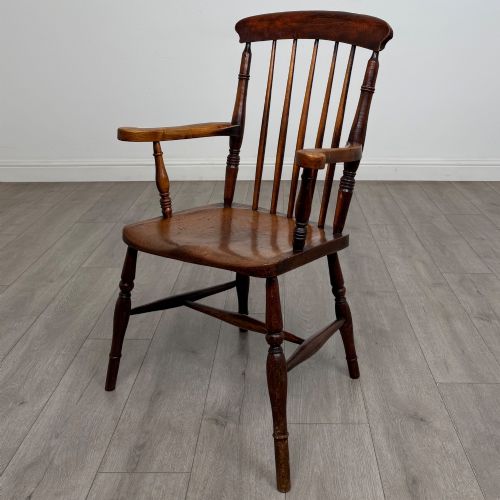
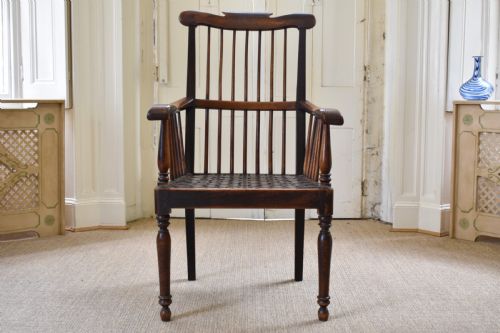
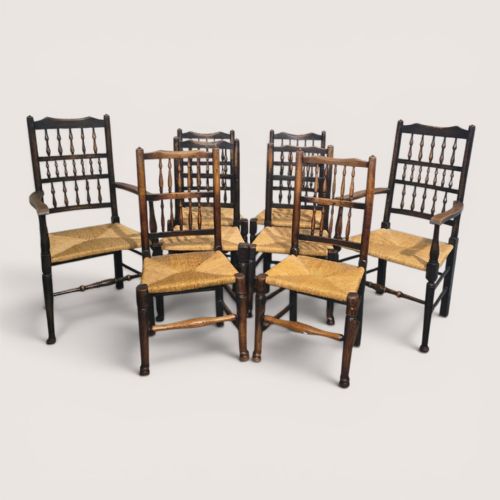
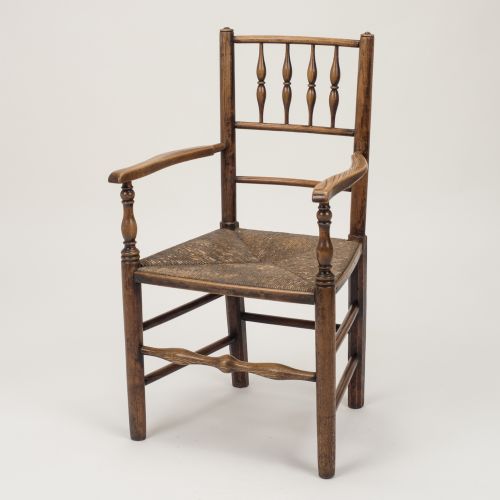
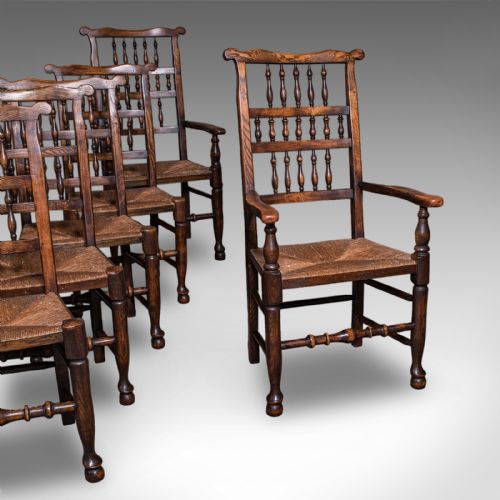
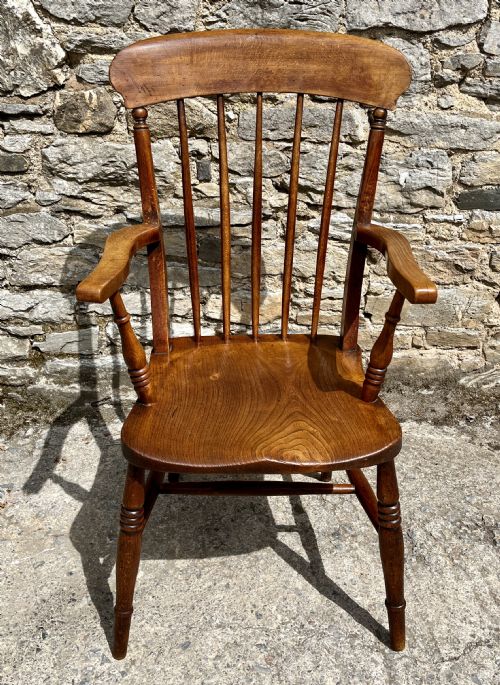
A spindle back carver is a sturdy wooden armchair designed with upright turned supports, offering a traditional seating choice for country houses and farmhouses.
Spindle Back Carver
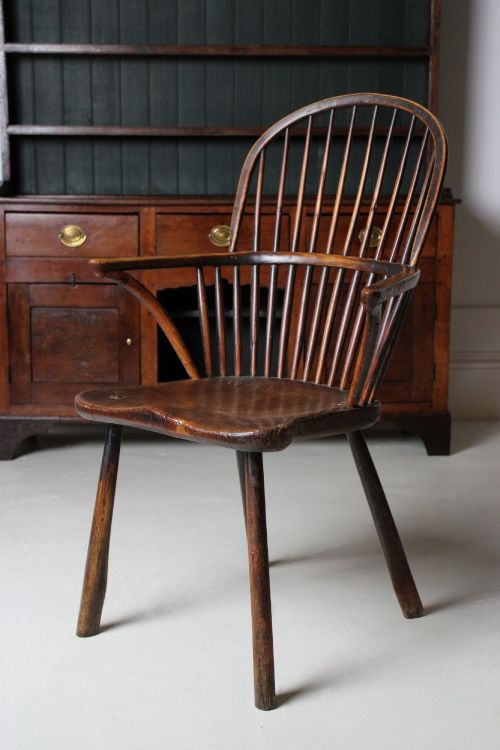
A spindle back carver belongs to a long lineage of vernacular seating rooted in English country traditions, spanning from the eighteenth century through the Edwardian period. These armchairs typically surface in regional forms such as Lancashire, Windsor, or Westmoreland designs, reflecting local woodworking habits.
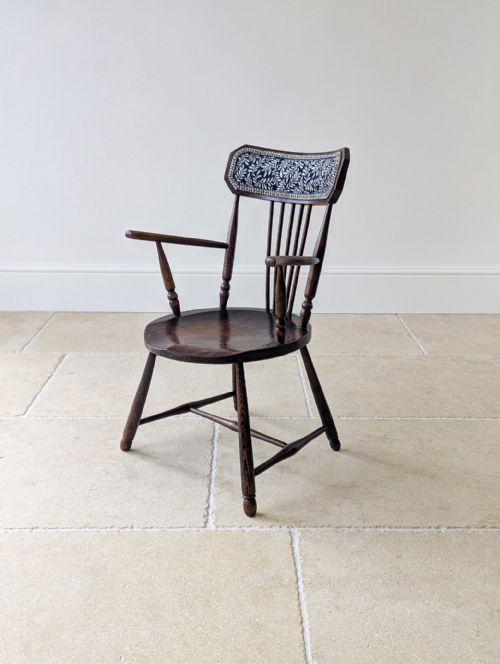
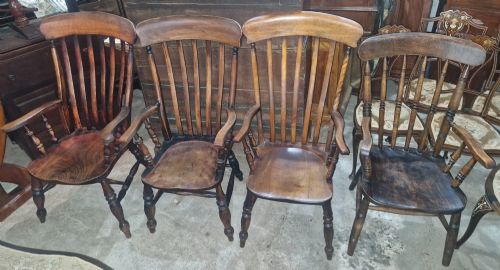
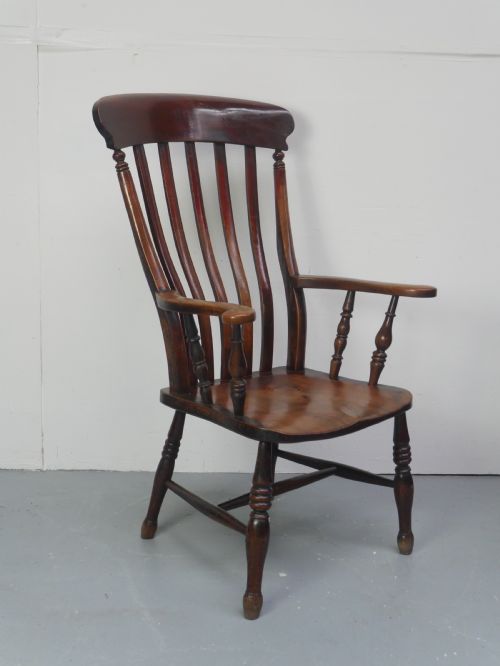
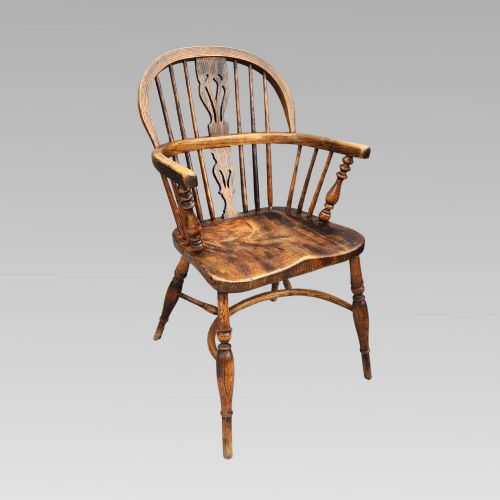
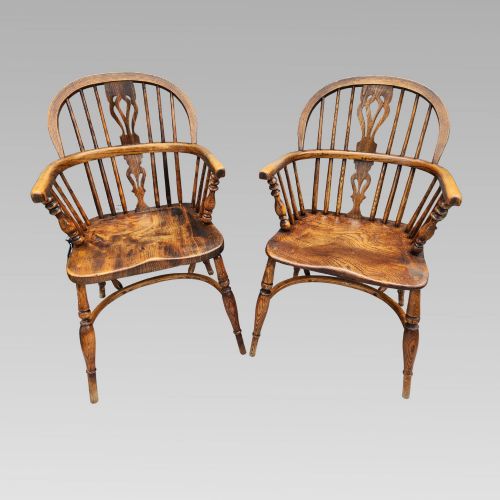
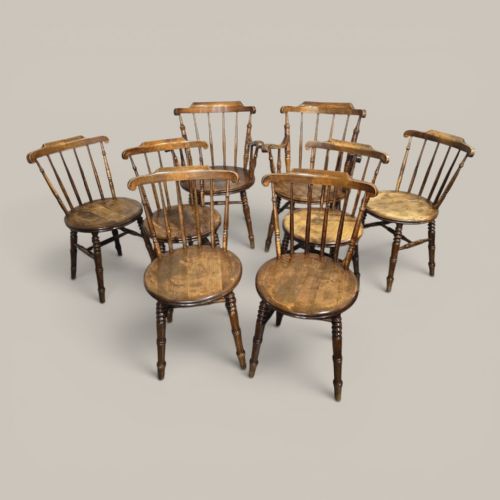
The pieces listed here encompass farmhouse kitchen armchairs, dining carvers, and Windsor chairs featuring distinct turned members. Buyers searching for a spindle back carver will encounter robust timber constructions shaped for daily utility in domestic interiors.
Makers often combined sturdy woods within a single frame, pairing elm seats with ash spindles and beech legs to balance strength and resilience. These armchairs served various roles, from fireside seating to desk chairs in country houses.
Materials and construction methods
Cabinet makers and bodgers relied heavily on native timbers like elm for solid, anti-split seats, paired with flexible ash or fruitwood for steam-bent bows and slender spindles. Beech and oak provided rigid framing for legs and stretchers, ensuring structural longevity.
Turnery lathes shaped the vertical spindles and leg components, while drawknives and scutches hollowed solid timber blocks into comfortable, dished seats. Pegs, wedges, and traditional mortise and tenon joints held the framework together without modern adhesives.
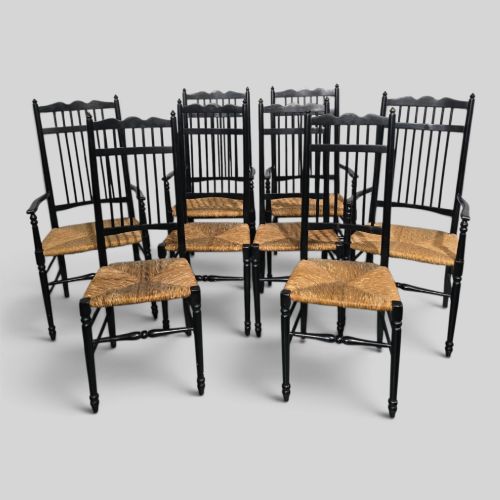
Listings feature regional variations spanning elm, ash, oak, and beech, alongside rush and fabric seating across multiple centuries.
Markers of quality
Quality rests in the harmony of timber selection and the crispness of the turnery on the spindles and arm supports. Examples featuring richly figured elm seats combined with well-matched ash or fruitwood frames show superior craftsmanship.
The structural integrity of the joints and the retention of original surface patination distinguish finer carvers from heavily restored pieces. Well-balanced proportions and comfortable, deep-dished seats indicate careful execution by regional makers.
E W Godwin
The Spindle Back Carver Glossary
- Carver
- An armchair designed with elbow rests, often accompanying a set of matching dining chairs. These served as principal seats at the table ends.
- Spindle back
- A chair back constructed from a series of slender, turned vertical wooden rods. These elements distribute back support evenly.
- Windsor chair
- A traditional chair built with a solid wooden seat into which the legs and back spindles are separately bored and wedged. They often incorporate a bentwood bow or hoop.
- Rush seat
- A woven seating surface made from dried marsh rushes twisted into cords. This technique provides a resilient and comfortable base.
- Vernacular
- Everyday utilitarian objects made by regional craftsmen using local materials rather than following high-style academic designs. These pieces prioritize function and local tradition.
Spindle Back Carver: Frequently Asked Questions
What is a spindle back carver?
A spindle back carver is a wooden armchair featuring a supportive arrangement of turned vertical wooden rods in the backrest and integrated armrests. These chairs were traditionally used at the head of a dining table or as a fireside seat.
They combine robust structural framing with regional vernacular styles, drawing on centuries of British rural woodworking traditions.
How do I date a spindle back carver?
Dating relies on observing wood species, tool marks, construction methods, and overall regional style markers. Eighteenth-century examples often show hand-adzed shaping and deeper patination, while Victorian and Edwardian pieces utilise more standardised machine turnery.
Comparing the wear patterns on the seat and feet helps confirm the age of the timber.
Are these chairs comfortable for daily use?
Most country carvers were built with ergonomically dished wooden seats shaped to fit the body comfortably. Adding a loose cushion can enhance comfort for extended sitting.
Their sturdy frame construction ensures they easily withstand regular seating use in modern dining rooms or studies.
How should I care for a rush seat?
Rush seats require a stable indoor humidity level to prevent the natural fibres from drying out and becoming brittle. Avoid placing them near direct heat sources or in damp environments.
Gentle dusting with a soft brush helps maintain the woven material without damaging the fibres.