

Turned Wood Carver Chair
A turned wood carver chair brings tactile grain and solid regional craft directly to a domestic interior.
Turned Wood Carver Chair
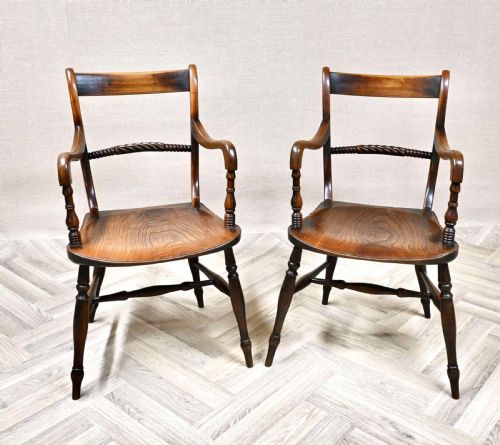
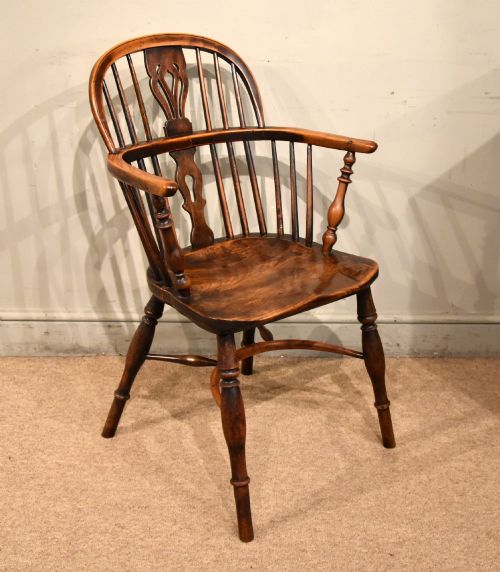
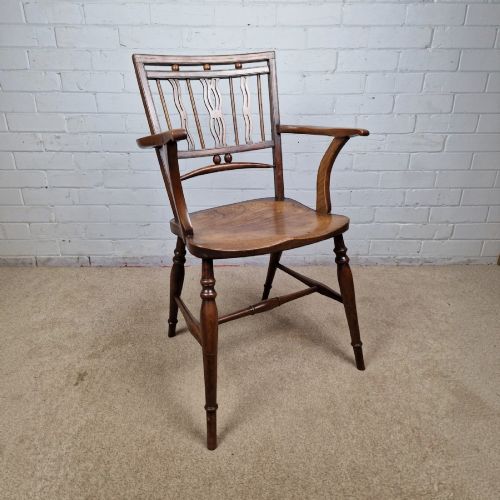
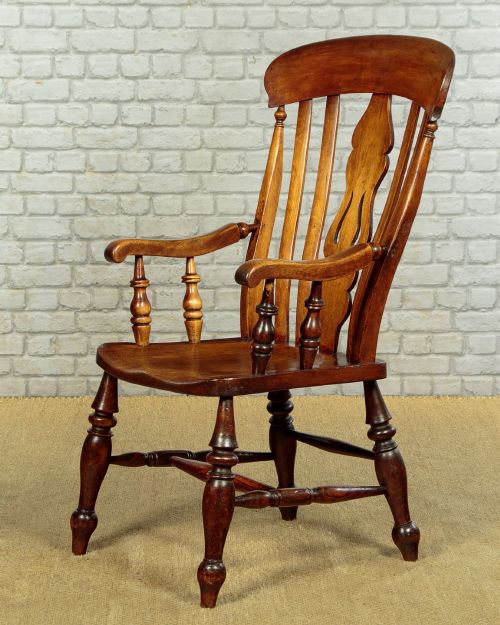
A turned wood carver chair is a substantial seating form featuring arms, designed historically for the head of a table or use in a parlour. These pieces appear frequently in English country and Victorian vernacular styles, reflecting regional traditions across the nineteenth and early twentieth centuries.
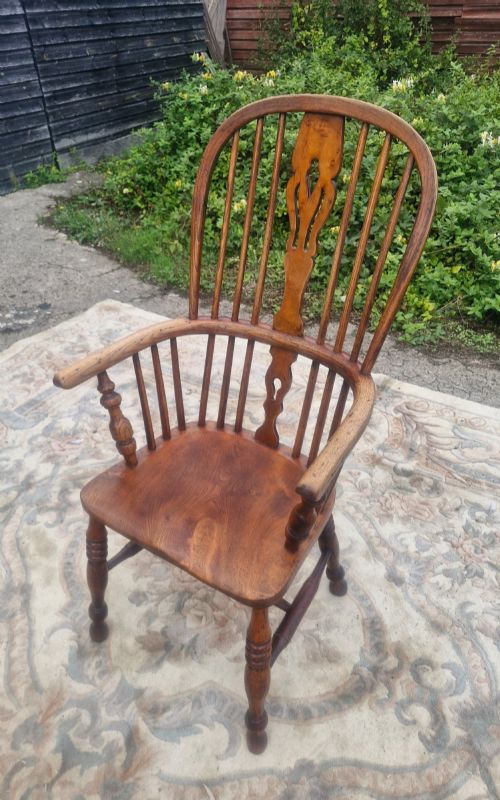
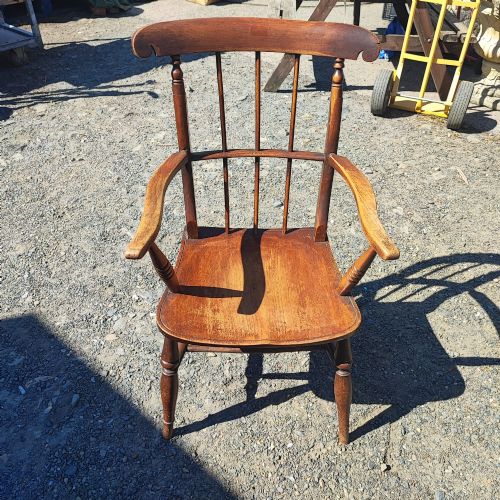
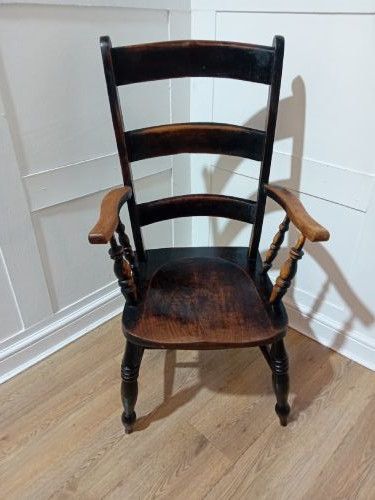
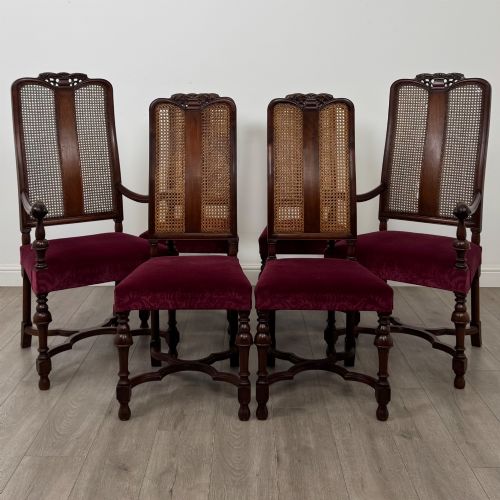
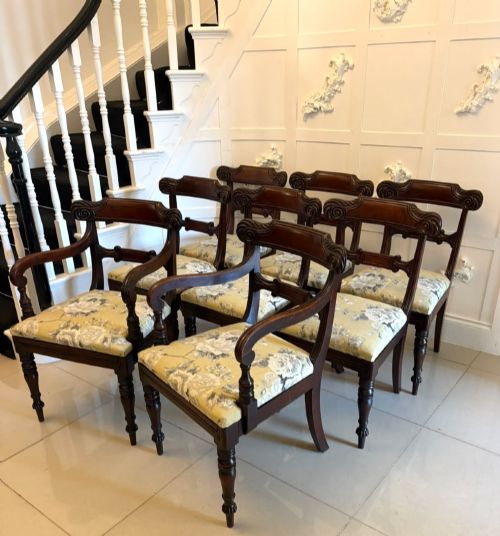
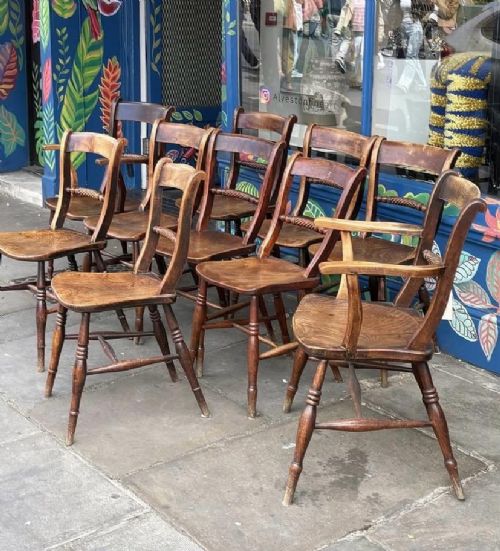
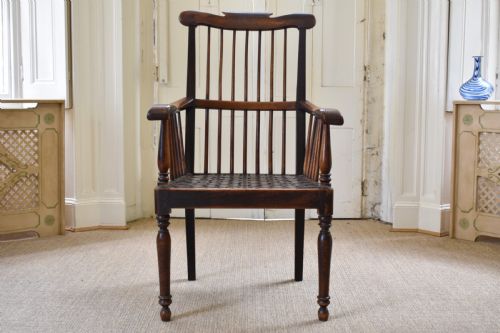
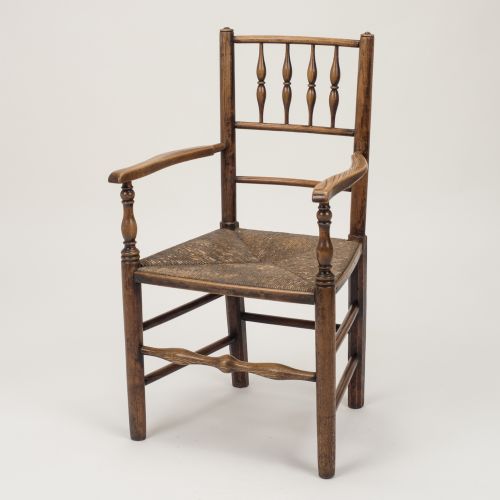
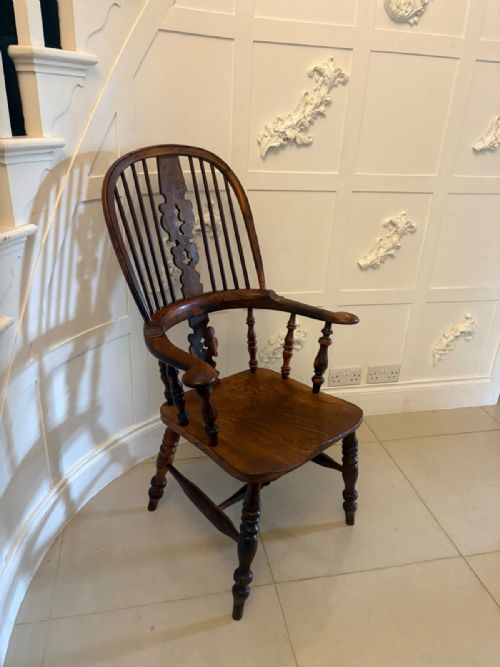
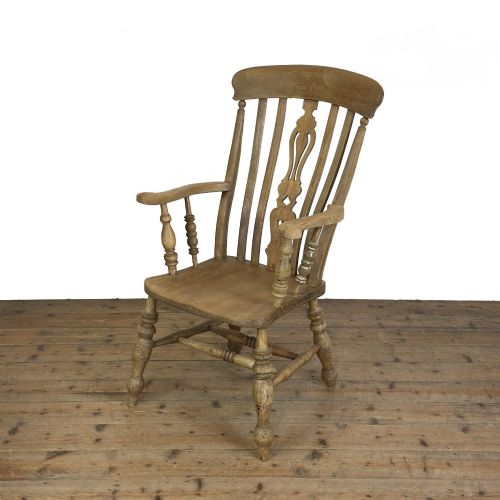
The selection here encompasses various seating types, including Windsor armchairs, high-back kitchen chairs, and spindleback designs. Elm, ash, and yew feature prominently alongside rush and timber seats, connecting utilitarian origins with domestic comfort.
Construction and Materials
Craftsmen utilised native timbers such as elm for seats, ash for spindles, and yew or beech for bent frames and turned components. These woods were chosen for their specific properties, combining tensile strength with flexibility where components required steam bending or lathe turning.
Joinery relied on traditional methods including mortise and tenon joints and wedged legs inserted directly into solid seats. Surfaces frequently retain original finishes or patinated patinas developed through decades of domestic use.
Some nineteenth-century makers snuck extra spindles into chair backs simply to show off their lathe speed.
Evaluating the Pieces
Quality rests in the harmony of timber selection and the crispness of the lathe turning on spindles and legs. Examples retaining rich, untouched surfaces and high-figure timbers like yew demonstrate superior provenance compared to heavily refinished or replaced elements.
Structural integrity and the retention of original rush or timber seats distinguish exceptional vernacular survivals from standard utility seating. The balance of proportions in the arms and backrest dictates the visual weight of each piece.
Thonet·Gillows·E W Godwin
The Turned Wood Carver Chair Glossary
- Windsor
- A traditional chair construction method where legs and back spindles are socketed directly into a solid sculpted wooden seat. This design offers robust durability and regional variation.
- Carver
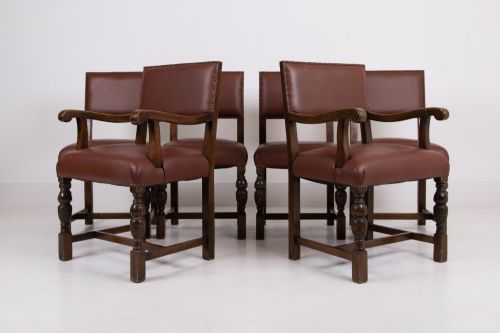
- An armchair intended for dining or desk use, traditionally placed at the head of a table. These pieces often match a set of smaller side chairs.
- Rush
- Dried marsh grass twisted into cord and woven tightly to form a supportive, flexible seat base. It appears frequently in traditional country seating.
- Spindleback
- A chair back constructed from multiple slender turned vertical wooden rods. This method provides lightweight strength and visual transparency.
Turned Wood Carver Chair: Frequently Asked Questions
Where did these chairs sit?
These armchairs traditionally occupied prominent positions in farmhouse kitchens, studies, and dining rooms. They served as primary seating for heads of households or guests.
Over time, collectors moved them into living spaces and hallways to highlight their sculptural turned frames and regional character.
How do I care for timber?
Maintain the wood by keeping chairs away from direct heat sources and sudden humidity changes. Apply natural waxes sparingly to preserve the finish.
Avoid chemical polishes that can degrade historic surfaces and soften patination accumulated over generations.
Are rush seats durable?
Woven rush seats offer surprising strength and flexibility when treated with reasonable care. Keep them dry and support the weave evenly.
Traditional rush can last for decades without intervention if protected from excessive moisture and abrasive wear.
How are periods identified?
Dating relies on timber selection, tool marks left by lathes, and structural evolution in arm and spindle design. Earlier pieces often display distinct hand-turned irregularities.
Comparative analysis with documented regional styles helps separate nineteenth-century vernacular pieces from later revival items.