


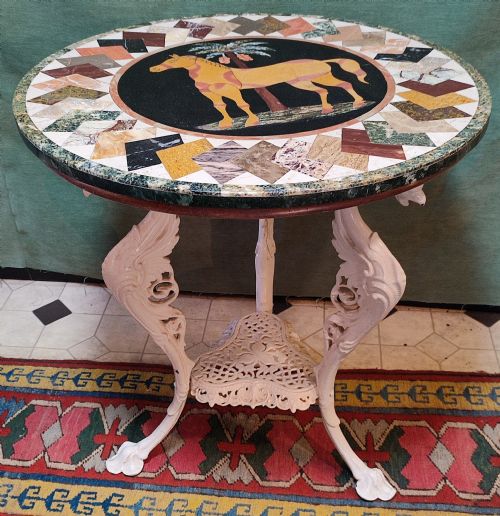


Specimen Marble Table
A specimen marble table brings together mineral specimens and fine cabinetry, offering an antique surface composed of geometric or pictorial stone inlays.
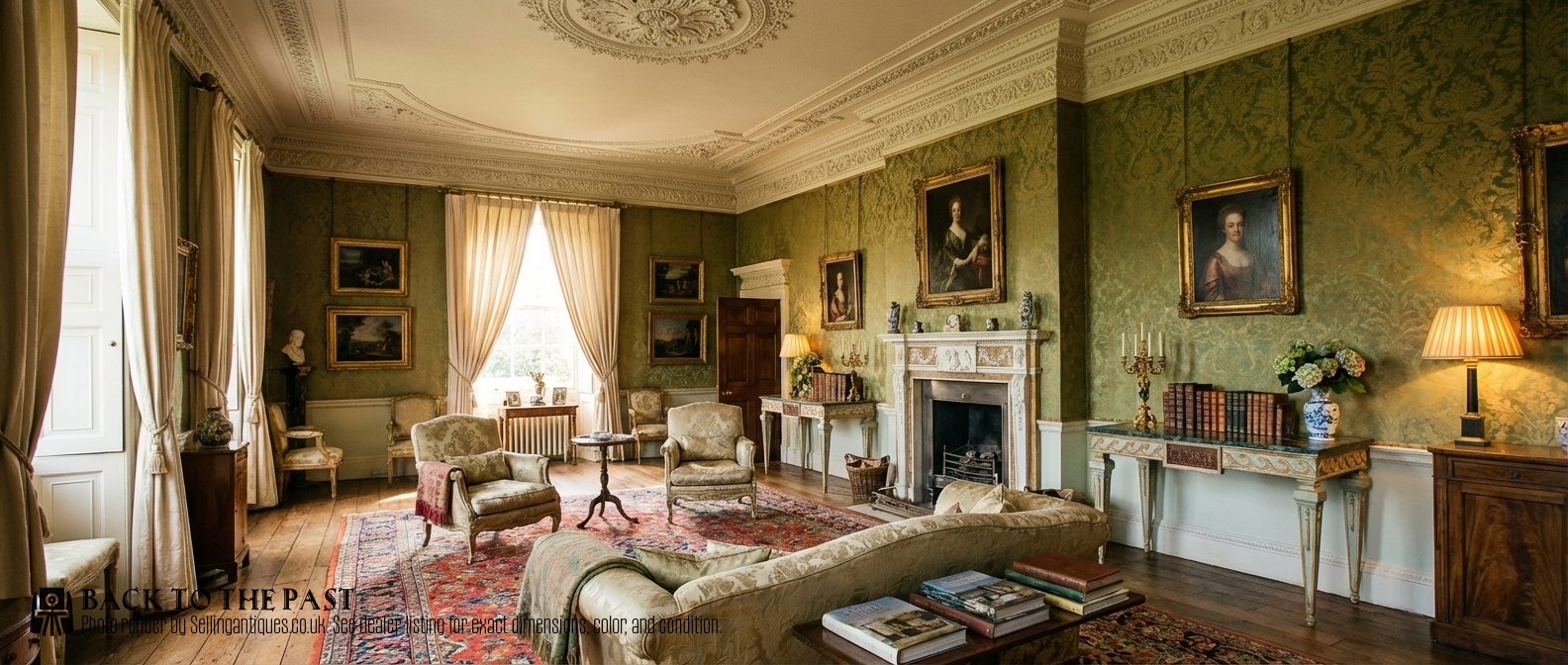
Specimen Marble Table
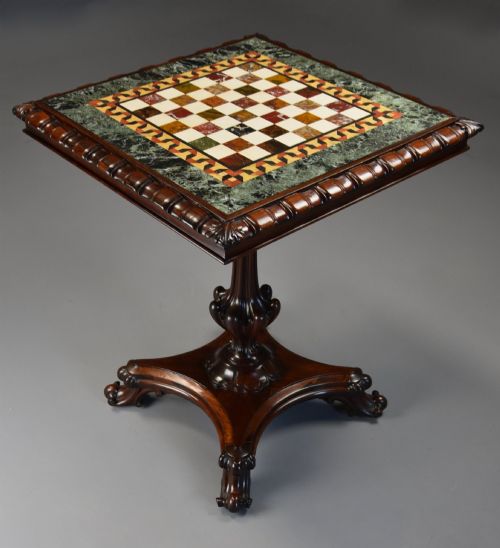
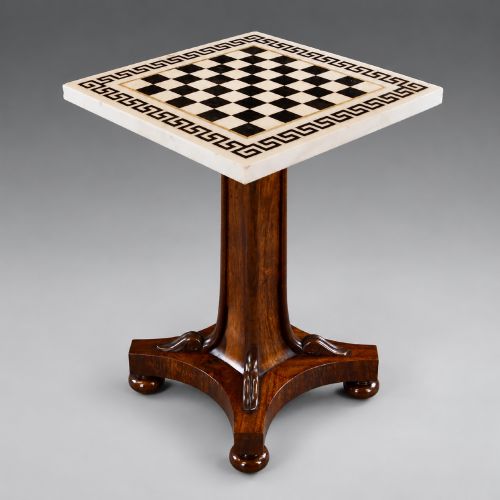
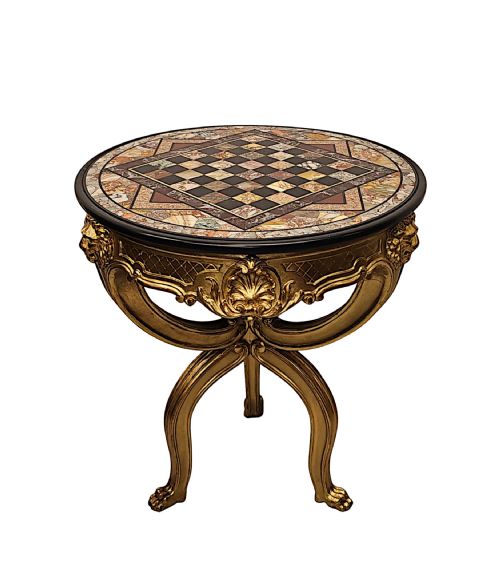
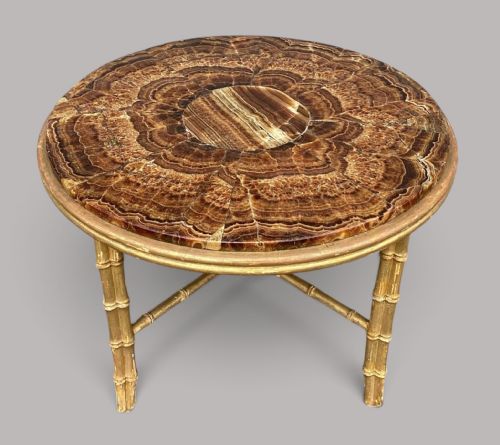
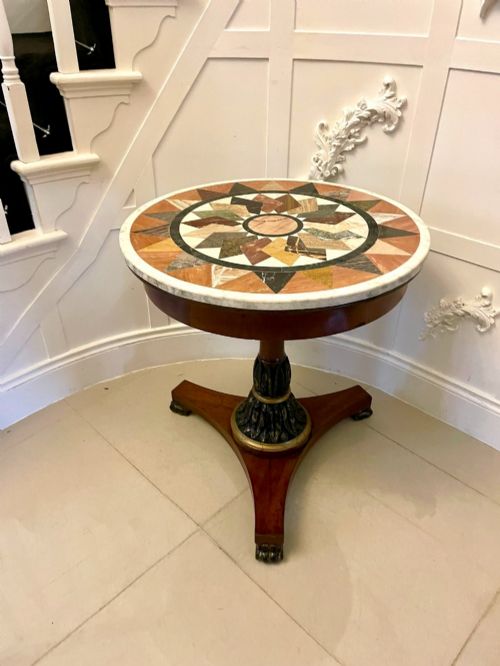
A specimen marble table presents a flat stone top composed of numerous pieces of varied marbles, jaspers, and stones assembled into geometric patterns, checkerboards, or pictorial mosaics. These surfaces appear predominantly on circular centre tables, occasional tables, and games tables dating from the Regency, William IV, and Victorian eras.
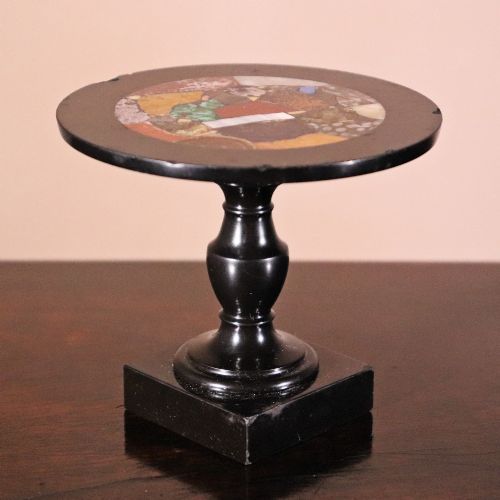
The buyer most frequently encounters circular centre tables and occasional tables supported by mahogany, rosewood, walnut, or cast iron pedestals and legs. Originating from British workshops, Italian artisan centres, and Grand Tour souvenirs, these tables range from modest miniature breakfast pieces to large reception room centrepieces.

Materials and construction
Craftsmen cut hard stones, marbles, and mineral specimens into precise geometric tiles or pictorial segments, setting them flush into a slate or marble base using specialised adhesives. Pietra dura and micro-mosaic techniques required meticulous hand-cutting and polishing to achieve a completely smooth, continuous surface without gaps between the individual stones.
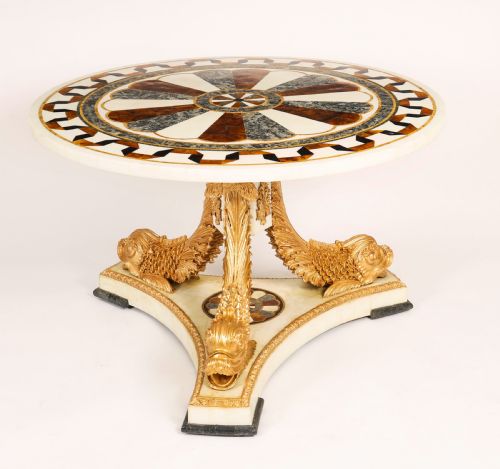
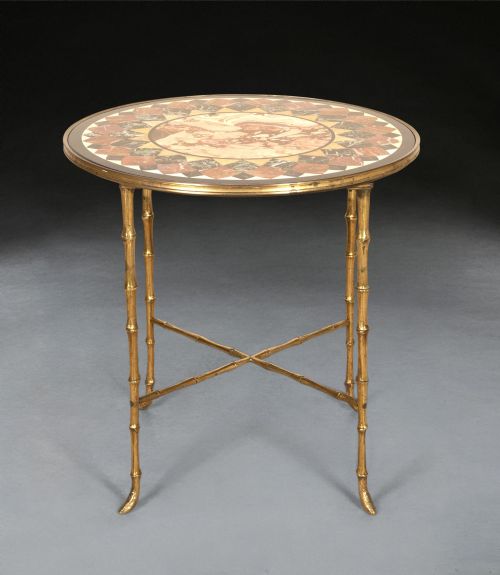
Makers paired these elaborate stone tops with robust timber frames in mahogany, rosewood, walnut, oak, and satin birch, often incorporating brass mounts, carved giltwood, or cast iron supports. The structural bases relied on traditional joinery to support the substantial weight of the stone tabletops.
Specimen Marble Table Retail Price Guide 2026
Typical asking prices for specimen marble table among the pieces listed under this phrase on Sellingantiques today, from the lower quarter to the upper quarter. They describe what is for sale here now, not the wider market.
The listings show specimen marble tables spanning the eighteenth century through the Edwardian period, utilising mahogany, walnut, rosewood, and cast iron.
Evaluating craftsmanship
The refinement of the supporting timber base, whether a carved mahogany pillar, giltwood console, or turned rosewood pedestal, balances the weight and artistry of the stone top above. Finer examples display meticulous attention to both the mineral composition and the cabinetmaker's joinery.
James Shoolbred·The Woodley family
The Specimen Marble Table Glossary
- Specimen marble
- A tabletop composed of many different types of marble and mineral stones arranged in geometric or pictorial designs. This technique displays a wide geological palette collected from various quarries.
- Pietra dura
- An artistic technique using cut and fitted polished coloured stones to create images. Craftsmen assemble floral, avian, or landscape motifs with extreme precision.
- Micro-mosaic
- A decorative method utilising tiny glass or stone tesserae to form highly detailed miniature pictures. These roundels often feature as central medallions on Italian souvenir tables.
- Grand Tour
- A cultural journey undertaken by wealthy young Europeans through France and Italy to collect art and antiquities. Tables acquired on these travels frequently incorporated local pietre dure and marble work.
- Scagliola
- A composite material made from selenite, glue, and pigments, used to imitate inlay and marble. Artisans applied this technique to create decorative columns and tabletops.
Specimen Marble Table: Frequently Asked Questions
How do I care for a specimen marble top?
Clean the surface gently using a soft, dry cloth and avoid acidic cleaning agents that etch marble or dissolve historic adhesives. Protect the stone from direct impacts and excessive moisture to preserve the polished finish.
Place the table away from direct heat sources to prevent timber shrinkage in the base. Periodic gentle dusting maintains the lustre of both the stone mosaic and the surrounding wood.
What is the difference between pietra dura and specimen marble?
Specimen marble generally refers to geometric arrangements of various quarried stones, showcasing mineral diversity and pattern symmetry. Pietra dura specifically denotes pictorial inlay work depicting flowers, birds, or figurative scenes using shaped hardstones.
Both techniques required expert hand-cutting, but pietra dura prioritises pictorial realism over geometric repetition. Collectors often find pieces that combine both disciplines within a single tabletop design.
Are these tables sturdy enough for daily use?
Most centre tables and occasional tables were built to support functional domestic use, provided they are placed on level flooring. The primary weight comes from the stone top, which rests securely upon the structural timber base.
Care should be taken when moving these pieces to lift them by the frame rather than the top. Proper weight distribution ensures the historic joinery and stone setting remain undisturbed.