






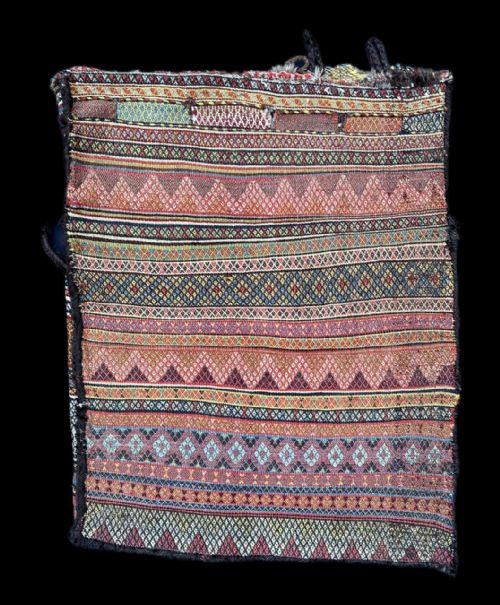
South Persian Flatweave
A south persian flatweave brings nomadic tribal identity and rich vegetable dyes directly into domestic spaces.
South Persian Flatweave
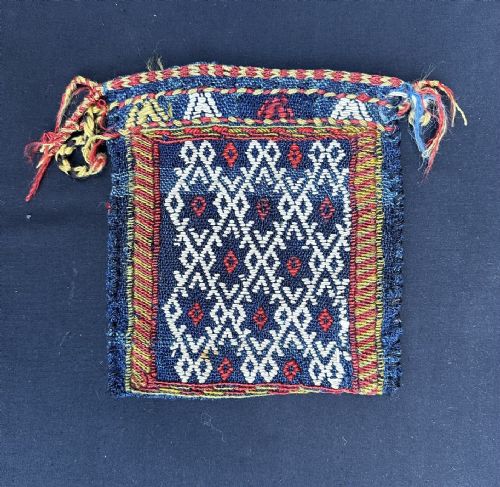
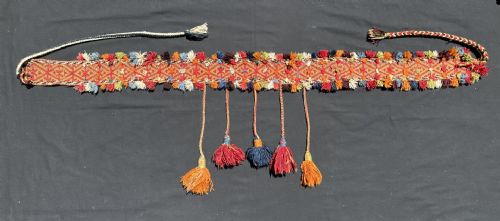
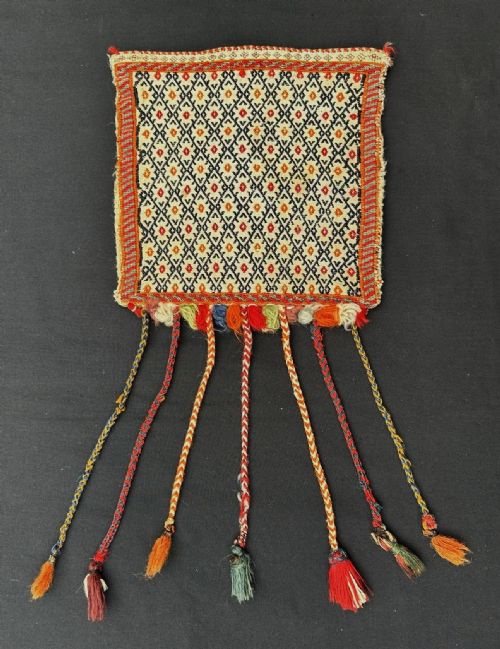
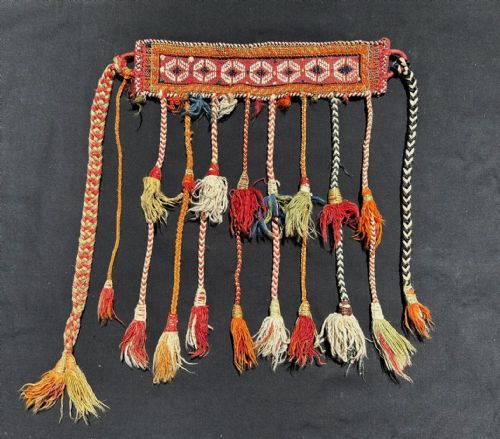
A south persian flatweave is a woven textile created by nomadic groups such as the Qashqai and Afshar tribes across the Fars and Kerman provinces. These pieces serve practical purposes as utilitarian bags, animal trappings, and eating cloths alongside decorative floor coverings.
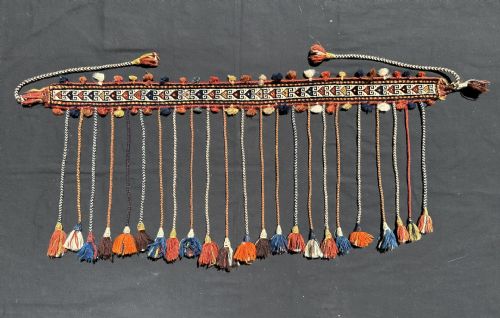
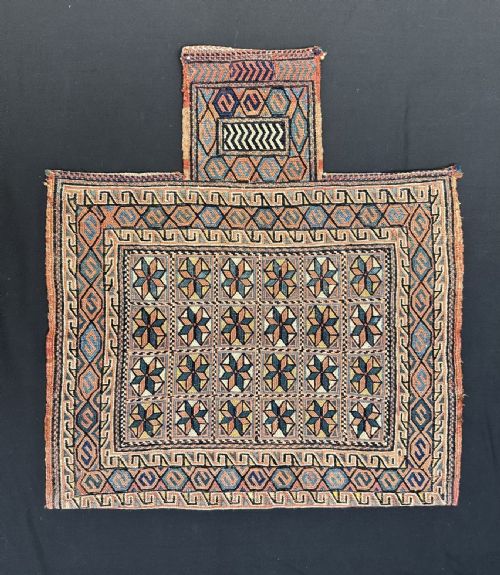
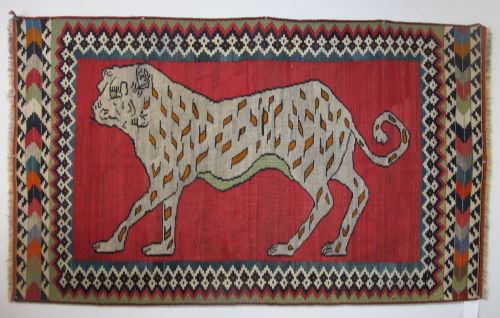
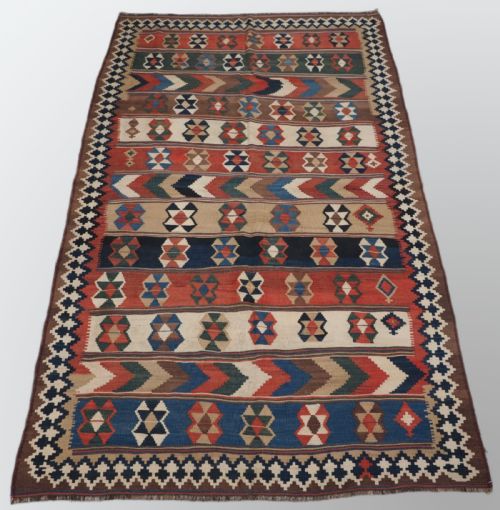
Buyers encounter various functional forms including salt-bags, vanity bags, storage bags, bread sofreh, animal decorations, and kilims. These items originate from specific tribal confederacies and sub-tribes working within the region.
The aesthetic of a south persian flatweave relies on tribal designs associated with Persian, Qashqai, and Caucasian traditions. Production dates in the available evidence span from 1870 through to 1920.
Materials and construction
Every south persian flatweave relies fundamentally on wool and hand-spun wool for its structural integrity and pileless surface. Cotton also appears in the construction of these traditional textiles.
Weavers utilise natural dyes to achieve the distinctive palette recorded in the pieces. Certain examples incorporate cowrie shells as decorative elements on utility items.
South Persian Flatweave Retail Price Guide 2026
Typical asking prices for south persian flatweave among the pieces listed under this phrase on Sellingantiques today, from the lower quarter to the upper quarter. They describe what is for sale here now, not the wider market.
Several nomadic bags served practical daily needs for salt and water-pipes before finding new life as wall displays.
Assessing quality in flatweaves
Quality in a south persian flatweave rests upon the precision of the tribal weaving technique and the clarity of the banded or figurative design. Tighter structures and finely executed motifs distinguish superior tribal textiles from simpler domestic pieces.
The vibrancy and depth of the natural dyes significantly influence the visual impact of each flatweave. Examples featuring well-preserved soft colours and balanced palettes command greater appreciation.
The South Persian Flatweave Glossary
- Kilim
- A flat tapestry-woven carpet or piece produced without a pile. This term describes the core technique used to create many nomadic tribal rugs.
- Sofreh
- A flatwoven spread or cloth utilised for dining or handling bread preparation. These textiles often display strong geometric organisation.
- Soumak
- A brocaded wrapping technique that creates a durable structure with raised pattern details on the face. It differs from standard plain-weave kilim construction.
- Tayefeh
- A sub-tribe or clan designation within larger nomadic confederacies such as the Qashqai. It helps pinpoint the specific origin of a piece.
South Persian Flatweave: Frequently Asked Questions
What is a bread sofreh?
A bread sofreh is a utilitarian flatwoven cloth utilised by nomadic tribes for preparing and eating meals. These textiles function as clean surfaces for dough handling.
Over time, collectors have come to appreciate these functional cloths as wall hangings and display pieces due to their striking geometric designs.
How are tribal bags used today?
Tribal bags originally served practical storage needs for salt, vanity items, or personal possessions during nomadic migrations. They were constructed to endure rugged daily transport.
Modern interiors utilise these smaller woven pouches as decorative wall displays or accent objects that showcase traditional tribal craftsmanship.
How do I identify a Qashqai piece?
Qashqai pieces originate from the Fars province and often incorporate distinct tribal motifs, animal trappings, or banded designs. Their visual vocabulary reflects specific confederacy traditions.
Examining the specific tribal attribution in the title helps distinguish these items from neighbouring Afshar or Caucasian productions.
Are natural dyes easy to spot?
Natural dyes produce soft, harmonious tones that age with subtle variation across the wool surface. These vegetable colorants yield a depth that resists stark uniformity.
Evaluating the palette involves looking for the gentle patination characteristic of pieces produced before synthetic dyes became widespread.