


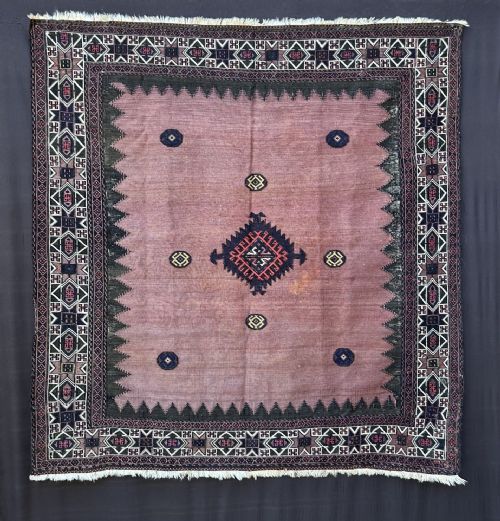

South Persia Wool
When you search for south persia wool, you step into the world of nomadic weaving from tribal confederacies and regions like Fars and Kerman.
South Persia Wool
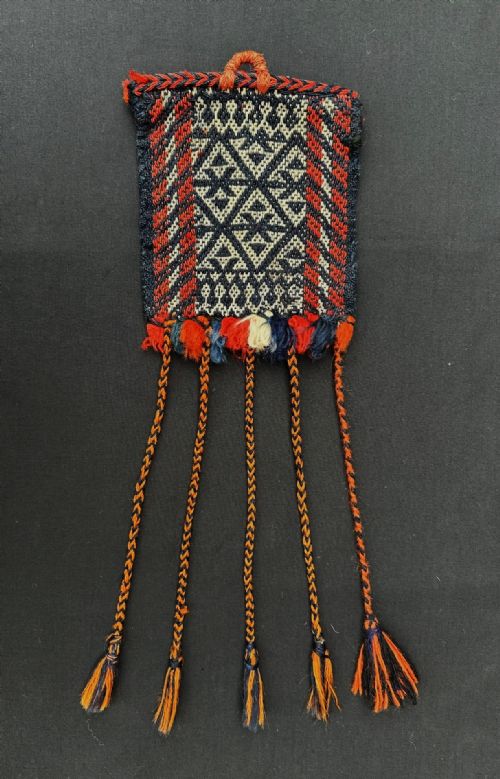
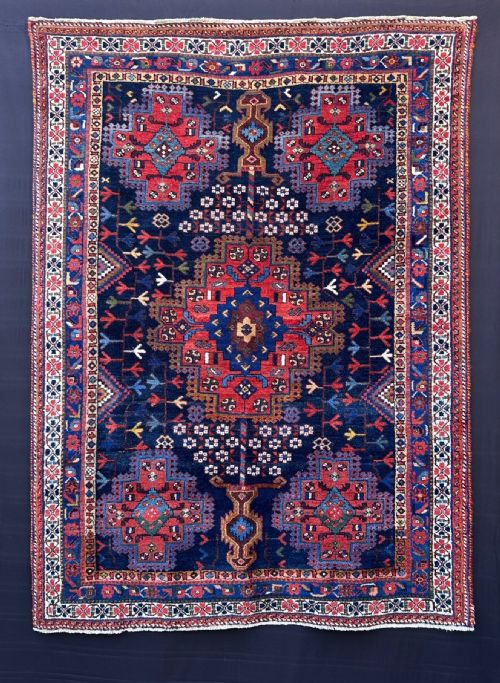
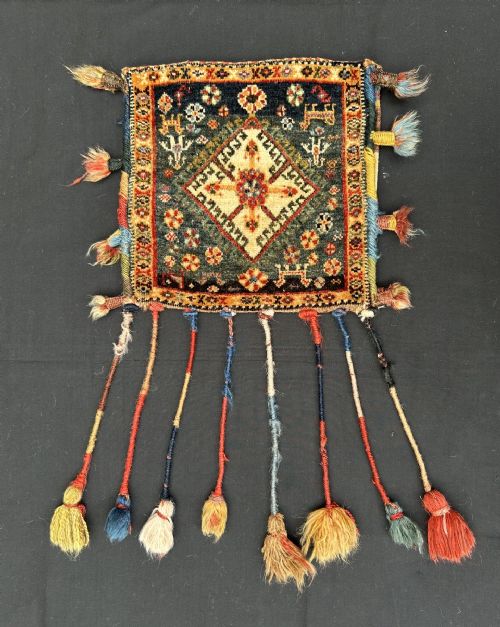
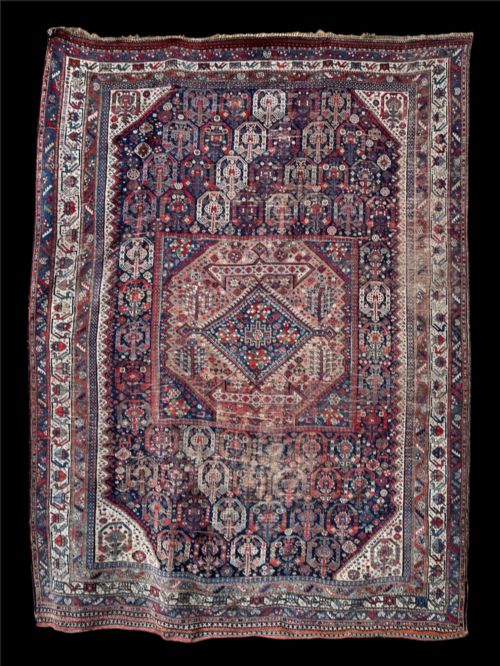
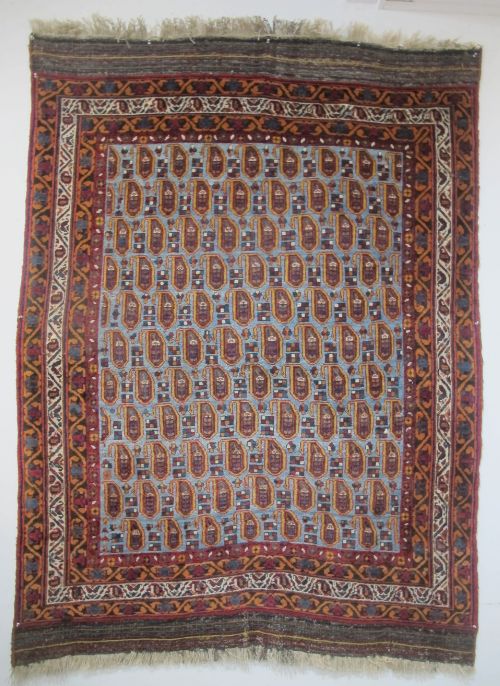
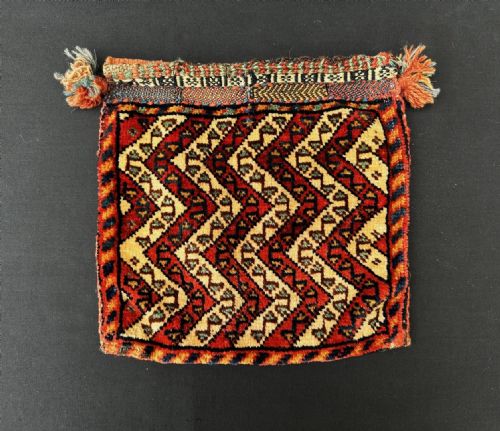
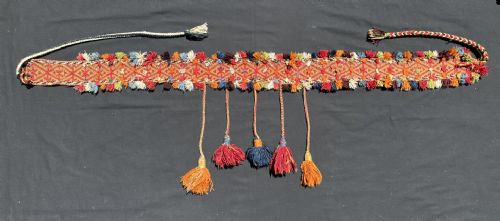
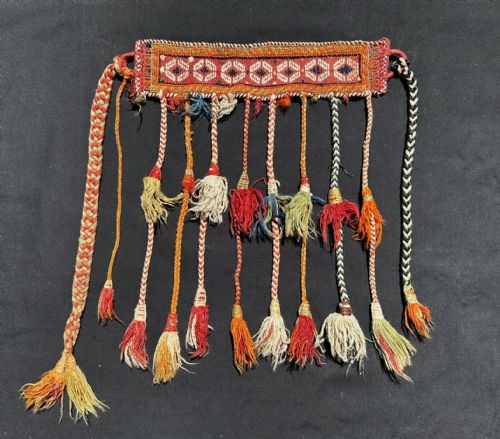
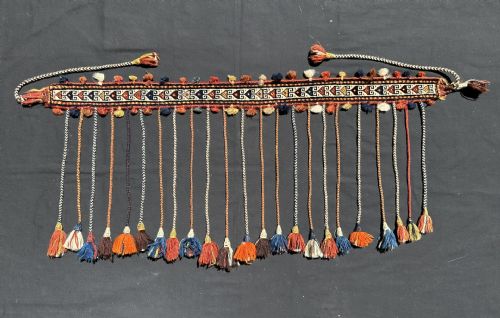
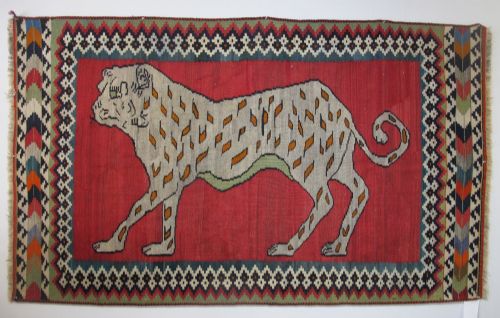
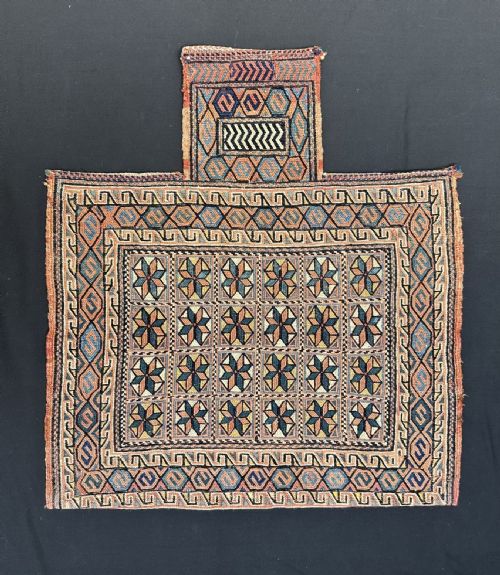
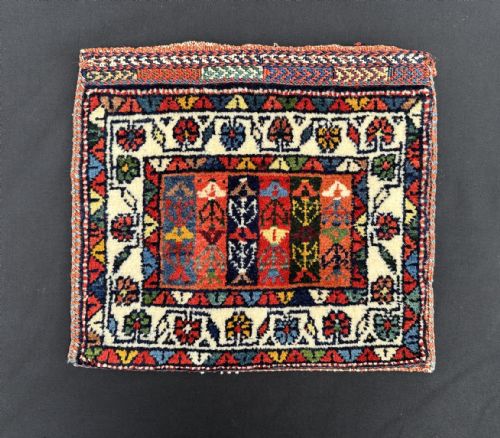
The pieces grouped under south persia wool encompass a rich variety of nomadic and tribal items, ranging from full-sized carpets and rugs to smaller functional objects such as salt-bags, vanity bags, and animal trappings. You will frequently encounter specialised tribal bags and flatweaves alongside floor coverings.
Most examples originate from specific confederacies and tribes, including the Qashqa'i, Afshar, and Khamseh, each carrying distinct regional designs from the late nineteenth century into the early decades of the twentieth century. These items reflect the utilitarian and cultural needs of pastoral nomads.
The selection demonstrates remarkable diversity in format, from saddle-bag faces and bread sofrehs to kilims and animal decorations. They provide tangible evidence of tribal artistry rooted in provinces such as Fars and Kerman.
Materials and Construction
Weavers relied primarily on hand-spun wool and cotton foundations, utilising natural dyes to achieve deep and enduring colour palettes across the rugs and tribal bags. Additional decorative elements occasionally incorporate cowrie shells, leather, and wood.
Techniques varied from pile weaving in rugs and main carpets to flatwoven structures found in kilims, sofrehs, and various tribal bag faces. These construction methods were practical adaptations designed for durability during seasonal migrations.
Listings span from the 1860s through the 1930s, documenting a tradition dominated by wool, cotton, and natural dyes.
Assessing Quality in Tribal Weaving
Quality in these pieces rests upon the handle and softness of the wool, the precision and clarity of the tribal motifs, and the depth achieved through natural dye usage. Finer knotting density and well-balanced compositions elevate certain bags and rugs above standard utilitarian examples.
Condition and completeness also play a part, particularly when examining functional items like saddle-bags, salt-bags, and cradles that survived decades of rigorous nomadic life intact with their original structures and embellishments.
The South Persia Wool Glossary
- Sofreh
- A flatwoven spread or cloth used for kneading bread and serving meals within nomadic households. These textiles often feature striking geometric field designs.
- Kilim
- A tapestry-woven carpet or flatweave produced without a pile. They are lightweight and traditionally used for floor coverings or wall hangings.
- Boteh
- A traditional almond-shaped or paisley motif representing a floral spray, cypress tree, or flame. It appears frequently in Afshar and Khamseh designs.
- Confederacy
- A political and social alliance of independent nomadic tribes, such as the Qashqa'i and Khamseh groups in Persia. Each confederacy developed recognizable design traditions.
- Ru Korssi
- A decorative cover placed over a low table under which a heating brazier sat. These textiles provided warmth and visual interest inside the traditional home.
South Persia Wool: Frequently Asked Questions
What is a tribal bag?
Tribal bags were practical containers woven by nomads to store salt, tobacco, vanity items, or personal possessions during migration. They were constructed to endure harsh travel conditions while displaying traditional tribal patterns.
Many survive today as small format collectibles, retaining the original wool and structure that defined their daily use in nineteenth-century Persia.
How do I care for antique wool?
Antique wool rugs and textiles require gentle maintenance, including regular light vacuuming without a rotating brush bar and professional cleaning when necessary. Keeping them out of direct sunlight prevents natural dyes from fading.
Placing a breathable underlay beneath rugs prevents slipping and reduces friction between the wool pile and hard flooring.
How are tribal regions identified?
Regions and tribes are identified through a combination of specific colour palettes, structural characteristics, knotting quirks, and distinctive design motifs. Afshar pieces often feature Kerman province origins, while Qashqa'i work typically stems from Fars province.
Comparing border arrangements and secondary motifs helps link specific pieces to sub-tribes and confederacies like the Khamseh or Darrehshuri.
Were these items meant for daily use?
Nomadic weavings served active, daily functions within pastoral communities, from sleeping mats and animal transport to food preparation and personal storage. Durability was a primary consideration for the weavers.
Objects such as bread sofrehs and horse decorations were integral to the practical and ceremonial routines of tribal life.