




Fars Tribal Weaving
Fars tribal weaving brings nomadic Persian artistry straight to your interior through authentic bags, trappings, and textiles from the nineteenth and early twentieth centuries.
Fars Tribal Weaving
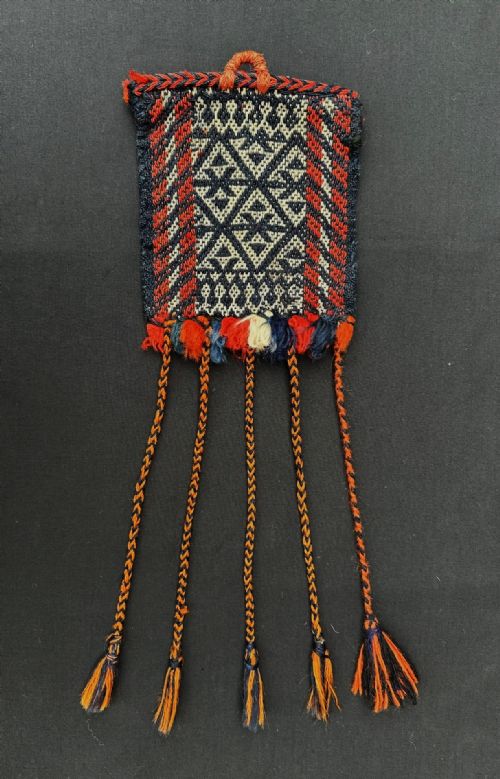
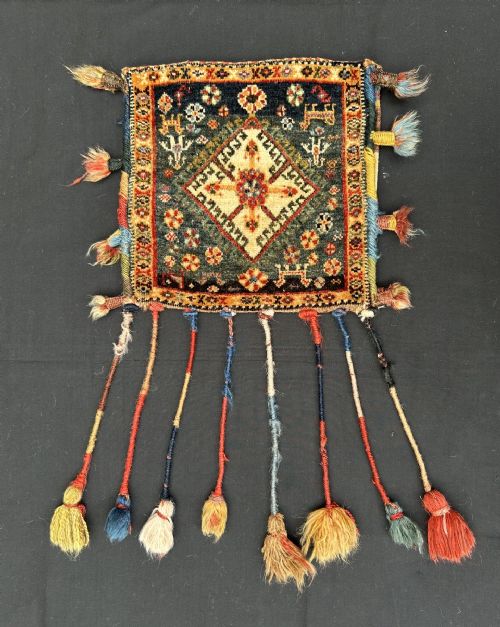
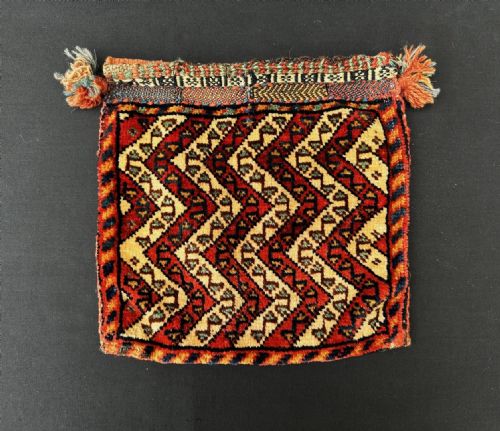
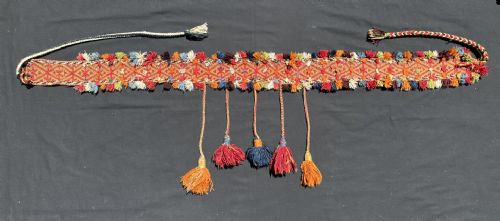
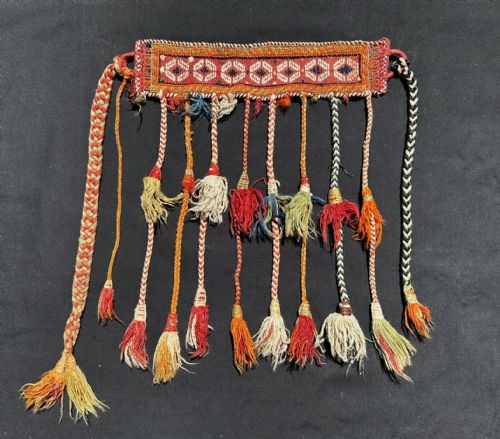
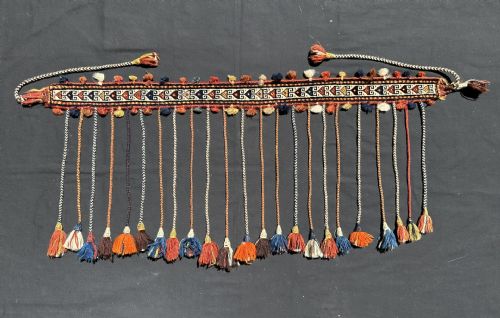
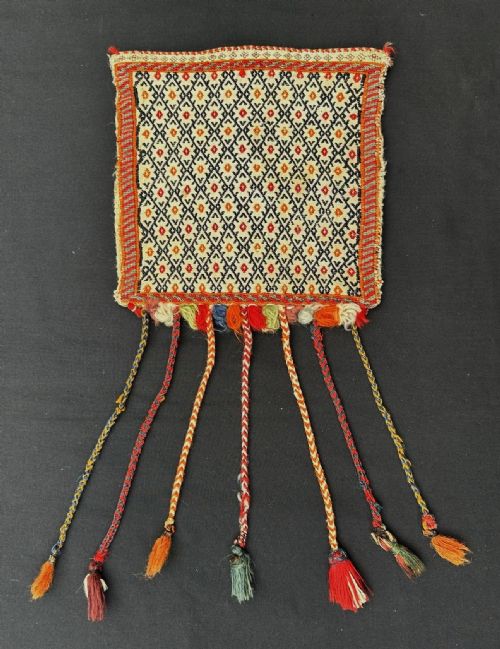
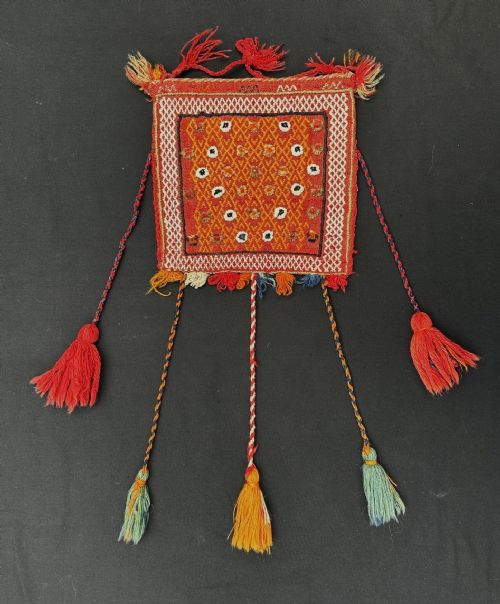
When you search for fars tribal weaving, you encounter portable nomadic art originating from the Fars province of south-west Persia. These pieces include utilitarian items made for daily nomadic life, such as vanity bags, salt bags, saddlebags, animal trappings, and storage bags created by various sub-tribes and confederacies.
The most common pieces you meet on this page are Qashqa'i nomadic items, particularly vanity bags and saddlebags produced by sub-tribes like the Bolvardi, Kashkuli Tayefeh, Darrehshuri Tayefeh, and Shekarlu Tayefeh. Alongside these bags, you also find larger textiles such as carpets and moj coverlets.
These items originate primarily from distinct production periods spanning the late nineteenth century and the early twentieth century, specifically around eighteen-eighty, nineteen-hundred, and nineteen-twenty. Each piece reflects the specific tribal identity and practical lifestyle of south-west Persian nomads.
Materials and Construction
The textiles are constructed predominantly from wool and hand-spun wool, providing a durable foundation essential for nomadic travel and daily utility. Cotton and occasionally wood and leather appear as structural or decorative support elements within specific bags and trappings.
Colour derives from natural dyes applied to the hand-spun wool, yielding the rich, varied palette characteristic of regional Persian nomadic textiles. The weaving techniques serve functional purposes, creating tough surfaces designed to withstand rigorous daily handling while displaying intricate tribal motifs.
Nomads wove specialised vanity bags simply to keep their mirrors and personal trinkets safe while crossing the rugged mountains of south-west Persia.
Factors of Quality
Quality in these textiles rests upon the fineness of the hand-spun wool and the complexity of the weave, which dictate both the durability and the visual clarity of the tribal patterns. Tightly packed structures and well-preserved natural dyes elevate certain bags and trappings above simpler, coarser examples.
The precision of the tribal iconography and the integrity of surviving structural elements, such as original leather or wooden components, further distinguish superior pieces. Items retaining their complete original form, whether a cradle, a pair of saddlebags, or a vanity bag, represent the higher end of the range.
The Fars Tribal Weaving Glossary
- Tayefeh
- A designated sub-tribe or clan within a larger Persian nomadic confederacy. This term frequently appears in attributions indicating the specific group responsible for crafting a textile.
- Moj
- A traditional flat-woven coverlet or blanket produced by nomadic tribes. These textiles serve as decorative and functional household items.
- Saddlebag
- A paired utilitarian container designed for transport on horseback or pack animals. They feature heavily decorated faces intended to be seen while travelling.
- Natural Dye
- Colouring derived from plant, insect, or mineral sources rather than synthetic chemicals. These dyes produce the characteristic harmonious tones found in older nomadic weavings.
- Animal Trapping
- A decorative or functional textile created to adorn horses or other working animals. They often display distinct geometric or symbolic tribal motifs.
Fars Tribal Weaving: Frequently Asked Questions
Who made these tribal textiles?
Nomadic confederacies and specific sub-tribes living in south-west Persia produced these textiles. The Qashqa'i confederacy and groups like the Bolvardi and Kashkuli sub-tribes are prominent makers.
Each group utilised distinct patterns and colour palettes to express their unique tribal identity through their weaving.
How were these bags used?
Nomads utilised these bags for storing personal items, salt, water pipes, spoons, and daily provisions during seasonal migrations. Saddlebags transported goods across vast distances on pack animals.
Other items served as horse decorations or cradles for infants, combining daily utility with decorative nomadic artistry.
How do I live with these pieces?
You can display smaller bags and textile fragments as wall hangings or place saddlebags and trapping faces on surfaces as accent pieces. Their robust construction suits moderate interior display.
Protecting them from direct, prolonged sunlight preserves the natural dyes used in the hand-spun wool.
How are different tribes identified?
Tribal attribution relies on specific design motifs, structural techniques, and historical records linking particular styles to groups like the Darrehshuri or Shekarlu.
Inscribed or documented origins help connect individual bags and trappings to their specific south-west Persian sub-tribe.