





Soumak Flatweave Rug
A soumak flatweave rug brings tribal geometry and textured weft-wrapping into a room.
Soumak Flatweave Rug
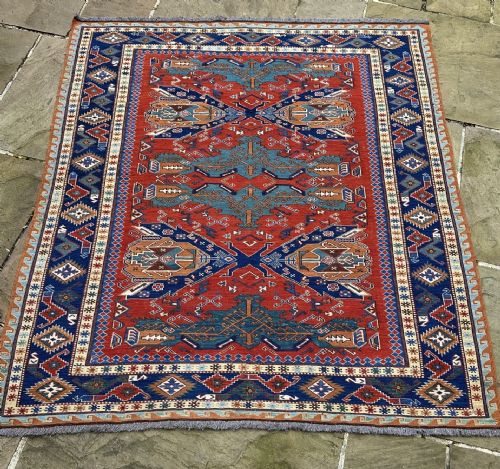
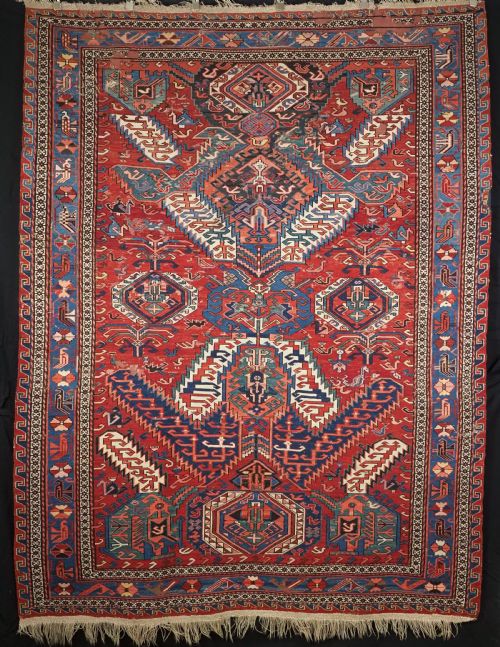
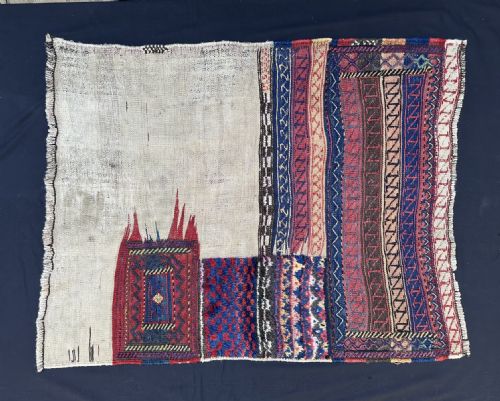
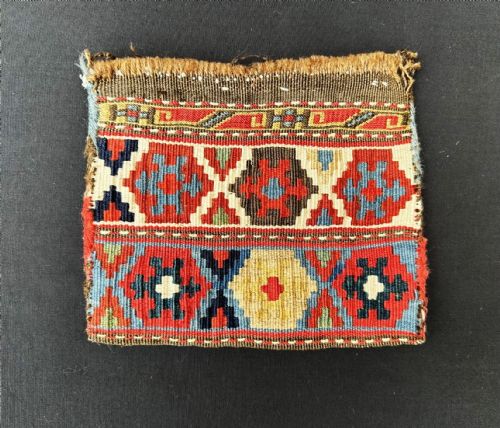
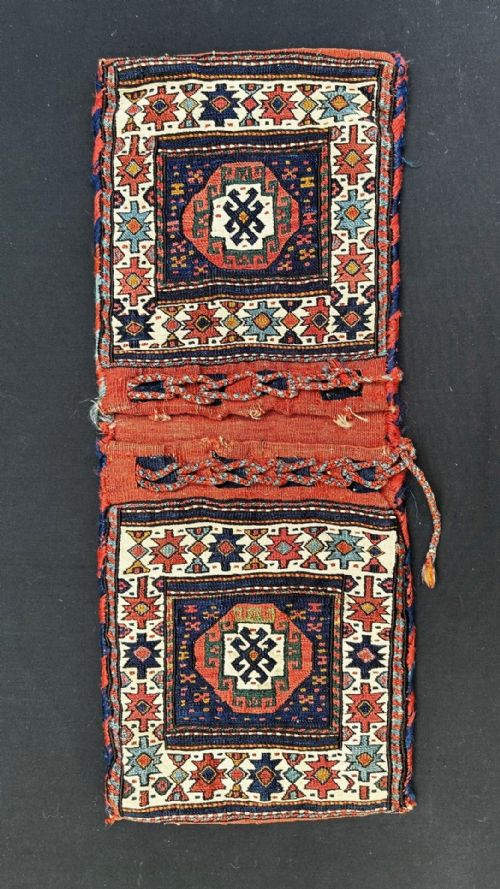
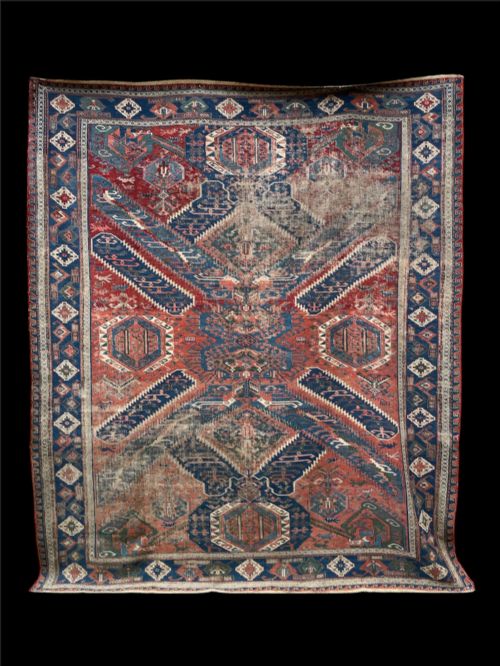
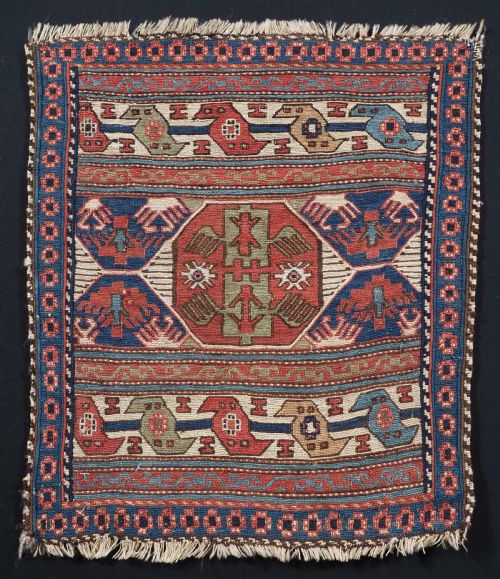
A soumak flatweave rug covers floor spaces and utility forms created by nomadic groups across the Caucasus, Persia, and Turkmenistan. When searching for a soumak flatweave rug, collectors encounter floor-sized carpets alongside smaller utilitarian items like saddle bags, storage panels, and cushions. These textiles hail from distinct tribal groups such as the Shahsevan, Yomut Turkmen, and various Caucasian weavers.
The pieces on this page span from the late nineteenth century into the mid-twentieth century, capturing traditional regional patterns. Tribal weavers produced these textiles using methods passed down through generations, resulting in strong geometric compositions, medallions, and symbolic motifs including birds and dragons. Buyers frequently find formats ranging from large carpets down to smaller bag faces and panels.
Materials and construction methods
Makers constructed these textiles predominantly using wool, frequently hand-spun, combined with cotton foundations for structural support. Artisans employed natural dyes and vegetable dyes to colour the wool, producing deep, enduring tones across the fields and borders. The defining soumak technique involves wrapping weft threads over and under warp threads in a continuous wrap-and-weft pattern, creating a ribbed, durable surface.
This wrapping method differs from standard flatweaving by leaving float threads on the reverse side, which adds thickness and insulation to the finished textile. Weavers utilised these techniques on vertical looms within nomadic camps and regional workshops, integrating structural durability with intricate visual designs.
Soumak Flatweave Rug Retail Price Guide 2026
Typical asking prices for soumak flatweave rug among the pieces listed under this phrase on Sellingantiques today, from the lower quarter to the upper quarter. They describe what is for sale here now, not the wider market.
Listings feature pieces dated across the nineteenth and twentieth centuries, spanning periods from eighteen-seventy to nineteen-fifty.
Judging quality and execution
The distinction between ordinary and exceptional examples rests upon the precision of the wrapping and the complexity of the design layout. Finer pieces demonstrate tight, uniform weft-wrapping and well-proportioned medallion or dragon motifs that show careful planning by the weaver. The clarity and richness of the vegetable and natural dyes also dictate the visual strength of the textile.
Condition plays a role, with intact long kilim ends and complete border systems elevating the status of a piece. Superior examples maintain structural integrity in the wool and cotton foundations, preserving the crispness of the tribal geometry over decades of use.
The Soumak Flatweave Rug Glossary
- Soumak
- A flatweaving technique where coloured weft threads are wrapped around vertical warp threads in rows, producing a textured, durable surface with floats on the reverse. This method yields a thicker textile than standard kilims.
- Mafrash
- A large rectangular storage bag or hamper used by nomads for bedding and household goods. Complete examples or individual panels often feature intricate soumak work.
- Khorjin
- A traditional pair of saddle bags woven for transport on animals. These items frequently display regional tribal motifs and specialised weaving techniques.
- Palas
- A flatwoven textile term used regionally for rugs and kilims. Yomut Turkmen examples often carry this designation.
- Medallion
- A central ornamental design motif placed within the field of a rug. Multiple medallions arranged linearly are common in Caucasian and Persian tribal pieces.
Soumak Flatweave Rug: Frequently Asked Questions
What is a soumak weave?
A soumak weave is a technique where coloured weft threads wrap horizontally around the vertical warp threads. This creates a distinct raised braid texture on the front and loose yarn floats on the back.
This method produces a heavier and more rigid textile than standard flatweaves, making it suitable for floor rugs and durable storage bags.
Where were these rugs made?
These textiles originate primarily from nomadic and tribal groups in the Caucasus, Persia, and Turkmenistan. Regions such as Daghestan, Azerbaijan, and Moghan are particularly noted for these productions.
Specific tribes like the Shahsevan, Afshar, and Yomut Turkmen developed distinct regional designs and colour palettes that identify their geographic origins.
How do I care for a flatweave rug?
Care requires regular gentle vacuuming without a rotating brush to prevent pulling the wool fibres and weft wraps. Keeping the textile out of direct sunlight preserves the natural and vegetable dyes.
Professional cleaning tailored to antique textiles ensures the wool and cotton foundations remain stable over time.