





Solid Silver Tea Accessories
Solid silver tea accessories bring genuine tactile pleasure to the table, and these pieces span Georgian, Victorian and Art Deco forms.
Solid Silver Tea Accessories
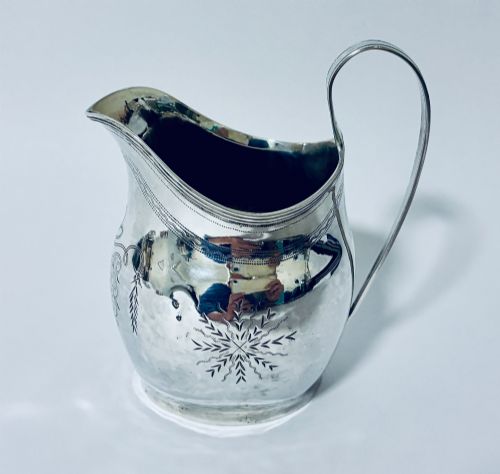
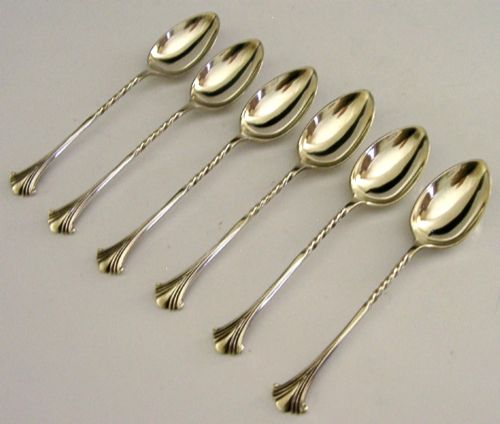
Solid silver tea accessories encompass the smaller implements and vessels designed to assist with the preparation and serving of tea. When handling solid silver tea accessories, buyers frequently encounter caddy spoons, sugar tongs, tea strainers, cream jugs and tea caddies spanning several centuries of British and continental design.
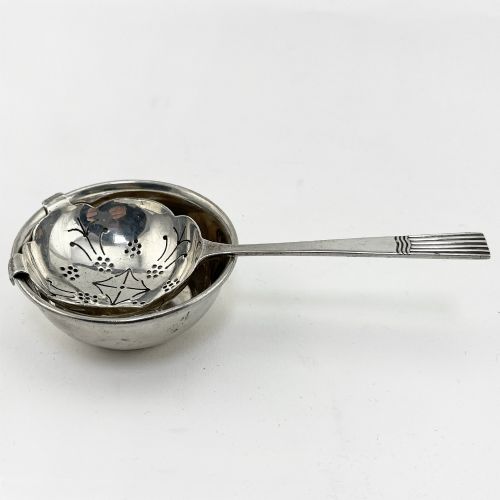
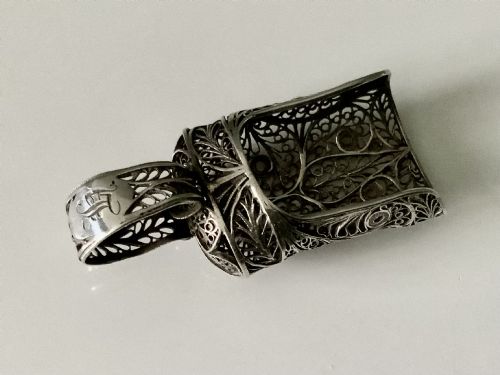
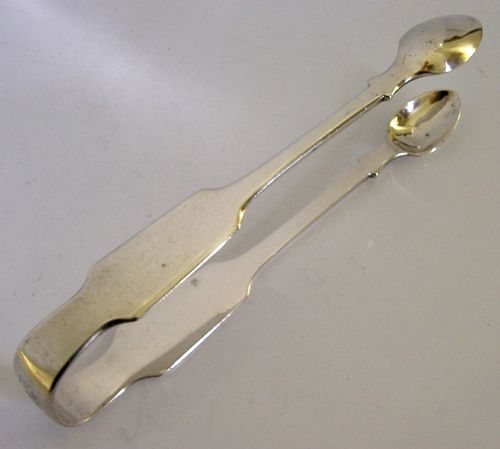
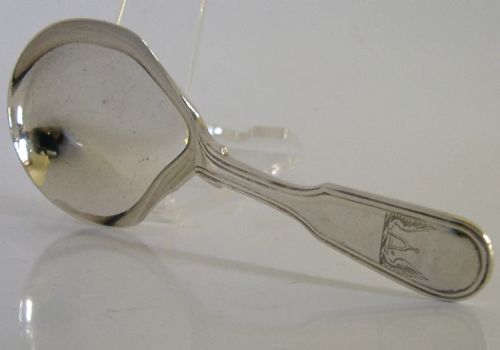
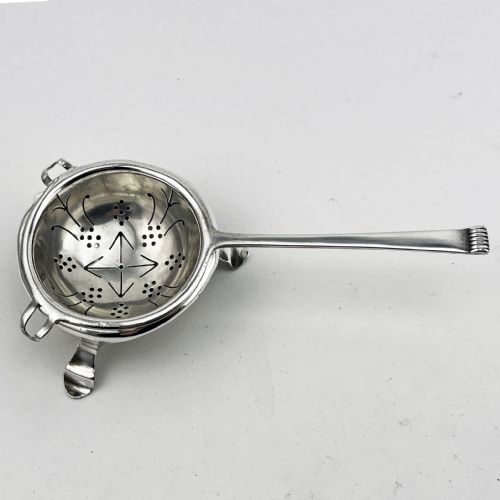
The pieces appearing on this page range from early Georgian mote spoons and cast sugar nips to Victorian naturalistic foliate tongs and geometric Art Deco bridge spoons. Caddy spoons and tongs dominate the selection, offering a tangible link to historical tea-drinking rituals through sterling silver and silver-gilt construction.
Stylistic shifts trace a clear path from the hand-wrought elegance of the eighteenth century through the ornate revivalism of the Victorian era to clean modernist lines. Whether selecting a plain Georgian caddy spoon or an Edwardian tea caddy, each object served a precise domestic function in the parlour.
Quality and execution
Distinction across these items lies in the crispness of the chasing, the weight of the metal and the integrity of the original hallmarks. Superior examples retain sharp definition in engraved or cast decoration, whereas worn pieces exhibit softened edges from decades of use and cleaning.
The balance of a pair of sugar tongs or the spring tension remaining in the metal distinguish standard production from exceptional craftsmanship. Maker attribution also plays a role, with documented silversmiths commanding closer attention for their refined finishing and proportional harmony.
Solid Silver Tea Accessories Retail Price Guide 2026
Typical asking prices for solid silver tea accessories among the pieces listed under this phrase on Sellingantiques today, from the lower quarter to the upper quarter. They describe what is for sale here now, not the wider market.
Early tea drinkers required a sharp point on their mote spoon specifically to unblock tea leaves stuck in the pot spout.
Zimmermann·Wallis·Georg Jensen·George Unite·Josiah Williams & Co·Francis Higgins·Peter Gillois
The Solid Silver Tea Accessories Glossary
- Caddy spoon
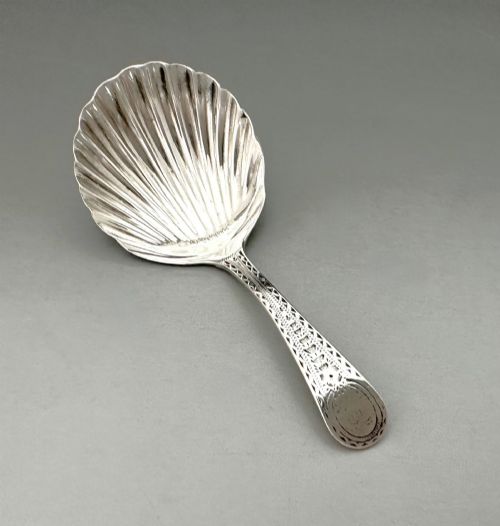
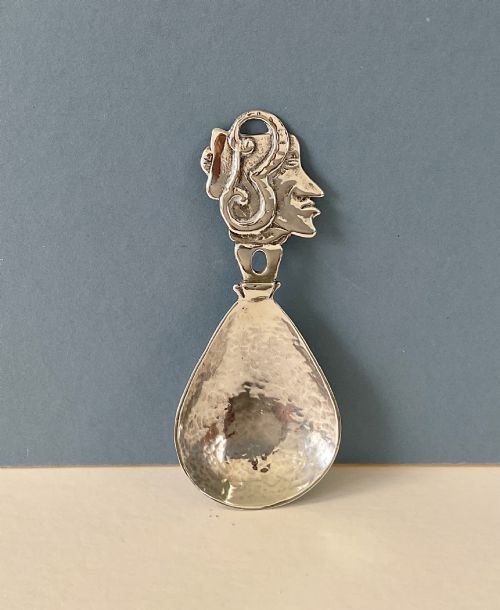
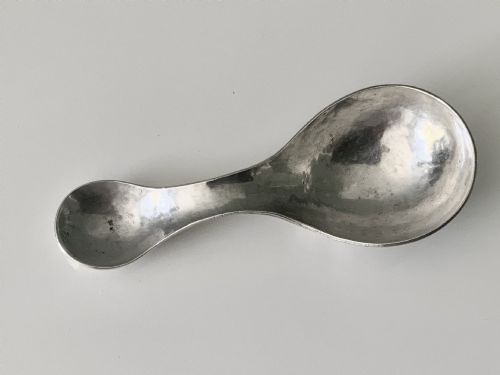
- A short-handled spoon specifically designed for measuring loose tea leaves from a caddy into a pot. These often feature shell-shaped bowls or decorative handles.
- Sugar nips
- Spring-action tongs used for grasping sugar lumps before the widespread adoption of granulated sugar. Early versions frequently incorporate cast scrolling arms.
- Mote spoon
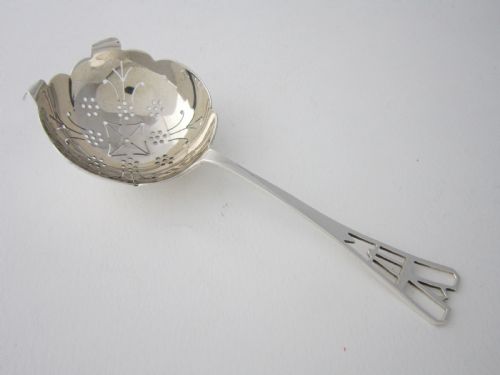
- A slender eighteenth-century implement featuring a pierced bowl for skimming stray tea leaves from a cup and a pointed terminal for clearing the teapot spout. They are characteristic of early tea service.
- Silver-gilt
- Silver that has been coated with a thin layer of gold on its surface, sometimes referred to as vermeil. This technique was frequently applied to the interiors of cream jugs and tea accessories.
- Tea caddy
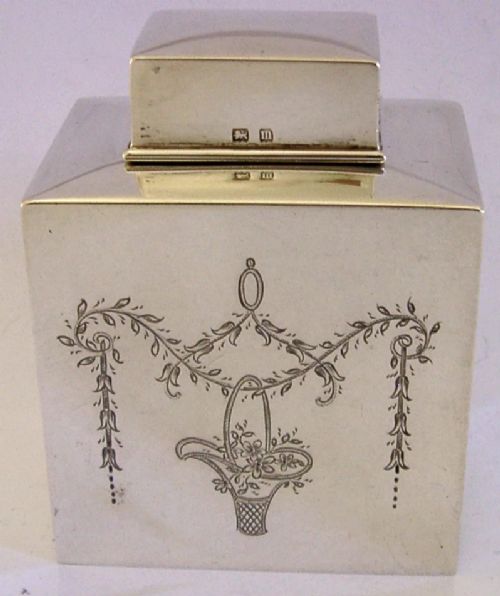
- A box or canister designed to store tea securely under lock and key when tea was an expensive commodity. Surviving examples often use sterling silver or feature fitted shagreen cases.
Solid Silver Tea Accessories: Frequently Asked Questions
What is a mote spoon used for?
A mote spoon is an eighteenth-century implement featuring a pierced bowl designed to strain stray tea leaves from the surface of brewed tea in a cup. The opposite end terminates in a sharp point used to clear clogged tea leaves from the spout of the teapot.
These slender pieces date primarily from the Georgian era and represent an early, specialised facet of the formal tea ritual. Their dual-purpose design makes them particularly distinctive among surviving tableware.
How do I clean antique silver accessories?
Antique silver requires gentle washing in warm water with a mild, phosphate-free soap and drying with a soft cotton cloth. Avoid abrasive dips and aggressive polishes that wear away engraved detail and diminish historical patination.
Storing pieces away from direct sunlight and high humidity helps prevent rapid tarnishing. Regular, light dusting with a microfiber cloth is generally sufficient for maintenance.
What is the difference between sugar tongs and sugar nips?
Sugar nips are earlier, spring-action implements typically featuring cast, scissor-like handles with shaped grips designed for sugar loaves. Sugar tongs developed later into hinged, U-shaped arms with spoon-like or claw terminals.
Both tools served the common purpose of transferring sugar into the cup, but their mechanical construction reflects the changing manufacturing preferences of the eighteenth and nineteenth centuries.
How do I identify the date of a silver caddy spoon?
Dating a solid silver caddy spoon relies primarily on the legible hallmark stamped onto the metal, which includes a date letter corresponding to a specific assay office year. Stylistic indicators, such as shell bowls, bright-cut engraving or modernist geometric forms, also help place the piece within the Georgian, Victorian or Art Deco periods.
Comparing the shape and construction against documented examples from known makers provides further confirmation of the period of manufacture.