




Solid Silver Pitcher
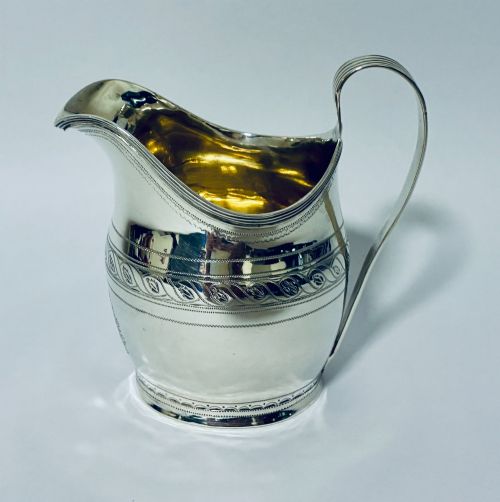
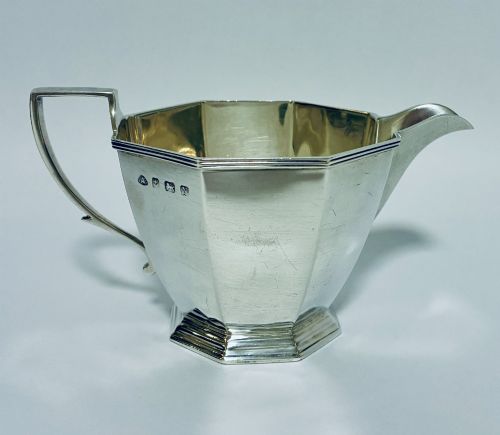
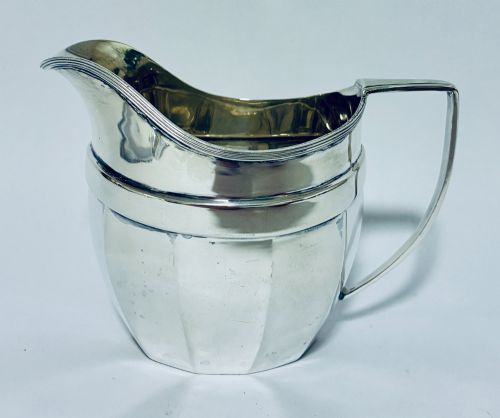
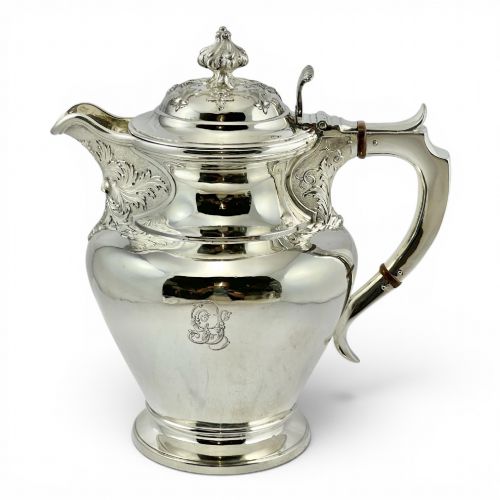
A solid silver pitcher brings substantial metalwork and functional pourers to the table, ranging from simple Georgian creamers to ornate Victorian ewers.
Solid Silver Pitcher
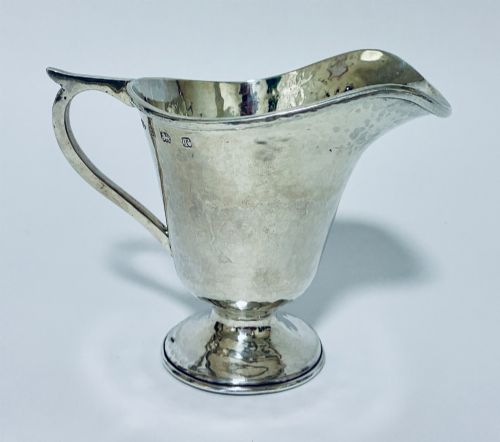
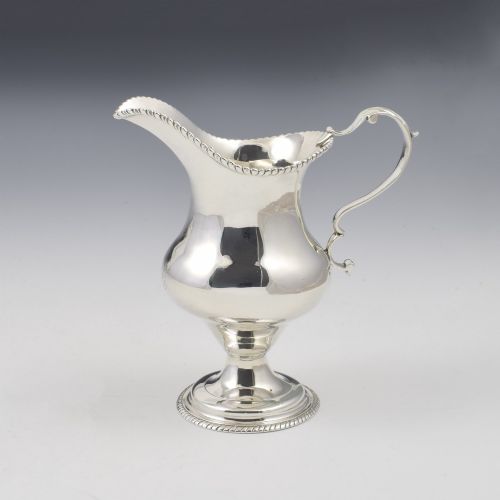
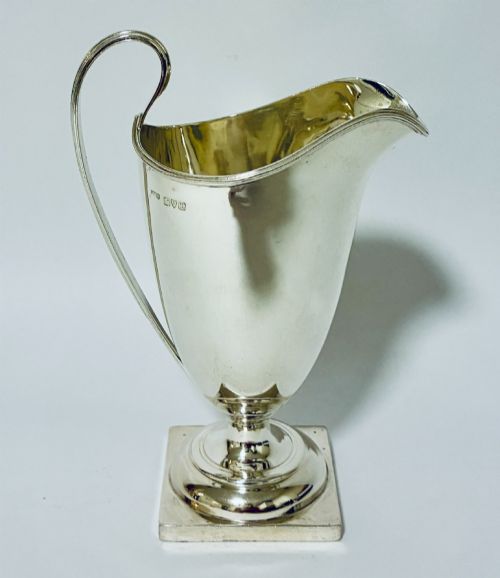
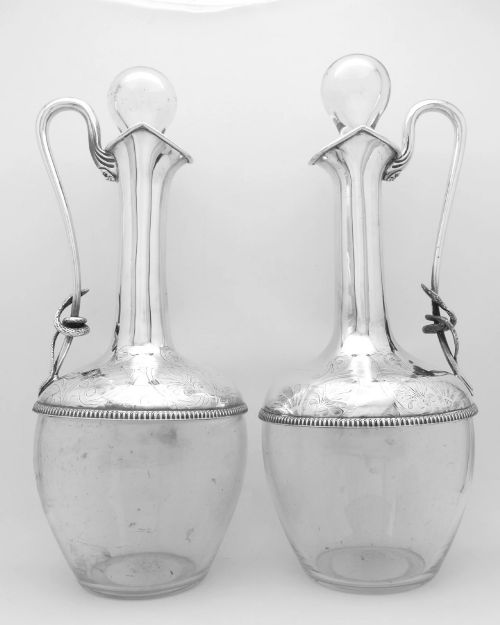
The versions most frequently met here span the 18th, 19th, and early 20th centuries, including styles from the Georgian, Victorian, Edwardian, and Art Deco periods. Forms range from small sparrow-beak creamers and helmet jugs to heavy cut-glass claret jugs mounted in sterling silver.
Makers and origins vary across the inventory, with pieces hailing from English, Scottish, and Irish workshops alongside American smiths. Whether formed as a simple sauce boat or an elaborate pedestal ewer, each piece reflects the prevailing decorative tastes of its manufacturing era.
Materials and construction methods
Silversmiths constructed these pitchers primarily from sterling silver, occasionally incorporating interior gold washes or gilt finishes to protect the metal from acidic contents. Many vessels combine silver with contrasting materials such as cut and engraved crystal glass bodies, wooden handles made of fruitwood or cane, and applied serpents or figural mounts.
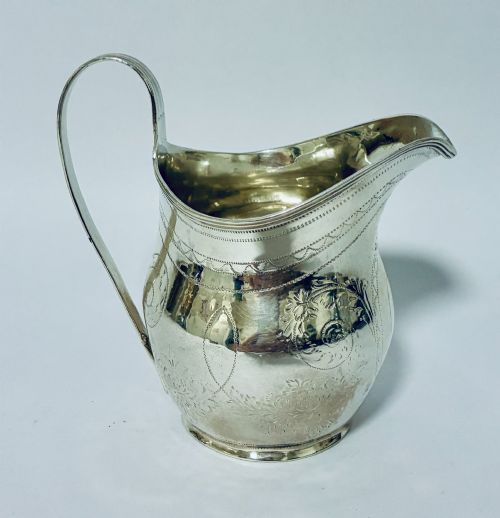
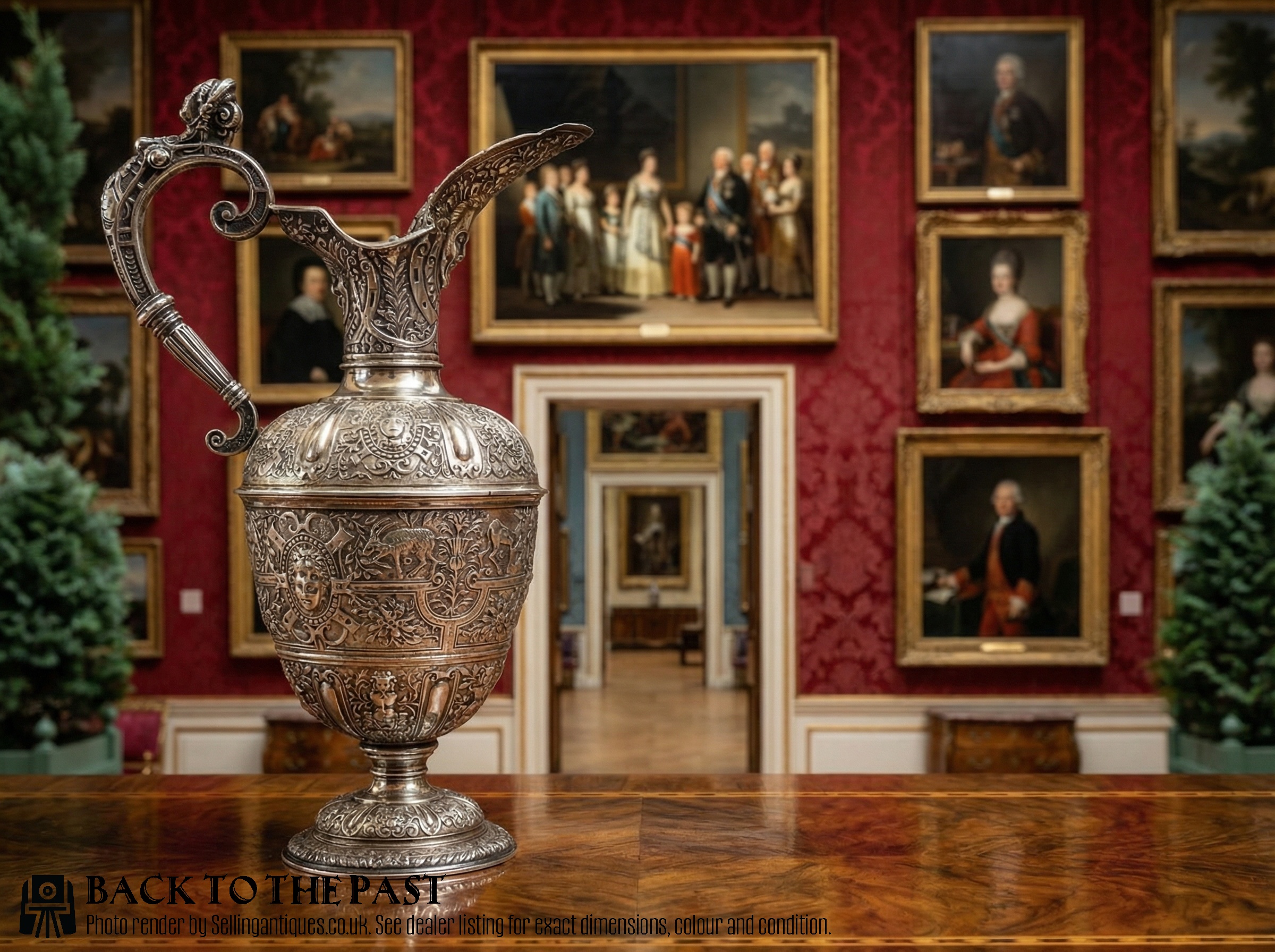
Techniques relied upon traditional hollowware methods, including raising from a flat sheet of silver, casting handles and feet, and securing components with solder. Decoration was achieved through hand chasing, bright-cut engraving, and Celtic-style patterns, creating textured surfaces that catch the light.
Listings for a solid silver pitcher span the Georgian, Victorian, and Edwardian periods, utilising sterling silver, crystal, and wood.
Distinctions in quality
The calibre of a solid silver pitcher depends on the crispness of its hand-chased ornamentation, the weight of the silver used in its construction, and the integrity of any mounted glass or crystal bodies. Superior examples display balanced proportions, clean hallmarks, and finely detailed figural or botanical engravings executed by skilled hands.
Maker attribution also influences standing, as pieces bearing the marks of prominent silversmiths command greater attention from collectors. The preservation of original components, such as matching fruitwood handles and unblemished gilt interiors, separates standard utility items from exceptional works of metalwork.
Stalker and Mitchison·George Unite·Robert Pringle and Sons·William Davenport·Robert Hennell·Robert Garrard·Thomas Smily
The Solid Silver Pitcher Glossary
- Sterling silver
- A silver alloy containing 92.5 percent pure silver and 7.5 percent other metals, usually copper, chosen for durability.
- Ewer
- A large pitcher with a wide spout and a curved handle, traditionally used for holding water or wine.
- Bright-cut engraving
- A surface decoration technique using faceted cuts made with a flat graving tool to create shimmering geometric patterns.
- Sparrow-beak cream jug
- An 18th-century small cream jug featuring a distinctive, protruding small lip resembling a bird beak.
- Gilt
- A thin layer of gold applied to the interior or exterior surface of a silver object, sometimes referred to as gold wash.
Solid Silver Pitcher: Frequently Asked Questions
What is a solid silver pitcher used for?
These vessels were historically created for serving cream, milk, water, lemonade, or claret at the dining table. They functioned both as practical pouring instruments and as decorative display pieces during formal meals.
Today, collectors utilise them for similar serving purposes or integrate them into home displays alongside other antique silver hollowware.
How do I identify a Georgian pitcher?
Georgian pitchers typically exhibit classical Neoclassical lines, helmet shapes, or sparrow-beak spouts, reflecting the design aesthetics of the 18th and early 19th centuries. They often feature bright-cut engraving and balanced, elegant proportions without excessive Victorian ornamentation.
Examining the hallmarks stamped on the metal will confirm the exact assay office and date letter corresponding to the reigns of the Georgian monarchs.
What is the difference between a pitcher and a claret jug?
A pitcher is generally an all-metal vessel designed for milk, water, or cream, whereas a claret jug specifically pairs a glass or crystal body with a silver mount, handle, and hinged lid. Claret jugs were specifically proportioned for serving red wine at dinner parties.
Both forms utilise similar silver-working techniques for their handles and rims, but the presence of a glass body defines the claret jug category.
How do I care for antique silver pitchers?
Care requires gentle cleaning with specialised silver polish and a soft cloth to remove tarnish while preserving the underlying metal and any engraving. Harsh abrasives should be avoided to protect the original surface finish and maker marks.
Storing pieces in a dry environment away from direct sunlight helps prevent rapid tarnishing and protects organic handle materials like wood or cane.