



Renaissance Revival Silver
Renaissance revival silver encompasses striking ornamental pieces drawing inspiration from historic European metalsmithing, offering collectors tangible connections to classical motifs and opulent craftsmanship.
Renaissance Revival Silver
Renaissance revival silver comprises decorative objects, jewellery and tableware produced primarily during the 19th century and the Victorian period. Items in this category borrow heavily from earlier centuries, displaying the ornate detailing associated with historical European design.
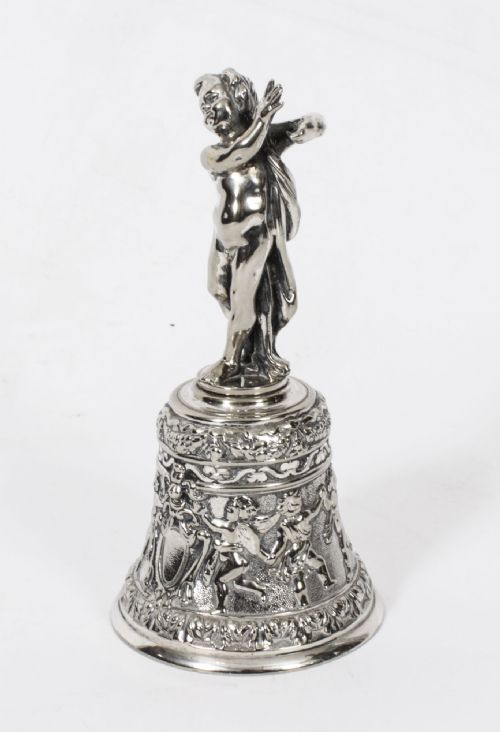
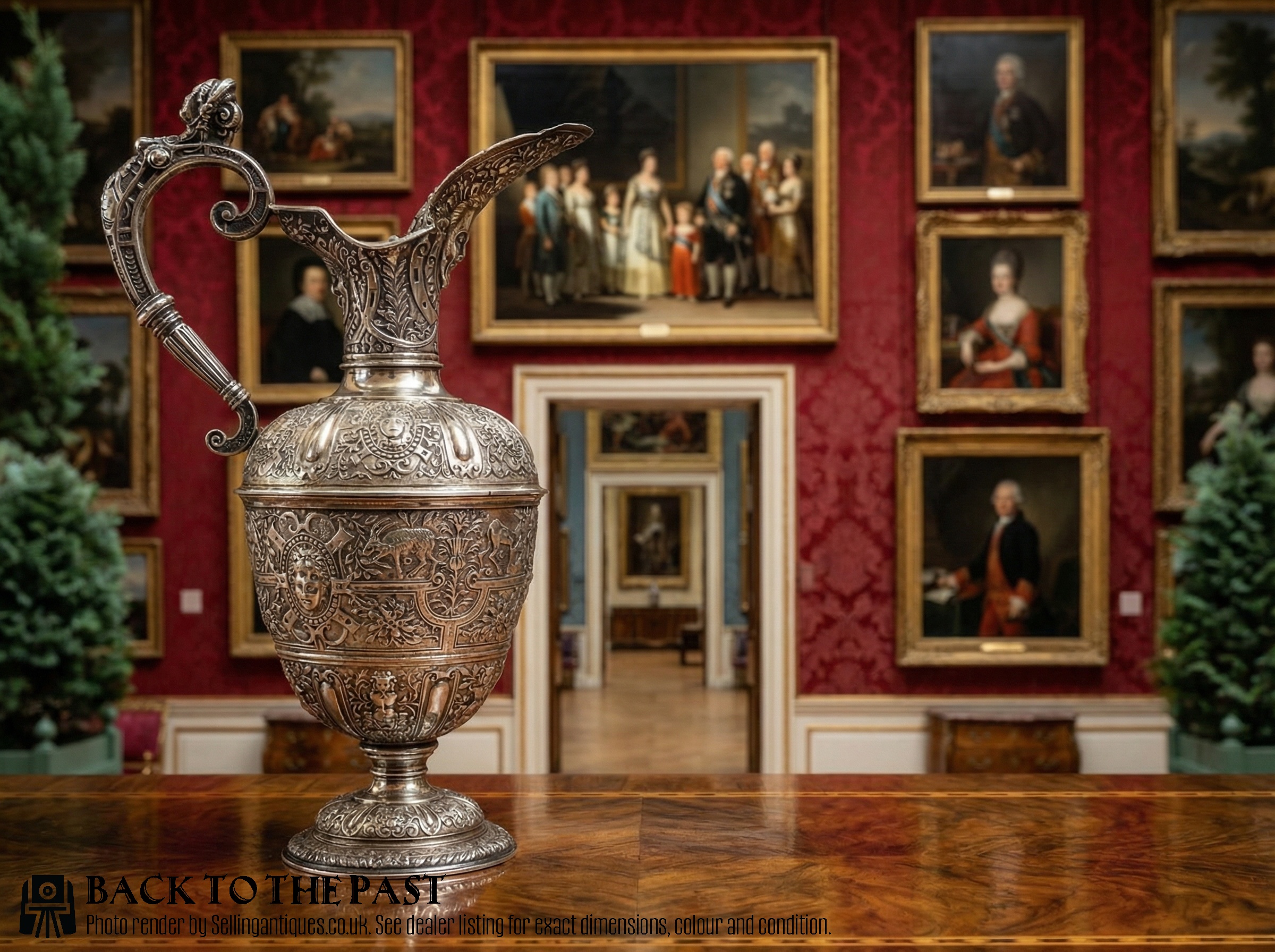
The selections available here range from wearable pieces like pendants, brooches and necklaces to larger decorative items including decorative chargers, ewers, jugs, table boxes and caskets. Austro-Hungarian workshops and French makers contributed significantly to the output seen within these categories.
How they were made
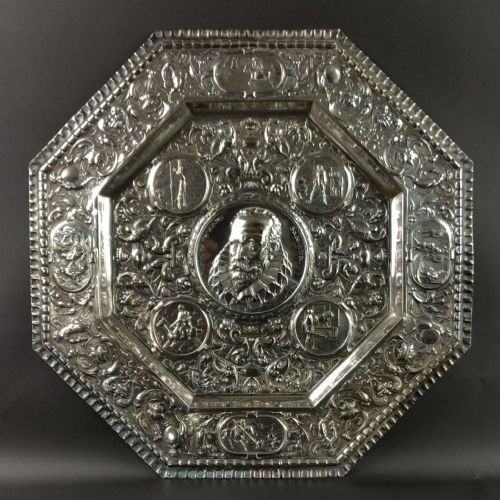
Silversmiths utilised traditional techniques such as repoussé to create high-relief ornamentation on chargers and vessels, pushing the metal from the reverse side to form detailed figurative scenes. Casting and hand-chasing further defined the complex contours of ewers, jugs and boxes.
Many items incorporate applied decorative elements including enamel work, gold appliques and gemstones, set alongside pearls and coral cabochons. Silver gilt and silvered metal finishes provided rich surface coloration, mimicking the sumptuous appearance of Renaissance treasury work.
Materials recorded include enamel, pearl, silver gilt, silvered metal, gemstone, sterling silver and electrotype metal.
What varies in quality
The refinement of the chasing and repoussé work dictates the artistic merit of each piece, distinguishing sharply rendered figurative depictions from simpler surface decoration. The depth and complexity of the metalwork reveal the maker's technical proficiency.
The inclusion and preservation of delicate supplementary materials such as enamel, pearls, cameos and multi-gem settings influence the overall desirability of items like brooches, pendants and table boxes.
The Renaissance Revival Silver Glossary
- Repoussé
- A metalworking technique where the artisan hammers the metal from the reverse side to form a raised design in relief. This method creates expressive figurative scenes on chargers and plaques.
- Silver Gilt
- Silver that has been coated with a thin layer of gold on its surface. This process gives the object a warm, dual-toned metallic appearance.
- Electrotype Metal
- A metal replica created through an electrolytic deposition process. It allowed makers to produce detailed metallic objects using conductive moulds.
- Cabochon
- A gemstone shaped and polished with a smooth, convex surface rather than being faceted. These stones are commonly set into mounts on Austro-Hungarian pieces.
- Wager Cup
- A traditional drinking vessel designed for use in wedding customs and festive challenges. These figures typically depict a human form holding a swinging cup.
Renaissance Revival Silver: Frequently Asked Questions
What is renaissance revival silver?
Renaissance revival silver refers to decorative items and jewellery created in the 19th century that imitate the styles of the 15th and 16th centuries. These works draw upon classical European motifs, incorporating elaborate ornamentation.
Items span various forms including tableware, caskets and wearable ornaments adorned with enamel and gemstones.
How do I date these pieces?
Dating relies on stylistic markers, materials and manufacturing methods characteristic of the 19th century and the Victorian era. Many pieces carry hallmarks or stylistic traits specific to Austro-Hungarian or French workshops.
Examining the integration of stones, enamel work and framing helps establish the period of manufacture.
How should I care for silver gilt?
Silver gilt requires gentle maintenance to protect the delicate gold layer applied over the silver base. Avoid abrasive polishes that can wear away the gilding.
Dusting with a soft cloth preserves both the metallic finish and any applied enamel or pearls.
What were decorative chargers used for?
Decorative chargers served primarily as display pieces rather than functional tableware during the 19th century. Their intricate repoussé scenes celebrated historical figures and classical narratives.
Owners typically exhibited them on sideboards or hung them on walls to showcase craftsmanship.