



Solid Silver Drinking Vessel
A solid silver drinking vessel brings the weight of centuries to the table, and this selection ranges from George III tankards to Edwardian christening mugs.
Solid Silver Drinking Vessel
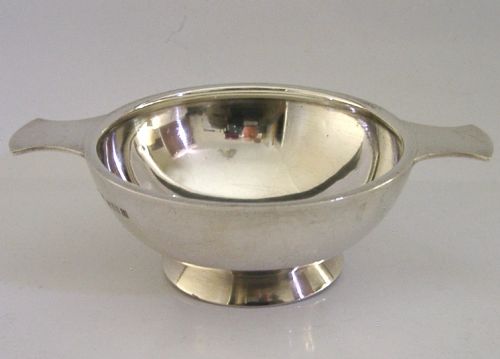
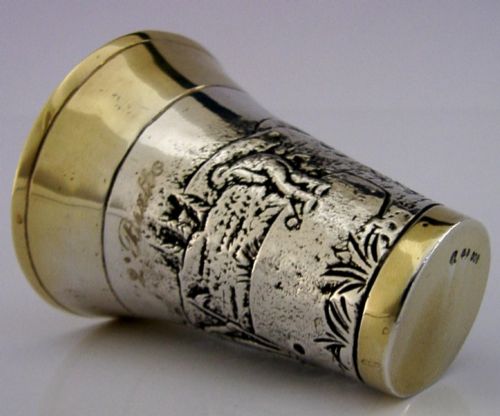
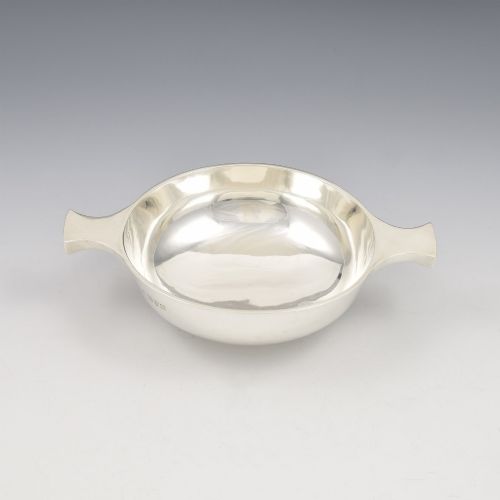
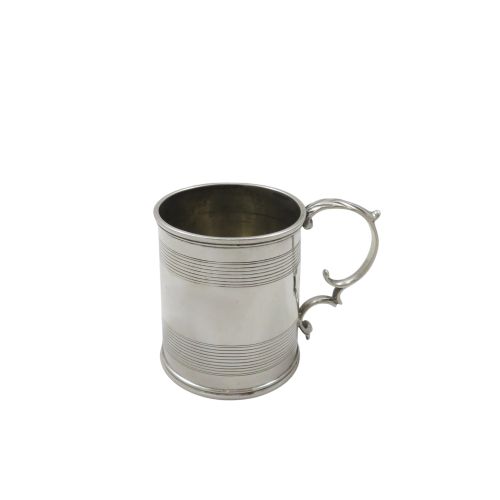
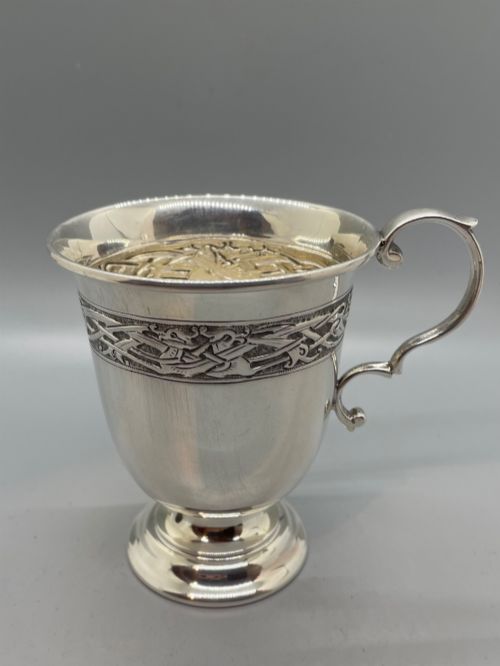
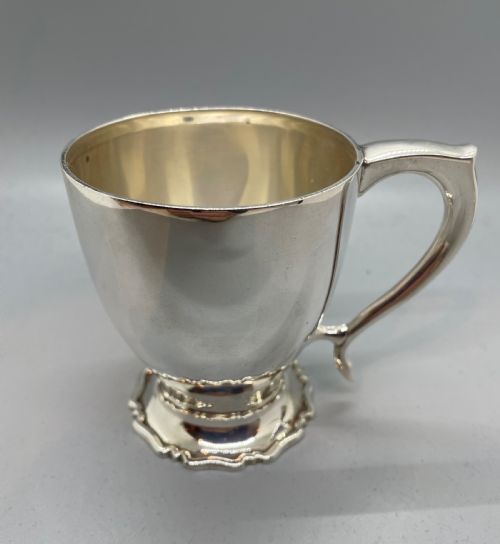
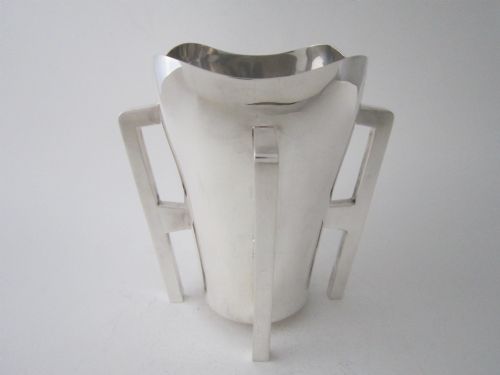
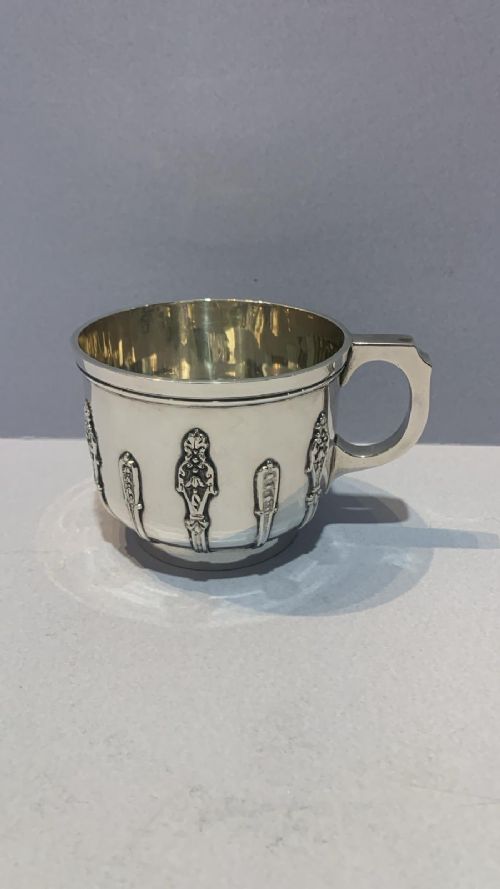
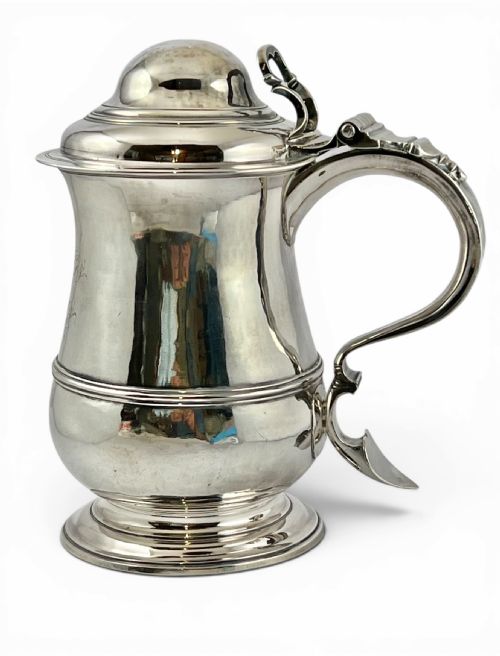
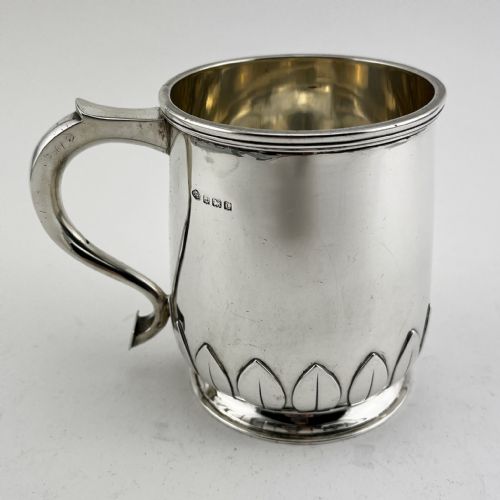
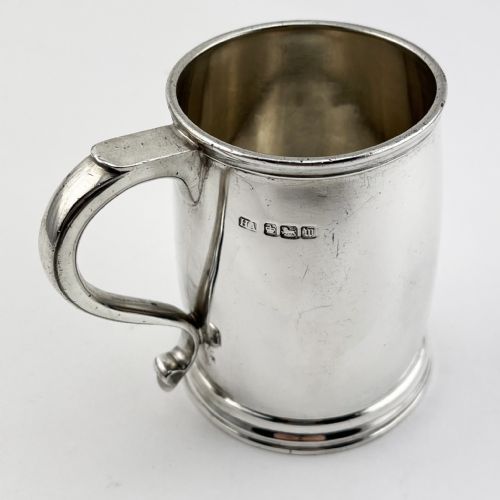
A solid silver drinking vessel encompasses a variety of historical forms designed for both daily use and formal display, including heavy pint tankards, christening mugs, beakers, goblets, and quaichs. When you search for a solid silver drinking vessel, you encounter items shaped by silversmiths across the Georgian, Victorian, and Edwardian periods, alongside continental pieces.
The domestic drinking vessel takes many shapes, from plain-bodied sterling silver pint mugs made in the early twentieth century to lidded Georgian tankards bearing hallmarks from London and provincial assay offices. Smaller items such as child's christening mugs and decorative beakers appear frequently, often marking births or significant milestones.
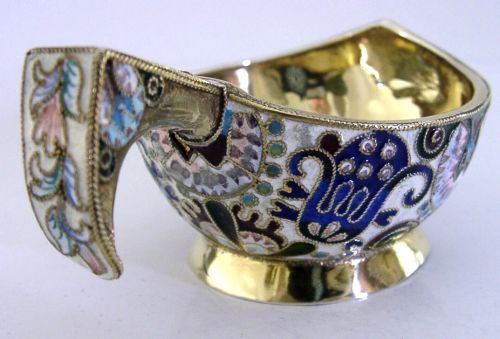
Specialised regional forms also emerge within this category, including Irish methers and Imperial Russian cloisonne enamel kovsh cups. Whether utilitarian or purely decorative, each object relies on precious metal to define its character and utility.
How they were made
Makers shaped these drinking vessels from sterling silver, Britannia standard silver, and 800 silver, sometimes applying parcel-gilt or silver-gilt finishes to the interior surfaces. The combination of heavy gauge metal and traditional hammering or spinning created durable forms capable of holding liquids.
Decorative techniques varied according to period and origin, incorporating engraved inscriptions, cast handles, and applied cloisonne enamel work. Assay office hallmarks stamped directly into the metal recorded the year, town, and standard of purity.
Object types include pint mugs, tankards, christening cups, chalices, and cut-glass tygs alongside traditional quaichs.
What varies in quality
Quality rests on the thickness of the silver sheet, the crispness of the hand-engraved or cast detailing, and the balance of the handle against the body. Earlier Georgian examples often display heavier metal gauges and hand-wrought construction, whilst later pieces showcase precise machine integration and clean, plain surfaces.
The integrity of the hallmarks and the preservation of original gilding or enamelling heavily influence the standing of an individual piece. Makers who maintained deep relief work and secure handle joints produced vessels that endure with distinct visual clarity.
Nathan and Hayes·John Payne·William Eaton·George Ernest Hawkins
The Solid Silver Drinking Vessel Glossary
- Hallmark
- A series of official marks stamped on precious metal items to show the standard of purity, the assay office, and the date of manufacture. These small stamps provide the primary evidence for dating an antique piece.
- Tankard
- A tall, cylindrical drinking vessel with a single handle, frequently fitted with a hinged lid in earlier Georgian iterations. They were traditionally used for ale and beer.
- Quaich
- A traditional two-handled drinking vessel of Scottish origin, shallow in form and used for ceremonial toasts. The design evolved from wooden stave vessels into sterling silver.
- Mether
- A traditional Irish drinking vessel, typically featuring multiple handles for communal passing during gatherings. These wooden or silver vessels hold a distinct place in Celtic revival metalwork.
- Kovsh
- A boat-shaped Russian vessel used historically for drinking or serving mead. They often display elaborate cloisonne enamel decoration over solid silver-gilt.
Solid Silver Drinking Vessel: Frequently Asked Questions
What is a solid silver drinking vessel used for?
These items served various practical and ceremonial purposes throughout history, ranging from daily consumption of ale and wine to marking births with christening mugs.
Collectors today primarily display them as examples of historic silversmithing, though some retain their original utility for formal toasts.
How do I identify the date of a silver mug?
Dating relies heavily on the assay office hallmarks stamped into the metal, which include specific date letters corresponding to the year of testing.
Stylistic indicators such as a plain body versus elaborate repoussé work also point toward specific eras like the Georgian or Edwardian periods.
What is the difference between sterling and 800 silver?
Sterling silver requires a purity standard of ninety-two point five percent pure silver, a proportion common in British manufacturing.
Eighty-hundred silver contains a slightly lower proportion of pure silver and appears frequently in continental European barware and vessels.
How should I clean an antique silver vessel?
Maintenance requires gentle cleaning with non-abrasive cloths and specialised silver polish to preserve the delicate engravings and historic hallmarks.
Avoiding harsh chemical dips ensures that the natural patina and any original parcel-gilt finishes remain intact over time.