






Antique Sterling Silver Drinkware
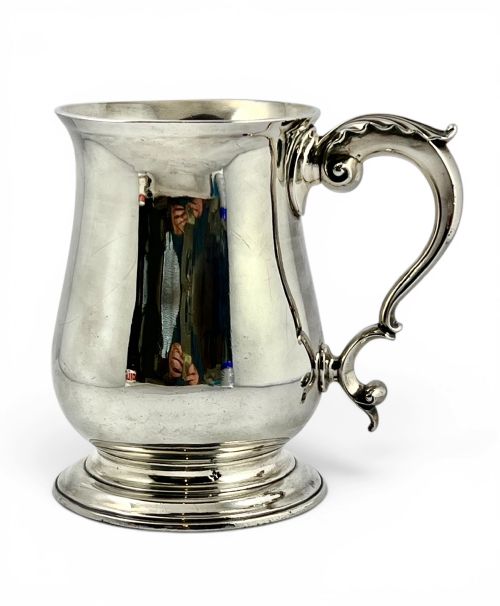
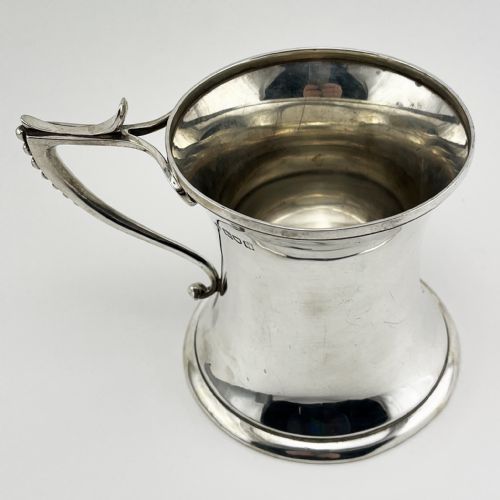
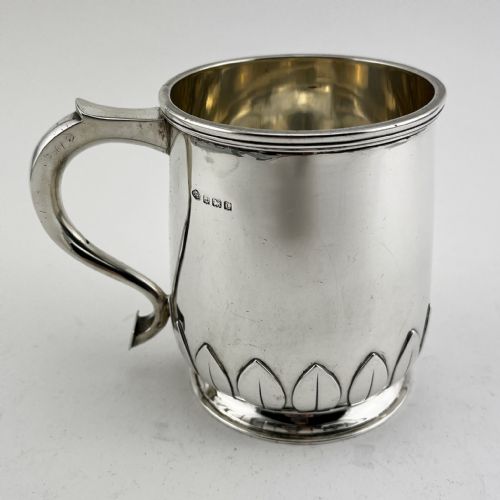
Antique sterling silver drinkware brings substantial metal and centuries of craft to the table, offering sturdy tankards, mugs and goblets made to hold a drink properly.
Antique Sterling Silver Drinkware
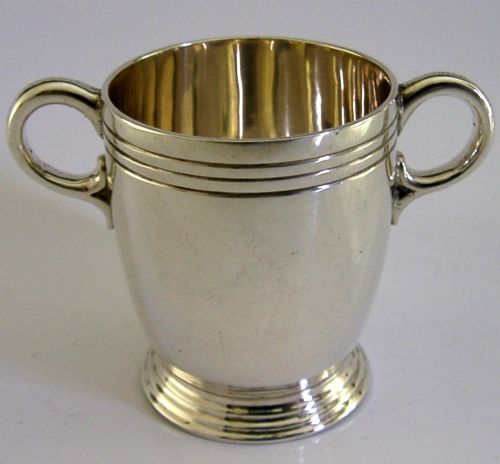
When you search for antique sterling silver drinkware, you encounter pieces designed for practical drinking and hospitality across several centuries. The selection ranges from robust Georgian tankards to lighter Art Deco beakers, each carrying the weight of solid metal.
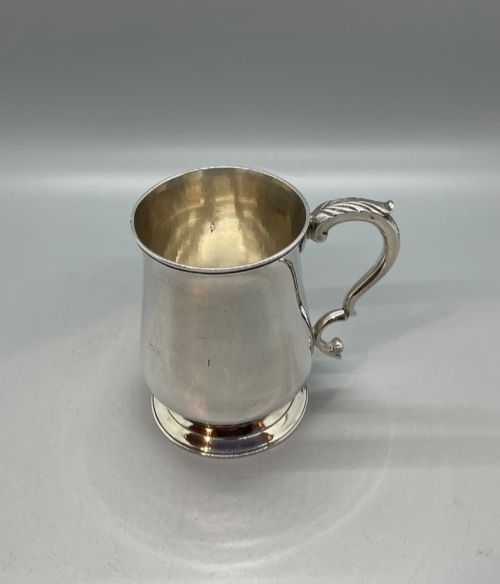
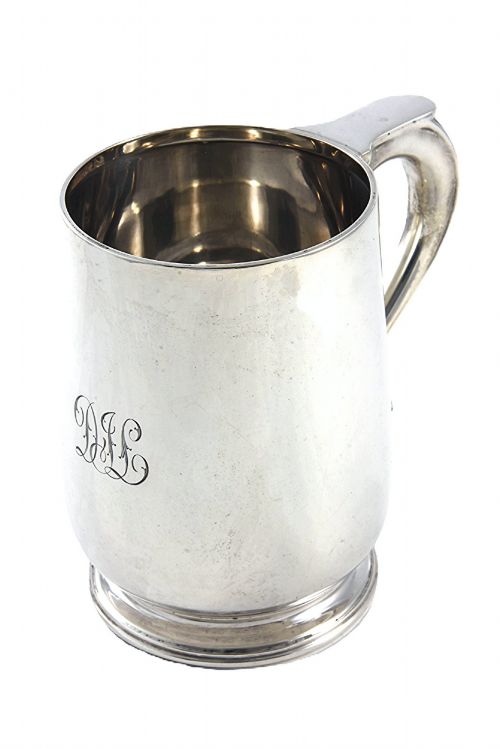
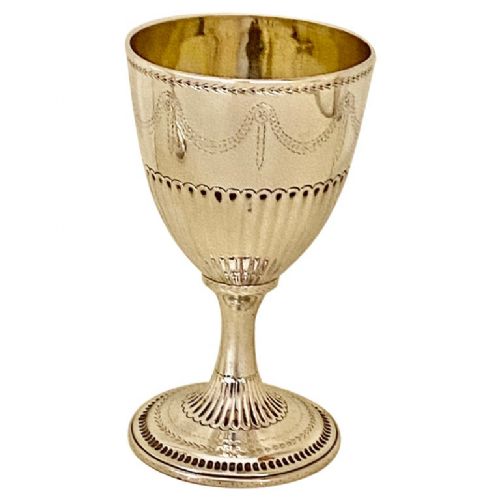
You are most likely to meet pint tankards, mugs and goblets originating from the Georgian and Victorian eras, alongside twentieth-century items. These vessels often feature plain bodies, scroll handles or gilt interiors intended for everyday service or special occasions.
How they were made
Makers shaped these drinking vessels from sterling silver, hammering or casting the metal to achieve sturdy walls and secure bases. Handles were formed separately and attached firmly to the main body to withstand regular lifting.
Some interiors received a thin layer of gold, known as gilt, which protected the silver from acidic contents like wine. Punch marks and town marks were then stamped directly into the metal to certify the purity and origin.
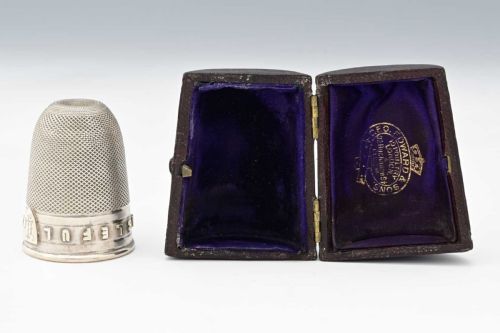
Victorian silversmiths enjoyed a joke, crafting silver tumblers shaped like giant sewing thimbles complete with the motto "just a thimbleful".
What varies in quality
The thickness of the silver gauge largely determines the substance of a piece, separating substantial items from lighter alternatives. Heavier vessels maintain their structural integrity better through centuries of use and cleaning.
Design execution and decorative restraint also set examples apart. Clean lines on a plain body or precise engraving on a goblet reflect the skill of the silversmith, whereas clumsy additions detract from the form.
William Grundy·George Unite
The Antique Sterling Silver Drinkware Glossary
- Tankard
- A tall drinking vessel with a single handle, frequently fitted with a lid or made with a straight or tapered cylindrical body. These pieces were built for substantial volumes of ale or beer.
- Goblet
- A drinking glass or metal vessel on a stem and foot. Silver examples often feature gilt interiors and decorative chasing around the bowl.
- Beaker
- A tumbler or cup with vertical sides and no handle. Spirit beakers and barware versions appear in later twentieth-century styles.
- Gilt
- Gold applied to the surface of another metal such as silver. This finish protects the interior from tarnishing when in contact with certain liquids.
- Novelty silver
- Pieces shaped to resemble everyday objects or animals for humorous effect. Victorian examples often take unconventional forms like thimbles.
Antique Sterling Silver Drinkware: Frequently Asked Questions
Can I use these tankards for drinking?
Many antique silver tankards and mugs remain entirely functional for holding cold beverages. Sterling silver conducts temperature quickly, keeping drinks cool.
Check for any interior gilt wear or previous repairs before use. Acidic drinks should not be left in contact with silver for extended periods.
What is the difference between a mug and a tankard?
Tankards traditionally refer to larger, heavier drinking vessels designed for beer or ale, often featuring straight or slightly tapered sides. Mugs can be smaller and may lack the sheer weight associated with formal tankards.
Both types include a sturdy handle, but tankards historically often accommodated lids, even though surviving examples frequently lack them.
How do I read silver hallmarks?
Hallmarks usually include a standard mark for silver purity, a town mark indicating where the piece was assayed, and a date letter corresponding to a specific year. Makers also stamped their initials into the metal.
Reference books or online assay office registers help match these small stamped symbols to specific decades and regions.