
Solid Silver Caddy
A solid silver caddy brings period weight and bright metal to the tea table, formed in canisters and spoons across centuries of smithing.
Solid Silver Caddy
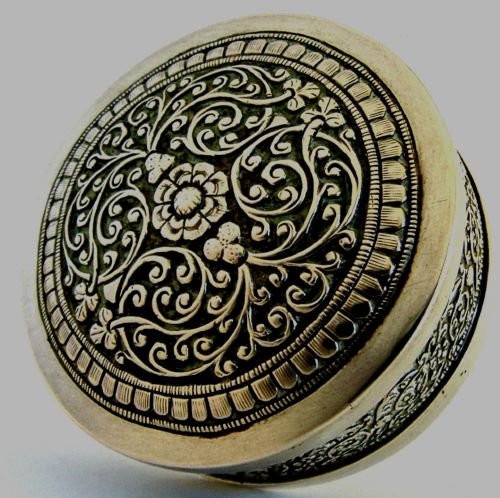
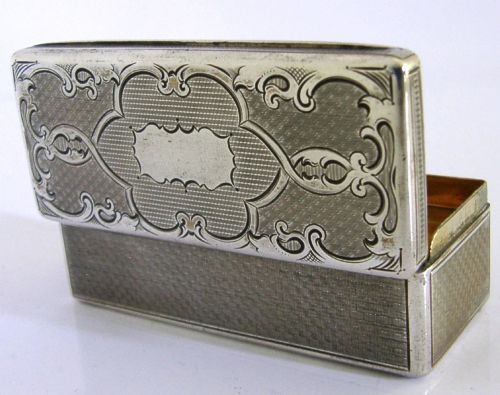
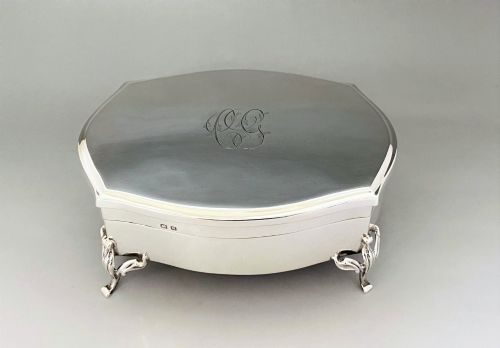
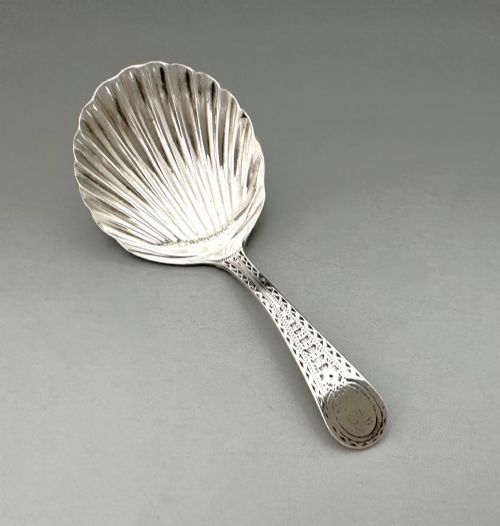
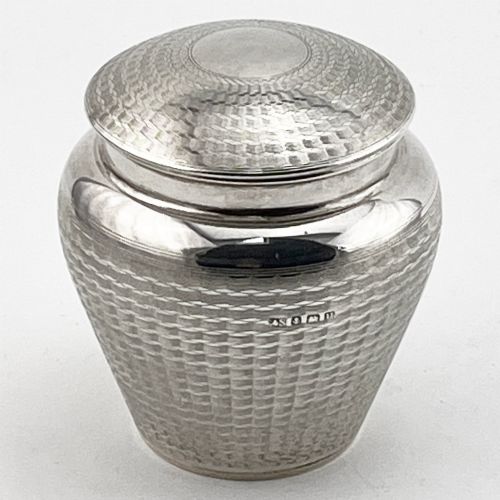
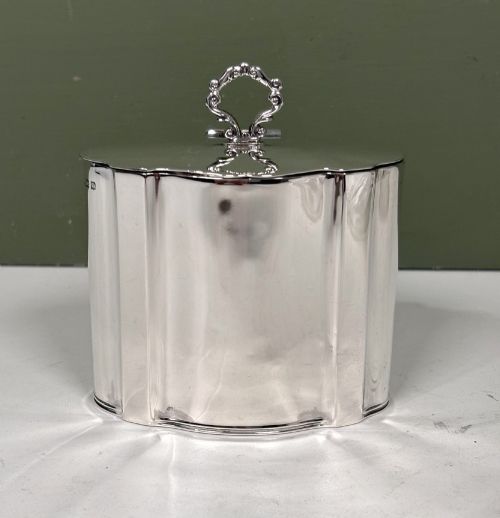
A solid silver caddy encompasses tea canisters, sugar boxes, and specialised spoons designed to measure dry leaf. The selections on this page span Georgian domestic plate through Edwardian vanity and Art Deco utility.
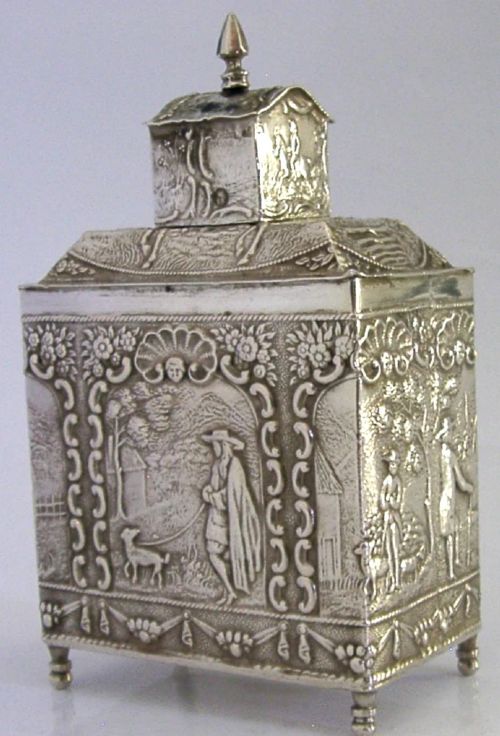
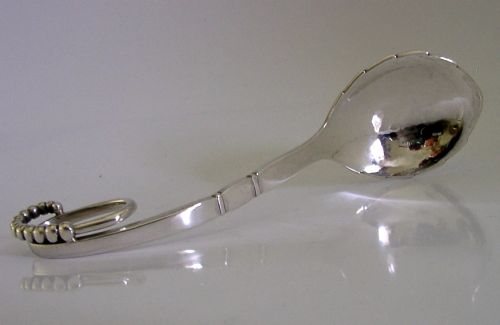
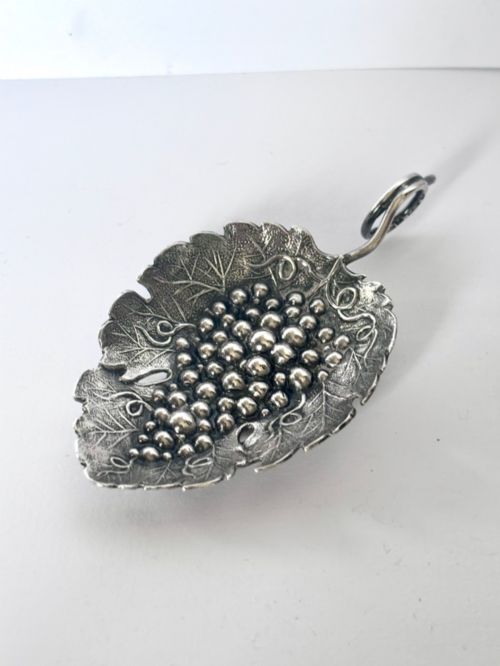
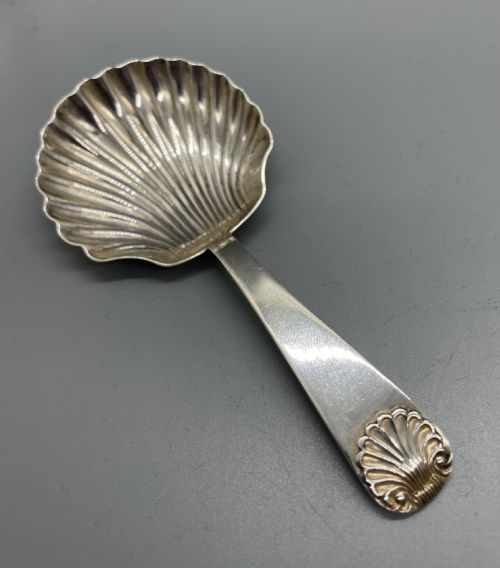
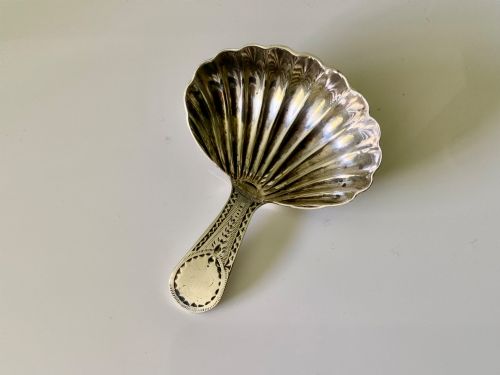
Canisters appear as lidded boxes, knife box forms, and cylindrical vessels alongside small caddy spoons shaped as leaves, shells, and hands. Buyers encounter English assay office hallmarks as well as continental and colonial export silver.
The domestic tea ritual dictated the creation of these containers, which needed tight lids to preserve precious dried leaves. Spoons followed suit, sized precisely to fit the neck of a canister.
How they were made
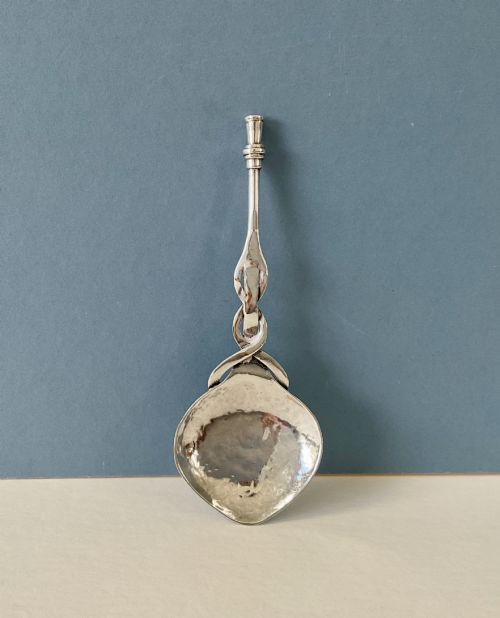
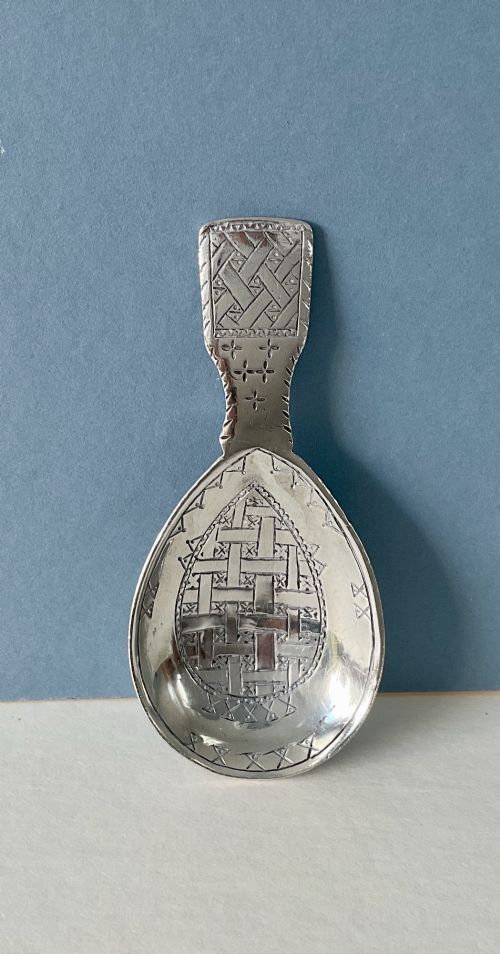
Silversmiths employed sterling silver and higher purity continental grades, shaping metal through hammering, casting, and piercing. Planished surfaces show the deliberate strike of the hammer in Arts and Crafts examples, while Georgian pieces rely on smooth sheet rolling and engraved detailing.
Embossed panels on Dutch and Hanau boxes display intricate repoussé work, pushing metal from the reverse to form figures, scrolls, and landscapes. Cast elements such as lion mask handles and figural spoon terminals add three-dimensional weight to the finished vessel.
Solid Silver Caddy Retail Price Guide 2026
Typical asking prices for solid silver caddy among the pieces listed under this phrase on Sellingantiques today, from the lower quarter to the upper quarter. They describe what is for sale here now, not the wider market.
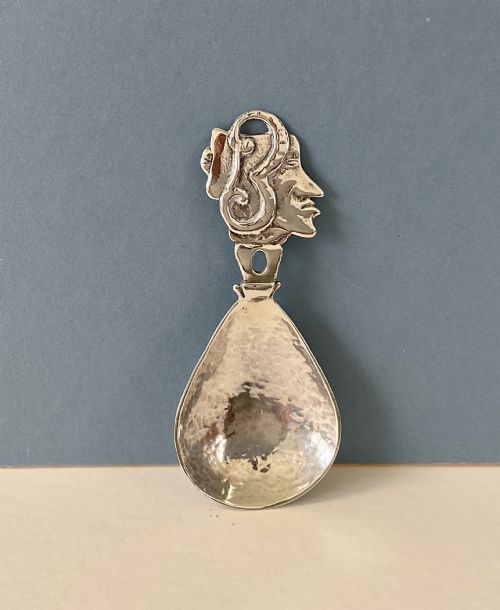
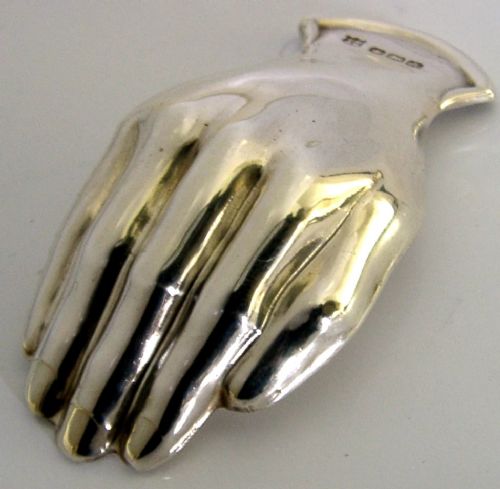
Novelty designs include caddy spoons shaped like human hands, crouching imps, and leaping camels.
What varies in quality
Wall thickness and gauge dictate the physical substance of a box, separating flimsy export items from heavy domestic plate. A substantial weight gives a canister structural integrity and ensures the lid closes with a precise fit.
The clarity of hallmarks and the crispness of chased or engraved decoration define the maker's skill. Sharp lines in vine leaf bowls or deep relief on repoussé panels show an artisan working without haste.
Georg Jensen·Joseph Willmore·Mappin and Webb·Gustav Klingert·Zimmermann
The Solid Silver Caddy Glossary
- Hallmark
- Official marks stamped into precious metals indicating the standard of purity, the assay office, and the date of manufacture. These small depressions provide a secure historical record for collectors.
- Repoussé
- A metalworking technique where the artisan hammers metal from the reverse side to form a raised design on the front. Fine chasing then sharpens the details from the exterior.
- Planished
- A surface texture created by light, overlapping hammer blows that leave a subtle, matte facet pattern. This technique appears frequently on Arts and Crafts silver.
- Caddy spoon
- A short-handled spoon specifically proportioned for scooping tea from a canister into a pot. Bowls often take naturalistic forms such as shells, leaves, or hands.
- Sterling silver
- An alloy consisting of pure silver and other metals, usually copper, standardised at a specific fineness for durability. British sterling carries the lion passant mark.
Solid Silver Caddy: Frequently Asked Questions
What is a solid silver caddy?
A solid silver caddy is a container made from precious metal created to store dry tea leaves safely away from light and air.
These vessels range from small desktop boxes to large canisters with sliding bottoms or hinged lids.
How were caddy spoons used?
Caddy spoons served to measure loose tea leaves from the storage canister directly into the ceramic teapot.
Their short handles and shallow bowls allowed them to sit neatly inside the container or on top of the tea caddy tray.
How do I date a silver caddy?
Dating relies primarily on the stamped hallmarks showing assay office symbols, maker marks, and date letters.
Stylistic cues such as Georgian engraving or Art Deco geometry also help place the piece within a specific period.
Are these pieces made of solid silver?
The listings comprise solid silver and sterling standards rather than plated base metals.
Heavier items often include gram weights in their descriptions to reflect the physical amount of precious metal used.