


Indian Silver Box
When you handle an indian silver box, you touch tangible pieces of nineteenth and twentieth-century craftsmanship carrying intricate regional motifs.
Indian Silver Box
An indian silver box encompasses a wide variety of functional vessels, including small trinket containers, card cases, tea caddies, and lidded jars designed for domestic use.
Makers shaped these containers during the nineteenth and twentieth centuries, often within specific regional traditions associated with colonial periods and local artisan guilds.
Buyers frequently encounter pieces displaying styles described as Anglo-Indian, Kutch, or Ceylon, reflecting distinct local interpretations of decorative metalwork.
Assessing Quality
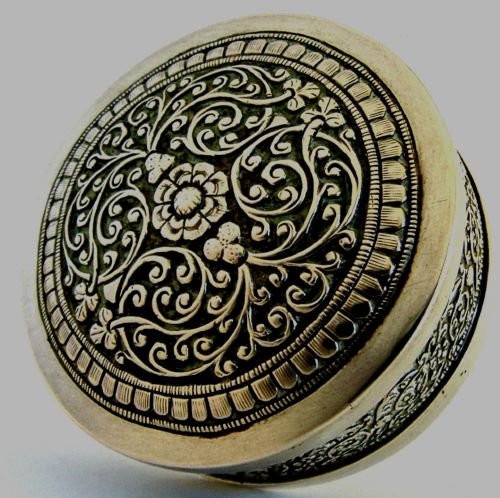
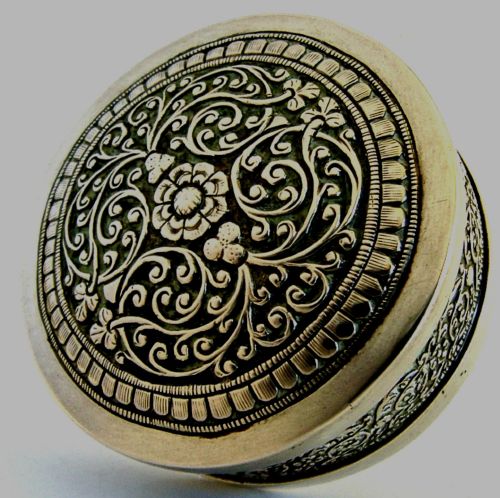
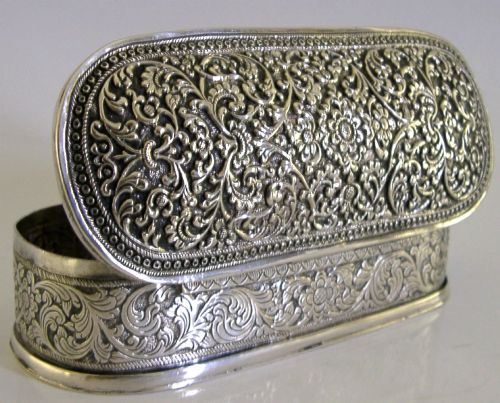
The distinction between standard examples and superior pieces rests entirely upon the depth and clarity of the chased or repoussé decoration covering the surfaces.
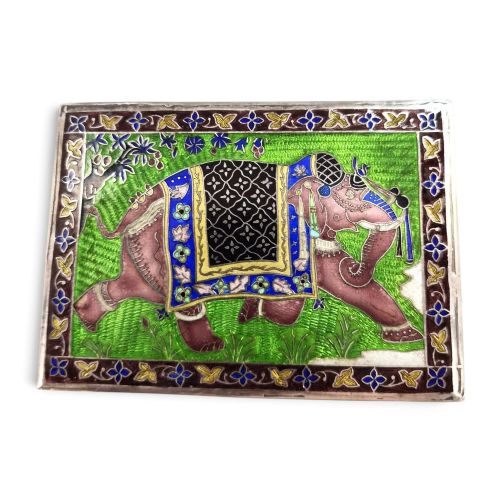
Heavier silver weight and the integration of natural gemstones or detailed enamel work separate standard utilitarian containers from exceptional collector items.
Indian Silver Box Retail Price Guide 2026
Typical asking prices for indian silver box among the pieces listed under this phrase on Sellingantiques today, from the lower quarter to the upper quarter. They describe what is for sale here now, not the wider market.
Materials documented across these listings include solid silver, sterling silver, enamel, wood, lacquer, and inset quartz or agate.
The Indian Silver Box Glossary
- Repoussé
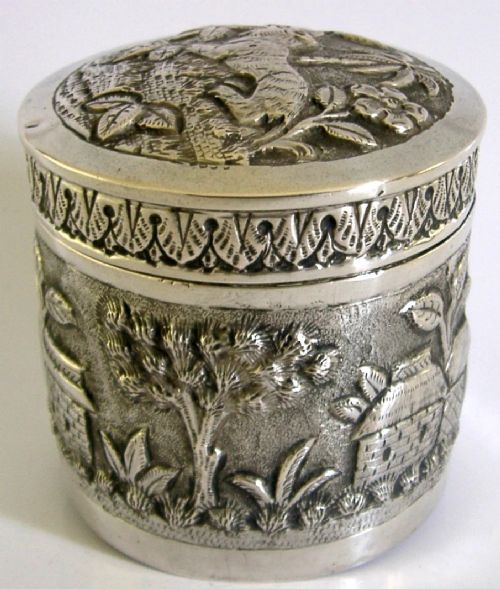
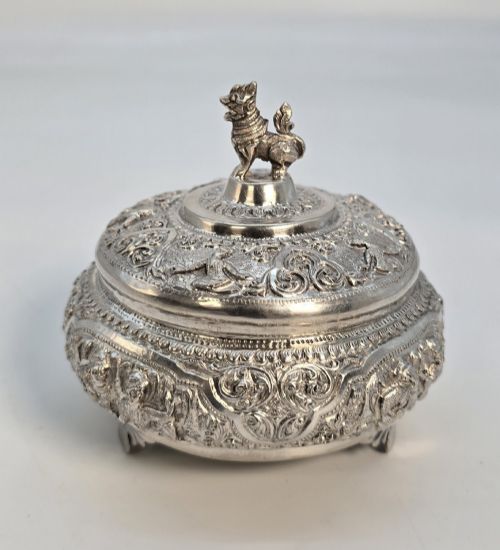
- A metalworking technique where an artisan hammers the design from the reverse side to form a raised relief on the front. This method creates the three-dimensional village scenes and animal figures seen on many containers.
- Pandan
- A traditional box utilised for holding betel nut leaves and spices. These lidded vessels often feature elaborate bird terminals or divided interior compartments.
- Tea caddy
- A lidded container originally designed to store loose tea leaves securely. Examples from the colonial period frequently feature substantial silver weight and tight-fitting lids.
- Kutch
- A distinct regional style of Indian silverwork known for dense, intricate foliage and animal motifs. Pieces from this area typically display exceptional mastery in background texturing.
Indian Silver Box: Frequently Asked Questions
What were these silver boxes used for?
Owners historically utilised these containers to store personal valuables, cards, tobacco, or betel nuts within domestic settings.
Many specific vessel forms were tailored for particular household duties, ranging from desk accessories to tea storage.
How can I tell the regional styles apart?
Regional variations reveal themselves through distinct decorative motifs, such as dense Kutch foliage or specific animal terminals.
Examining the background texturing and the subjects of the repoussé work helps identify the likely place of origin.
Are these containers made of solid silver?
Most recorded examples consist of solid silver, sterling grade, or high-grade metal, though occasional pieces incorporate wooden elements.
Weight and hallmarks, where present, assist in determining the exact material composition of individual vessels.
How do I care for antique silver boxes?
Gentle dusting with a soft cloth preserves the intricate repoussé details without damaging the aged patina of the metal.
Avoiding harsh chemical dips protects inlaid stones like agate and delicate enamel highlights from unnecessary wear.