
Solid Oak Wooden Chairs
Solid oak wooden chairs are heavy seating built to last centuries, combining robust timbers with honest country and formal designs.
Solid Oak Wooden Chairs
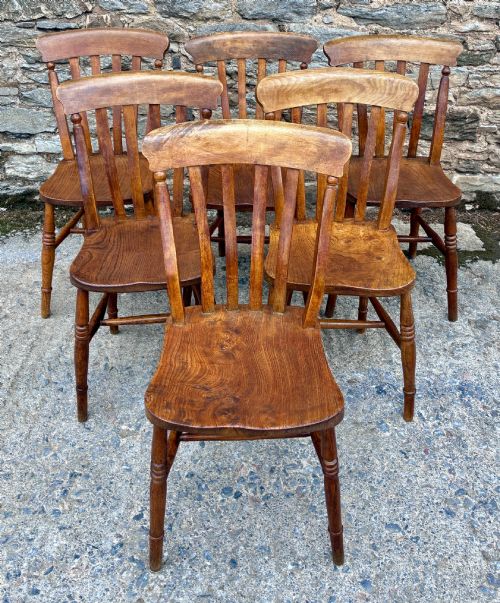
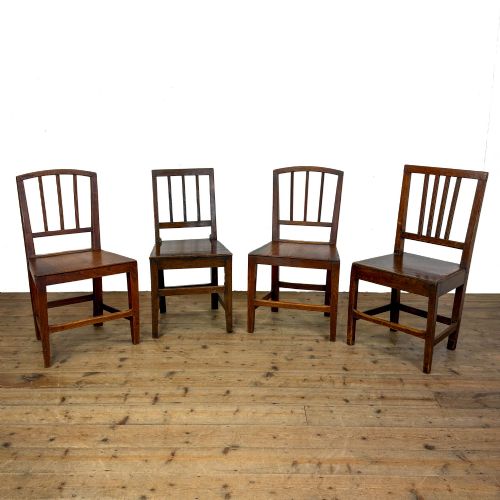
Solid oak wooden chairs span multiple centuries of domestic and institutional use, featuring heavily in domestic dining rooms, hallways, and studies. The selection ranges from formal 17th-century wainscot armchairs to 19th-century hall seats and country kitchen Windsor chairs.
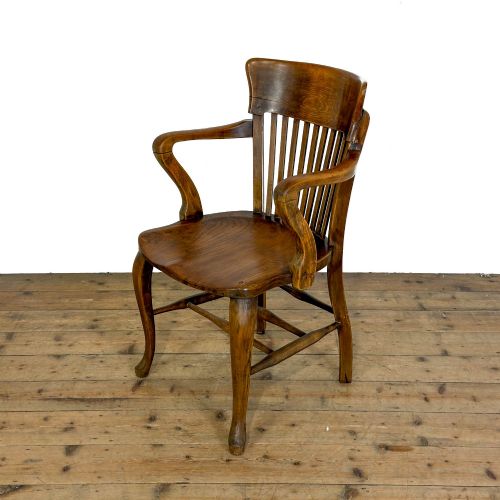
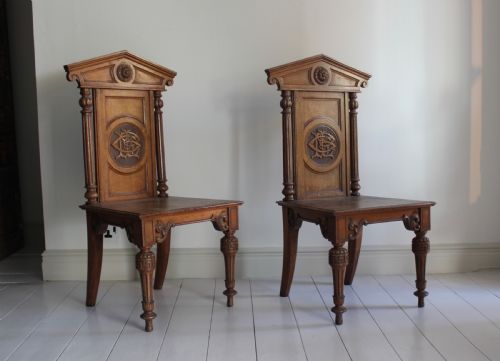
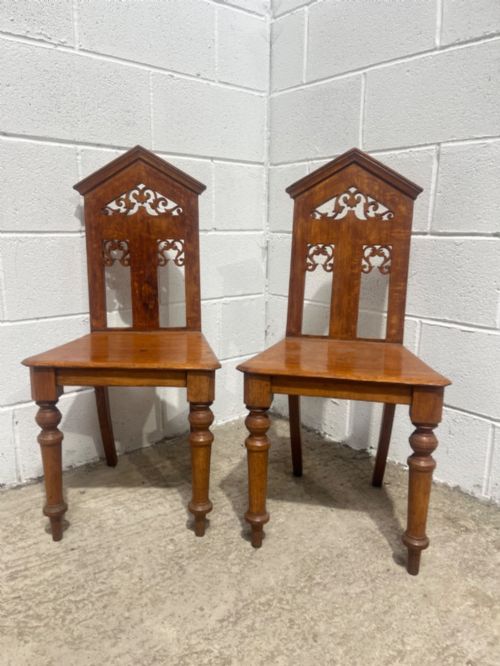
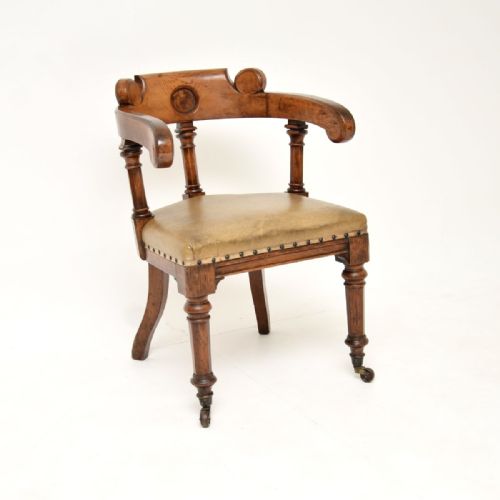
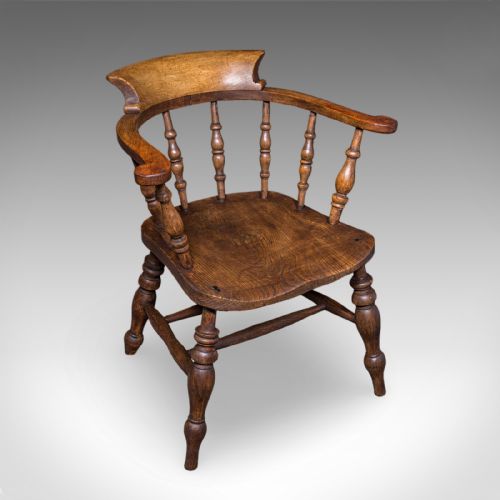
Buyers most frequently encounter 19th-century interpretations, including Victorian Gothic Revival hall chairs and Edwardian smoker's bows. These pieces often incorporate elm, beech, or ash alongside the primary oak timber, reflecting traditional regional English and Scottish vernacular furniture making.
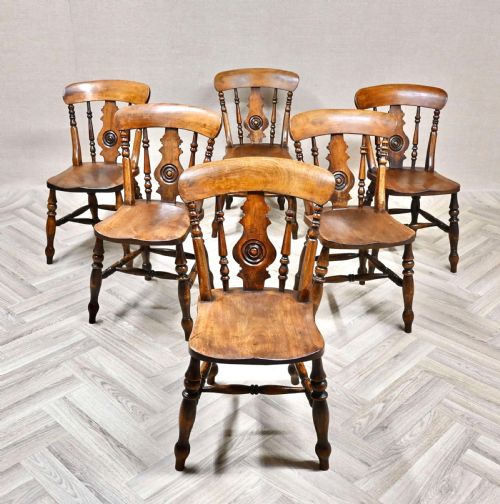
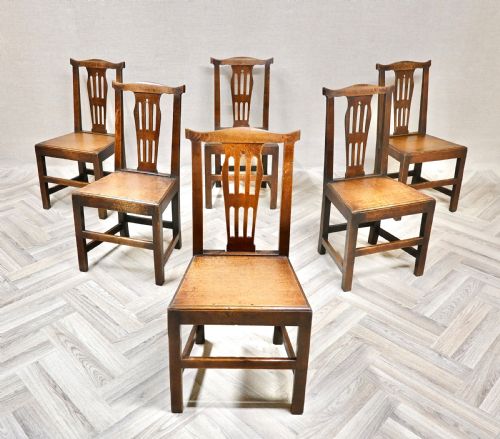
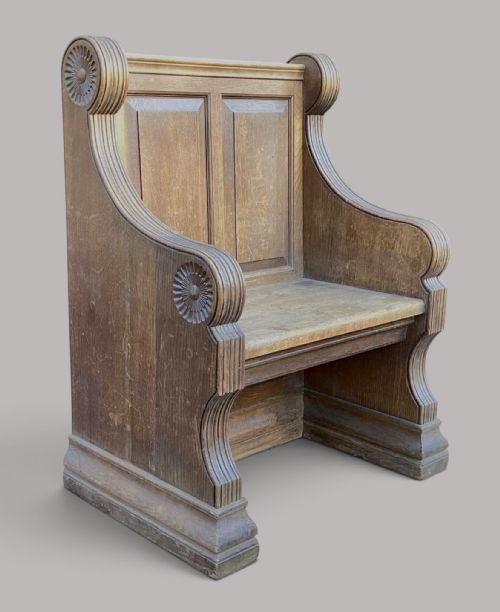
Form follows function across the selection, dividing neatly into upright dining chairs, supportive desk chairs, and architectural hall seating. Sets of six and harlequin groupings appear alongside singular armchairs and settles with storage compartments.
Materials and Construction
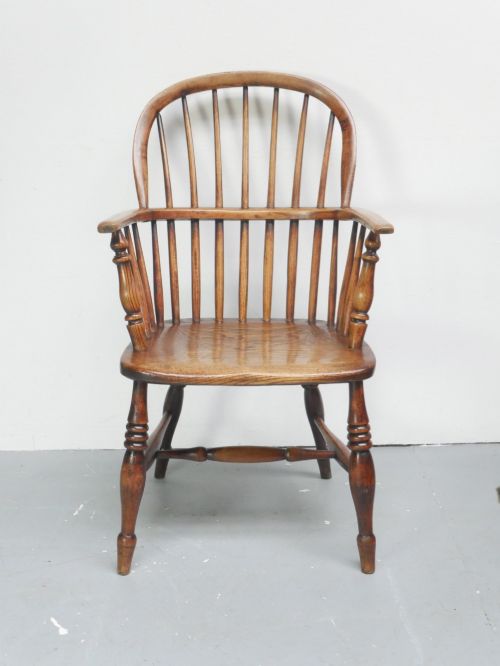
Cabinet makers utilised dense native timbers such as oak, elm, and beech, selecting each wood for its specific structural properties. Oak provided the heavy, durable framework for wainscot and hall chairs, while flexible elm and ash suited steam-bent Windsor bows and saddle seats.
Joinery relied on traditional pegged mortise and tenon joints, panel back constructions, and solid wood turnings without relying on modern adhesives. Surfaces were frequently hand-carved, panelled, or left with a waxed finish that developed deep patination over generations of handling.
The listings span eight distinct periods, stretching from the 17th century through to 1920.
Judging Quality and Craftsmanship
Quality rests upon the integrity of the timber selection and the retention of original structural members rather than subsequent restorations. Pieces cut from quartersawn oak exhibit superior figure and stability, resisting the warping that affects lesser boards over time.
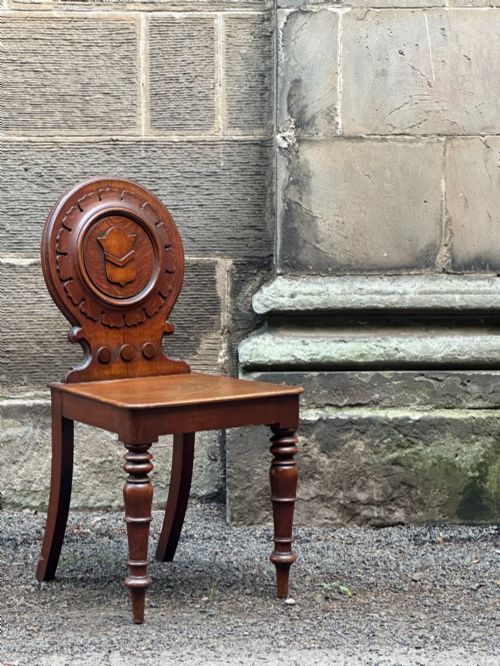
The crispness of hand-carving on shield backs and Gothic tracery distinguishes superior workshops from provincial production. Original surface patination and honest wear indicate a long history of careful preservation, setting apart pieces that retain their untouched character.
The Solid Oak Wooden Chairs Glossary
- Wainscot armchair
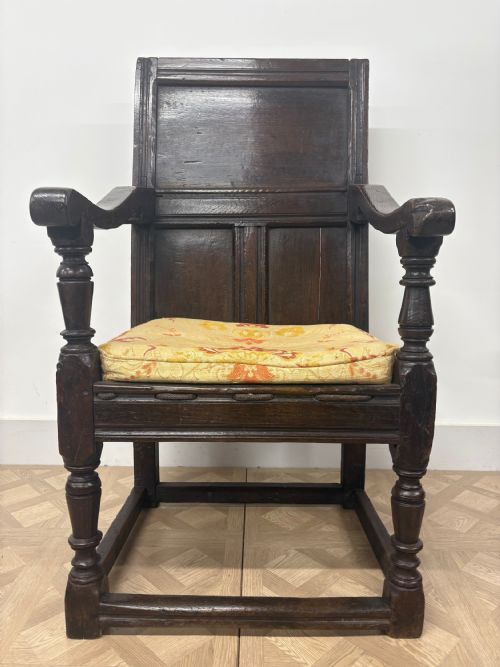
- A heavy, panel-backed wooden chair from the 17th century, constructed primarily from solid oak with turned front legs and arm supports.
- Windsor chair
- A chair built with a solid wooden saddle seat into which the legs and back spindles are separately bored and wedged.
- Sgabello
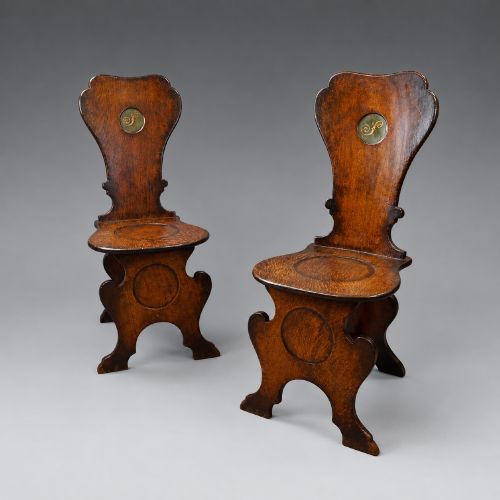
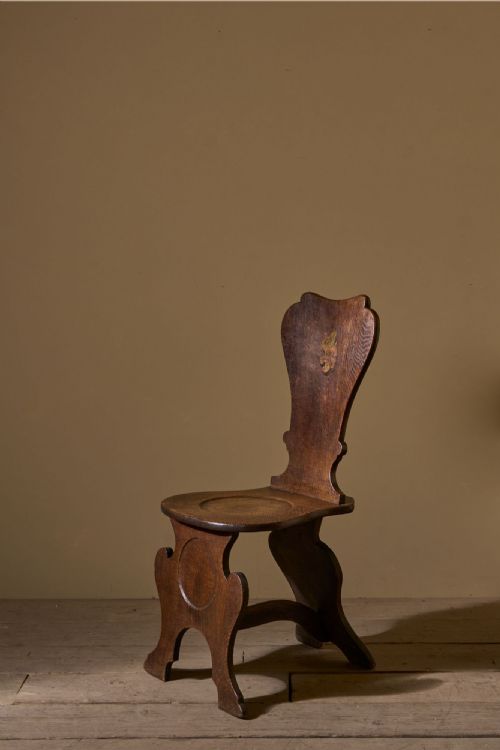
- A Renaissance-form hall chair featuring solid vertical sideboards or trestle supports instead of conventional legs, popular during the 19th-century Gothic Revival.
- Smoker's bow
- A low-backed Windsor elbow chair with a rounded rail sweeping around the upper arms, often used in studies and smoking rooms.
- Harlequin set
- A collection of chairs that share similar periods, styles, or materials while varying slightly in individual detail, gathered together as a matching dining set.
Solid Oak Wooden Chairs: Frequently Asked Questions
How do I identify a 17th-century wainscot chair?
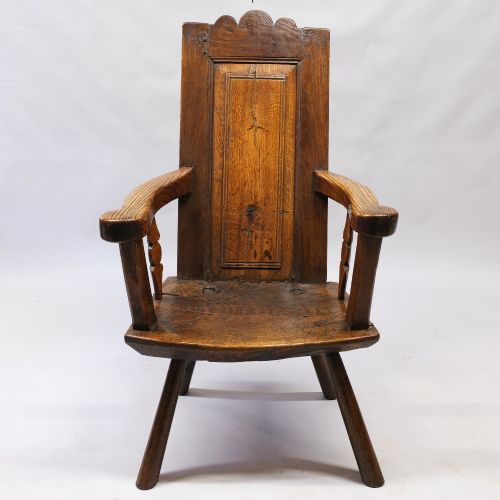
Seventeenth-century wainscot chairs feature rigid panelled backs, heavy oak framing, and pegged joinery. They stand out through their austere architectural proportions and absence of upholstery.
These armchairs often display simple carved ornamentation along the top rail and heavy armrests supported by turned columns. Their timber weight and deep patination clearly separate them from later revival pieces.
Are hall chairs meant for everyday dining?
Hall chairs were originally designed for entrance halls rather than dining tables, serving as stationary seating for visitors waiting in reception areas. They usually lack upholstered pads.
Most examples feature rigid wooden seats and decorative timber backs bearing crests or carved shields. Using them for long periods at a dining table requires adding loose cushions for comfort.
How should I care for antique oak chairs?
Antique oak chairs require stable indoor humidity levels to prevent the solid timber from drying out and splitting. Keep them away from direct heat sources and radiators.
Applying a traditional beeswax polish occasionally helps nourish the wood surface and maintain its natural lustre. Avoid modern silicone sprays, which can permanently damage the historic patination.