
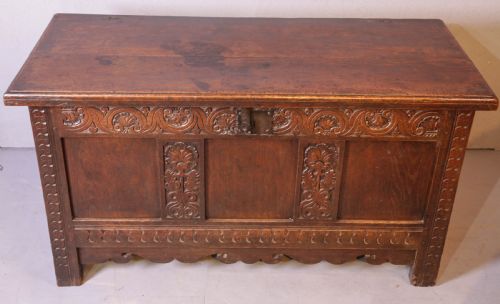

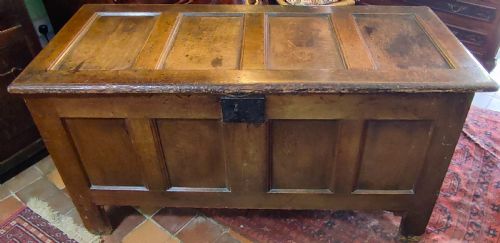

Solid Oak Trunk
A solid oak trunk brings centuries of robust utility into a modern room, offering heavy-timbered storage shaped by time.
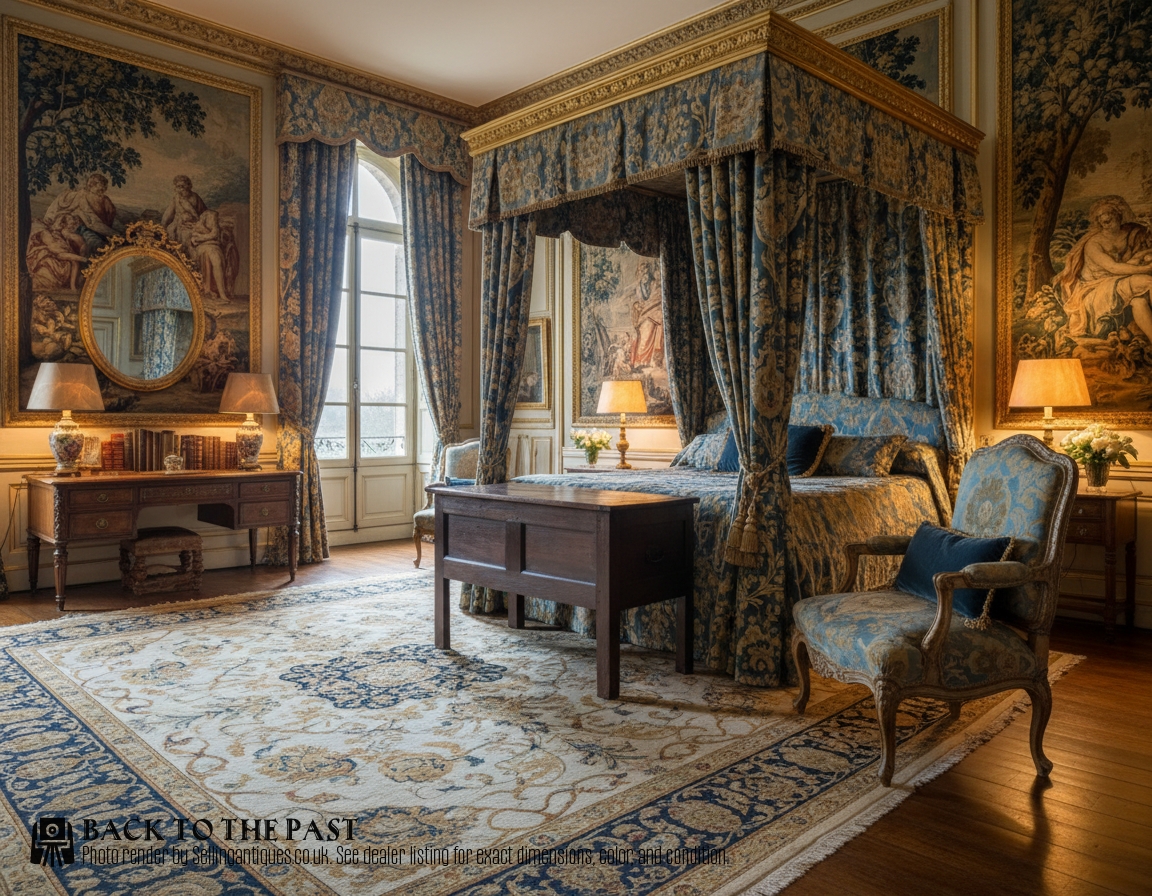
Solid Oak Trunk
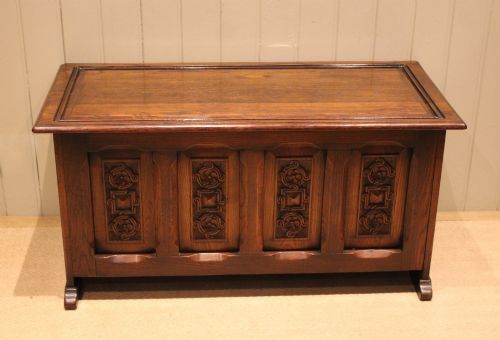
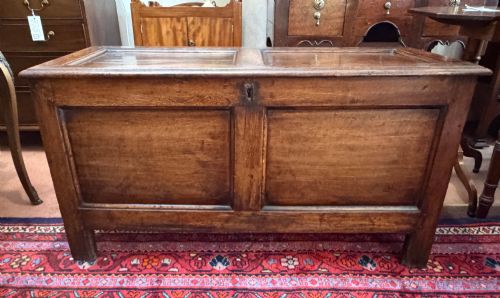
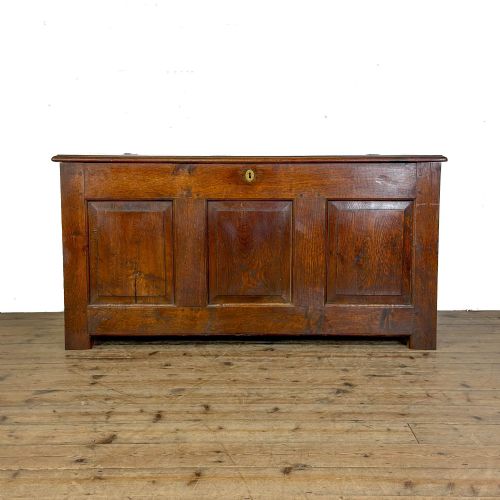
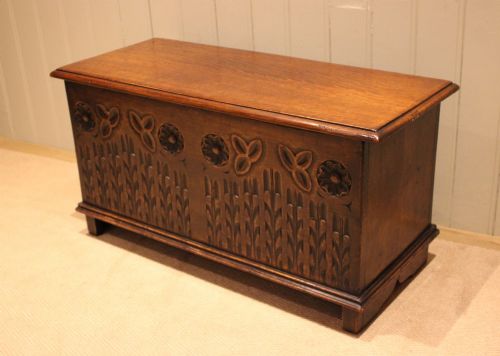
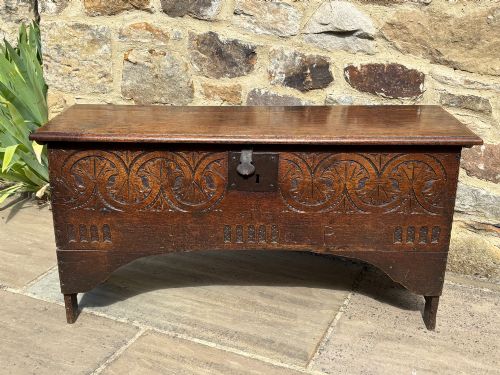
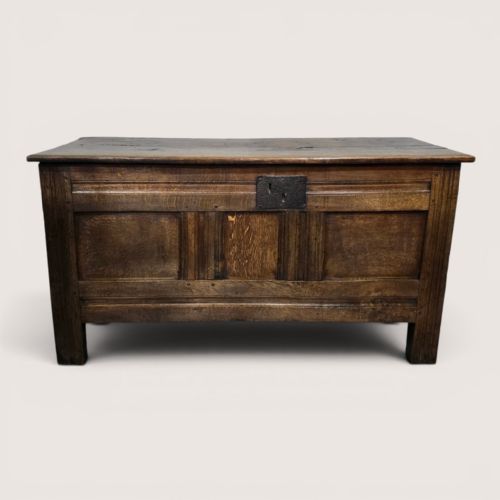
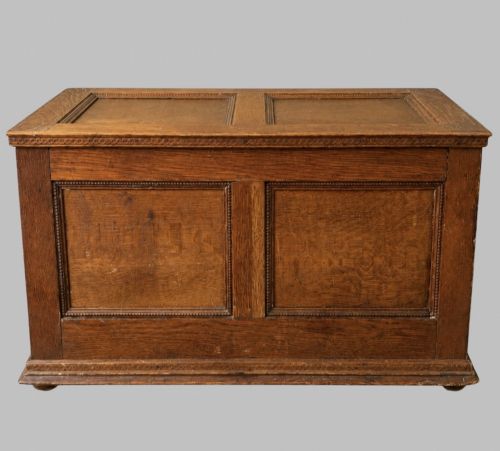
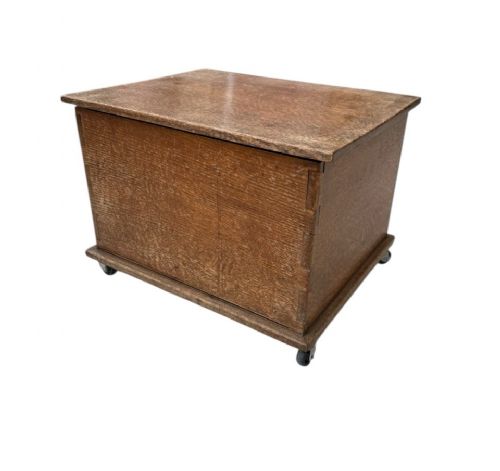
When you search for a solid oak trunk, you encounter heavy wooden receptacles built for storage, travel, and household security across multiple centuries. These pieces appear in forms such as coffers, blanket chests, mule chests, and shipping trunks dating from the sixteenth century through the Edwardian era.
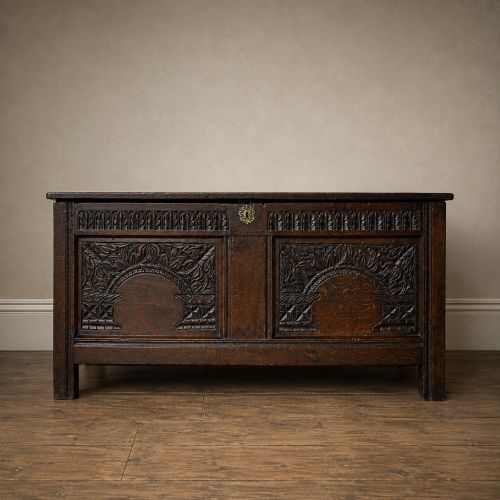
The version you are most likely to meet on this page is the seventeenth-century oak coffer, alongside later Georgian and Victorian blanket chests. They range from simple six-plank constructions to elaborately panelled and carved receptacles intended to hold linen, silver, or valuables.
Makers utilised solid oak supplemented by elm, pollard oak, painted wood, and metal reinforcements like iron, brass, and steel. Styles span Jacobean, Georgian, Victorian, Arts and Crafts, and Gothic Revival, reflecting the prevailing taste of each period.
How they were made
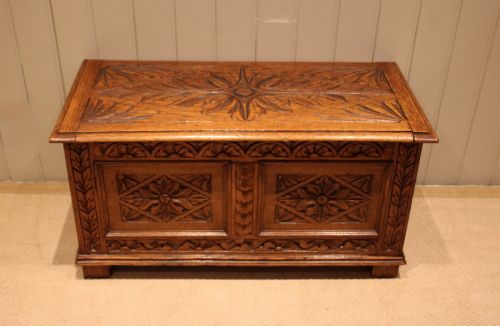
Carpenters constructed these trunks using heavy solid oak timbers, often joined by pegged mortise and tenon frames surrounding inset panels. Early examples like the six-plank chest relied on plain boards joined directly at the edges, while later pieces incorporated intricate hand-carving and applied mouldings.
Metalwork played a structural and protective role in many pieces. Blacksmiths forged iron hinges, locks, straps, and corner brackets to reinforce trunks intended for travel, shipping, or secure household storage of silver and documents.
Solid Oak Trunk Retail Price Guide 2026
Typical asking prices for solid oak trunk among the pieces listed under this phrase on Sellingantiques today, from the lower quarter to the upper quarter. They describe what is for sale here now, not the wider market.
Some trunks doubled as seating or gaming surfaces, quietly enduring centuries of muddy boots, spilled ale, and resting elbows.
What varies in quality
The depth of hand-carving, the crispness of joinery, and the integrity of the original timber separate everyday storage boxes from exceptional examples. Trunks retaining their original ironwork, locks, and hinges without modern replacement parts command greater architectural and historical interest.
The treatment of the wood surface, whether showing a rich undisturbed patina from centuries of polishing or bearing early painted finishes, dictates the visual authority of the piece. Superior examples maintain their structural rigidity despite shrinkage and movement in the aged oak boards.
Jack Grimble·Waring and Gillow
The Solid Oak Trunk Glossary
- Coffer
- A heavy wooden chest traditionally used for storing valuables, documents, or church plate. These pieces often feature hinged lids and sturdy lockplates.
- Mule chest
- A storage chest characterised by one or more drawers built into the base beneath the main compartment. They bridge the design gap between simple blanket chests and full drawer chests.
- Six-plank chest
- An early and austere form of box constructed from six distinct boards joined at right angles. These represent some of the earliest surviving domestic storage furniture.
- Panelling
- A method of construction where thinner boards are fitted within a heavier grooved frame to allow timber to expand and contract safely. This technique prevents major warping in large solid wood surfaces.
- Patina
- The surface sheen and colour acquired by wood over centuries of handling, waxing, and exposure to light. It serves as a visual indicator of age and honest use.
Solid Oak Trunk: Frequently Asked Questions
How do I date an oak trunk?
Dating relies on observing construction methods, joinery types, and decorative motifs characteristic of specific centuries. Hand-split boards, pegged joints, and early ironwork generally indicate sixteenth or seventeenth-century origins, whereas machine-sawn timber points to the Victorian era or later.
Stylistic cues such as Jacobean geometric moulding or Arts and Crafts simplification further narrow the timeline. Comparing the piece against documented examples from the same period helps confirm its age.
What were solid oak trunks used for?
These receptacles served primarily to store household textiles, winter blankets, heavy garments, and valuable items like family silver. Because cupboards were uncommon in early homes, trunks provided secure, movable storage for worldly possessions.
Travel trunks and shipping chests were specifically reinforced with iron or steel to endure long journeys by sea or carriage. Smaller boxes, such as bible boxes, held sacred texts and writing materials safely away from dampness.
How should I care for an antique oak trunk?
Maintain the wood by applying a quality beeswax sparingly to nourish the dry historical surface and preserve the patina. Avoid placing the trunk near direct heat sources or in damp environments that could cause the oak to warp or split.
Clean the surface gently with a soft, dry cloth to remove dust without stripping the aged finish. Allow natural air circulation around the piece to keep the timber stable.
Are replacement hinges common on old trunks?
Hinges and locks experienced heavy mechanical stress over centuries of opening and closing, making them frequent candidates for historical repair. Blacksmith-forged iron replacements from a later century still contribute to the working life of the piece.
Original ironwork remains prized by collectors, but period-appropriate repairs do not diminish the core utility of a sturdy storage chest. Examining the screw holes and surrounding wood grain reveals whether hardware has been altered.