
Solid Oak Open Shelf
A solid oak open shelf brings honest utility and straightforward grain to a room, holding books and objects without fuss.
Solid Oak Open Shelf
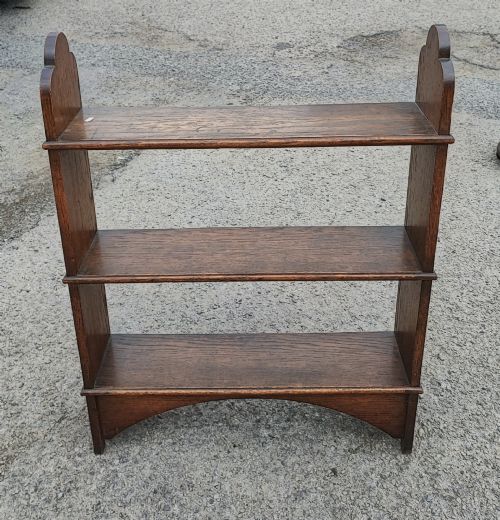
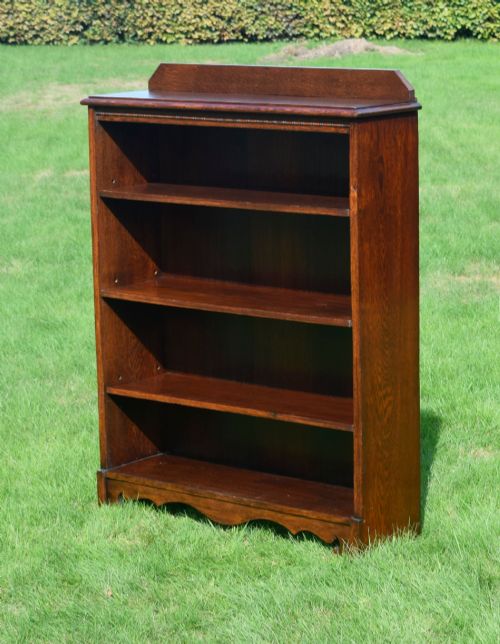
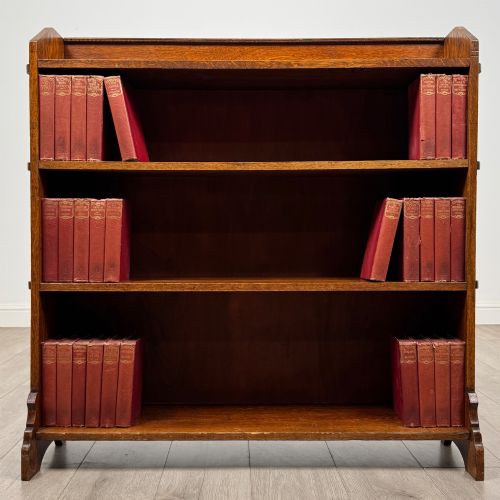
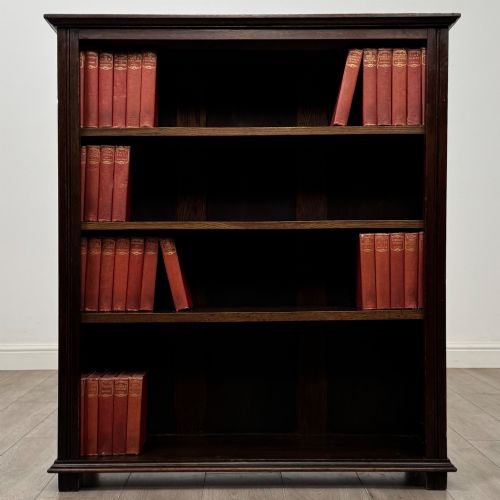
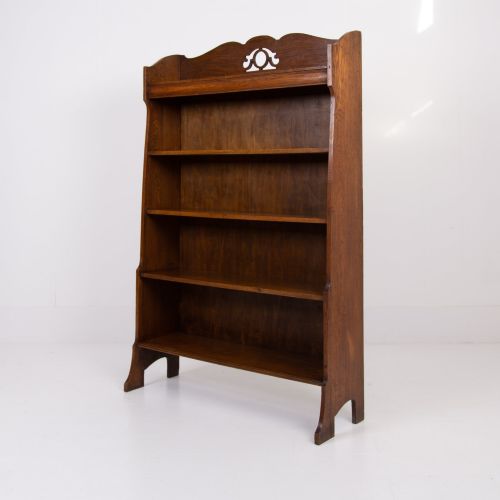
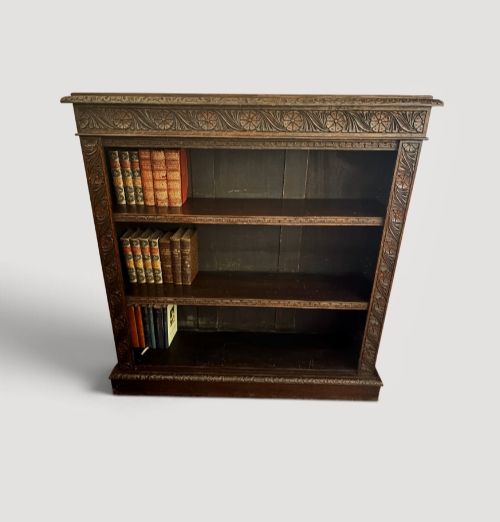
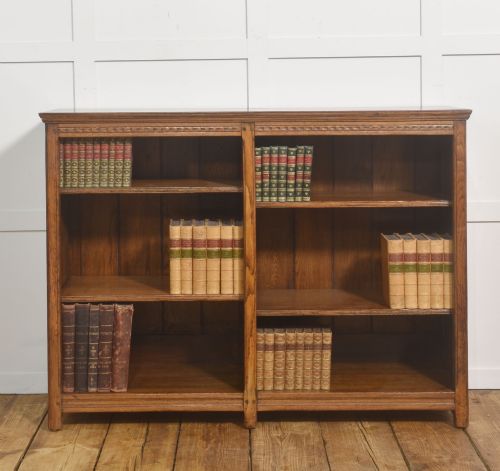
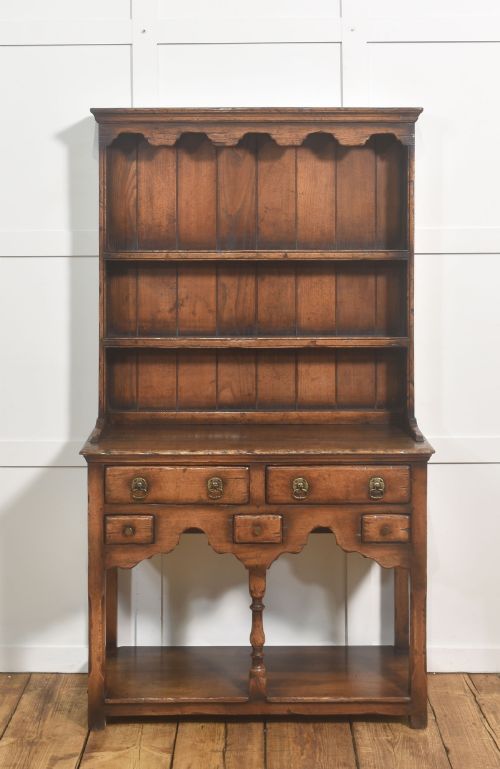
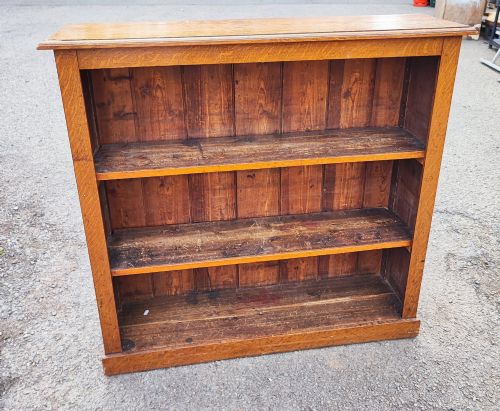
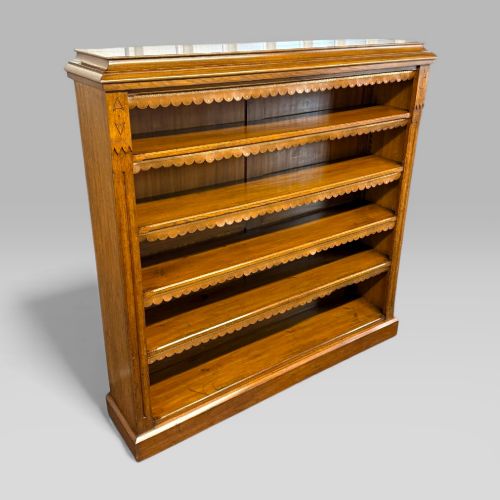
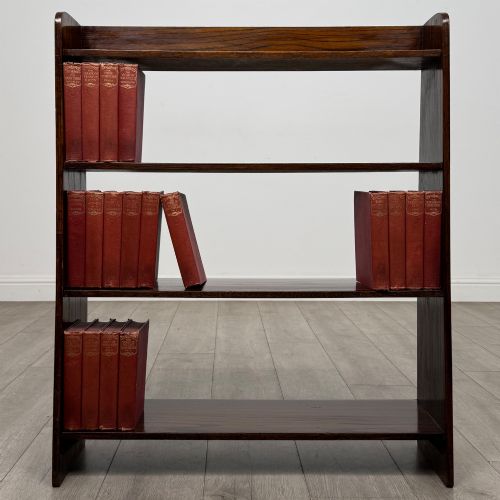
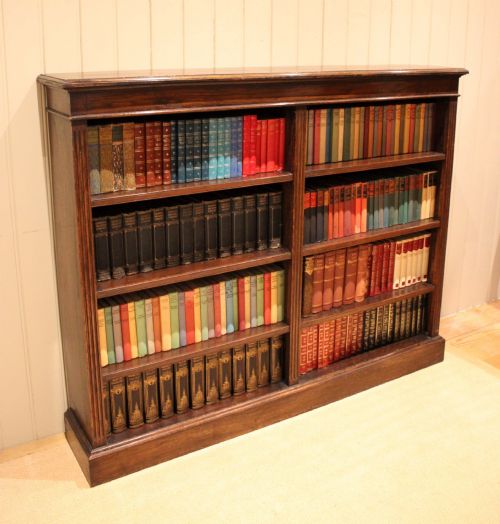
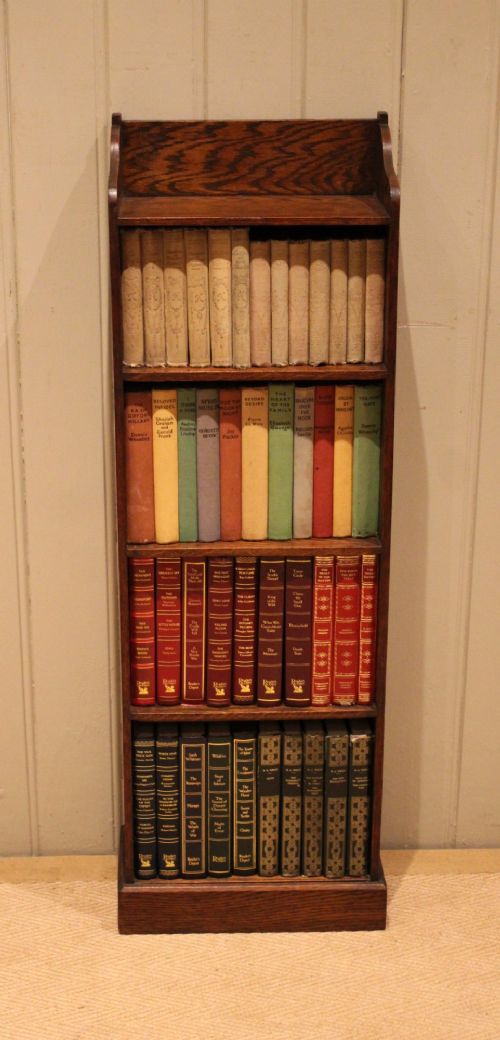
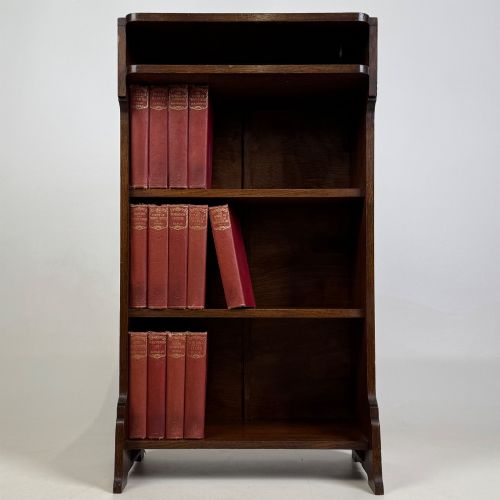
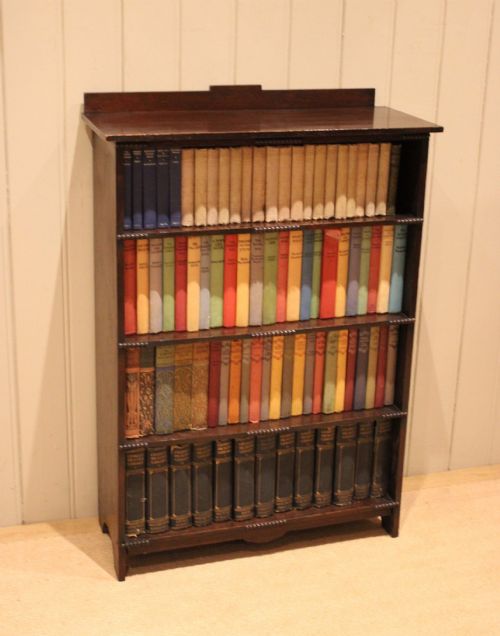
A solid oak open shelf is fundamentally a piece of functional furniture designed for housing books and display items without the barrier of doors. When searching for a solid oak open shelf, buyers encounter examples spanning from the late nineteenth century through the 1930s, with Edwardian and Arts and Crafts interpretations appearing most frequently.
The forms range from slim vertical bookcases and low library units to waterfall designs and table variants. Many feature adjustable shelving, reflecting the practical needs of nineteenth and early twentieth century domestic spaces.
Makers and workshops of the period, including Heal's and Waring and Gillows, produced these utilitarian items with considerable attention to proportion and timber selection. The surviving pieces rely entirely on their unadorned structure and the natural warmth of oak to furnish a room.
How they were made
Construction relies heavily on solid oak boards, sometimes enhanced with dark finishes, golden tones, or subtle beaded edges. Artisans joined the framework using traditional cabinetmaking techniques to ensure stability across tall library bookcases and smaller tiered tables alike.
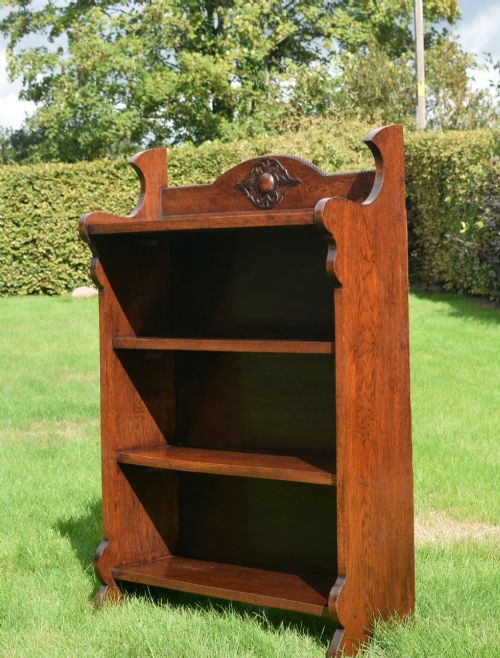
Details such as brass fittings, decorative marquetry, and inlaid elements appear on selected pieces to punctuate the plain timber surfaces. Carving is occasionally utilised on Victorian and Jacobean Revival variants to add texture to the uprights and cornices.
A surprising number of these sturdy shelves have spent over a century quietly holding heavy volumes without ever losing their balance.
What varies in quality
The standard of a solid oak open shelf rests upon the selection of timber and the integrity of its joinery. Superior examples demonstrate thoughtful grain matching and robust internal construction that supports heavy volumes without sagging.
Proportion and restraint separate routine utility items from finer workshop pieces. Pieces attributed to notable makers display a sharper execution of edges, more refined adjustable shelf mechanisms, and a balanced overall mass.
Heals·Waring and Gillows
The Solid Oak Open Shelf Glossary
- Arts and Crafts
- A design movement prioritising traditional craftsmanship, visible construction, and simple forms over mass-produced ornamentation. It heavily influenced early twentieth century cabinetmaking.
- Adjustable shelves
- Shelves that rest on movable supports, allowing the internal height intervals to be altered. This feature is common in better quality library bookcases.
- Golden oak
- A bright, warm timber finish popular during the late Victorian and Edwardian periods. It highlights the natural medullary rays in quarter-sawn oak.
- Waterfall bookcase
- A tiered shelving unit where each successive shelf steps back from the one below it. The sides often curve downwards in a cascading profile.
- Marquetry
- The art of applying pieces of veneer to a structure to form decorative patterns. It appears sparingly on selected oak storage pieces.
Solid Oak Open Shelf: Frequently Asked Questions
What periods do these shelves date from?
The available pieces predominantly date from the late nineteenth century through the Edwardian era and into the 1930s. You will find Victorian and Arts and Crafts examples alongside early twentieth century utilitarian designs.
Most items reflect the domestic needs of the period between 1880 and 1930, capturing stylistic shifts from ornate Victorian carving to clean-lined modernist approaches.
Are the shelves usually adjustable?
Many of the bookcases and open shelving units include adjustable shelves supported by pegs or track systems. This practical feature allowed owners to accommodate books of varying heights.
Not every piece possesses this adaptability, as simpler country variants often feature fixed shelves secured directly into the vertical panels.
How do I care for solid oak furniture?
Solid oak benefits from regular dusting with a dry, soft cloth and occasional treatment with natural beeswax to nourish the timber. Keep the wood away from direct heat sources and strong sunlight to prevent drying and fading.
Allowing the surface to breathe maintains the natural lustre of the grain over decades of daily use.
What is the difference between Edwardian and Arts and Crafts oak?
Edwardian oak pieces often display lighter golden tones and cleaner domestic proportions, sometimes incorporating simple moulded edges. They reflect a transitional period of refined mass production.
Arts and Crafts pieces emphasise honest construction, visible joinery, and functional simplicity, frequently bearing the distinct aesthetic of independent workshops and named designers.