




Solid Oak Centre Table
A solid oak centre table anchors a room with timber character and practical weight, built to last generations.
Solid Oak Centre Table
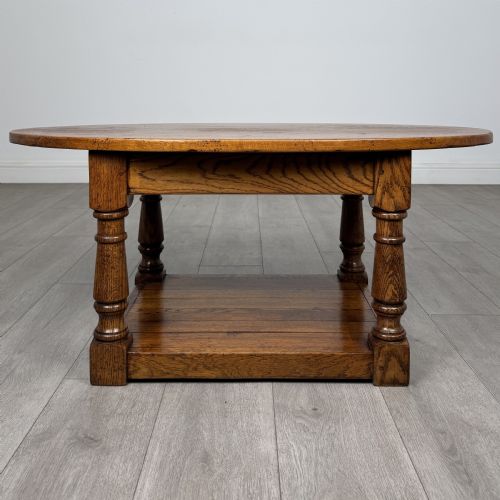
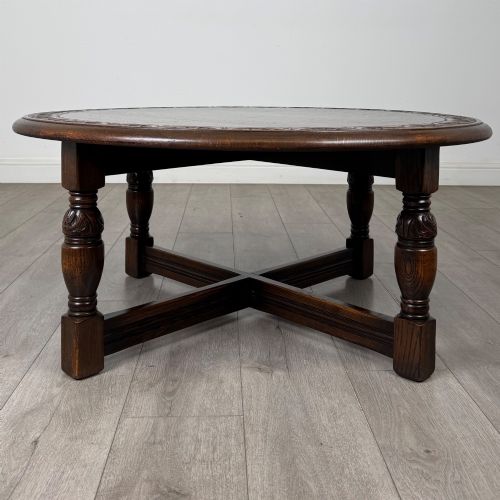
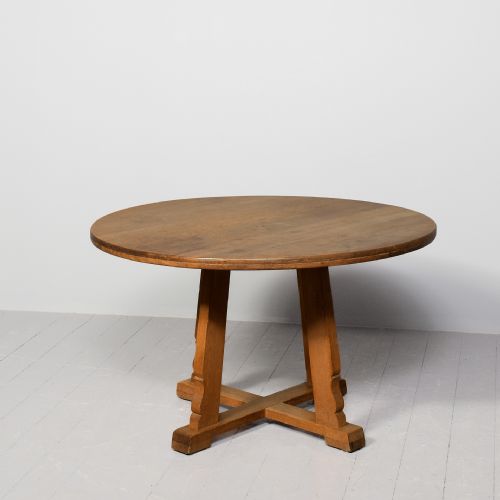
A solid oak centre table brings substantial timber presence into a room, serving as a functional surface for daily use. When you search for a solid oak centre table, you find pieces ranging from low coffee tables and side tables to large dining and library tables.
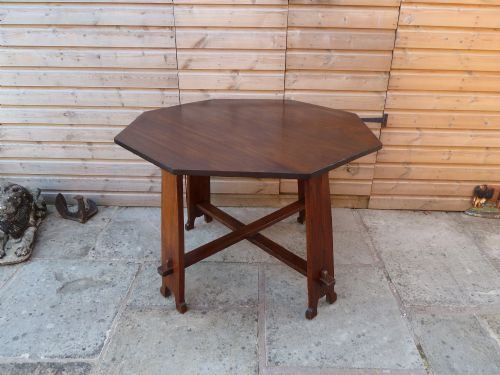
The selections span multiple eras, including seventeenth-century tavern tables, nineteenth-century Dutch and French provincial designs, and nineteen-twentieth-century Arts and Crafts pieces. These tables often appear in circular or rectangular formats, reflecting the domestic habits of their original makers.
Jacobean styles, Gothic Revival influences, and rustic farmhouse constructions all contribute to the variety found within this category. Each piece shows the distinct grain patterns and tactile qualities inherent to mature timber.
Materials and construction
Construction relies heavily on solid oak timber, sometimes combined with secondary woods like sycamore or accented with brass and iron hardware. Master carpenters utilised heavy planks and turned legs to support the substantial weight of the timber top.
Joinery techniques from earlier centuries involved pegged mortise and tenon joints, ensuring structural stability without modern adhesives. Surfaces were finished by hand, developing a mellow patina through decades of polishing and use.
The listings span from seventeenth-century tavern tables to twentieth-century Arts and Crafts designs, showcasing oak alongside iron, brass, and sycamore.
Assessing quality
Quality rests on the integrity of the timber selection and the honesty of the construction. Tables featuring thick oak planks with minimal warping demonstrate superior initial material selection by the maker.
Proportion and decorative restraint separate ordinary workshop output from finer examples. Subtle details such as hand-turned legs, balanced turnings, and harmonious timber figuring elevate a piece above standard utility furniture.
The Solid Oak Centre Table Glossary
- Jacobean Style
- A British design aesthetic popular during the seventeenth century, characterised by dark oak, geometric paneling, and sturdy turned supports. It often reappears in later revival furniture.
- Arts and Crafts
- A movement prioritising traditional craftsmanship and simple forms over mass production. Pieces from this tradition display honest construction and visible timber grain.
- Tavern Table
- A heavy, functional table designed for commercial or domestic hospitality use. These typically feature robust stretchers and thick tops capable of withstanding heavy daily wear.
- Sycamore
- A light-coloured hardwood sometimes utilised alongside oak in tabletops. Its pale tone provides a deliberate visual contrast against darker timbers.
- Patina
- The surface sheen and softening of colour developed by wood over decades of handling and exposure to light. This quality indicates age and careful maintenance.
Solid Oak Centre Table: Frequently Asked Questions
How do I care for a solid oak centre table?
Keep the timber away from direct heat sources and sudden humidity shifts to prevent splitting or warping. Feed the grain occasionally with traditional beeswax to maintain the mellow finish.
Avoid using harsh chemical sprays on the surface. A soft, dry cloth is sufficient for daily cleaning.
Can these tables be used for everyday dining?
Many examples function well for meals, provided the height and leg clearance match your seating. Seventeenth-century tavern tables and nineteenth-century dining tables were built specifically for communal use.
Protect the surface from hot dishes and moisture rings using coasters and placemats. This preserves the historic polish.
How do I distinguish a seventeenth-century table from later revivals?
Early pieces show tool marks from hand-cleaved timber and irregular peg placements in the joinery. The weight of the timber and the depth of the surface wear offer further clues.
Nineteenth-century revival pieces, such as those in the Jacobean style, often feature machine-sawn elements and more uniform timber characteristics.
What rooms suit a circular oak centre table?
Circular tables work well in entrance halls or as freestanding centrepieces in large reception rooms. Their shape encourages movement and conversation around the perimeter.
Ensure you measure the floor space carefully to allow comfortable passage around the edges. A circular footprint softens angular room layouts.