


Solid Oak Buffet Cupboard
These solid oak buffet cupboard pieces bring robust timber and generous storage into a room, offering both practical utility and enduring craft.
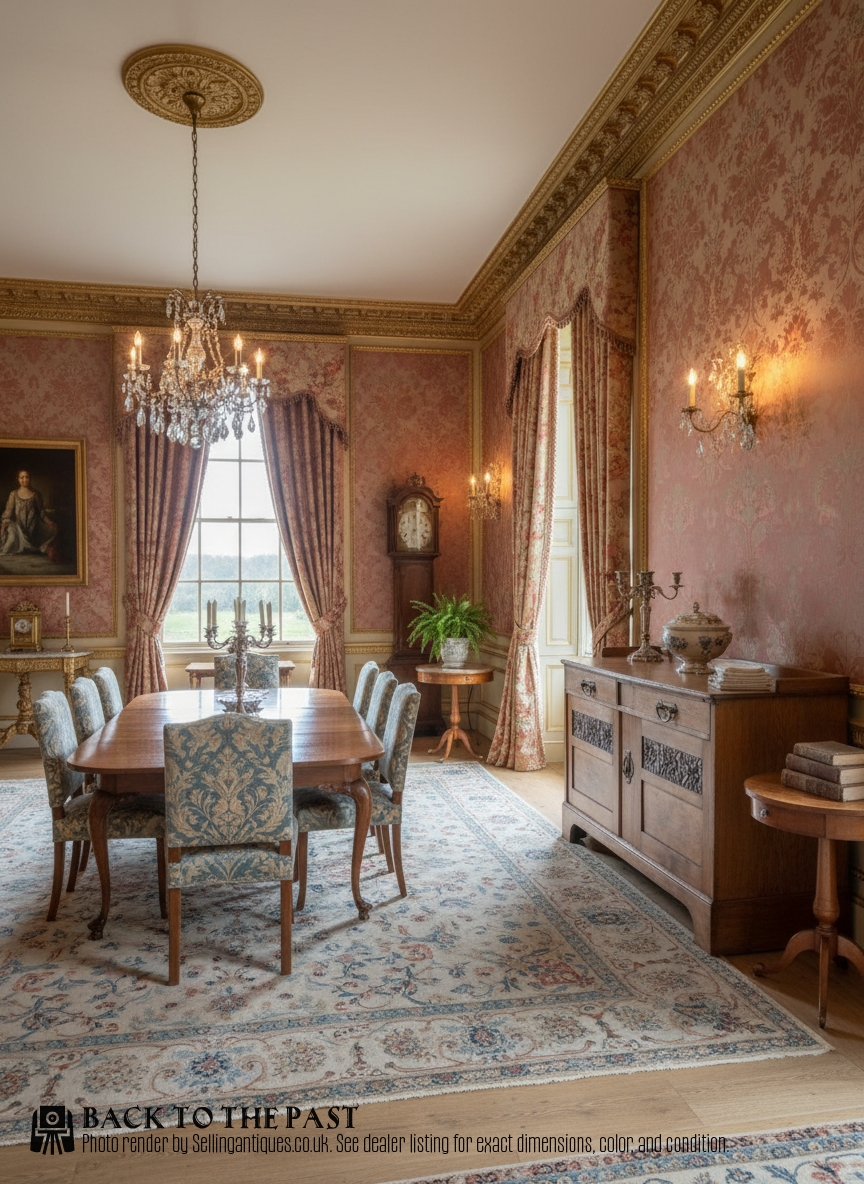
Solid Oak Buffet Cupboard
A solid oak buffet cupboard combines sturdy timber construction with a dual function of surface display and concealed storage. Buyers search this phrase to find substantial furniture pieces that anchor a dining room or hallway.
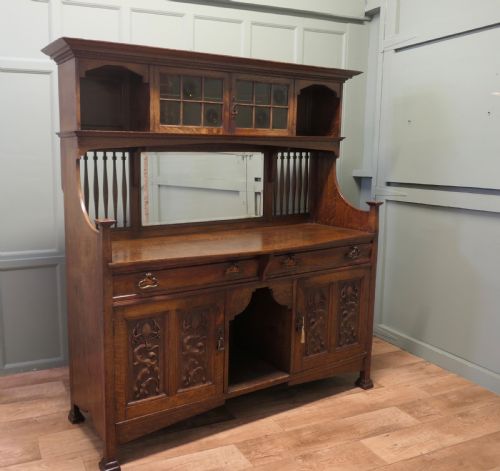
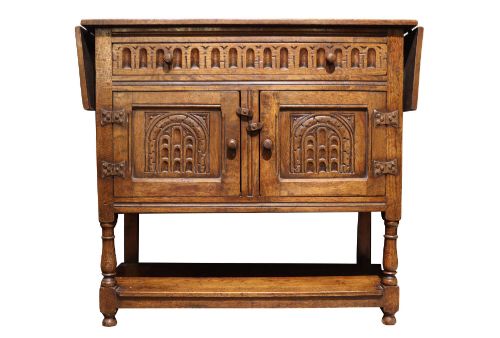
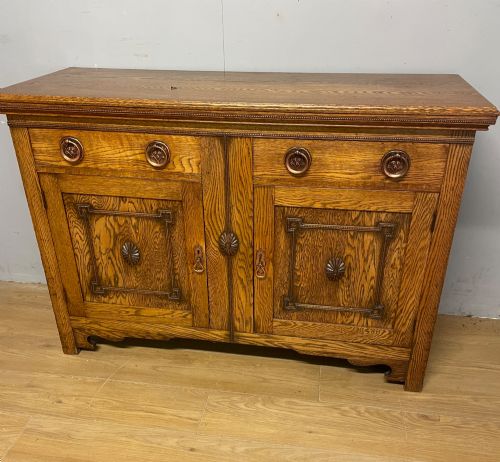
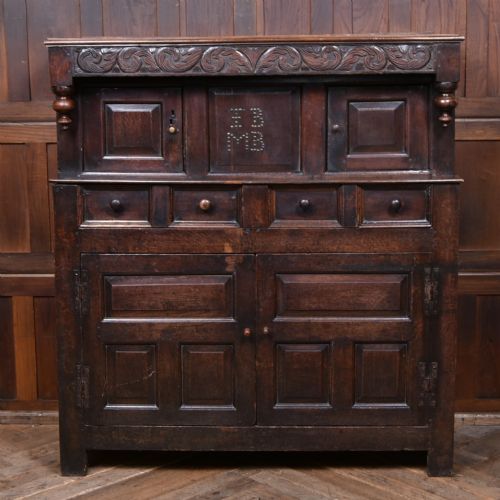
The selections on this page span several centuries and stylistic traditions, ranging from early seventeenth century court cupboards to later arts and crafts sideboards. Most examples encountered here are vernacular sideboards, dresser bases, or buffet forms executed in solid oak.
Makers drew on diverse regional traditions, producing everything from austere provincial oak furniture to carved continental buffet de corps items and Cotswold school interpretations. Each object reflects the functional demands of its period, prioritising heavy timber framework and panelled doors.
How they were made
Makers relied on solid oak planks joined through traditional framing methods, utilising pegged mortise and tenon joints to withstand decades of daily use. Surfaces often display natural grain patterns developed through quarter-sawing or plain-sawing the timber.
Hardware played an essential functional role, with hinges, drop handles, and escutcheons forged from brass, iron, or copper. Selected pieces incorporate leaded glass or mirror glass panels within the upper frameworks to lighten heavy elevations.
Several heavy game cupboards arrive with stubborn historic keyholes that demand a gentle touch and a sympathetic vintage key.
What varies in quality
Quality rests upon the selection of timber and the integrity of the original construction, distinguishing heavy workshop output from standard commercial production. Better examples display harmonious proportions, tight joinery, and timber chosen for consistent grain and colour.
Carved detail and decorative hardware separate standard utilitarian storage from ambitious regional or revival pieces. Skilled carving shows crisp depth and relief, whereas inferior work appears shallow and mechanical.
The Solid Oak Buffet Cupboard Glossary
- Court Cupboard
- A traditional enclosed cupboard often featuring an upper and lower tier for displaying plate. These early forms set the structural precedent for later buffets.
- Arts and Crafts
- A design movement valuing honest construction, visible joinery, and vernacular simplicity. Pieces from this tradition avoid excessive machine ornamentation.
- Dresser Base
- A low serving surface fitted with drawers and cupboards beneath. This form served as a primary preparation and storage station in historic dining spaces.
- Buffet de Corps
- A large continental storage cabinet featuring substantial lower cupboard doors. These French examples frequently incorporate deep relief carving of game or foliage.
- Jacobean Revival
- A nineteenth style resurrecting the heavy turned legs, geometric moulding, and panelled construction of the seventeenth century. Such pieces emulate earlier court cupboards and buffets.
Solid Oak Buffet Cupboard: Frequently Asked Questions
Where should I place a solid oak buffet cupboard?
These substantial items suit dining rooms, large hallways, or living spaces where they provide both a surface for serving and ample internal storage.
Ensure the room has sufficient floor space to accommodate the heavy proportions and clearance for opening cabinet doors.
How do I care for solid oak furniture?
Maintain the timber by keeping it away from direct heat sources and sudden humidity changes that cause wood to shift.
Apply natural beeswax periodically to nourish the surface and preserve the historic finish without sealing the grain.
How do I distinguish an earlier period piece from a revival copy?
Examine the construction methods, tool marks on the timber interior, and the wear patterns around handles and hinges.
Revival furniture often uses machine-cut components and uniform distressing that differs from the organic wear of genuine early periods.
What is the difference between a buffet and a sideboard?
Buffets traditionally emphasise enclosed cupboard storage for food and tableware, whereas sideboards often incorporate a mix of drawers and open serving surfaces.
Over time, these terms became interchangeable, particularly within nineteenth and twentieth century vernacular furniture.