


Late Victorian Dresser Base
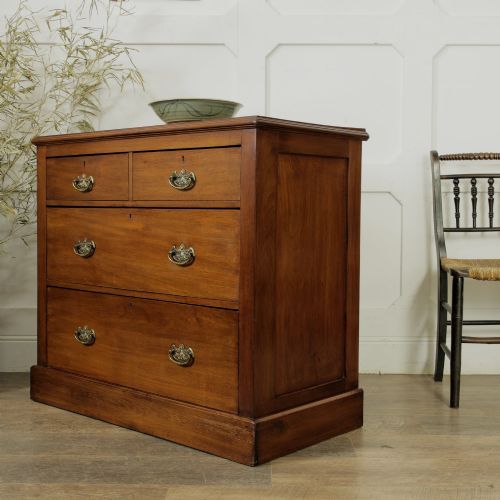
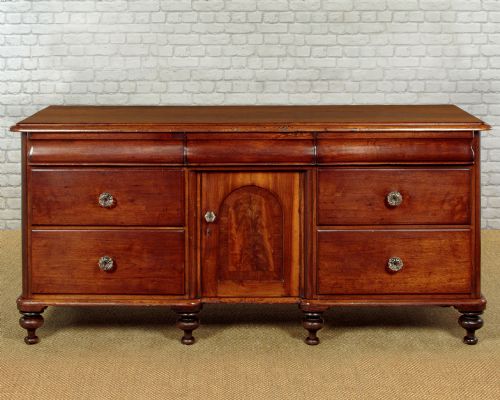
These late victorian dresser base pieces are sturdy timber servers and sideboards offering generous storage for any kitchen or dining room.
Late Victorian Dresser Base
A late victorian dresser base is a practical serving surface or storage unit typically found in domestic kitchens and dining rooms from the late nineteenth century. These sturdy wooden pieces provide a low counter top paired with lower cupboards, drawers, or pot shelves for household crockery and provisions.
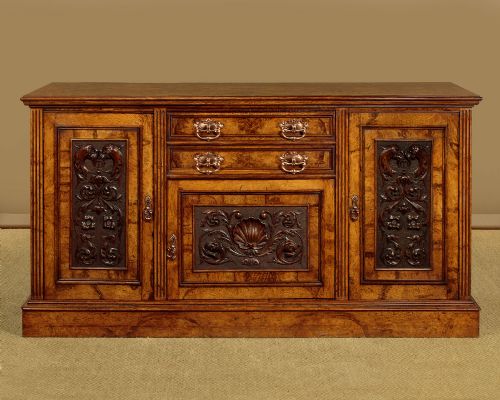
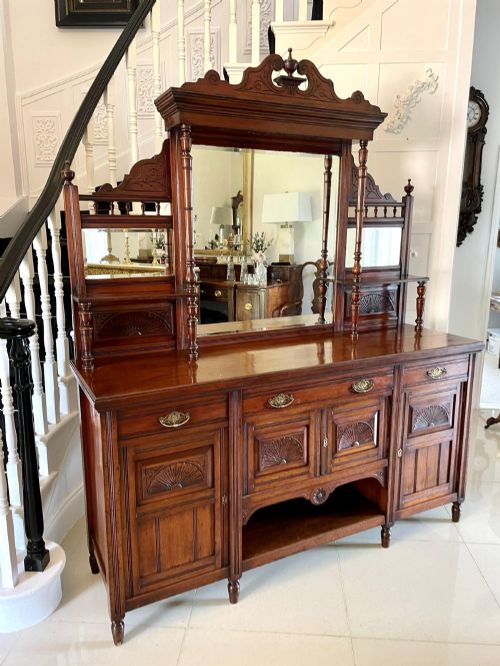
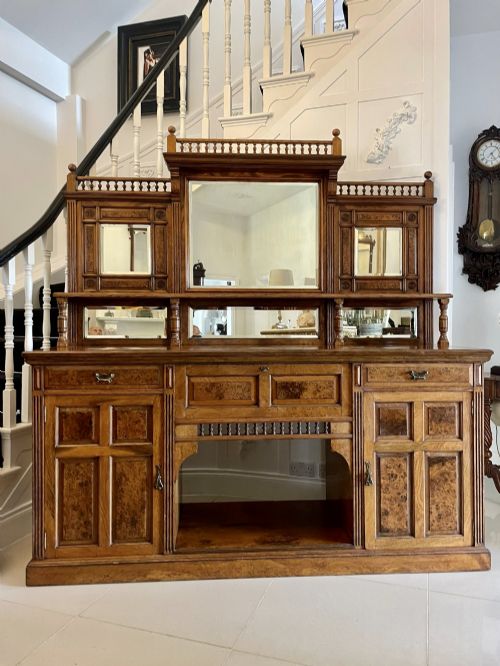
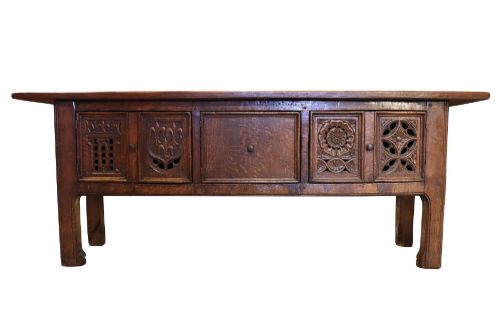
The examples gathered here range from utilitarian painted pine farmhouse iterations to heavily carved walnut and oak sideboards with mirror backs. Buyers encounter various regional expressions, including narrow Gothic Revival interpretations and robust Arts and Crafts designs rooted in the late Victorian period.
What Varies in Quality
The distinction between standard utility furniture and superior pieces rests on timber selection and structural execution. Dense hardwoods and striking veneers like pollard oak elevate a piece above routine pine workshop production.
Design ambition also separates the tiers, with plain farmhouse boards at one end and ambitious Gothic Revival or Arts and Crafts carved sideboards with fitted mirror backs at the other.
Listings feature items built from oak, walnut, pine, mahogany, and pollard oak.
The Late Victorian Dresser Base Glossary
- Dresser base
- A low kitchen or dining room cabinet featuring drawers and cupboards beneath a flat top surface, lacking the upper plate rack of a traditional tall dresser.
- Pot shelf
- An open lower shelf positioned near the floor between the legs of a dresser base, historically used for heavy pots and pans.
- Pollard oak
- Timber taken from trees that were pollarded, producing a highly figured and decorative grain pattern prized by Victorian cabinet makers.
- Gothic Revival
- A nineteenth-century design style drawing on medieval architectural motifs, featuring pointed arches, tracery, and heavy carved details.
- Arts and Crafts
- A design movement valuing traditional craftsmanship, simple forms, and visible construction over industrial mass production.
Late Victorian Dresser Base: Frequently Asked Questions
What is a late victorian dresser base used for today?
These versatile timber cabinets serve well as sideboards in dining spaces, kitchen islands, or media consoles in living rooms. Their combination of drawers and lower cupboards provides practical concealed storage for modern households.
The sturdy top surfaces also offer ample room for display lamps, serving platters, or everyday kitchen equipment.
How do I distinguish oak from pine pieces?
Oak is a heavy hardwood featuring prominent grain patterns and rich brown tones, often selected for formal dining room sideboards. Pine is a softer timber that accepts painted finishes readily and tends to appear in utilitarian farmhouse kitchen furniture.
Examining the weight, visible growth rings, and original surface finish clarifies which timber forms the carcass.
Did all dresser bases originally feature mirror backs?
Mirror backs appear primarily on more formal walnut and oak Victorian sideboards rather than utilitarian pine farmhouse dresser bases. These integrated mirrors were added to reflect light and display decorative ceramics in grander Victorian dining rooms.
Many standard kitchen dresser bases remained strictly utilitarian without superstructure additions.
Where were these dresser bases originally placed?
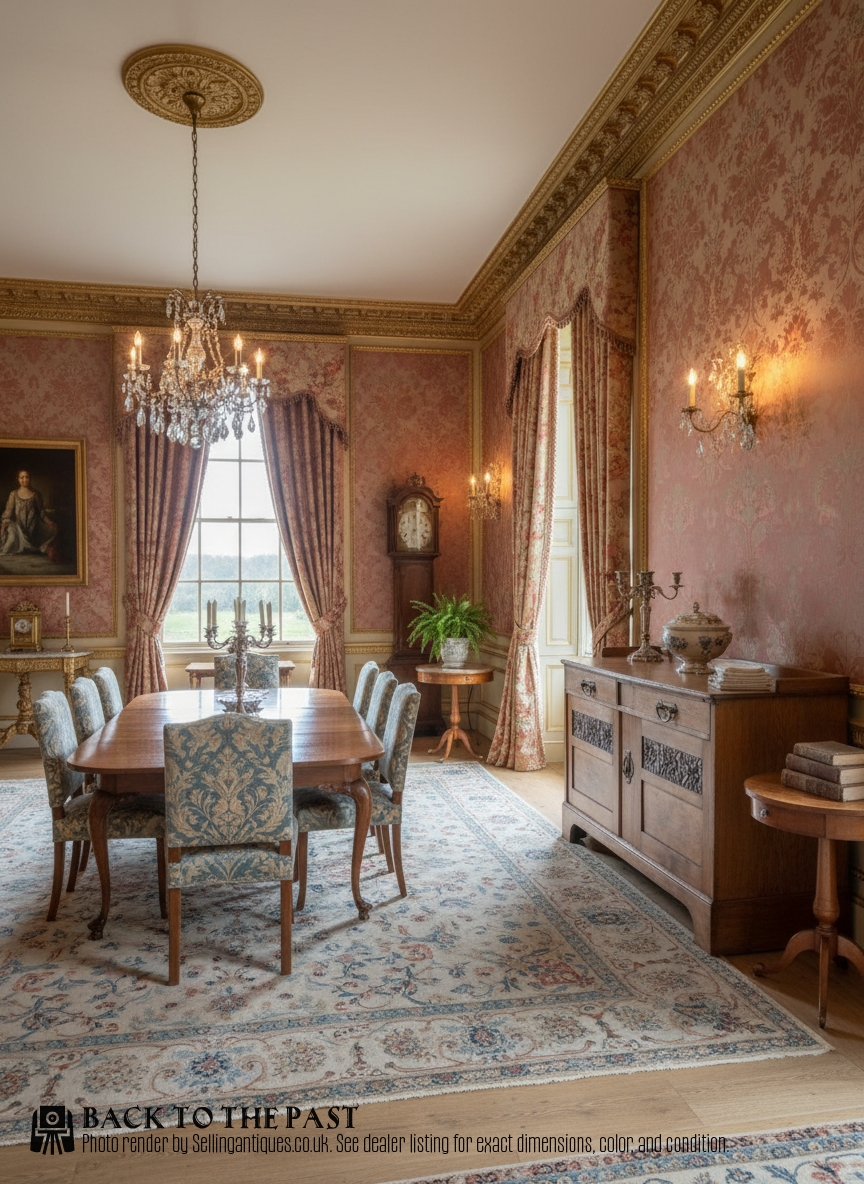
Country kitchen dresser bases stood against dining or cooking area walls to hold everyday earthenware, linens, and provisions. Formal oak and walnut versions occupied dining rooms to assist with serving meals and storing silver.
Their practical design suited domestic workspaces where durable surfaces and accessible storage were essential.