


Solid Oak Bench Seating
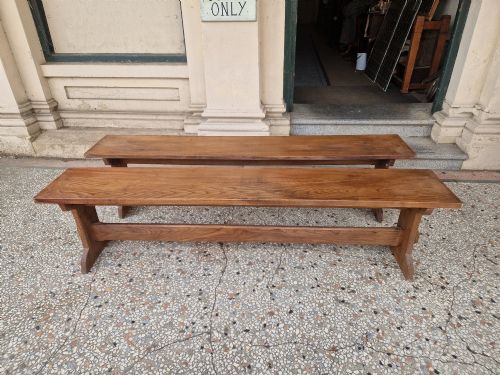
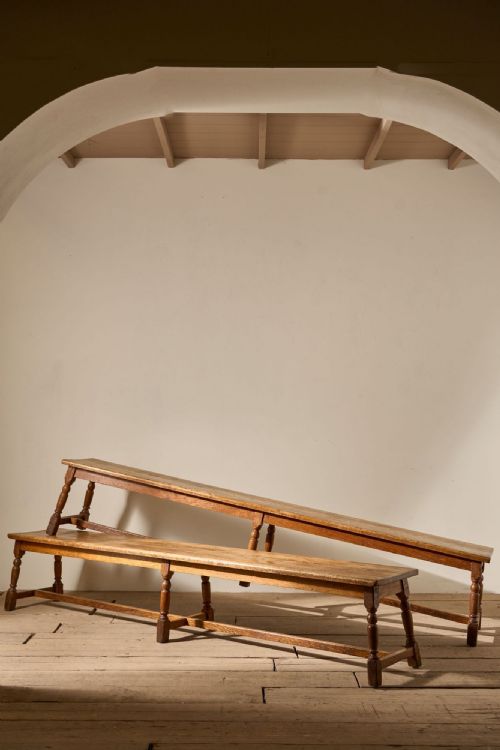
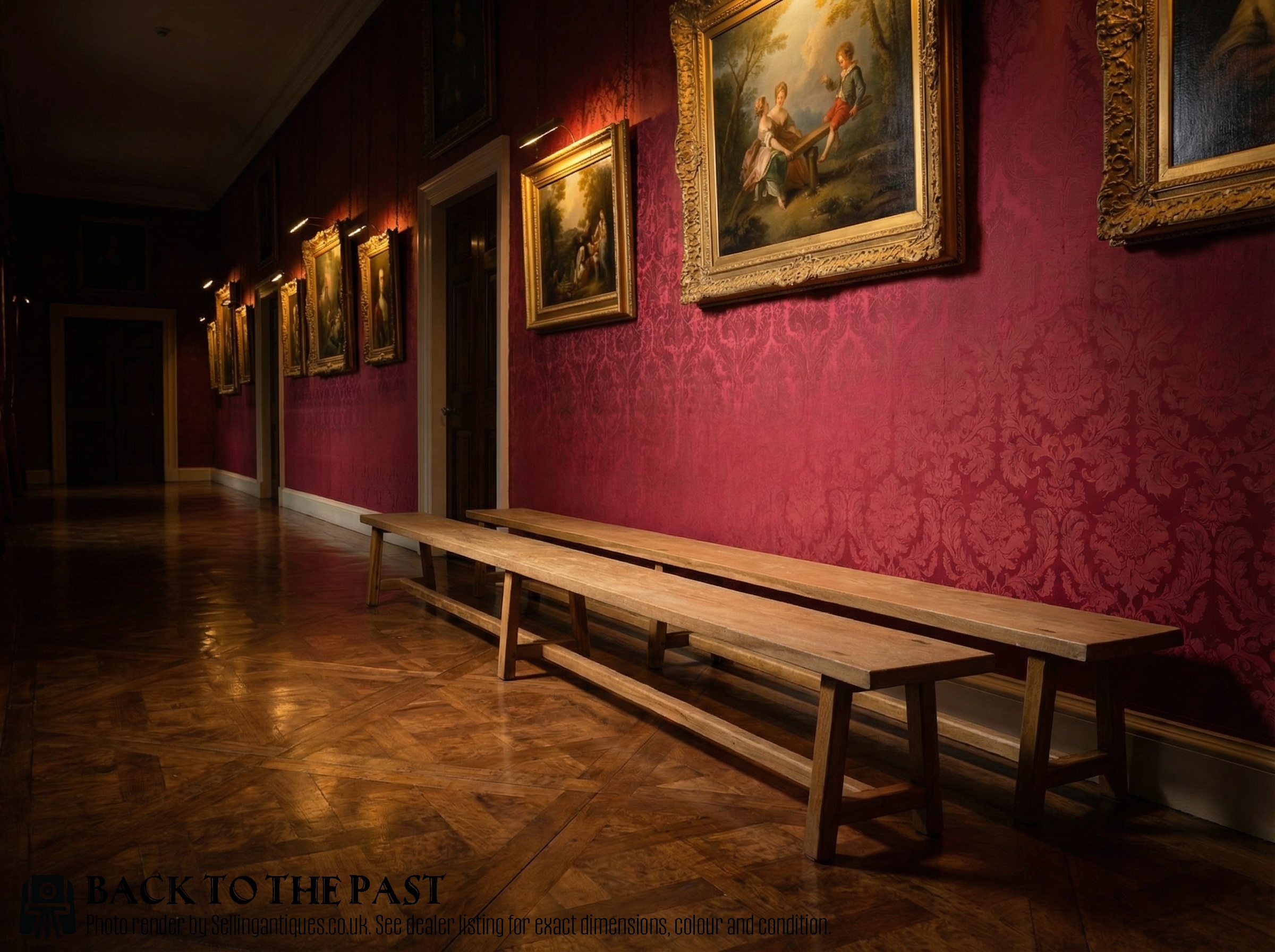
Solid oak bench seating brings honest craftsmanship and robust timber into a hallway, offering practical everyday seats shaped by centuries of woodworking tradition.
Solid Oak Bench Seating
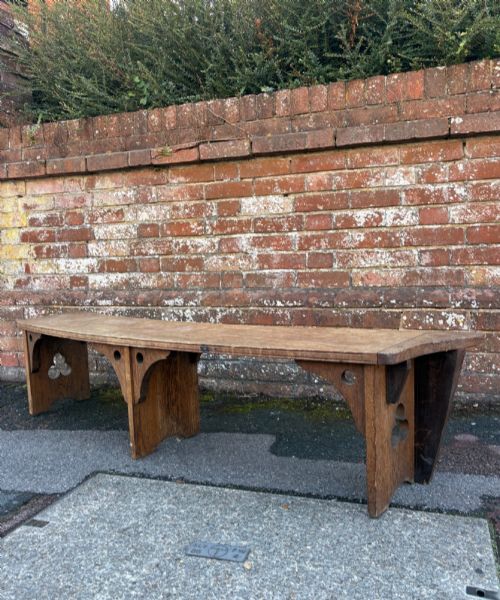
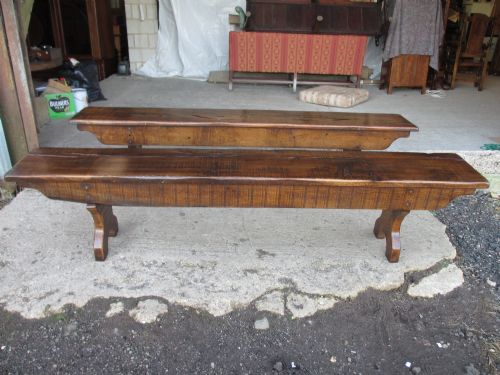
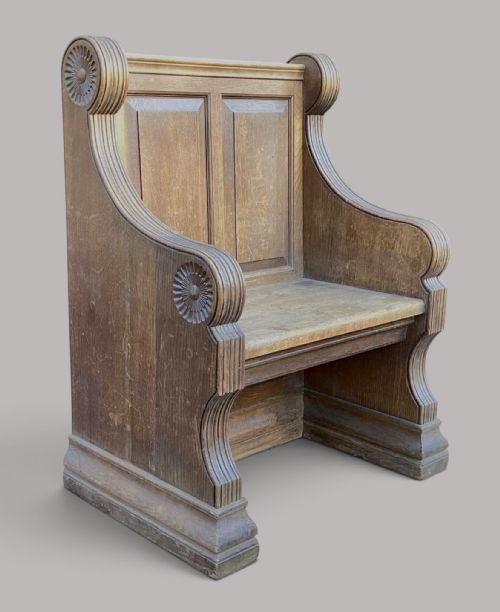
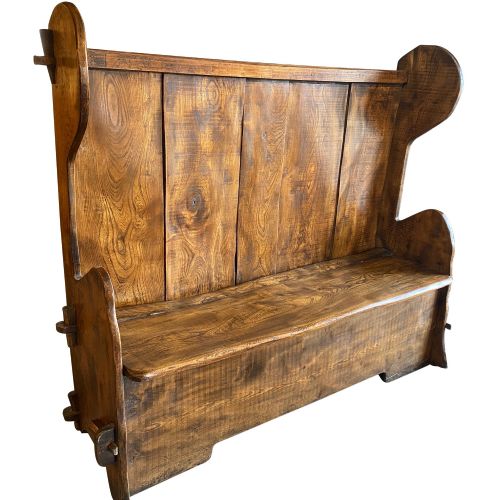
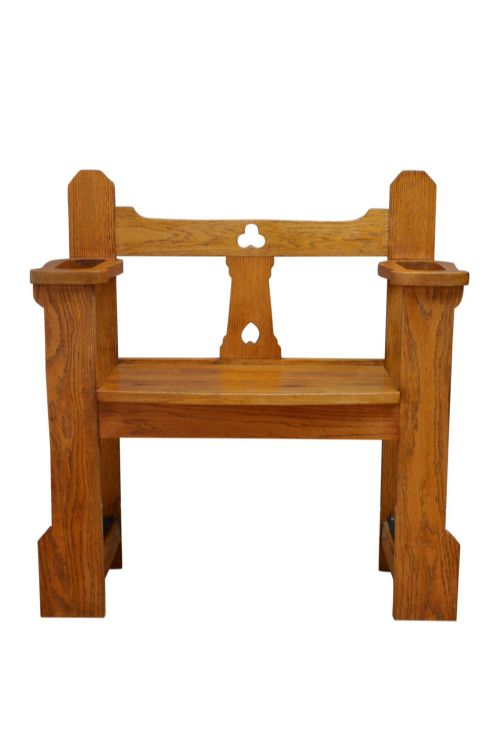
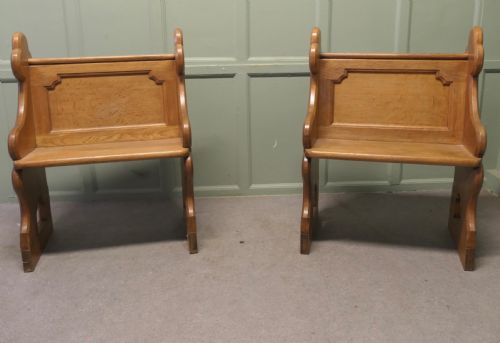
The styles recorded span rustic farmhouse forms, Arts and Crafts interpretations, and Gothic revival designs with trefoil carvings or shaped trestle ends. These pieces serve practical functions in hallways, libraries, and dining spaces, relying on sturdy timber construction rather than superficial veneer.
What varies in quality
Quality rests in the selection of the timber and the integrity of the joinery, distinguishing straightforward utilitarian items from ambitious architectural commissions. Pieces featuring deeply carved panels, balanced proportions, and thick plank tops command greater appreciation.
The presence of secondary timbers like elm for seats alongside primary oak frames indicates thoughtful material selection by the maker. Condition varies according to how the structure has aged, with untouched surfaces retaining more character than heavily restored examples.
Several benches still bear the scars of muddy boots and heavy coats from generations who sat near the front door.
William Birch
The Solid Oak Bench Seating Glossary
- Settle
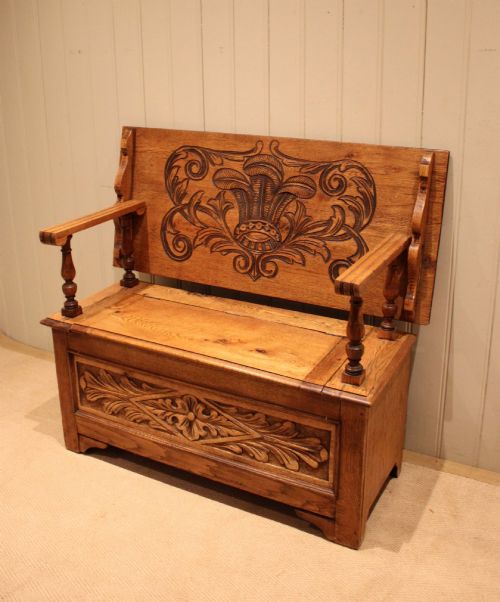
- A wooden bench with a high back, solid arms, and often a storage box beneath the seat. It protected sitters from draughts in older homes.
- Joint stool
- A low wooden stool constructed with mortise and tenon joints using pegged framing. These sturdy items preceded lighter seating forms.
- Trestle
- A support structure consisting of a horizontal beam fixed to two splayed legs. This design provides stable footing for long tavern and refectory benches.
- Gothic Revival
- An architectural and decorative style drawing on medieval forms. Pieces often display pointed arches, trefoil cutouts, and heavy religious motifs.
Solid Oak Bench Seating: Frequently Asked Questions
Where should I put a solid oak bench?
Solid oak bench seating suits wide hallways, boot rooms, and large kitchens where sturdy, daily seating is required. Their substantial weight and architectural presence also anchor long dining tables or quiet reading corners.
Position them away from direct heat sources to prevent the solid timber from drying out and splitting over time. A well-placed hall bench provides a convenient spot for removing boots while greeting visitors at the door.
How do I care for antique oak seating?
Maintain the wood by applying a natural beeswax polish occasionally to nourish the grain and protect the surface from moisture. Avoid chemical sprays or silicone cleaners that can build up a sticky film over the old finish.
Keep the timber away from rapid temperature changes and direct sunlight to preserve the original colour and prevent the joints from loosening. Gentle dusting with a soft cloth keeps the carved details clear of debris.
How do I identify a Georgian settle?
Georgian settles usually exhibit heavy panelled backs, pegged frame construction, and deep patination acquired through generations of domestic use. The proportions remain functional and unadorned, reflecting the practical needs of eighteenth-century households.
Look for hand-planed board surfaces and signs of wear around the armrests and foot rails. These indicators separate genuine period examples from later revival pieces.
What is an Arts and Crafts hall seat?
Arts and Crafts hall seats emphasise honest construction, visible joinery, and simpler forms inspired by medieval or vernacular traditions. Makers often incorporated geometric cutouts, such as trefoil motifs, and exposed pegged joints.
These pieces appeared around the turn of the twentieth century as a reaction against industrial mass production. They frequently combine solid oak frames with saddle seats or textile pads.