


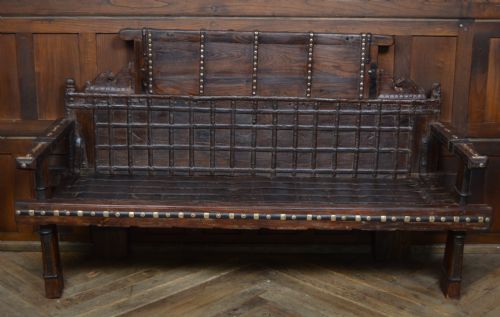


Reclaimed Timber Bench
A reclaimed timber bench offers honest utility and tactile history, bringing weathered grain and functional design straight into a modern interior.
Reclaimed Timber Bench
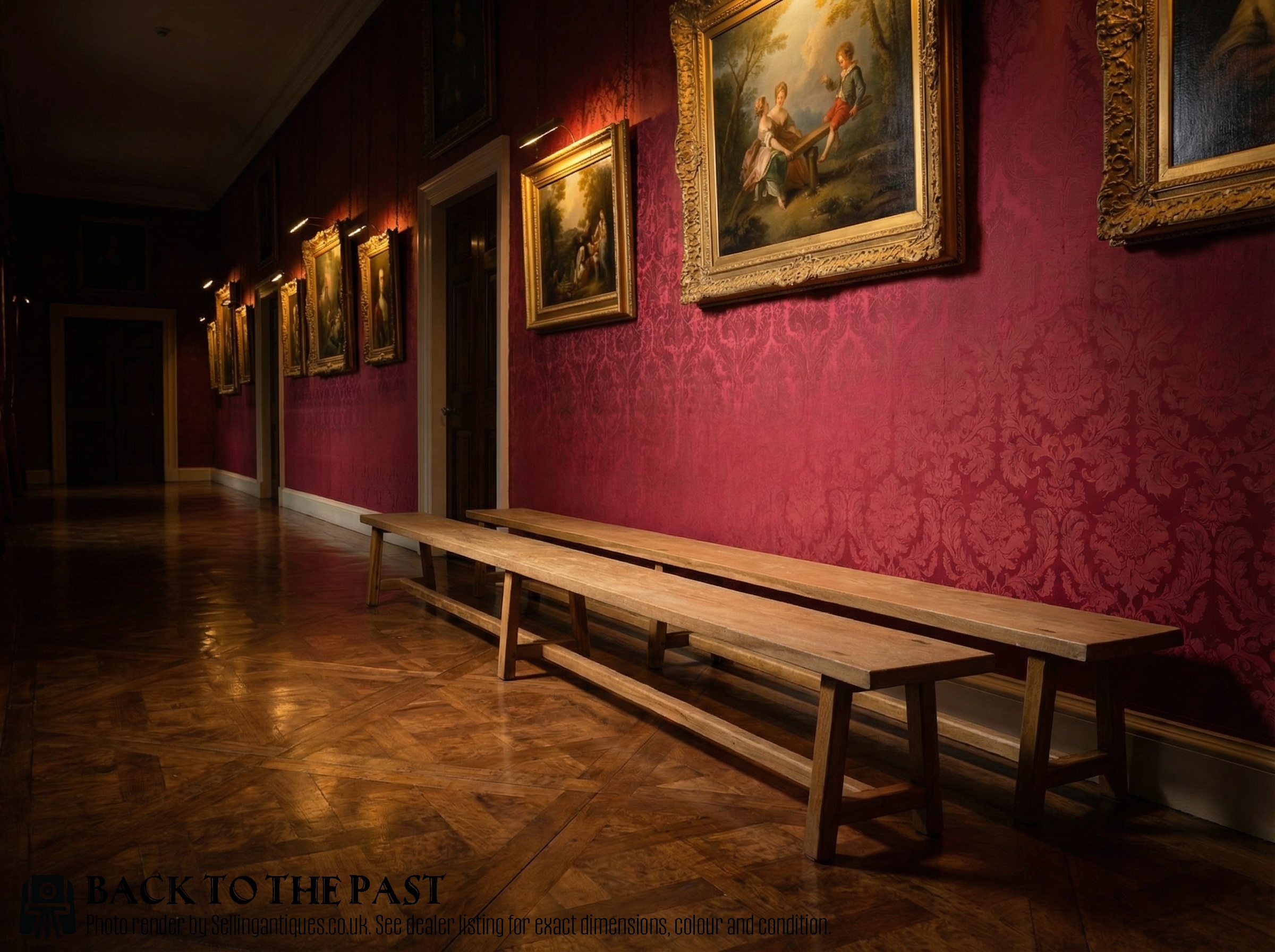
When you search for a reclaimed timber bench, you encounter robust seating and heavy tables adapted from historical contexts, spanning from the eighteenth century to the early twentieth century. These pieces encompass industrial workbenches, railway station seating, garden benches, and rustic dining forms originating from English, French, Swedish, and Indian traditions.
The most common examples on this page are nineteenth-century workbenches and long dining benches, often featuring integrated vices or weathered surfaces that reveal years of workshop or domestic use.
How they were made
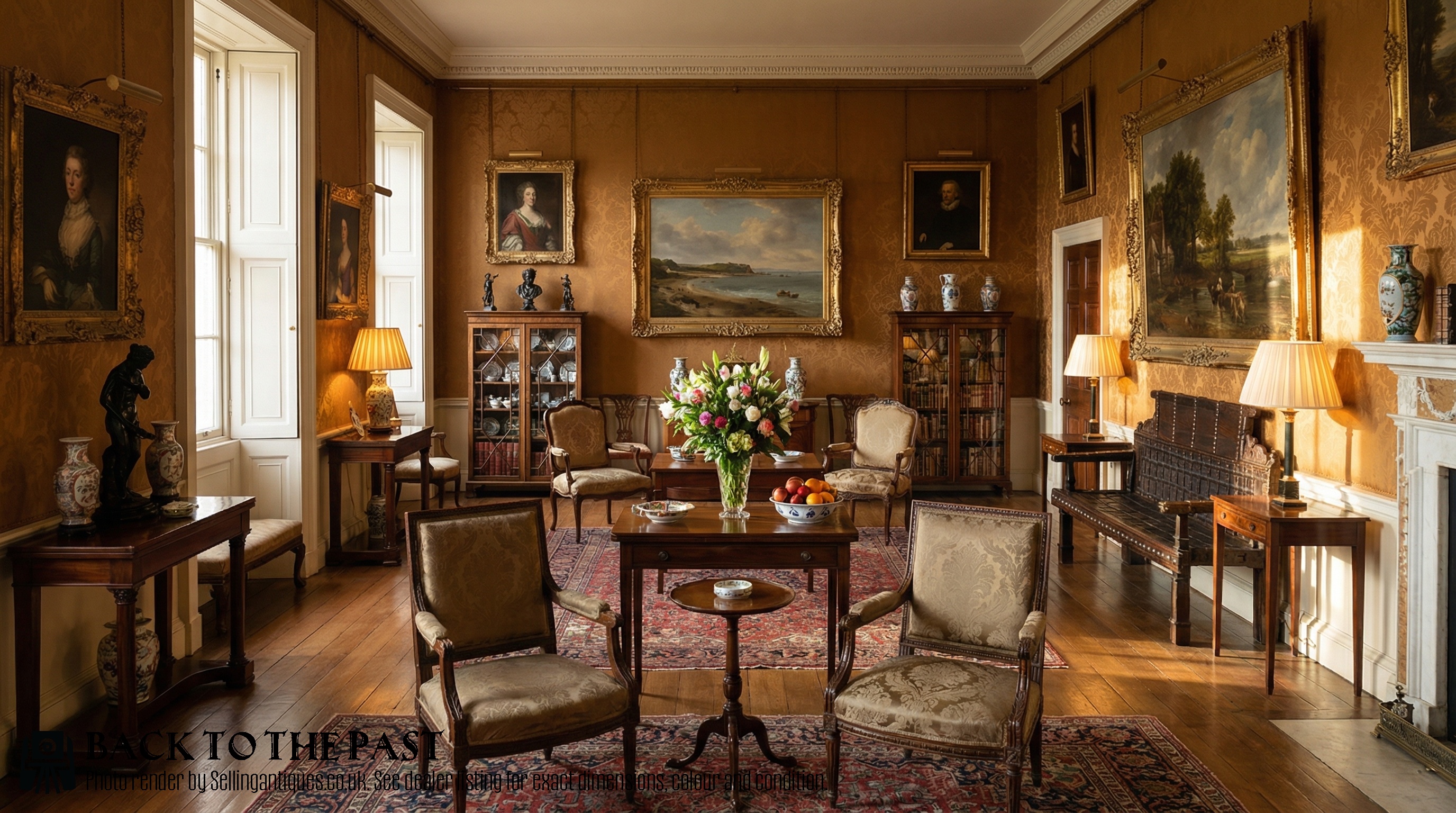
Construction relies on heavy timbers such as oak, pine, teak, and various hardwoods, chosen for durability and strength in daily labour. Joinery is straightforward and utilitarian, designed to withstand heavy wear rather than display delicate cabinet-making techniques.
Metal components play an essential structural role, incorporating cast iron, wrought iron, and standard iron braces, brackets, and functional vices that secure the wooden boards together.
Current listings feature timber, pine, oak, and teak across eighteenth and nineteenth-century periods, alongside cast and wrought iron elements.
What varies in quality
The distinction between a standard example and a superior piece lies in the integrity of the original timber and the presence of authentic working mechanisms, such as intact wooden vices or untouched patination. Structural proportions and the natural weathering of the wood surface determine the visual weight and balance of the object in a room.
Origin and context elevate certain items, particularly where regional craftsmanship or industrial provenance is clearly legible in the construction details and surface wear.
The Reclaimed Timber Bench Glossary
- Workbench
- A heavy-duty table fitted with a vice, originally utilised by carpenters or artisans for manual labour. These pieces now function as kitchen islands, console tables, or low desks.
- Trestle
- A structural framework consisting of a horizontal beam supported by two pairs of sloping legs. This method provides stable support for long dining benches and coffee tables.
- Patina
- The surface sheen and colour developed through decades of handling, wear, and exposure to the elements. It indicates age and distinguishes genuine antique timber from modern reproductions.
- Vernacular
- Architecture or furniture built to local needs using locally available materials, without academic design input. Indian vernacular benches reflect regional domestic traditions and practical utility.
Reclaimed Timber Bench: Frequently Asked Questions
How do I clean a reclaimed timber bench?
Maintain the surface by dusting regularly with a dry cloth and occasionally applying natural beeswax to nourish the dry wood without removing the historic patina.
Avoid using harsh chemical sprays or excess water, which can penetrate deep into unsealed cracks and damage the aged grain.
Can I use an industrial workbench as a dining table?
Many nineteenth-century workbenches feature suitable dimensions for dining or serving, provided you check the knee clearance beneath the apron and integrated vices.
Adding a protective glass top can smooth an uneven working surface while preserving the visible tool marks and historic stains underneath.
How do I date an antique timber bench?
Examine the construction methods, tool marks left by saws, and the type of metal fasteners used in the frame, comparing them against documented period manufacturing techniques.
Pine and oak framing combined with hand-wrought iron components typically point toward eighteenth or nineteenth-century vernacular production.
Are these benches suitable for outdoor garden use?
Weathered garden benches and pieces built from durable timbers like teak or treated pine naturally withstand outdoor environments if placed on dry paving.
Softer woods such as standard pine require sheltered placement or seasonal indoor storage to prevent rot from damp ground contact.