




Heavy Wood Bench
A heavy wood bench grounds a room or garden with robust utility and solid character.

Heavy Wood Bench
A heavy wood bench provides substantial seating or a sturdy workspace through enduring forms. When you search for a heavy wood bench, you find functional seating and utility tables shaped by practical use. Pieces span garden benches, workbenches, and hall benches.
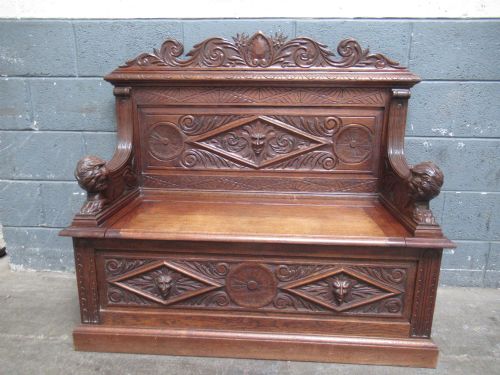
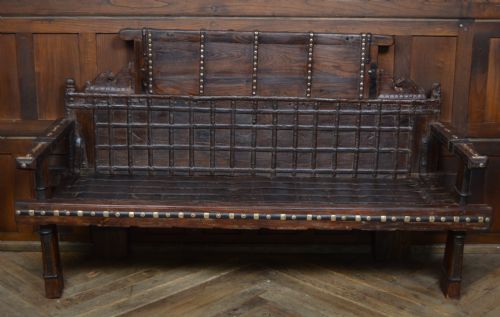
The versions most likely to meet you on this page include nineteenth-century French artisans' workbenches and Victorian oak bench seats. These range from substantial French country house workbenches measuring over eight feet to carved hall stands. Styles cover Victorian rustic, French provincial, and Indian vernacular forms.
Makers shaped these items across distinct periods, from 1880 to the broader nineteenth century and the early twentieth century. Materials combine timber, oak, beech, and hardwood with cast iron and brass components. Each form reflects the specific demands of a workshop, garden, or hallway.
How they were made
Makers built these pieces using durable hardwoods such as oak and beech paired with sturdy timber frames. Artisans integrated functional elements like wooden vices and brass fixtures directly into the heavy wooden structures.
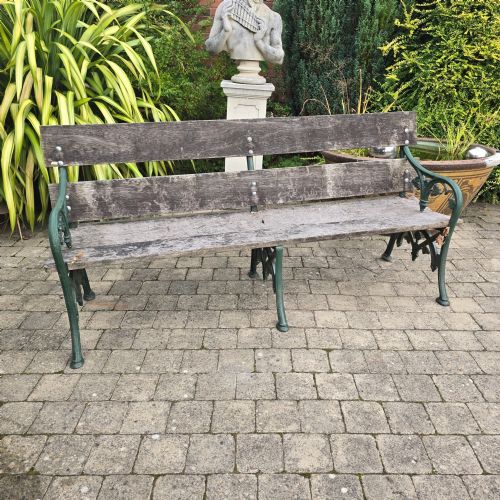
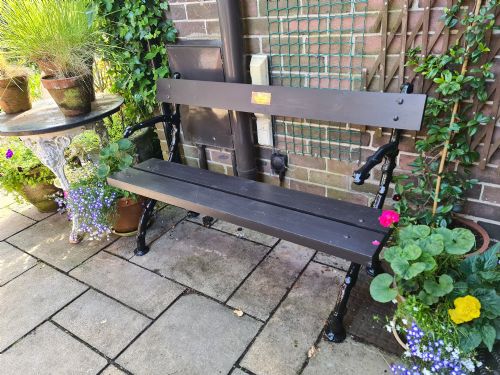
Cast iron and iron components provide structural reinforcement and decorative support, particularly in garden benches and hall stands. Carved detailing appears on nineteenth-century oak bench seats and Dutch or Flemish hallstands, showing traditional hand-carving techniques.
Listings feature items from the 19th Century, 1880, 1920, and the Victorian period, utilising oak, cast iron, beech, and hardwood.
What varies in quality
Quality separates everyday utility pieces from finely carved or exceptionally large examples. The presence of integrated vices, substantial timber dimensions, and original cast iron elements elevates a piece.
Carving depth and decorative detail distinguish standard utility workbenches from refined Victorian hall stands and rustic French country pieces. The integrity of the combined hardwood and iron structure dictates the overall standing of the item.
The Heavy Wood Bench Glossary
- Workbench
- A sturdy table used by artisans for manual work, often fitted with a working vice. These heavy timber frames were built to withstand intense daily labour in French workshops.
- Hall bench
- A seating piece designed for an entrance hall or passage, sometimes combined with a hall stand. These items often feature carved oak and architectural woodwork.
- Cast iron
- An iron-carbon alloy poured into moulds to create rigid structural supports and decorative ends. This material frequently underpins nineteenth-century garden benches.
- Vernacular
- Architecture or furniture built by local artisans using traditional methods and regional materials. Indian vernacular benches show distinct regional building traditions.
- Vice
- A mechanical screw device mounted to a workbench to hold a workpiece securely. Artisans relied on these heavy wooden or metal jaws during daily construction.
Heavy Wood Bench: Frequently Asked Questions
What is a heavy wood bench used for?
These pieces serve practical seating and heavy-duty workspace functions across domestic and garden settings. Garden benches provide outdoor seating, while workbenches function as utility tables.
Hall benches and hall stands furnish entranceways with seating and storage structures. Their robust construction supports heavy daily use.
How do I identify a 19th-century bench?
Nineteenth-century pieces show period-specific joinery, material combinations, and wear patterns. Artisans utilised solid oak, beech, and cast iron without modern manufacturing shortcuts.
Dates like 1880 or broader Victorian eras appear in the construction style and decorative carving. Examine the timber grain and structural fastenings to understand the age.
Where should I place a workbench?
A workbench suits kitchens, studios, or living spaces as a central table or console. The substantial length and integrated vices offer practical surface area.
Ensure the floor can support the significant weight of hardwood and iron structures. Position the piece away from extreme heat sources to protect the timber.
Are cast iron benches weather resistant?
Cast iron frames provide heavy structural weight and durability for outdoor garden use. These components resist tipping and endure outdoor conditions when properly maintained.
Wood elements require appropriate treatments to withstand moisture and changing temperatures. Combine regular checks with sheltered placement during harsh winters.