


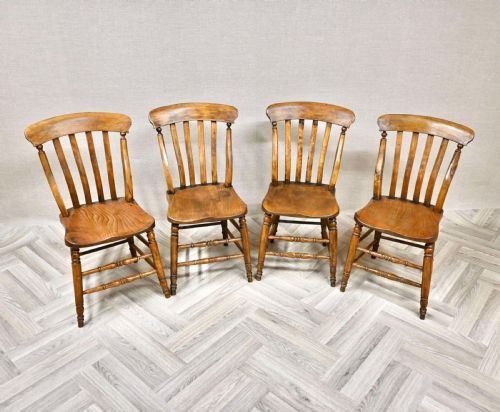

Solid Elm Chair
A solid elm chair brings decades of vernacular character into a room through its distinctive timber grain and sturdy country construction.
Solid Elm Chair
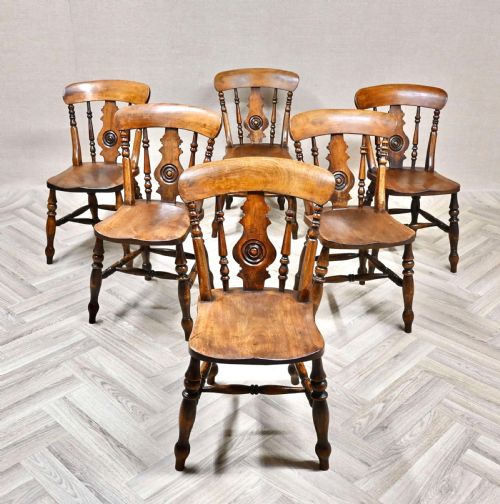
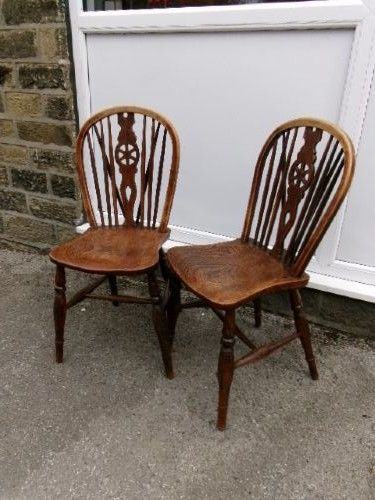
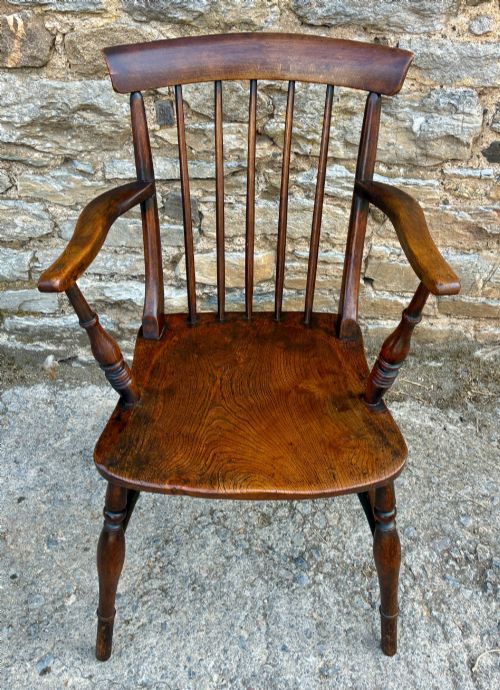
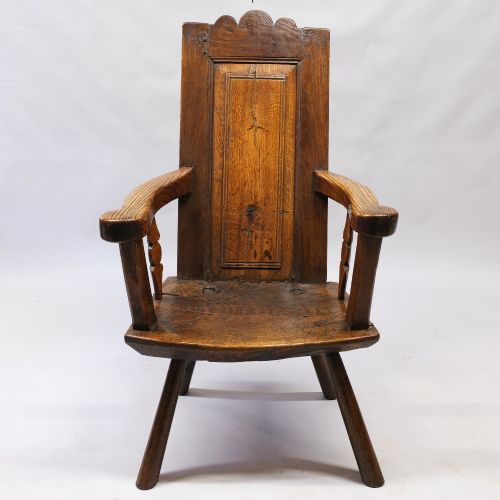
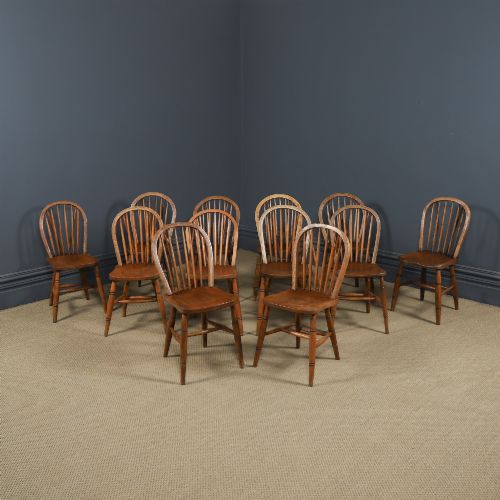
When you search for a solid elm chair, you are looking at utilitarian seating rooted in traditional British and European country craftsmanship. The pieces listed on this page span the eighteenth, nineteenth, and early twentieth centuries, encompassing domestic dining chairs, kitchen armchairs, and low-backed smokers bows. These items were built for daily use in farmhouses, cottages, and provincial workshops rather than formal drawing rooms.
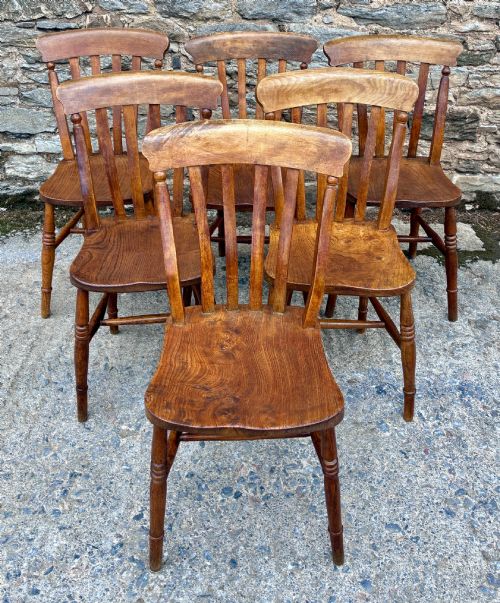
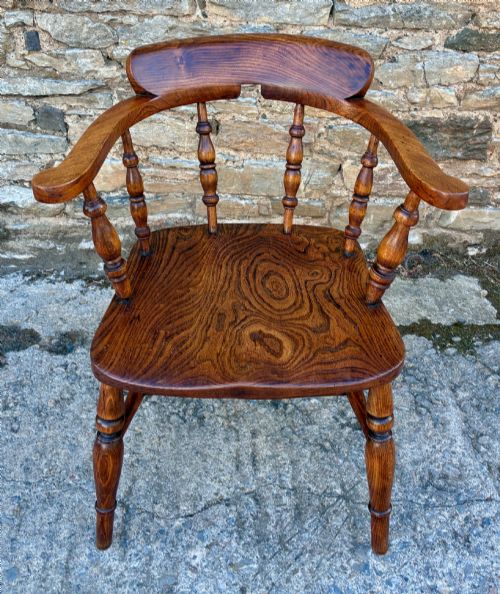
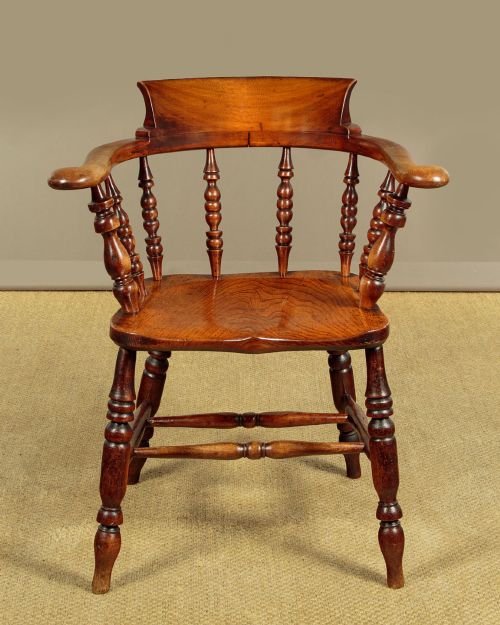
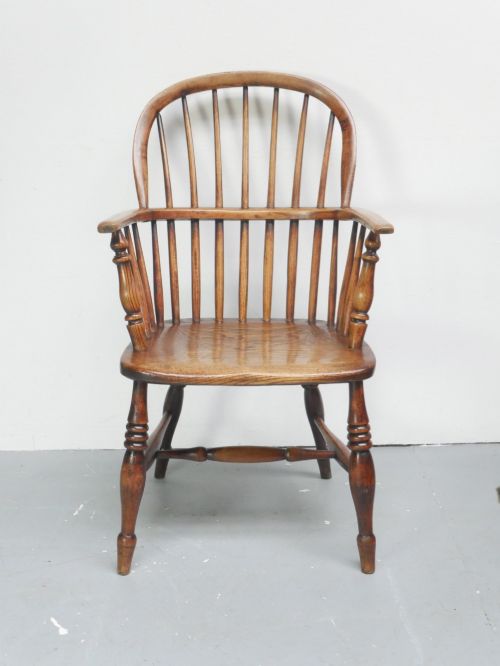
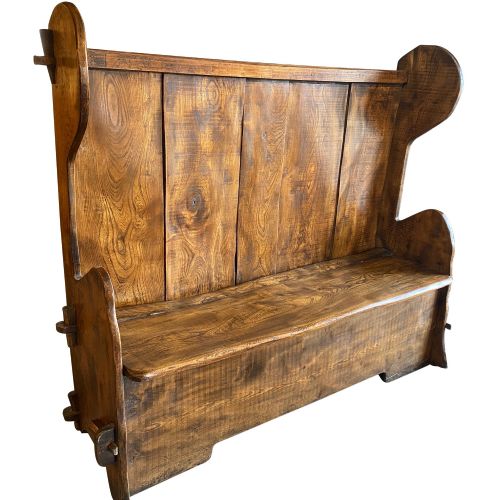
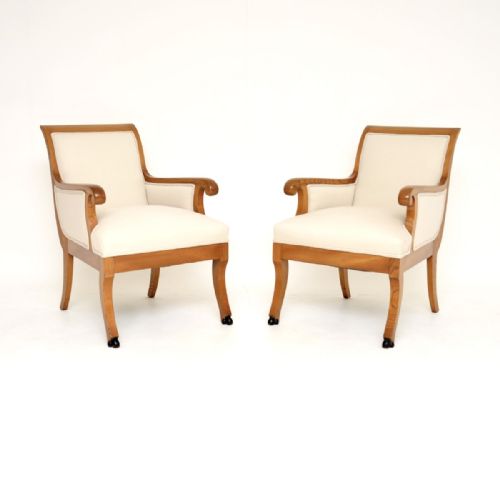
The version you are most likely to meet on this page is the Windsor chair or the related captain's chair, typically featuring a pronounced saddle seat carved from a single thick slab of timber. Alongside these individual seats, you will frequently find matched sets intended for kitchen dining tables, as well as occasional settles, benches, and rocking chairs. Origins stretch across English counties, Scottish regions, and occasionally into Swedish neoclassical workshops.
Elm occupies a central role in these vernacular forms because the timber possesses an interlocking grain that resists splitting under heavy stress. Country makers utilised this tough quality to shape thick seats and steam-bend slender spindles without fracture. Whether configured as a high-backed Windsor or a low bar-back desk chair, each piece displays the practical utility demanded by rural households.
What varies in quality
The standard of a piece depends largely on the depth and definition of the saddle shaping in the seat slab and the harmony of the turned components. Superior examples display balanced proportions in the spindle rake and smooth, hand-carved contours that show careful attention from the maker. Lesser pieces can feel stiff or heavy-handed, with uniform thickness that lacks the ergonomic comfort of better regional work.
Originality of components and surface preservation dictate the standing of individual chairs within the market. Chairs retaining their initial timber combinations, untouched patination, and matching sets command greater interest than those assembled from mismatched parts or subjected to heavy modern stripping. The integrity of the structural wedging beneath the seat further separates ordinary utilitarian seating from finer vernacular craftsmanship.
Fred Walker·Glenisters of High Wycombe
The Solid Elm Chair Glossary
- Windsor chair
- A wooden chair constructed with a thick solid seat into which the legs, back spindles, and bow are separately fixed. This form developed deep regional variations across British and Scandinavian workshops.
- Smoker's bow
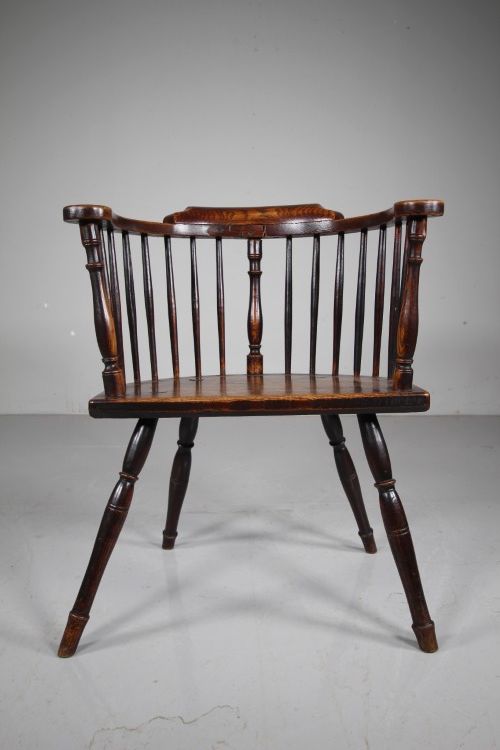
- A low-backed armchair featuring a continuous bentwood rail supported by short spindles above a thick wooden seat. These comfortable seats frequently served in offices, smoking rooms, and farmhouse kitchens.
- Saddle seat
- A wooden seat base scooped and carved into a concave shape to mimic the contours of a saddle for improved comfort. Makers used adzes and scorps to hollow out the thick elm timber.
- Lathe back
- A chair back featuring flat, vertical wooden slats rather than turned round spindles. These slats were often tapered and shaped on a pole lathe by local turners.
- Bodger
- A traditional pole-lathe turner working in the woods to produce chair legs and spindles for assembly. They played a vital role in the rural cottage industries supplying larger furniture shops.
Solid Elm Chair: Frequently Asked Questions
What is a solid elm chair?
A solid elm chair is a traditional piece of vernacular seating built around a heavy carved wooden seat, frequently associated with country Windsor and kitchen designs.
These chairs rely on the tough, interlocking grain of elm timber to withstand centuries of domestic use without splitting at the joints.
How do I identify a Windsor chair?
A Windsor chair is distinguished by its separate components fitted directly into a thick wooden seat base rather than a continuous frame.
Look for turned legs and spindles wedged into the underside of the seat beneath a curved back bow.
Are these chairs comfortable for daily seating?
Many of these chairs were ergonomically shaped by makers who carved concave dips into the thick wooden seats for practical comfort.
Their sturdy construction makes them suitable for daily dining or desk use when paired with appropriate table heights.
How should I care for antique elm furniture?
Maintain antique elm by keeping it away from direct heat sources and sudden temperature fluctuations that can cause the timber to dry and split.
Apply natural beeswax occasionally to nourish the grain and preserve the historic surface patina.