

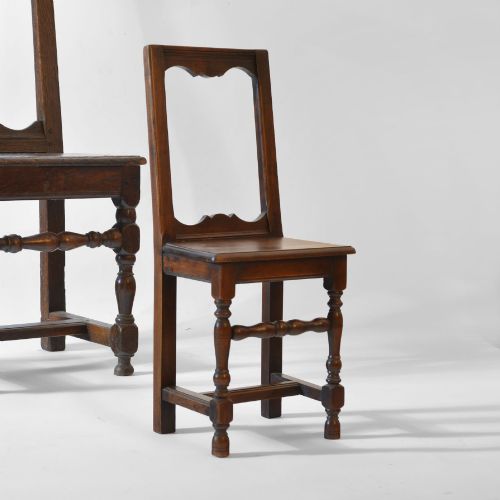


18th Century Nursery Chair
An 18th century nursery chair brings small-scale Georgian craftsmanship into modern rooms, offering sturdy fruitwood, elm, or mahogany seating made for children centuries ago.
18th Century Nursery Chair
An 18th century nursery chair encompasses historical children's seating from the Georgian period, including sturdy high chairs, rocking chairs, and miniature armchairs. These pieces were built for everyday domestic use in affluent households or rural farmhouses, serving the daily needs of infants and toddlers.
How they were made
Cabinet makers and rural bodgers utilised solid native hardwoods such as elm, fruitwood, and yew, often combining turned spindles with bentwood components for strength. Windsor construction methods employed heavy-seated planks bored to receive legs and back staves securely.
Higher status urban examples turned to rich mahogany and walnut, employing sophisticated joinery, curved armrests, and brass details. Surface finishes relied on natural wax and polish, which have deepened in tone and character over centuries of handling.
18th Century Nursery Chair Retail Price Guide 2026
Typical asking prices for 18th century nursery chair among the pieces listed under this phrase on Sellingantiques today, from the lower quarter to the upper quarter. They describe what is for sale here now, not the wider market.
Potty rockers combined childcare and convenience, letting restless infants soothe themselves while securely seated.
What varies in quality
The distinction between ordinary utility items and superior examples lies in the choice of timber and the sophistication of the turning. Richly figured mahogany or carefully selected yew wood denotes a workshop of higher ambition than simple pine or mixed fruitwoods.
Proportion and structural integrity also separate the grades. Pieces that retain their original height, unaltered stretchers, and balanced vernacular forms demonstrate superior original design, whereas heavily adapted or poorly re-pegged examples command less interest from purists.
The 18th Century Nursery Chair Glossary
- Windsor chair
- A chair built with a solid wooden seat into which the legs and back spindles are separately inserted. This method provided exceptional stability for daily use by children.
- Crinoline stretcher
- A curved metal or wooden brace linking the legs of a chair to provide extra rigidity. It resembles the stiffened petticoats worn during the period.
- Spindle back
- A chair back constructed from a series of turned vertical wooden rods. This lighter framing was common in vernacular country seating.
- Fruitwood
- Timber sourced from fruit-bearing trees such as apple, pear, or cherry, favored by country makers for its dense grain and warm tone. It polishes to a rich lustre over time.
18th Century Nursery Chair: Frequently Asked Questions
How were these children's chairs used?
They served practical daily functions in historical households, keeping young children secure during meals or soothing infants to sleep in rocking bases.
High chairs elevated the child to table height, while sturdy low rockers allowed toddlers to move safely about the nursery or hearth.
How do I identify a Georgian child's chair?
Look for period construction traits such as pegged joints, hand-turned spindles, and native timbers like elm, yew, and fruitwood. Proportions are strictly scaled down for children rather than adults.
Stylistic markers often align with broader Georgian design movements, ranging from rustic farmhouse forms to refined mahogany Chippendale-influenced chairs.
How do I live with antique children's furniture?
These pieces integrate easily into modern interiors as decorative accents, toy displays, or standalone sculptural objects in living spaces and hallways. Their diminutive scale makes them versatile.
Keep them away from direct heat sources and sudden humidity changes to protect the centuries-old timber and traditional wax finishes.