

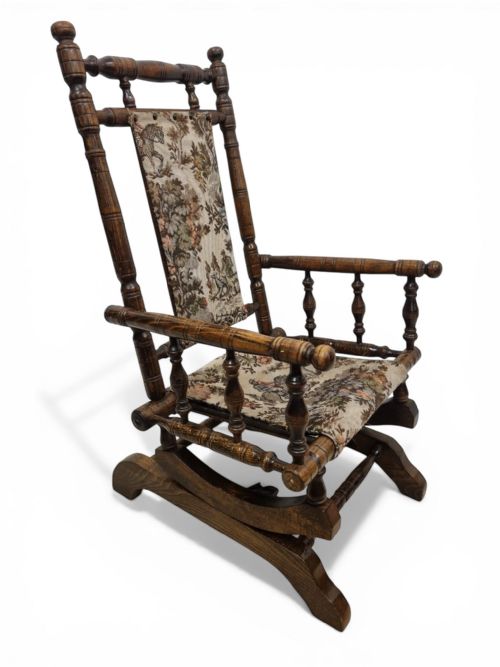


Antique Child Rocker
An antique child rocker brings centuries of small-scale craftsmanship into domestic spaces, offering miniature seating and playful motion shaped for children.
Antique Child Rocker
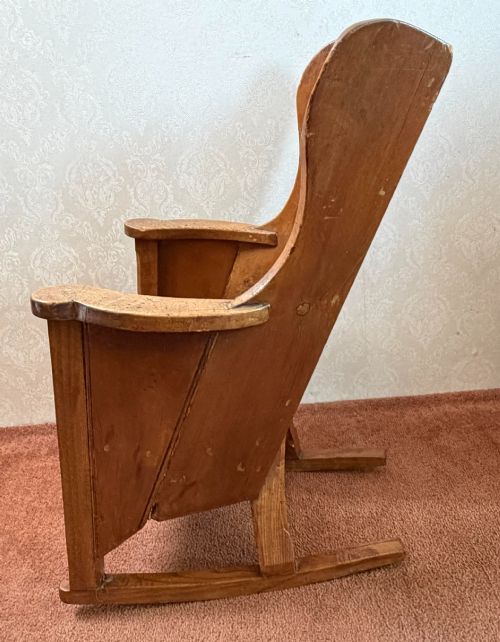
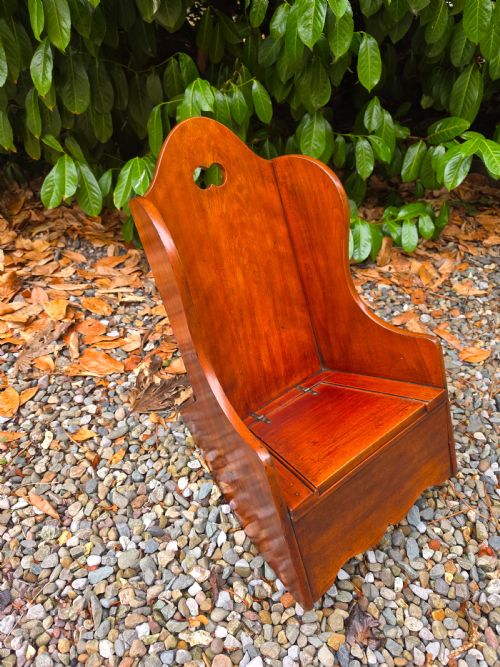
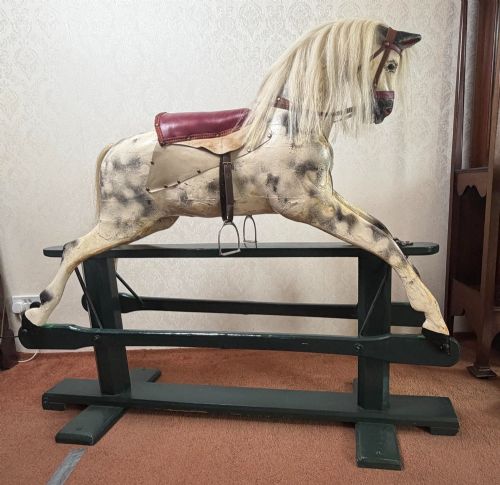
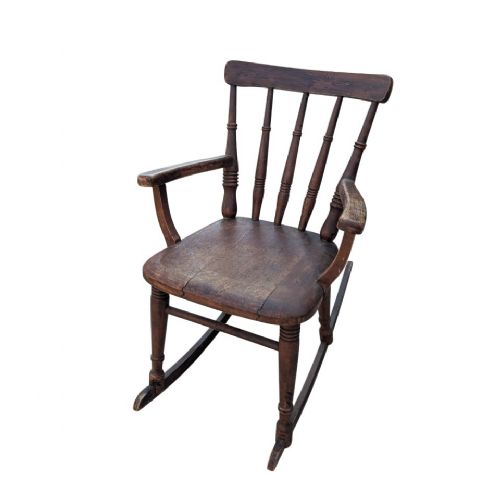
An antique child rocker encompasses small-scale seating and horses designed for children, appearing across the seventeenth, eighteenth, nineteenth, and twentieth centuries. Buyers seeking an antique child rocker encounter forms ranging from simple spindle backs to upholstered armchairs and miniature rocking horses.
The selection includes regional vernacular examples from English, Welsh, and Scandinavian traditions, alongside American rockers and bentwood models. These pieces reflect domestic life across Georgian, Victorian, Edwardian, and later periods.
Makers produced these smaller rockers for nurseries and parlours, utilising robust timbers to withstand daily use. Surviving examples demonstrate how furniture makers adapted adult forms for younger occupants.
Materials and construction
Carpenters and joiners built these rockers using solid hardwoods like oak, elm, fruitwood, mahogany, beech, ash, and pine. Many chairs feature turned spindles, bentwood components, or carved wooden frames mounted on curved rocking shoes.
Some examples incorporate rush or cane seating, whilst others utilise solid wooden seats or tapestry upholstery. Makers shaped the timbers with traditional joinery techniques to ensure stability and smooth movement.
Listings feature oak, elm, fruitwood, pine, and mahogany, spanning centuries from the 17th century through the Georgian and Victorian eras.
Assessing quality and character
Quality rests in the selection of timber, the integrity of the joinery, and the retention of original surfaces such as early paint or polished patina. Finer examples display thoughtful turning on spindles and well-proportioned arms and rockers.
The Antique Child Rocker Glossary
- Spindle back
- A chair back constructed with vertical turned wooden rods fitted between the seat and top rail. This construction method provides lightweight strength.
- Bentwood
- Wood softened through steaming and bent into curved structural forms. This technique created lightweight chairs with fluid lines.
- Lambing chair
- A traditional hooded armchair designed to shield the occupant from drafts. Small versions adapted this vernacular form for children.
- Potty rocker
- A specialised nursery chair incorporating a concealed recess beneath the seat. These practical pieces served young children during house training.
Antique Child Rocker: Frequently Asked Questions
How were antique child rockers used?
These pieces served practical seating roles in nurseries, parlours, and living spaces across households. Children used them for resting, playing, and dining.
Miniature rocking horses provided active indoor play, whilst miniature chairs allowed children to sit near adults at a suitable scale.
How do I date a child rocker?
Dating relies on timber species, construction methods, tool marks, and stylistic traits associated with specific periods. Georgian and Regency pieces often show hand-turned spindles and native hardwoods.
Later Victorian and Edwardian examples introduce factory production techniques, bentwood framing, and different upholstery styles.
Are these rockers safe for children?
Whilst many survive in sturdy condition, antique rockers were built to past standards and often function best as decorative objects or collector display pieces.
Buyers intending regular use by children should inspect the structural stability of the joints and the curve of the rocking feet.
What is a bentwood child rocker?
A bentwood rocker utilises steam-bent timber components pioneered by makers such as Thonet during the nineteenth century. This technique produced curved, lightweight frames.
Such pieces often feature distinctive circular motifs and minimal joinery compared to traditional pegged chairs.