






Victorian Nursery Rocker
These pieces for a victorian nursery rocker encompass compact wooden seating and traditional children's furniture designed for gentle motion.
Victorian Nursery Rocker
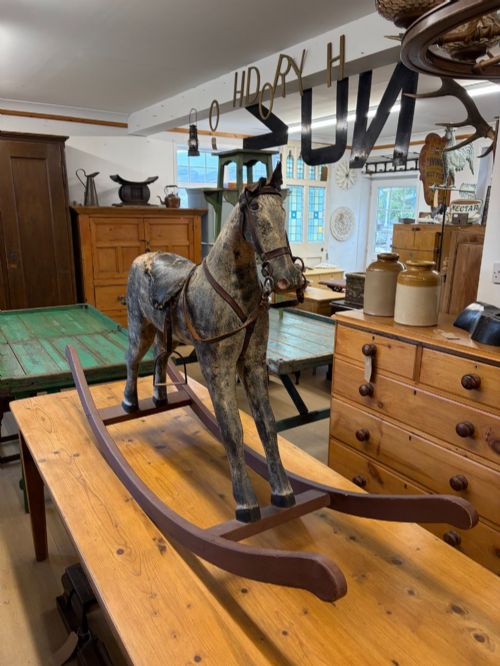
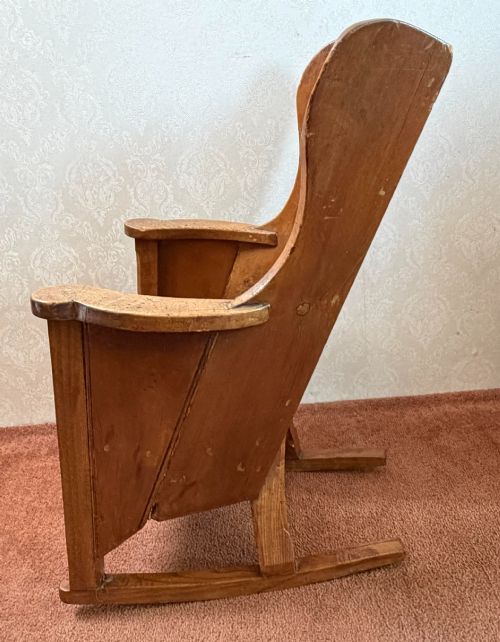
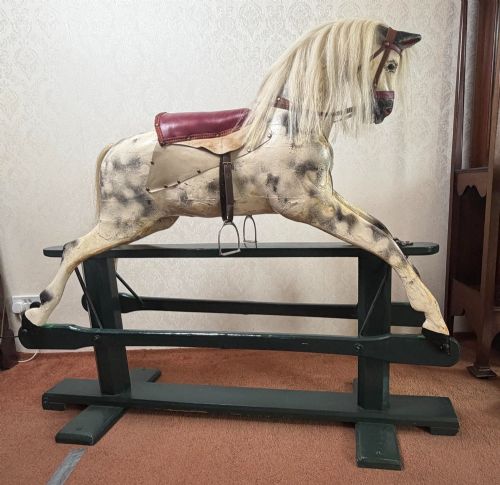
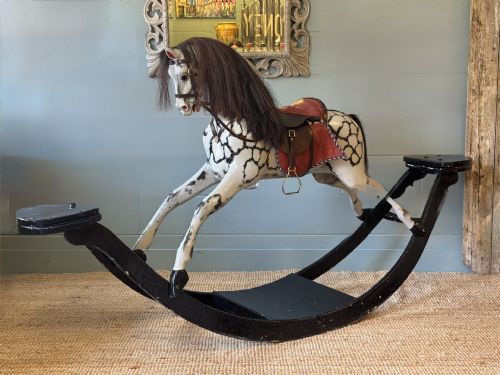
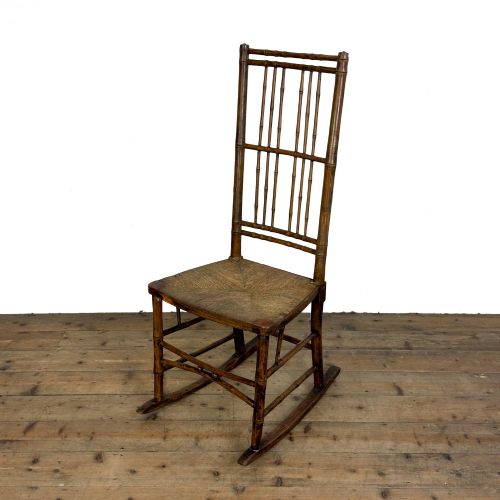
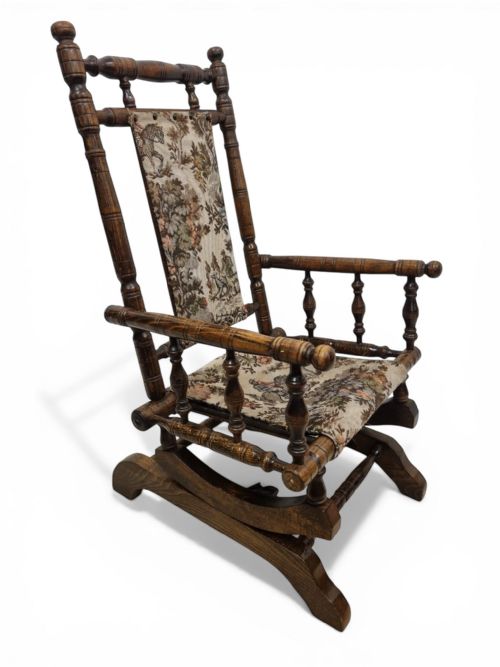
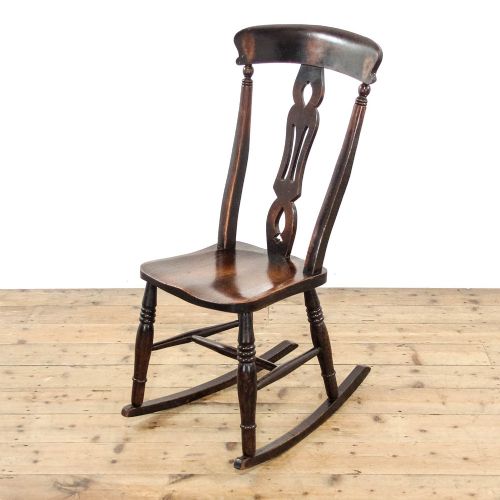
When searching for a victorian nursery rocker, buyers encounter a selection dominated by child's rocking chairs, miniature armchairs, and carved wooden rocking horses. These domestic items span the nineteenth century and the Edwardian period, often constructed in regional vernacular styles such as Windsor or rustic country frameworks.
The physical evidence on this page shows smaller seating forms, including bentwood chairs alongside cradles and cribs mounted on wooden rockers. Beech, elm, and pine feature frequently in these regional examples, alongside painted finishes and original upholstery like tapestry or horsehair.
Makers such as G & J Lines and Thonet appear among the broader nineteenth-century items, representing specialised production of rocking horses and bentwood furniture. Most pieces, however, remain unsigned country workshop items intended for everyday use in nineteenth-century domestic spaces.
Materials and construction methods
Makers built these pieces using solid woods like beech, ash, fruitwood, and elm, often combining turned spindles with solid moulded or panelled wooden seats. Steam-bending techniques appear in bentwood examples, allowing timber to form continuous curves for frames and armrests.
Surface treatments recorded in the evidence range from plain polished wood to original paint and ebonised finishes. Upholstered variants incorporate traditional stuffing materials such as horsehair beneath leather or tapestry coverings.
Materials recorded across the inventory include solid beech, elm, fruitwood, cane, leather, and original painted wood surfaces.
Distinctions in construction and finish
Quality in these items rests upon the integrity of the timber joints and the retention of original surfaces such as early paint or polished grain. Pieces that retain their original curved wooden rockers without extensive timber replacement stand out from heavily altered examples.
The refinement of the turning on spindles and the survival of original upholstery materials, including horsehair and early tapestry, separate standard utility pieces from more finished workshop productions.
G & J Lines of London·Thonet
The Victorian Nursery Rocker Glossary
- Windsor
- A traditional chair construction method featuring turned legs and spindles wedged directly into a solid wooden seat. These chairs often incorporate a bow back or comb back design.
- Bentwood
- Furniture formed by steaming timber until pliable and bending it into curved shapes. This technique defines the lightweight rocking chairs produced by makers like Thonet.
- Ebonised
- Wood finished with a dark stain or paint to imitate the appearance of ebony. This decorative treatment appears on nineteenth-century frames.
- Cane
- Woven plant material used for seating panels and backrests. It provides a lightweight and flexible surface.
- Horsehair
- Traditional stuffing material packed beneath fabric upholstery. It offers a firm and durable filling for nineteenth-century seats.
Victorian Nursery Rocker: Frequently Asked Questions
How were these rockers used?
These chairs and cradles served practical domestic roles in nineteenth-century households for seating children or soothing infants to sleep.
Their compact scale allowed them to fit easily into smaller rooms and nursery spaces alongside larger household furniture.
Are these pieces suitable for children?
Many of these items were constructed specifically as child's rocking chairs or small armchairs during the nineteenth century.
Due to their age and historical construction methods, modern buyers often treat them primarily as decorative or collectible display pieces.
What woods were commonly used?
Constructors utilised accessible local timbers including beech, elm, pine, ash, and fruitwood for their strength and availability.
Selected examples also feature ebonised finishes or applied paint over the base timber.
How do I identify the period?
Dating relies on construction techniques, turning styles, and material choices recorded across the nineteenth and early twentieth centuries.
Stylistic indicators such as Aesthetic Movement details or bentwood framing help narrow down the production era.