


Smiths Dial Clock
These smiths dial clock pieces are robust timepieces originating from transport networks, offices, and maritime use, valued for their dependable utilitarian design.
Smiths Dial Clock
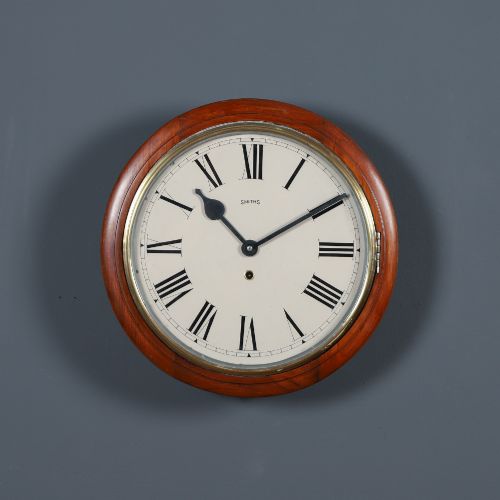
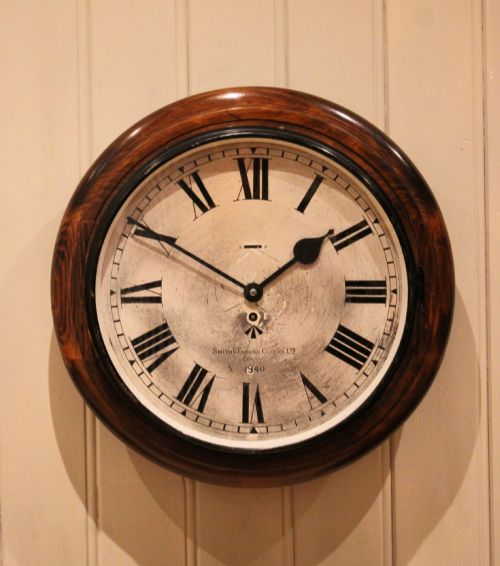
A smiths dial clock typically presents as a round wall-mounted timekeeper designed for clarity and function. The selections span railway stations, schools, transport boards, and ministry offices from various periods.
Buyers are most likely to encounter mid-twentieth-century examples featuring wooden or metal surrounds and clear circular faces. These practical forms descend from a long British tradition of reliable public timekeeping.
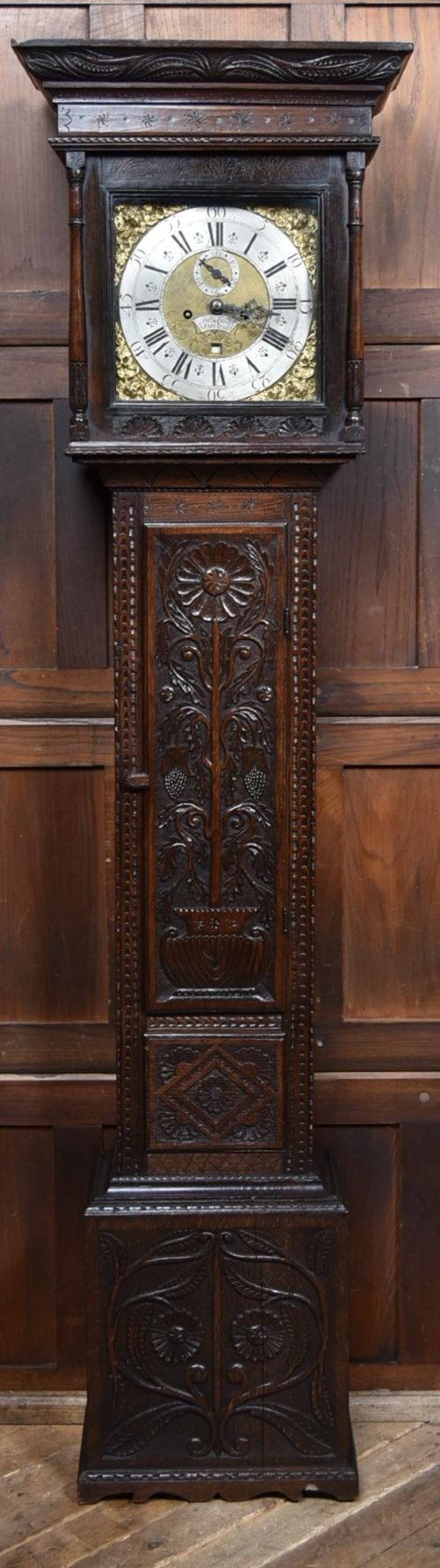
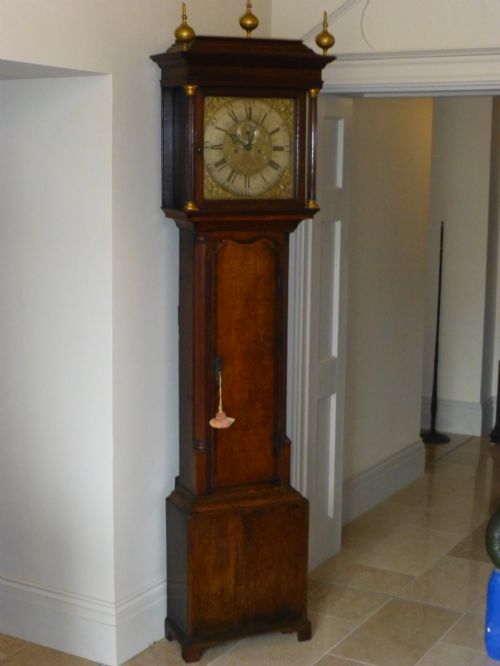
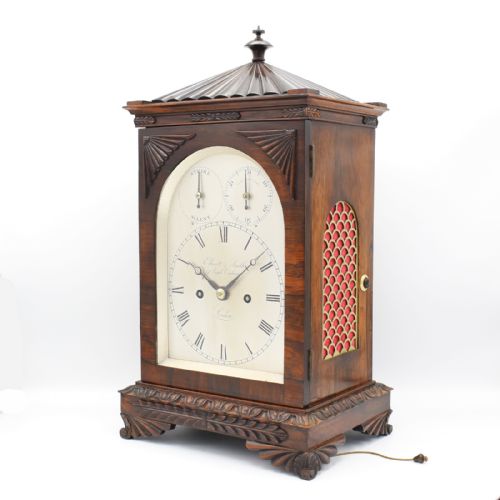
The evidence shows these clocks appearing across decades including the 1930s and 1940s, alongside earlier longcase and bracket pieces associated with makers sharing this surname. Such pieces connect domestic interiors with industrial and institutional history.
Materials and construction
Makers constructed these dials and cases utilising solid timbers such as mahogany, oak, beech, and walnut alongside durable metals. Brass components feature in movements, bezels, and bulkhead surrounds.
Dials incorporate glass covers to protect paper, painted, or enamel faces. Later utility and military issues utilise robust painted metal or austerity casings suited to demanding environments.
Garage promotional items remind us that even spark-plug manufacturers needed to know precisely when knock-off time arrived.
Distinctions in quality
Quality rests in the precision of the movement and the integrity of the original case timbers or metal housings. Examples produced for railway networks, government ministries, or transport boards maintain strict functional standards.
The clarity of the dial layout and the retention of original components separate standard production items from specialised institutional or signed pieces.
Smiths Clocks·Goldsmiths And Silversmiths Co Ltd
The Smiths Dial Clock Glossary
- Dial clock
- A round wall clock designed for clear legibility in public spaces, offices, or transport hubs. These typically feature a hinged wooden or metal bezel enclosing a glass face.
- Bulkhead clock
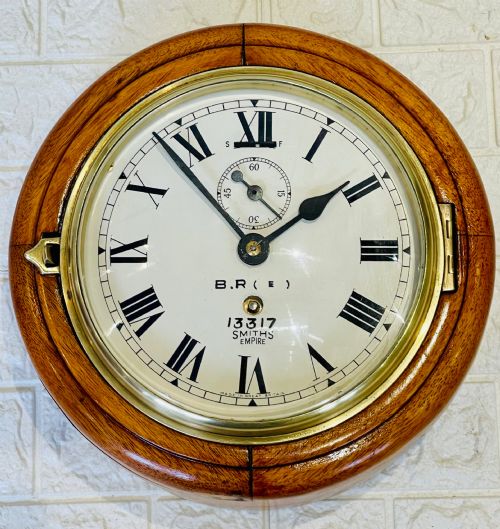
- A heavy-duty marine timepiece constructed to withstand moisture and vibration on ships or watercraft. They usually feature screw-bezels and robust brass or metal cases.
- Fusee movement
- A mechanism utilising a cone-shaped pulley to equalise the driving force of the mainspring as it unwinds. This system promotes consistent timekeeping across the duration of the wind.
- Bracket clock
- A portable tabletop or shelf clock originating from the period when bracket supports were necessary. These often incorporate striking mechanisms and refined wood veneers.
- Longcase clock
- A tall freestanding weight-driven timekeeper housed in a wooden trunk. Also known as grandfather clocks, they accommodate long pendulums for accurate tracking.
Smiths Dial Clock: Frequently Asked Questions
Where were smiths dial clock pieces originally used?
These clocks served in railway stations, schools, ministry offices, and aboard ships. Their clear circular faces ensured readability from a distance in busy environments.
Institutional requirements shaped their durable construction, relying on robust oak, mahogany, or metal housings to withstand continuous daily operation.
How do I identify wartime or utility era pieces?
Wartime issues often display ministry markings, such as air ministry or wartime board stamps, alongside simplified austerity casings. Materials during these periods reflected wartime resource constraints.
Simpler wood finishes and utilitarian metal bezels characterise these functional items, separating them from commercial domestic models.
What is the difference between a wall dial and a bulkhead clock?
Wall dials typically feature wooden surrounds designed for interior offices, schools, and stations. They hang easily from standard wall fixings.
Bulkhead clocks utilise heavy brass or metal housings engineered for marine environments, featuring watertight seals and secure mounting points.
How should I care for a vintage dial clock?
Mount the clock securely to a solid wall using appropriate fixings to support the weight of the timber case and movement. Ensure the clock hangs plumb so the pendulum or escapement beats evenly.
Wind the movement gently according to its specific eight-day or thirty-hour capability without over-tensioning the spring.