


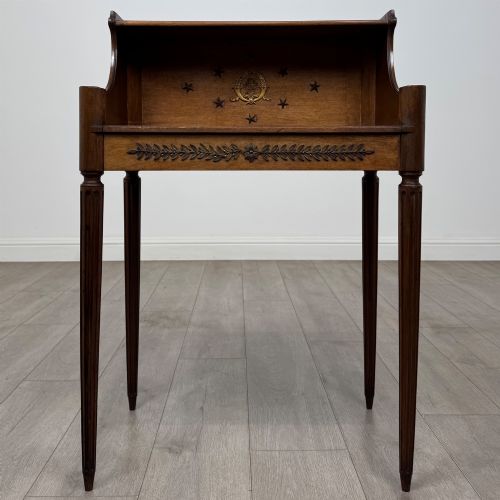
Small Writing Desk
When you search for a small writing desk, you meet compact companions designed for correspondence and accounts across the Georgian, Victorian, and Edwardian eras.

Small Writing Desk
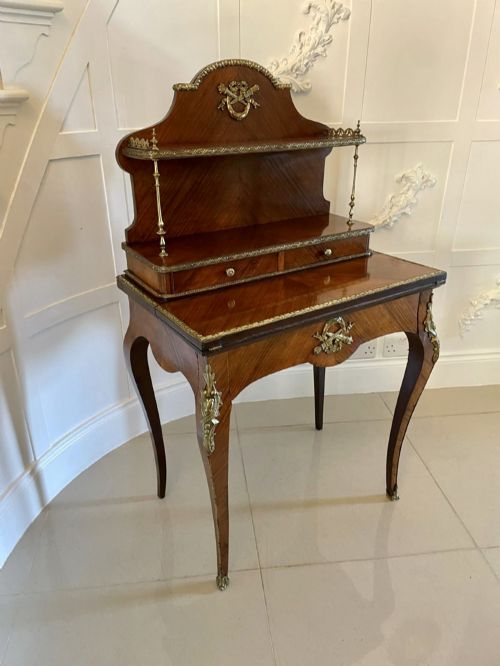
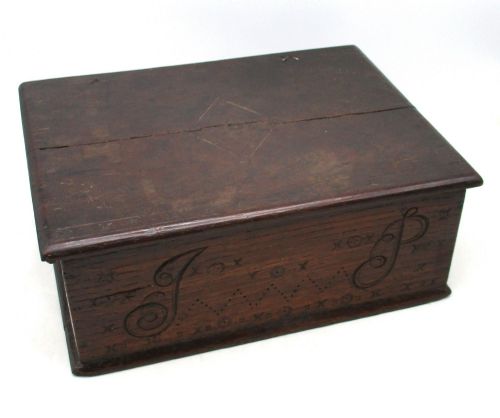
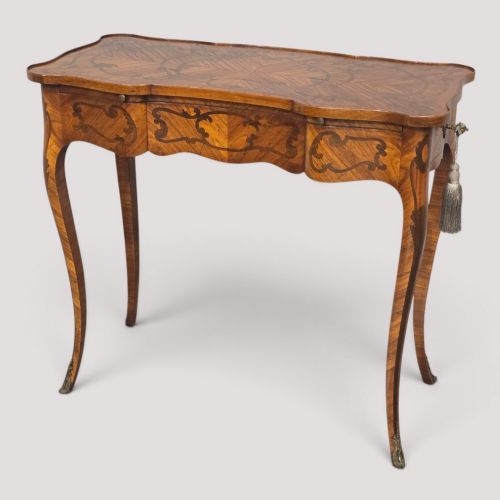
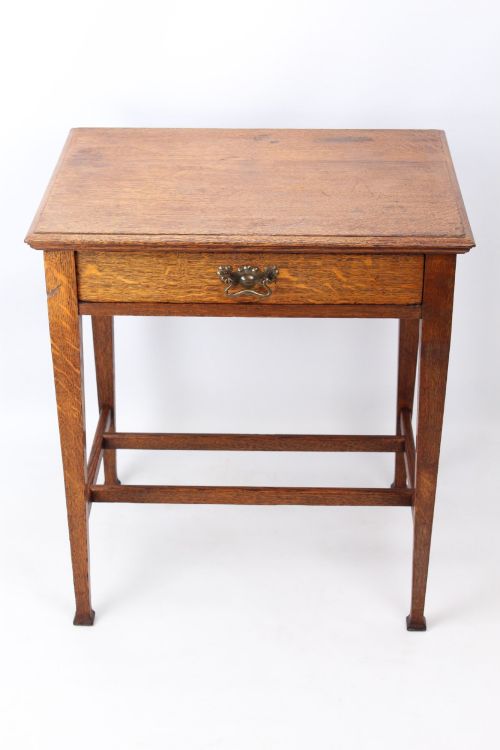
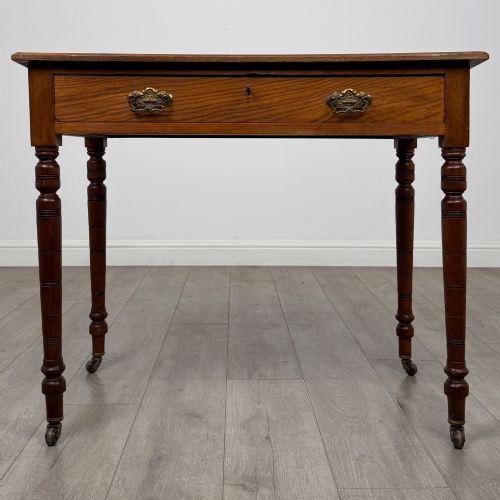
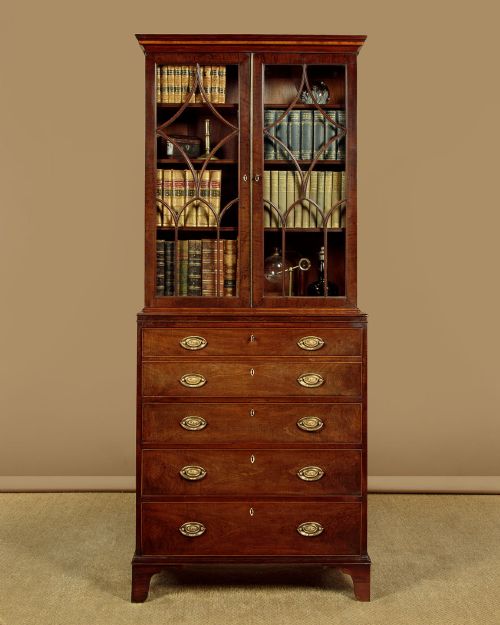
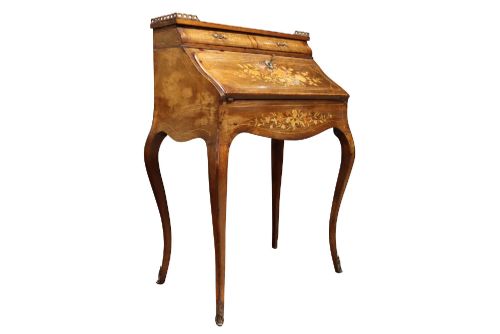
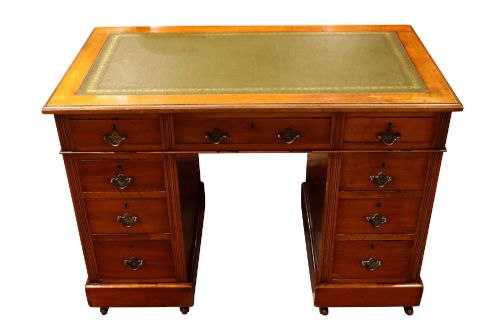
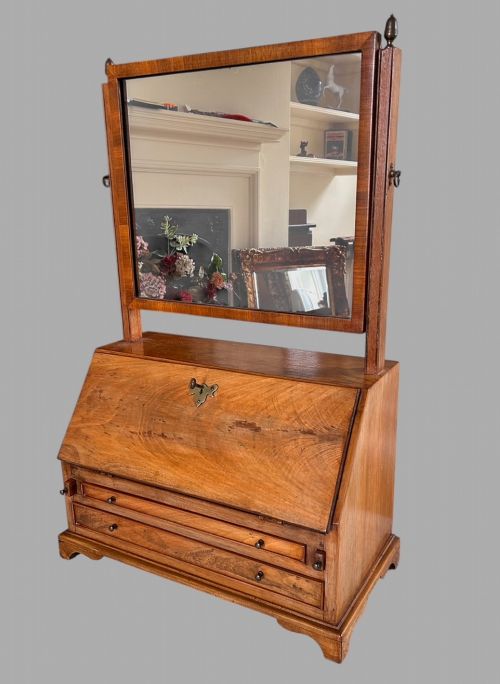
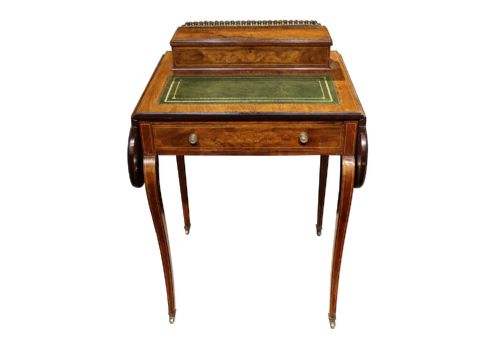
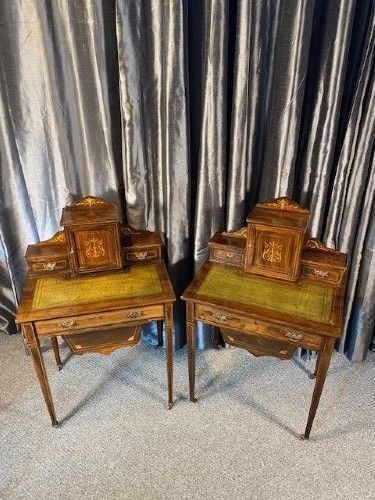
A small writing desk encompasses varied forms designed for compact workspace, ranging from pedestal desks and kneehole desks to bureaux and bonheur-du-jours. The pieces appearing here span centuries from the eighteenth through to the early twentieth, covering Georgian, Victorian, and Edwardian periods.
The version you are most likely to meet on this page is a mahogany or oak table or bureau designed to fit domestic rooms of modest proportions. Makers adapted these forms to serve specific domestic needs, incorporating fitted interiors, drawers, and drop fronts.
Origins stretch across English workshops and continental European centres, drawing on regional cabinet-making traditions. These tables and cabinets reflect the shifting interior fashions of their times, moving from walnut and oak towards satinwood, rosewood, and inlaid mahogany.

How they were made
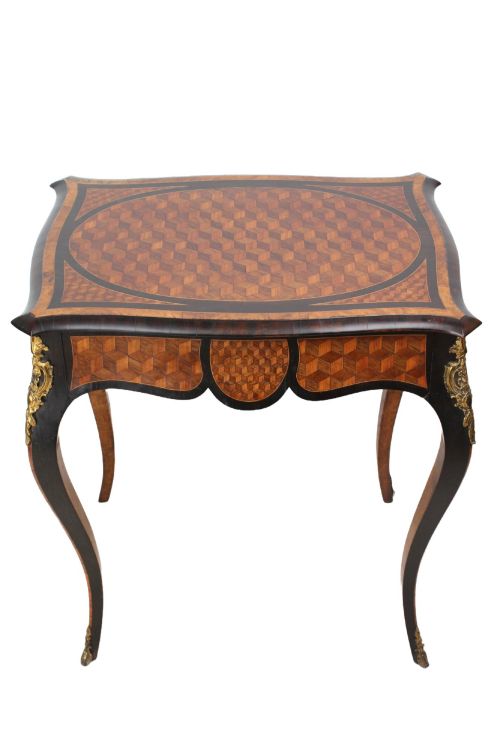
Cabinet-makers relied upon solid timbers such as mahogany, oak, and walnut for structural integrity, often applying veneers of burr walnut, rosewood, or satinwood to visible surfaces. Marquetry, parquetry, and string inlay introduced decorative surface patterns across panels and drawer fronts.
Drawer construction utilised traditional dovetail joints, while specialised pieces incorporated brass handles, ormolu mounts, and leather writing surfaces. Writing mechanisms varied from simple drop leaves and slope fronts to rising desk lids and fitted compartments.
Small Writing Desk Retail Price Guide 2026
Typical asking prices for small writing desk among the pieces listed under this phrase on Sellingantiques today, from the lower quarter to the upper quarter. They describe what is for sale here now, not the wider market.
Apprentice pieces occasionally appear, created by young cabinet-makers proving their mastery of dovetails and miniature proportions.
What varies in quality
Quality rests upon the selection of timber figures, such as burr walnut or figured mahogany, and the precision of the cabinet-making. Finer examples display meticulous attention to internal fittings, secret drawers, and secondary woods.
The sophistication of decorative techniques, including hand-cut marquetry and crisp brass or ormolu mounts, distinguishes standard utility items from elite cabinet work produced by notable makers.
JAS Shoolbred·Gillows·CV Smith·Heals & Son London
The Small Writing Desk Glossary
- Bureau
- A desk with a sloping hinged lid that opens to reveal a fitted interior of small drawers and pigeonholes. These often sit upon a frame with legs or a chest of drawers.
- Bonheur-du-jour
- A light-standing lady's writing desk featuring a small cabinet or set of shelves upon the upper surface. This French form became popular during the nineteenth century.
- Kneehole desk
- A pedestal desk or table featuring a central recess for the user's legs, flanked by banks of smaller drawers. They provide compact storage while maintaining a formal architectural facade.
- Davenport
- A small compact desk featuring a sloped writing surface above a pedestal of side drawers. The top often incorporates a stationery box or pen compartment.
- Parquetry
- Geometric wood-mosaic work used for decorating floors, furniture surfaces, and panels. Artisans arrange contrasting timber veneers in repeating angular patterns.
Small Writing Desk: Frequently Asked Questions
What is a Davenport desk?
A Davenport is a compact writing desk featuring a sloping, leather-inset writing surface that often lifts to reveal storage. A bank of drawers typically opens to one side while the dummy drawers face the other.
First appearing in the Regency period, these pieces suited small drawing rooms and boudoirs where floor space was at a premium.
How do I date a small writing desk?
Dating relies upon timber selection, hardware, construction methods, and prevailing decorative styles. Georgian pieces often display heavy oak or mahogany frames, while Victorian and Edwardian examples introduce varied veneers and machine-assisted dovetails.
Secondary woods inside drawers also offer clues to the origin and period of manufacture.
Where were these desks used?
These desks served domestic functions in private homes, from gentlemen's studies and libraries to ladies' boudoirs and drawing rooms. They provided dedicated spaces for writing letters, managing household accounts, and keeping personal journals.
Their smaller proportions allowed them to sit comfortably against walls or in corners where full-sized library tables would not fit.