

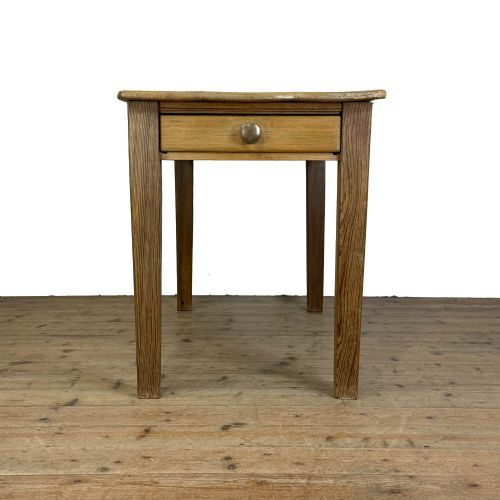

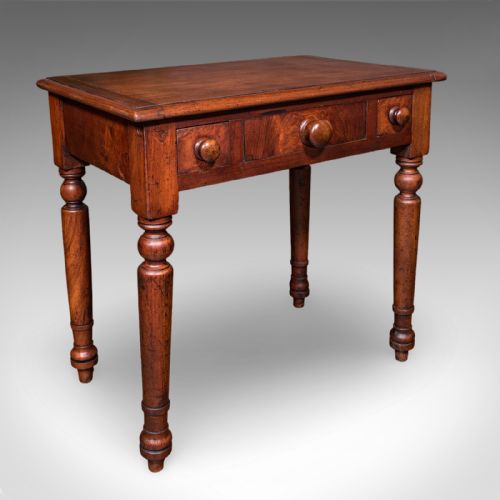
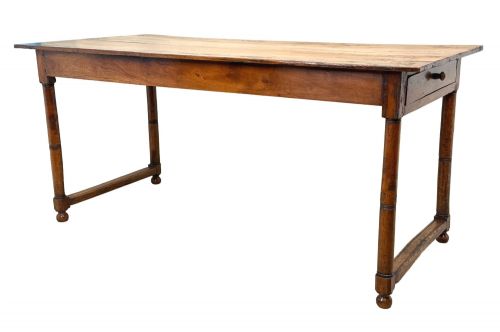
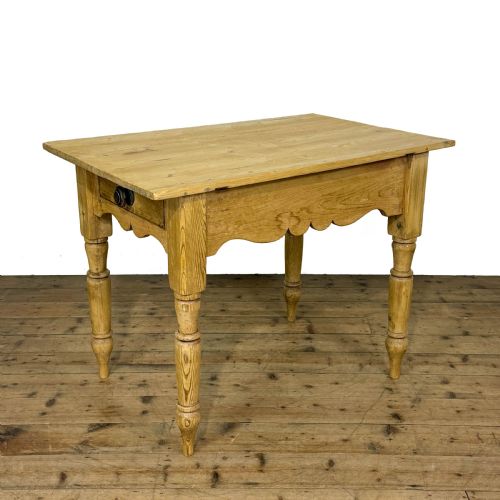



Small Wooden Writing Table
A small wooden writing table brings proportion and purpose to a room, offering a compact surface designed for correspondence and study.
Small Wooden Writing Table
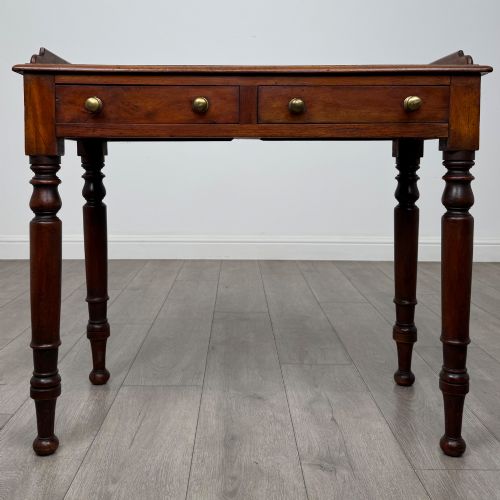
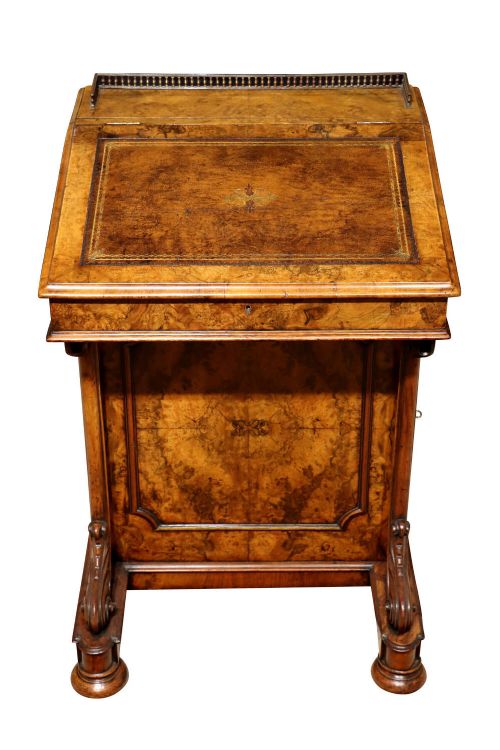
A small wooden writing table is an enduring piece of furniture built to provide a dedicated writing surface without dominating a room. When searching for a small wooden writing table, buyers encounter a variety of forms ranging from compact Victorian and Edwardian desks to Georgian side tables and Davenport desks.
The pieces appearing here stem primarily from the Georgian, Victorian, and Edwardian eras, utilising traditional timbers such as mahogany, oak, walnut, and pine. Many examples incorporate fitted drawers, leather inserts, or internal compartments suited for letters and writing materials.
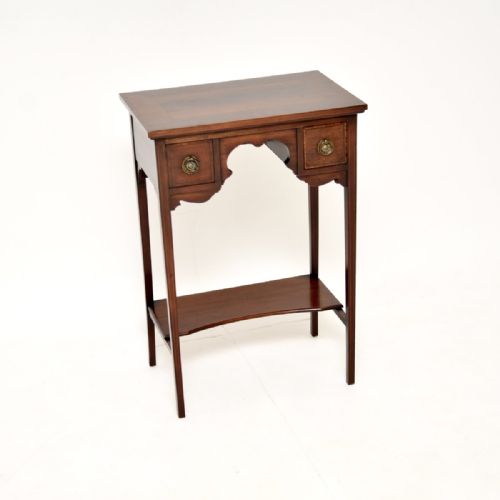
The selection reflects both formal writing desks and versatile tables adapted for domestic use, including ladies writing desks, side tables, and pedestal forms. Each piece demonstrates the craftsmanship of its period while maintaining a modest scale suited for modern or traditional interiors.
How they were made
Cabinet makers constructed these tables using solid hardwoods and selected veneers, with mahogany, oak, walnut, and burr walnut forming the primary structures. Timber selection determined both the durability and visual character of the desk, often enhanced by contrasting satinwood interiors or intricate marquetry.
Joinery techniques relied on traditional methods such as dovetailing for drawer construction and mortise and tenon joints for frames. Many surfaces featured fitted leather writing inserts, while brass hardware and turned or tapered legs finished the design.
The selection includes writing tables constructed from mahogany, oak, walnut, burr walnut, satinwood, pine, and fruitwood across the Georgian, Victorian, and Edwardian periods.
What varies in quality
Quality in these tables rests upon the selection of timber and the precision of the cabinet work. Superior examples display carefully matched veneers, finely cut dovetails, and secondary timbers of equal grade used in drawer linings.
Proportion and restrained detail separate standard domestic items from finer library and parlor pieces. The integration of specialised hardware, such as original brass handles and fitted internal compartments with satinwood highlights, distinguishes the higher tiers of production.
Gillows·Heals
The Small Wooden Writing Table Glossary
- Davenport desk
- A compact pedestal desk featuring a sloped writing surface above a set of drawers accessed from the side. This form became popular during the nineteenth century for its efficient use of space.
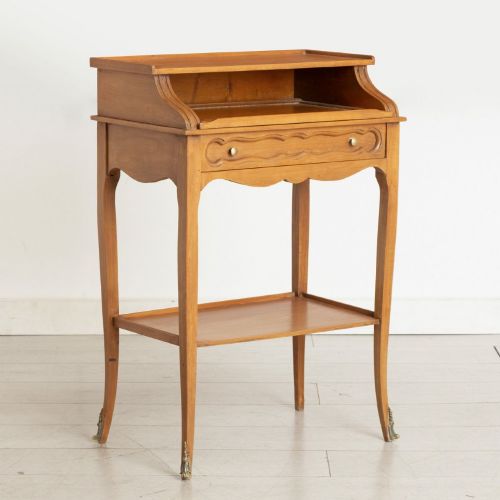
- Bonheur du jour
- A light ladies writing desk featuring a small cabinet or set of pigeonholes and drawers built upon the top surface. Originating in France, it combines elegance with practical storage for correspondence.
- Pembroke table
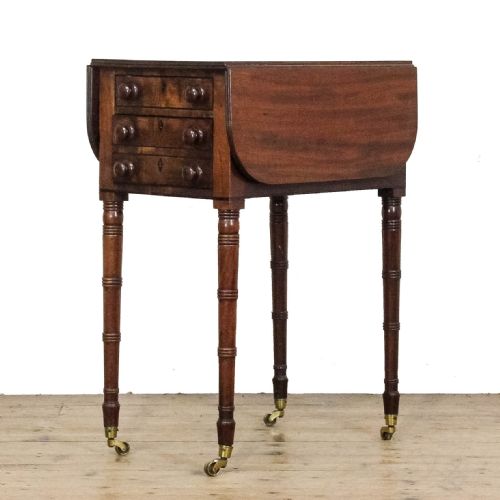
- A small drop-leaf table with hinged flaps on two opposing sides, often utilised as a versatile writing or work table. The design allows the footprint to expand or contract depending on space requirements.
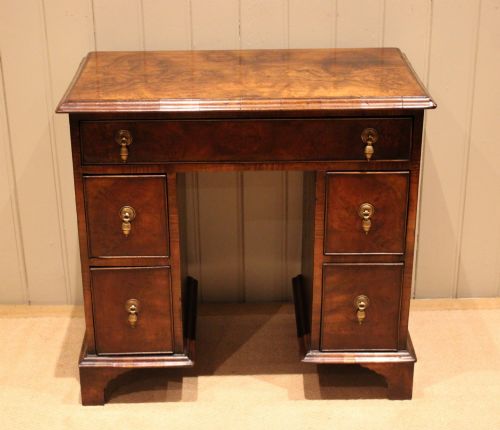
- Kneehole desk
- A formal desk featuring a central recess for the sitter's legs, flanked by pedestals containing banks of small drawers. Eighteenth and nineteenth-century examples often employ walnut or mahogany veneers.
- Marquetry
- The art of applying decorative veneer pieces of different woods, and sometimes ivory or shell, to form geometric or pictorial patterns. This technique frequently adorns the surfaces of Victorian and Edwardian writing furniture.
Small Wooden Writing Table: Frequently Asked Questions
How do I date an antique wooden writing table?
Dating relies on examining the structural timber, joinery methods, and hardware style. Earlier Georgian pieces often feature oak linings and hand-cut dovetails, while Victorian examples frequently utilise mahogany or walnut with machine-finished components.
Secondary woods, handle fixings, and the presence of maker's marks or stamps provide further clues to the manufacturing period. Comparing the overall silhouette against known stylistic eras narrows the date of origin.
Can I use a small writing table as a laptop desk?
The compact dimensions and modest height of these tables make them suitable for modern laptops and digital devices. Their shallow drawers also accommodate modern stationery and electronic accessories.
Care should be taken to protect antique leather or polished wood surfaces from heat and scratches by utilising a blotter or desk pad.
How do I care for the leather insert on a desk?
Leather writing surfaces benefit from gentle cleaning with a slightly damp cloth followed by a neutral leather conditioner to prevent drying. Avoid harsh chemical cleaners and excessive moisture that could damage the surrounding wood.
Keeping the leather treated helps preserve the gold-tooled borders often found on nineteenth-century examples.