


Birds Eye Maple Desk
A birds eye maple desk brings distinctive timber figure and useful workspace to a room, ranging from grand partners desks to sleek dressing tables.
Birds Eye Maple Desk
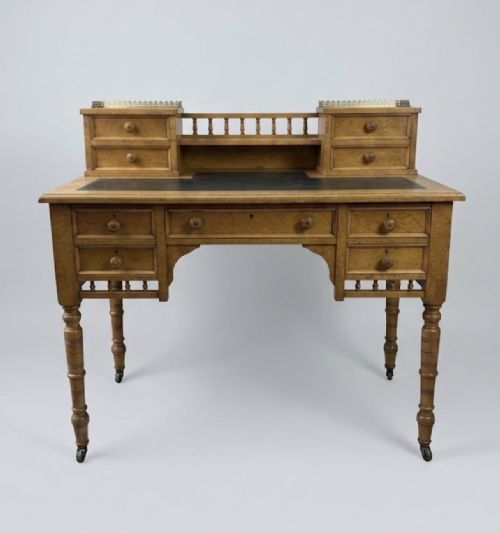
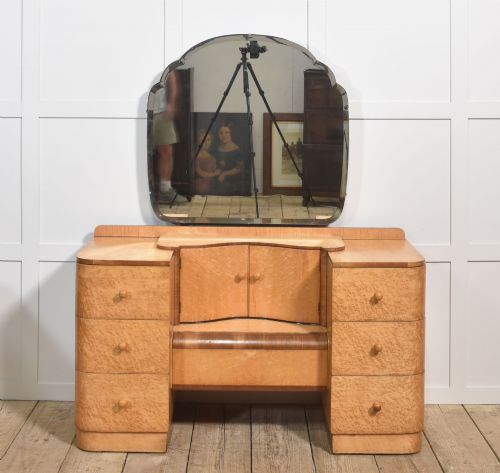
When you search for a birds eye maple desk, you encounter pieces spanning the nineteenth century up to nineteen thirty, including Victorian and Art Deco examples. These forms range from writing desks and kneehole pedestal desks to partners desks and dressing tables.
The nineteenth century examples often showcase rich figuring alongside rosewood or walnut, while nineteen thirties pieces lean towards modernist dressings with leather tops and silvered glass.
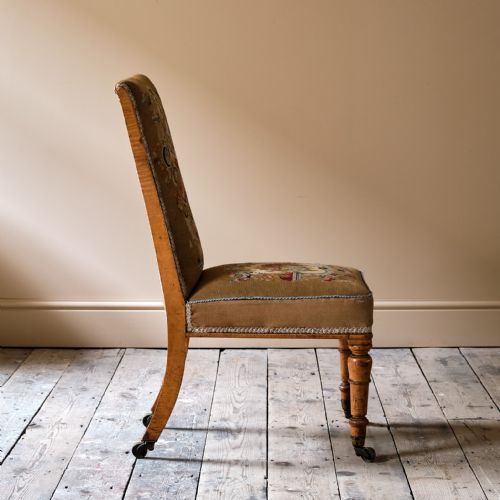
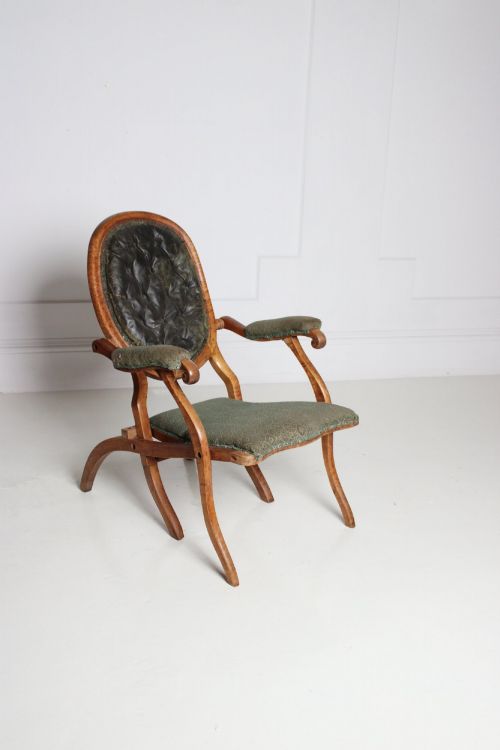
Beyond standard writing desks, related seating and companion pieces such as side chairs, armchairs, and sofa tables occasionally appear in the same timber.
Materials and Construction
Cabinet makers utilised birds eye maple veneers over solid foundational timbers, frequently combining the pale, dotted grain with contrasting dark woods like rosewood and walnut. This timber is paired with brass hardware, leather writing inserts, and occasionally glass or tapestry fabric.
The construction methods vary from traditional nineteenth century joinery with secret drawers and writing slopes to streamlined nineteen thirties Art Deco forms with integrated mirrors and modernist lines.
Listings span the nineteenth century, Regency period, Victorian era, and nineteen thirty Art Deco style, utilising birds eye maple alongside rosewood, walnut, brass, and leather.
Judging Quality
Quality rests in the intensity and evenness of the birds eye figure across the surfaces, alongside the crispness of secondary timber contrasts such as rosewood banding. Superior examples maintain intact original leather inserts, glass tops, and brass fittings without clumsy restoration.
The ambition of the form dictates distinction, separating simpler writing boxes and single pedestal tables from large partners desks and sculptural dressing tables.
Holland and Sons·Epstein
The Birds Eye Maple Desk Glossary
- Birds Eye Maple
- A figured variation of sugar maple timber showing small circular markings resembling tiny eyes. This pattern occurs naturally in the wood grain and is highly valued for decorative veneer work.
- Partners Desk
- A large double-sided writing table designed for two people to work opposite one another. These pieces typically feature banks of drawers and cupboards on both sides.
- Writing Slope
- A portable or stationary box with a slanted lid designed for letter writing. Inside, compartments hold inkwells, pens, and secret drawers.
- Kneehole Pedestal Desk
- A freestanding desk featuring two vertical stacks of drawers supporting the top, leaving a central space for the user's legs. This form became popular during the nineteenth century.
- Superstructure
- An upper tier of small drawers, shelves, or compartments fitted to the back of a desk or table top. It provides extra storage while keeping the main writing surface clear.
Birds Eye Maple Desk: Frequently Asked Questions
How do I date a birds eye maple desk?
Dating relies on the structural form, decorative style, and secondary woods used in the piece. Nineteenth century examples often display traditional drawer construction and rich contrasting veneers, whereas nineteen thirties pieces show clean modernist lines and geometric Art Deco styling.
Examining the interior linings, handles, and hardware also helps establish the era of manufacture. Victorian pieces differ substantially in proportion from the streamlined furniture produced in nineteen thirty.
Are these desks suitable for daily work?
Many of these desks provide functional workspace, particularly partners desks and kneehole pedestal tables which offer generous surface area and ample drawer storage. Smaller writing slopes and dressing tables serve better for light correspondence or laptop use rather than heavy office work.
Protecting the veneered surfaces with appropriate desk pads ensures the antique timber and leather inserts remain undamaged during routine use.
How do I care for birds eye maple furniture?
Keeping the timber away from direct sunlight and maintaining stable room humidity prevents the veneer from drying out or splitting. Gentle dusting with a dry cloth is sufficient for routine maintenance.
Avoiding harsh chemical polishes preserves the original finish and the delicate grain patterns characteristic of the maple timber.