

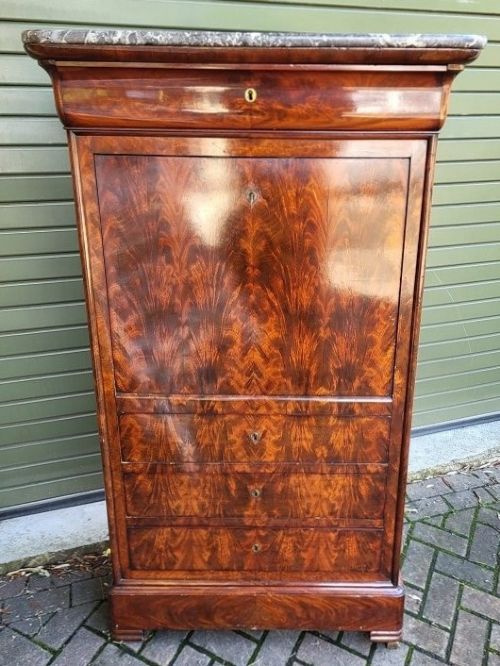


French Secretaire Cabinet
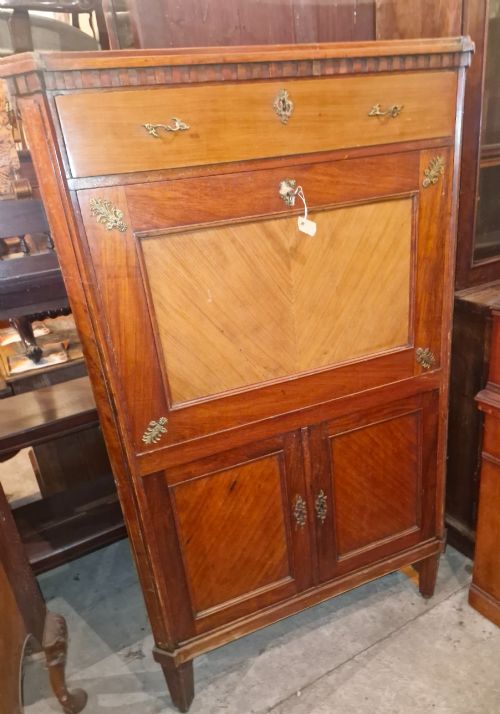
When you want a french secretaire cabinet, you are looking at nineteenth-century writing furniture designed with a drop-down front to hide a fitted desk.
French Secretaire Cabinet
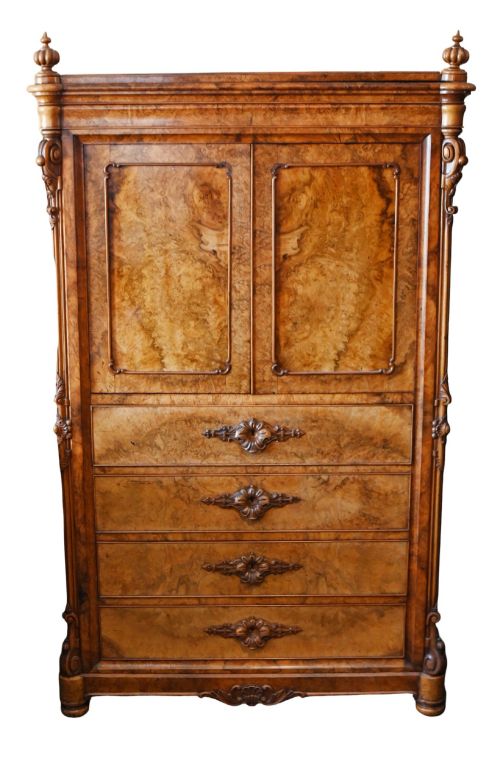
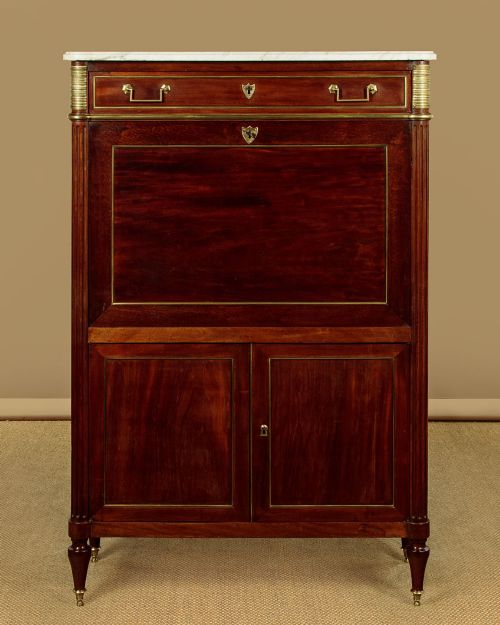
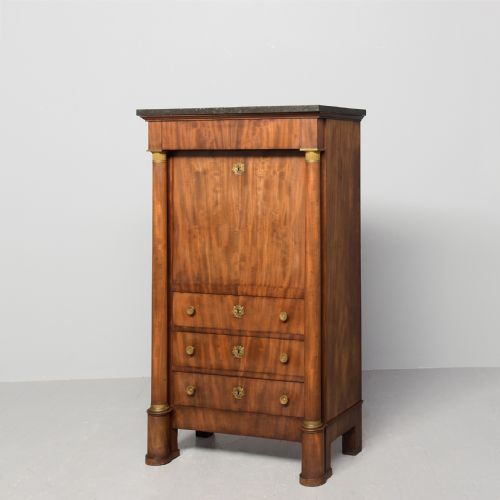
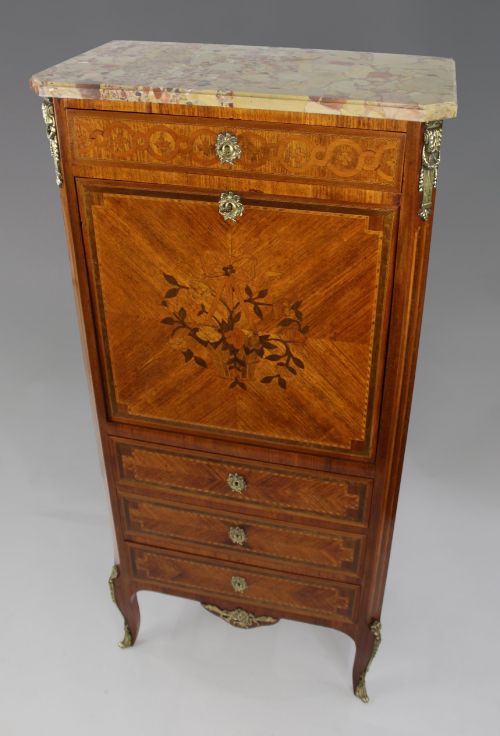
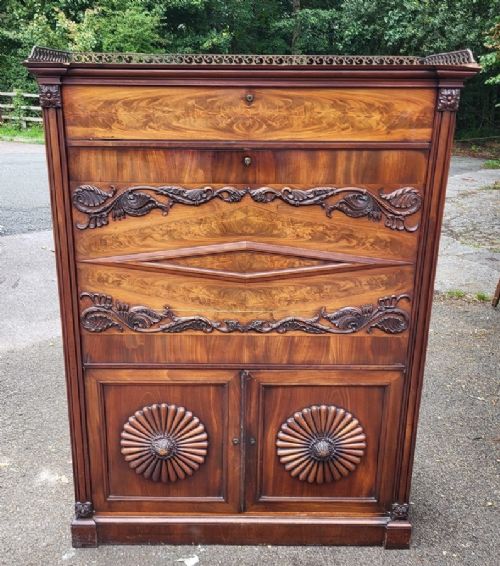
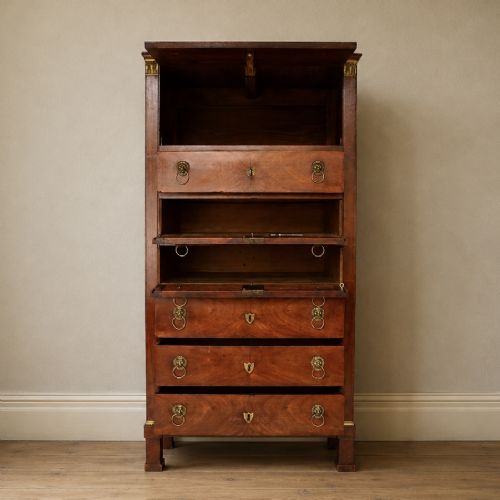
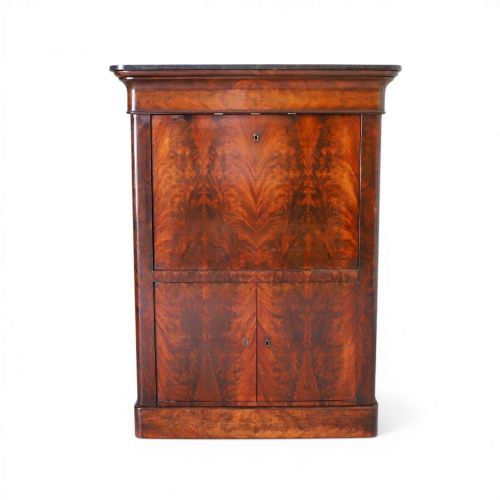
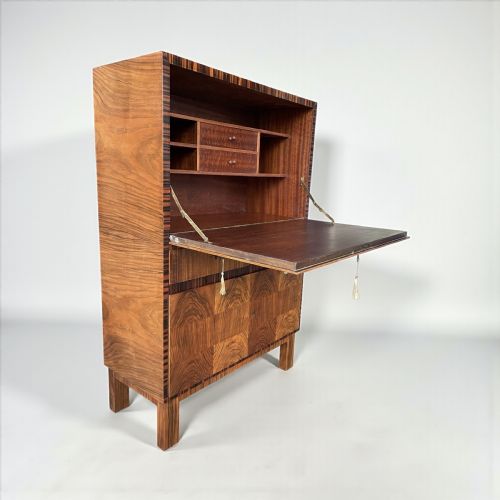
A french secretaire cabinet combines a chest of drawers or a tall cabinet with a fitted writing surface hidden behind a hinged flap, known as the abattant. These pieces date predominantly from the nineteenth century, spanning revival styles such as Louis XV and Louis XVI alongside French Empire and Victorian interpretations.
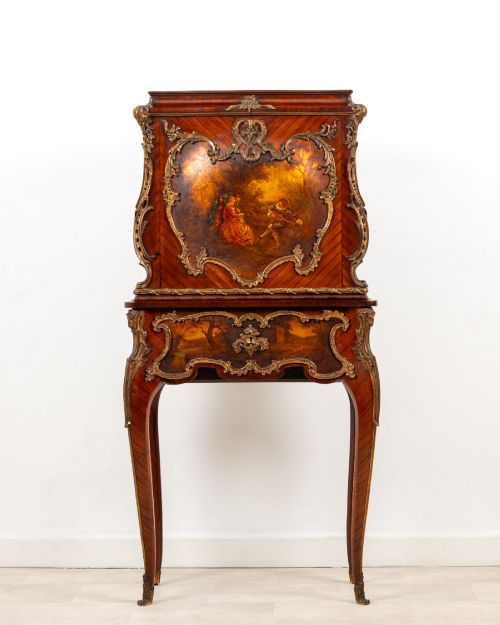
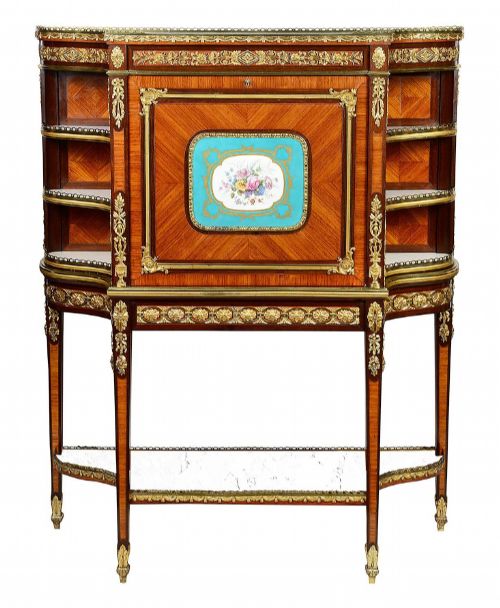
The most common form met on this page is the tall secretaire abattant, accompanied by escritoires, bonheur du jour writing cabinets, and occasional specialised pieces like cocktail cabinets or pharmacy chests. They serve as functional writing desks that fold away to present a neat, formal cabinetry front when not in use.
Materials and Construction
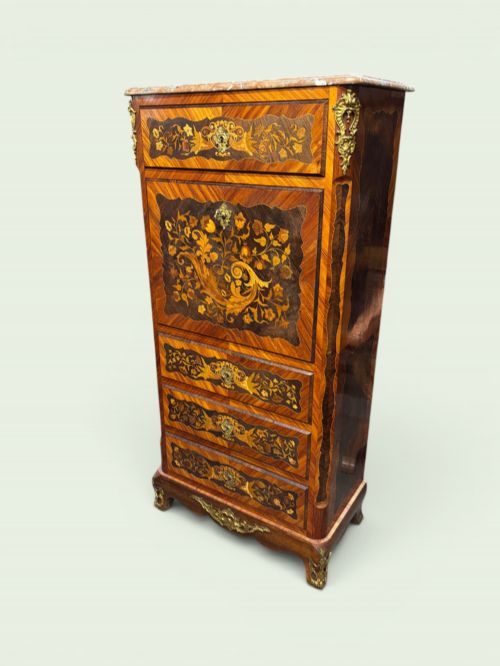
Cabinetmakers utilised solid and veneered timbers including mahogany, flame mahogany, walnut, kingwood, rosewood, and satinwood, often laid over oak or pine carcases. Marquetry and parquetry patterns provide geometric or floral surface decoration across the main panels.
Many examples incorporate thick marble tops, frequently in white or grey varieties, secured above cast or chased ormolu and gilt bronze mounts. Interior compartments conceal secret drawers and small pigeonholes accessed when the main writing flap is lowered.
One cabinet originally served in a pharmacy before finding a second life as a domestic secretaire.
Design and Execution
Quality rests in the precision of the cabinet work, from the alignment of the marquetry and parquetry to the seamless operation of the drop-down writing flap and secret compartments. Finer examples display crisper chasing on the ormolu mounts and heavier, better-figured veneers such as flame mahogany or kingwood.
The choice of secondary woods, the thickness and polish of the marble slab, and the presence of signed maker stamps separate standard production pieces from workshops of higher repute. Original mounts and intact interior fittings dictate the structural integrity of the surviving furniture.
Maison Krieger·Blake London
The French Secretaire Cabinet Glossary
- Abattant
- The drop-down writing flap of a secretaire cabinet that conceals the interior drawers and pigeonholes. It pivots on sturdy hinges to create a horizontal desk surface.
- Ormolu
- Gilt-bronze mounts applied to the corners, feet, and friezes of nineteenth-century furniture. It provides decorative contrast against dark veneers like mahogany and kingwood.
- Escritoire
- A small writing desk or cabinet equipped with drawers and a slanted or drop-down writing surface. The term often describes more compact French desk forms.
- Parquetry
- Geometric wood inlay forming repeating patterns across cabinet doors and drawer fronts. Craftsmen cut small blocks of contrasting timbers to achieve the mosaic effect.
- Vernis Martin
- A type of simulated Japanese lacquer developed in France, featuring painted scenes under a clear varnish. It appears on select decorative panels of nineteenth-century cabinets.
French Secretaire Cabinet: Frequently Asked Questions
What is a secretaire abattant?
A secretaire abattant is a tall upright cabinet featuring a hinged front panel that pulls down to serve as a writing desk. Inside, it reveals a collection of small drawers and pigeonholes for correspondence.
This form allowed owners to conceal their writing materials and paperwork behind formal cabinet doors when the desk was not in use.
How do I spot a marble top?
Many nineteenth-century French writing cabinets feature thick marble slabs fitted directly to their upper surfaces. These slabs are usually white, grey, or veined, and sit flush with the wooden moulding.
They added weight and stability to the tall furniture while providing a durable, heat-resistant surface for lamps and decorative objects.
Where are the secret drawers?
Secret drawers in these cabinets are typically hidden behind miniature facades within the inner pigeonhole compartment. They often require the removal of a small false floor or the release of a spring-loaded latch to slide open.
Cabinetmakers designed these compartments to secure correspondence, coins, or small valuables out of sight.
What woods were used?
French cabinetmakers employed a range of native and exotic timbers, including mahogany, walnut, rosewood, and kingwood. Flame mahogany and burr walnut were selected for their striking grain patterns on main exterior panels.
These fine veneers were laid over sturdier secondary timbers like oak using traditional animal glues.