




Small Wooden Specimen Box
A small wooden specimen box organises natural curiosities, minerals and small artefacts in compact drawers and glazed cases.
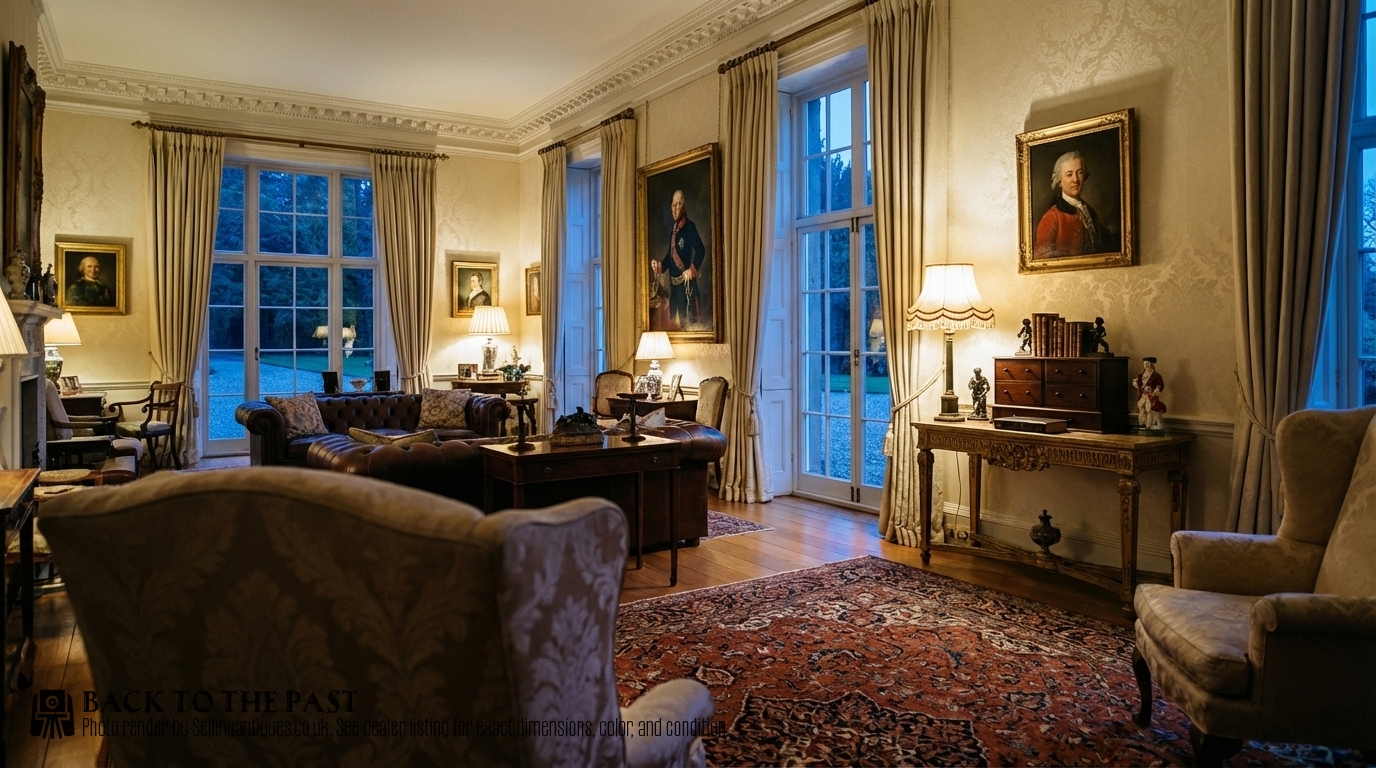
Small Wooden Specimen Box
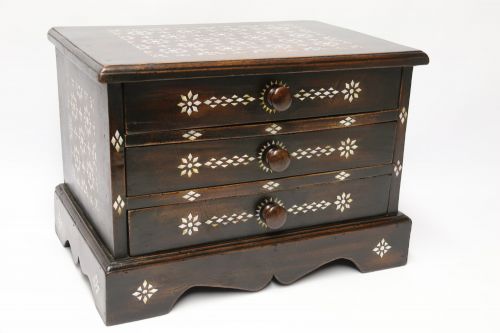
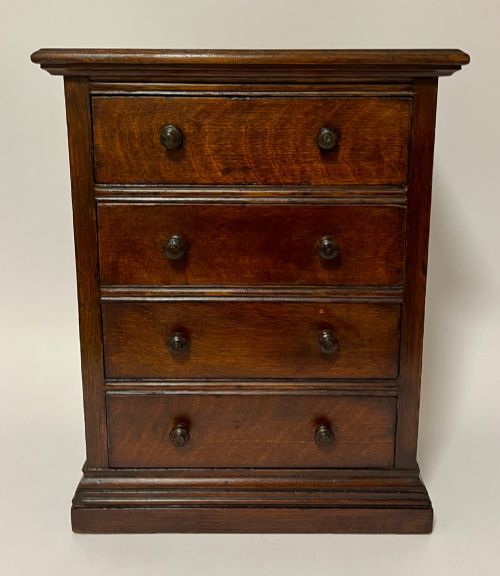
A small wooden specimen box serves as a tabletop cabinet, miniature chest of drawers or display case designed for storing collections. These pieces appear across periods from the Georgian and Regency eras through the Victorian age and into the early twentieth century.
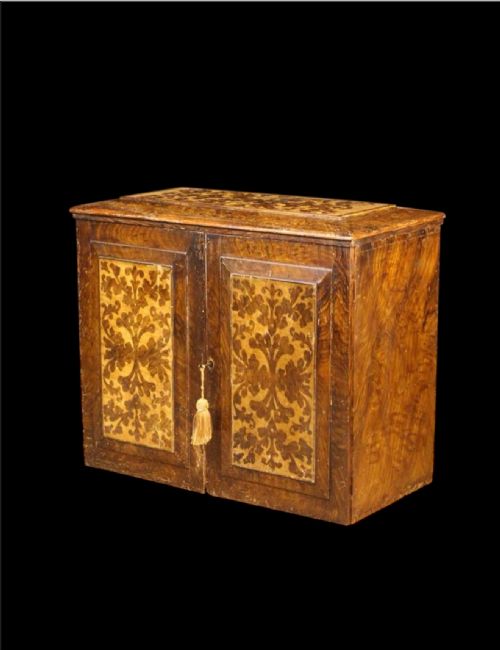
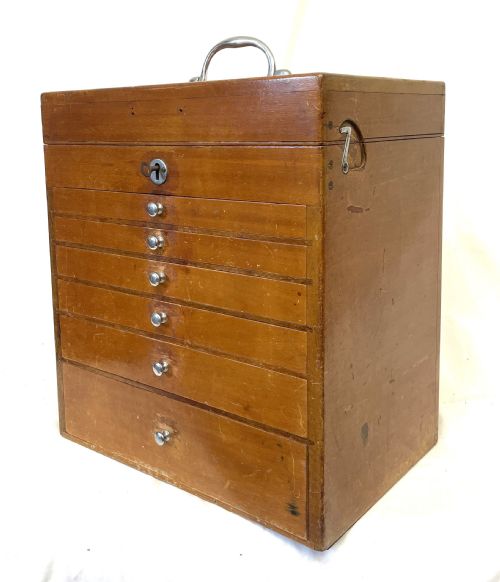
The most common formats on this page are multi-drawer tabletop cabinets and glazed display cases built to house slides, minerals, jewellery and small curiosities. They range from rustic oak workshop chests to inlaid Anglo-Indian and campaign-style storage units.
Makers constructed these miniature chests with functional compartments, often securing delicate contents behind lockable doors or glass panels. Buyers meet everything from apothecary drawer units and microscope slide cabinets to mahogany cigar humidors.
How they were made
Cabinetmakers utilised hardwoods such as mahogany, walnut, oak, satinwood and amboyna alongside softer pine frames. Surfaces frequently feature detailed inlay work or retain a polished timber grain.
Joinery techniques focus on miniature proportions, pairing small dovetailed drawer boxes with brass campaign handles, hinges and escutcheons. Glazed doors and lift-off glass panels allow visibility while protecting internal specimens.
Materials span mahogany, oak, walnut, satinwood, amboyna, pine and brass across Georgian, Regency and Victorian periods.
What varies in quality
Quality rests in the precision of the miniature joinery and the selection of cabinet timbers, where figured walnut or satinwood distinguishes finer examples from plain pine or utility pieces. Drawer action and the retention of original brass hardware indicate the level of workshop care.
The sophistication of internal divisions determines the utility of each cabinet, ranging from simple open drawers to velvet-lined slide slots and compartmented trays. Surviving keys, intact glass panels and sound structural timber elevate a piece above standard workshop containers.
The Small Wooden Specimen Box Glossary
- Specimen cabinet
- A small chest fitted with multiple shallow drawers designed for organising natural history collections, minerals or small artefacts. These units often sit on a desk or table.
- Campaign style
- Portable furniture adapted for travel, characterised by flush brass handles, reinforced corners and sectional construction. Such pieces prioritise durability and compact storage.
- Escutcheon
- A protective metal plate surrounding a keyhole, usually cast in brass on these cabinets. It prevents the timber around the lock from splitting during regular use.
- Amboyna
- An exotic hardwood known for its dense, mottled burl grain and warm reddish-brown colour. Cabinetmakers utilised it for luxury miniature chests and decorative drawer fronts.
- Humidor
- A specialised storage box designed to maintain humidity, often lined with specific timber to preserve cigars. Regency examples occasionally double as desktop collector cases.
Small Wooden Specimen Box: Frequently Asked Questions
What fits inside a small wooden specimen box?
These cabinets house miniature collections, including microscope slides, small minerals, fossils, coins and jewellery. The shallow drawers suit flat or delicate items requiring organised separation.
Larger tabletop chests accommodate apothecary equipment, watch repair tools or snuff boxes. Internal configurations depend entirely on the original purpose of the specific cabinet.
How do I date a Victorian specimen cabinet?
Dating relies on timber choices, construction methods and stylistic markers associated with the nineteenth century. Victorian pieces often employ solid mahogany or walnut with hand-cut dovetails and brass hardware.
Reference points include the presence of glazed display doors, lockable brass escutcheons and internal drawer linings. Comparing the secondary woods inside the drawers provides further chronological clues.
Where should I place a tabletop display case?
Tabletop display cases sit comfortably on desks, chests of drawers or dedicated side tables where the contents remain visible. Glass-fronted models benefit from placement near natural light to illuminate the interior specimens.
Avoid positioning timber cabinets in direct sunlight or beside heat sources to prevent the wood from warping. Stable indoor humidity protects both the antique timber and any historical items stored inside.
Are these cabinets suitable for everyday use?
Solid construction and sturdy hardwood drawers allow these cabinets to store small modern items securely. The original brass locks and functioning keys provide practical security for valuable contents.
Careful handling of antique drawer runners and glass panels ensures the pieces endure continued use. Regular dusting and occasional wax maintenance preserve the exterior timber finish.