
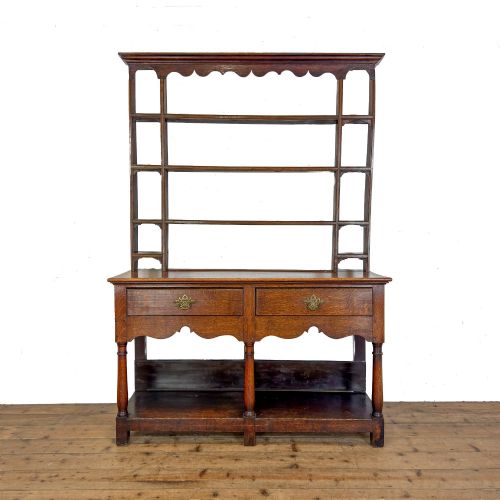


Small Welsh Dresser
A small welsh dresser brings centuries of rustic utility and regional craftsmanship into a modern interior.
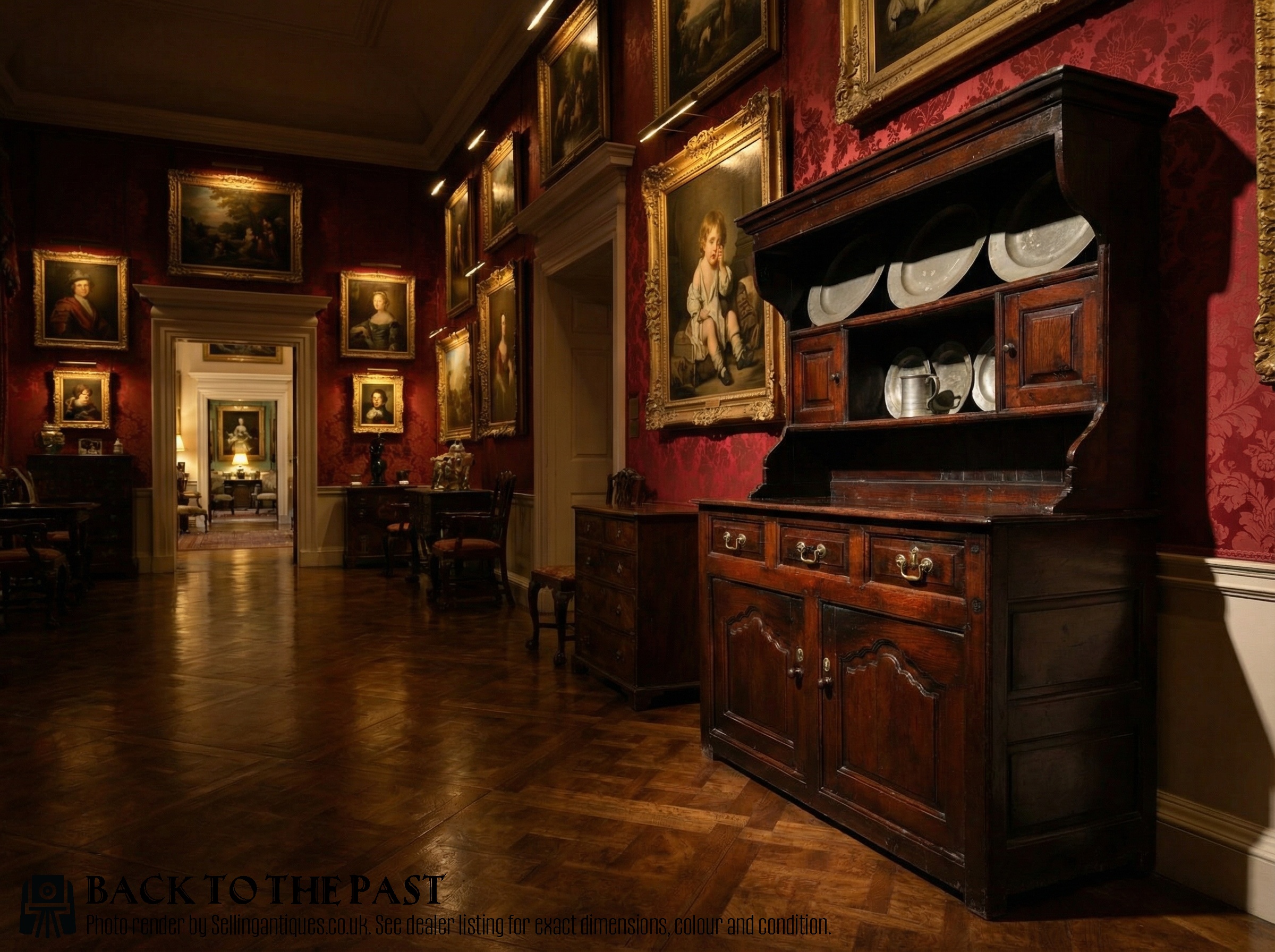
Small Welsh Dresser
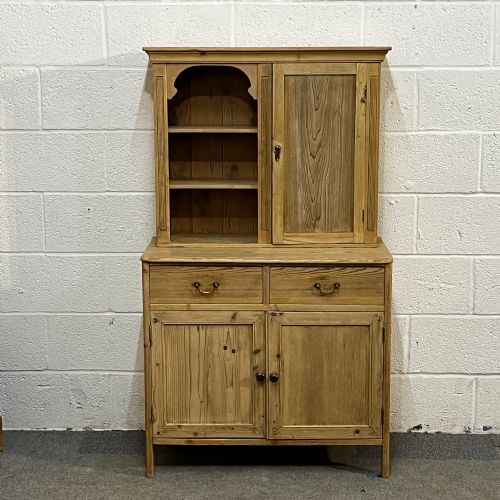
A small welsh dresser combines a lower storage cabinet or base with an upper plate rack for display. These pieces originate primarily from 18th century and 19th century rural workshops, constructed to suit domestic kitchens and dining spaces.
Regional variations span from Snowdonia and Denbighshire designs to broader Welsh country styles. These furniture items serve as practical sideboards while displaying ceramics and treen on open shelves.
How they were made
Traditional makers built these dressers using solid timbers such as native oak and deal pine, jointed with pegged tenons and panel construction. Surfaces reveal hand-planed finishes and pegged door frames typical of country cabinet-making.
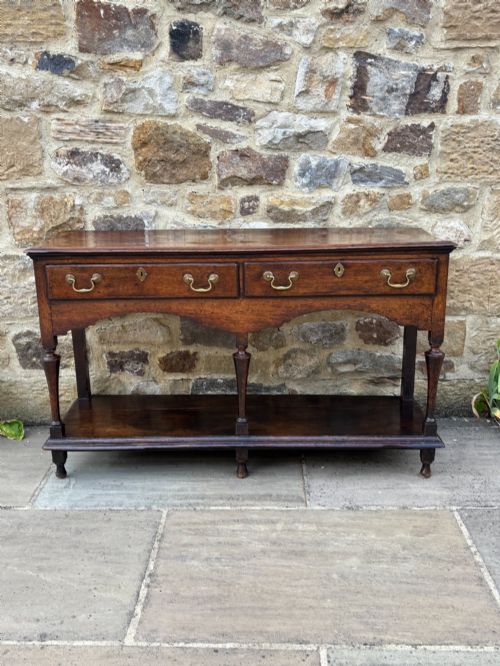
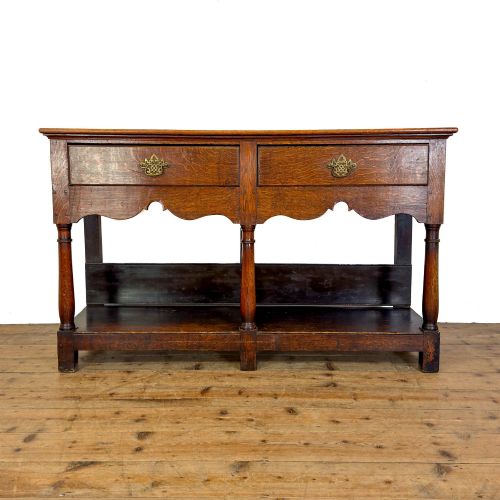
Hardware details include brass drop handles, iron hinges, and occasionally secret drawers integrated into cornices or friezes. Potboards feature sturdy plank lower shelves supported by substantial stile legs.
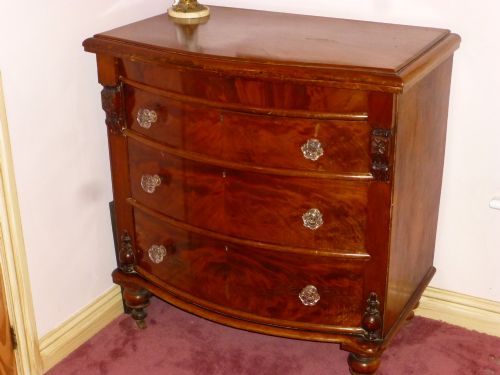
Secret drawers hidden within Regency mahogany chest designs provided discreet storage for valuables and letters.
What varies in quality
Proportion and scale dictate the desirability of a small welsh dresser, with narrower footprints and earlier dates commanding greater attention. Surviving original open racks attached to dresser bases significantly elevate historical integrity.
The Small Welsh Dresser Glossary
- Potboard
- An open lower shelf beneath a dresser base designed for storing pots and pans. This platform sits raised off the floor on feet or extended stiles.
- Cwpwrdd Tridarn
- A traditional three-part Welsh cupboard incorporating a central section and an upper canopy. These substantial pieces appear occasionally in compact provincial formats.
- Cwpwrdd Deuddarn
- A two-part Welsh press cupboard featuring upper and lower cabinet sections with panelled doors. These regional cupboards provide enclosed storage for linens and provisions.
- Rack
- The open shelving unit mounted to the top of a dresser base for displaying plates and platters. Many surviving examples retain original hooks for hanging mugs.
- Vernacular
- Furniture built by local country joiners using regional traditions rather than urban academic patterns. These pieces utilise locally sourced timbers and straightforward construction methods.
Small Welsh Dresser: Frequently Asked Questions
How do I date an antique dresser?
Cabinet-makers relied on hand tools, pegged joinery, and specific timber cuts that changed across the eighteenth and nineteenth centuries. Drawer construction, backboards, and handles offer clues to the period of manufacture.
Earlier pieces from the seventeen-thirties often display joined oak construction and pegged panels. Later nineteenth-century examples frequently incorporate pine and machine-sawn elements.
Are all these dressers from Wales?
The majority of these pieces reflect Welsh vernacular styles and regional workshops, particularly from areas like Snowdonia. Country cabinet-makers across rural Britain shared similar utilitarian building methods.
Regional characteristics appear in the configuration of potboards, frieze drawers, and upper rack designs. Surviving examples demonstrate distinct local preferences in timber and proportion.
How do I style a dresser in a modern home?
The open shelving and surface space accommodate ceramics, books, and everyday kitchenware. Placing a compact dresser in a dining room or kitchen creates practical storage without dominating the floor plan.
Lower cupboards conceal modern items while open racks display decorative tableware. The natural timber tones complement both contemporary and traditional interior palettes.