


Small Watercolour Portrait Painting
These small watercolour portrait painting examples capture intimate likenesses in miniature, offering a tangible connection to historical sitters through delicate pigments on paper or ivory.
Small Watercolour Portrait Painting
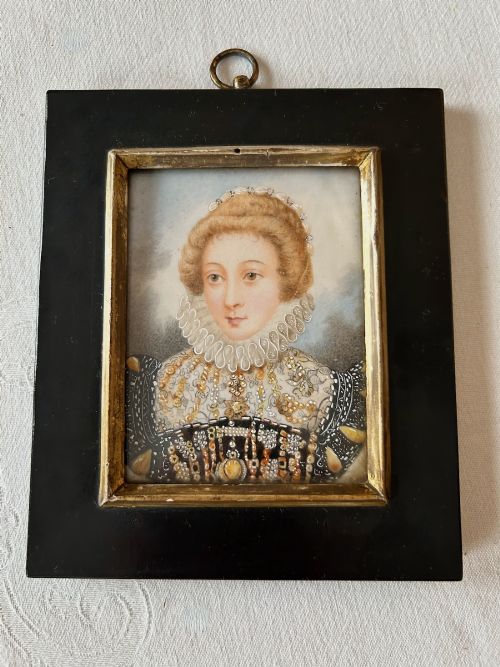
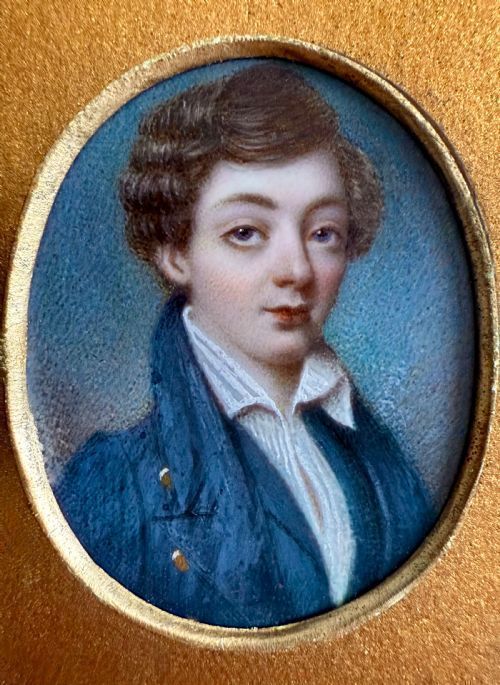
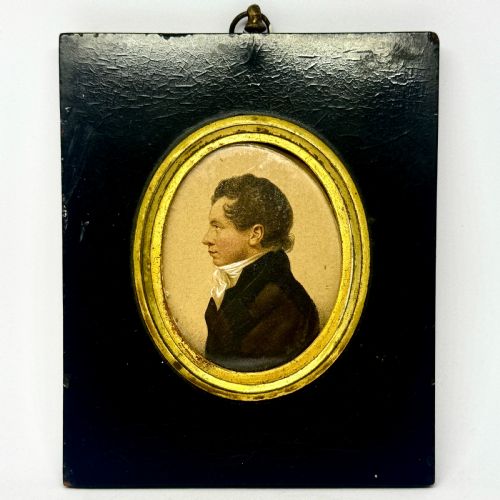
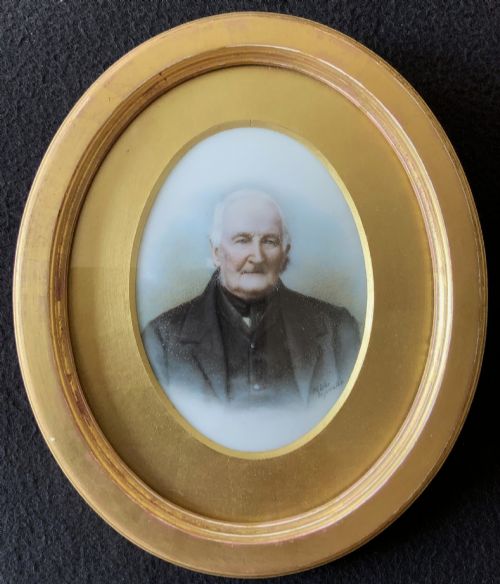
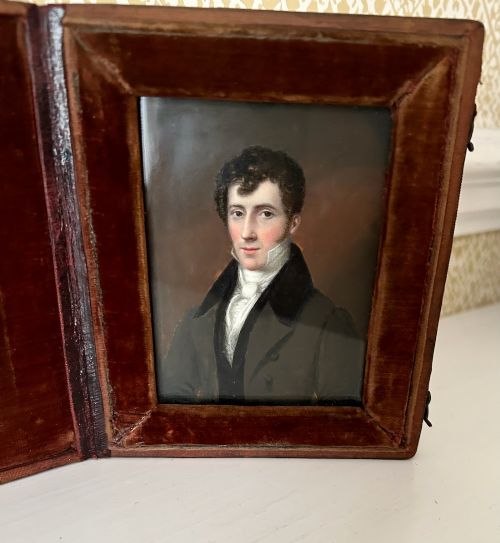
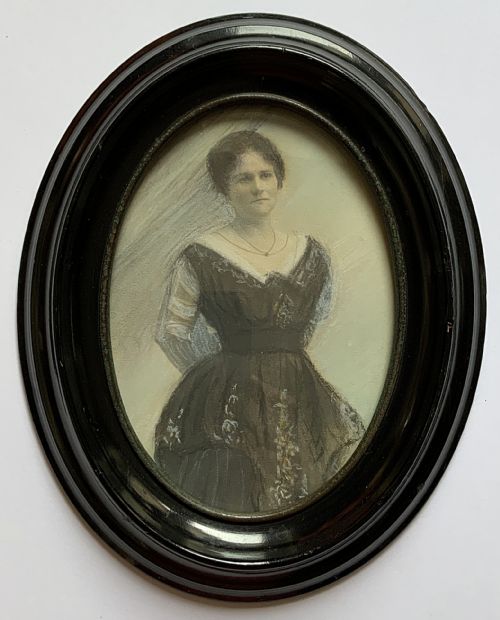
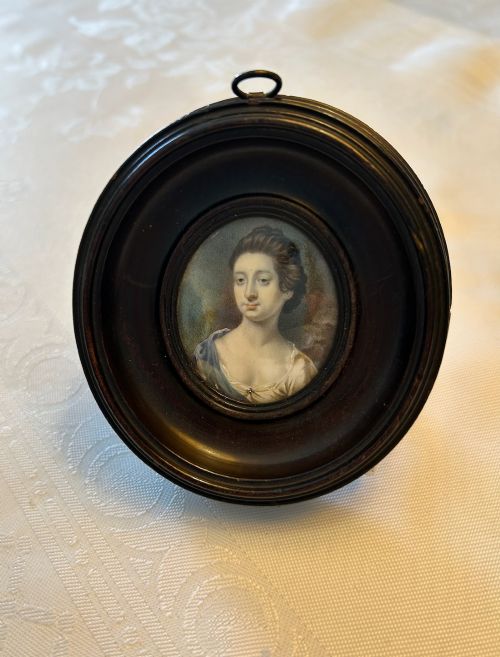
A small watercolour portrait painting typically takes the form of an oval or rectangular miniature, often created to be carried close or displayed in a modest domestic interior. You will most frequently encounter nineteenth-century and Georgian pieces on this page, spanning the Regency and early Victorian eras back into the eighteenth century.
The subjects range from named nobility and historical figures such as Mary, Queen of Scots, and Prince Albert to anonymous gentlemen, ladies in bonnets, and children. Many of these works originate from the British School, alongside continental examples, capturing sitters with remarkable psychological immediacy despite their diminutive scale.
Materials and execution
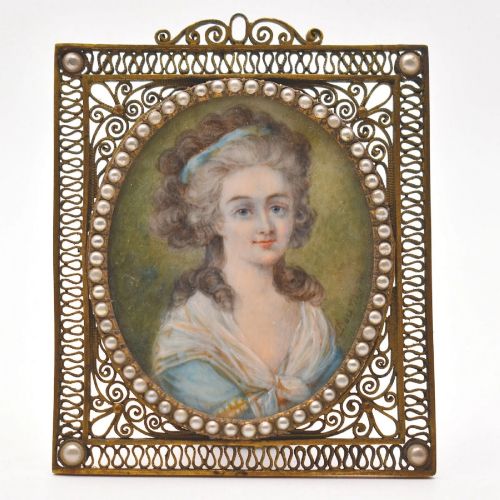
Finished paintings were commonly mounted behind glass to protect the fugitive pigments from moisture and handling. These fragile sheets were then secured within surrounds of ebonised wood, gilt metal, brass, or gilt wood, frequently incorporating hanging loops or small desk stands.
One cheerful miniature records a sitter described simply as a delighted subject from the seventeen-eighties.
Factors of quality and execution
Henri Fradelle·Richard Cosway·Dumont·George Hargreaves·Emma Kendrick·Isaac Wane Slater·Elisabeth Vigee Le Brun
The Small Watercolour Portrait Painting Glossary
- Portrait miniature
- A small-scale painting depicting a specific person, traditionally executed on ivory, vellum, or paper. These portable likenesses became popular tokens of affection and remembrance from the sixteenth century onwards.
- Ebonised wood
- Timber treated to imitate ebony, giving a deep black finish. This material was frequently used for nineteenth-century miniature frames to provide a high-contrast border that made the pale watercolour tones stand out.
- Gouache
- An opaque watercolour paint composed of pigment, a binding agent, and inert white material. Artists utilised it alongside transparent watercolour to add highlights and solid areas of colour to miniature portraits.
- Ivory
- A smooth organic material derived from animal tusk, historically used as a painting support. Its translucent quality imparted a luminous glow to flesh tones when painted over with thin watercolour washes.
Small Watercolour Portrait Painting: Frequently Asked Questions
How were small watercolour portraits displayed?
These pieces were typically hung on walls in tight clusters or placed on desks and mantelpieces using small folding stands.
Many were also designed as portable keepsakes to be carried in pockets or worn about the person in protective cases.
What is the difference between ivory and paper supports?
Paper supports absorb water-based pigments directly, resulting in a matte finish that relies on the paper grain and layered washes for depth.
Ivory provides a natural luminosity because light passes through the translucent surface and reflects back through the watercolour layer.
Are most of these miniatures signed by the artist?
Only a fraction of surviving works bear a signature or monogram from the painter, as many artists left their output unsigned.
Attributions are frequently established through stylistic comparison, contemporary records, or family provenance associated with the sitter.
How do I date a small watercolour portrait?
Dating relies heavily on the sitter's costume, hairstyle, and bonnet or collar styles, which shifted rapidly across the Georgian and Victorian periods.
The framing materials and the construction of the protective glass case also offer reliable clues to the era of production.