



18th Century Miniature Watercolour
These 18th century miniature watercolour paintings capture intimate likenesses and classical scenes in delicate detail, prized for their portability and personal history.
18th Century Miniature Watercolour
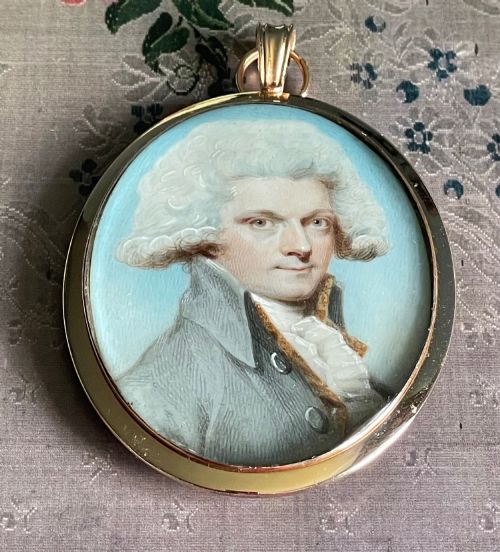
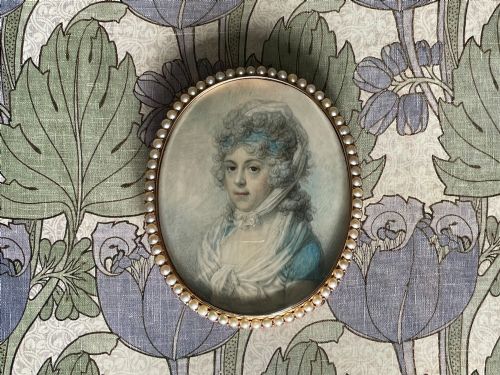
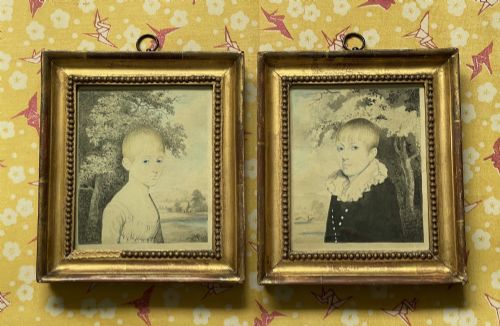
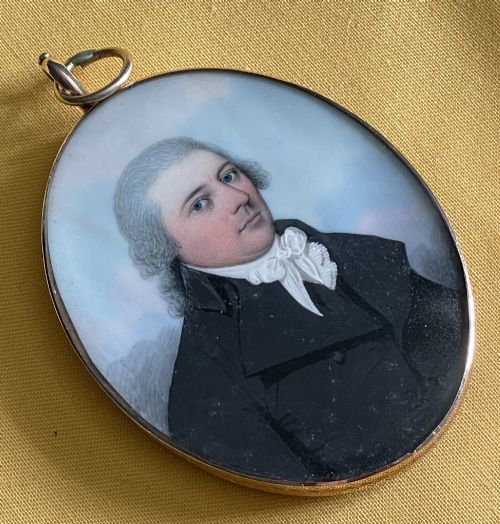
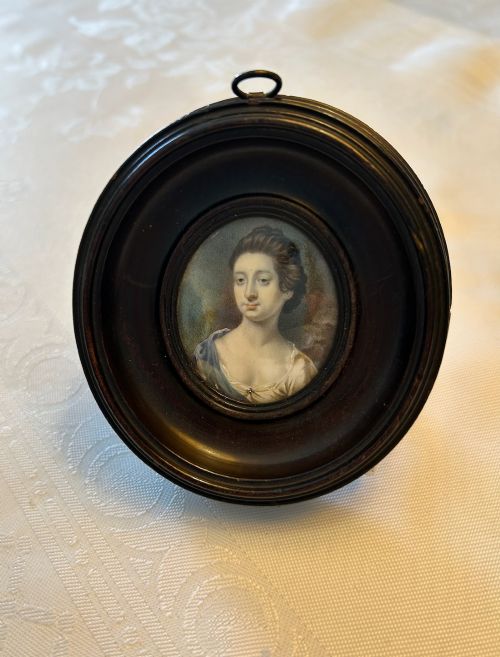
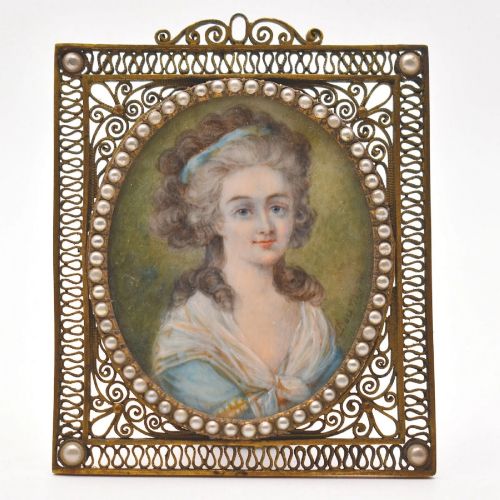
When you search for an 18th century miniature watercolour, you encounter intimate portrait miniatures and small-scale paintings that served as personal mementos during the Georgian era. These pieces frequently depict gentlemen, ladies, children, and naval officers, alongside occasional mythological subjects or landscapes.
The versions most commonly met on this page span the mid-to-late 18th century and the Regency period, often mounted in oval formats. Portrait miniatures dominate the selection, appearing either as standalone works or housed within pendants and frames.
Many examples capture identifiable sitters or members of prominent families, while others represent anonymous subjects executed by skilled British and European artists. The surviving works demonstrate a remarkable preservation of pigment intensity across centuries of domestic display.
How They Were Made
Artists painted these works directly onto prepared surfaces using fine sable brushes and water-based pigments. The evidence records the use of ivory, paper, and agate panels as supports for the watercolour medium.
Makers housed these delicate paintings within protective enclosures utilising gold, gilt metal, ebonised wood, and brass. Many pieces incorporated glass to shield the fragile pigment, occasionally featuring tooled leather carrying cases or piano-key frames for travel.
The inventory spans the 18th century, Georgian, and Regency eras, with dates ranging from 1700 to the mid-19th century.
What Varies in Quality
The fidelity of facial expression and anatomical precision separates standard commercial portraiture from the work of accomplished miniaturists. Superior examples display subtle tonal gradations in flesh tones and meticulous rendering of lace, hair, and costume details.
Charles Shirreff·Richard Cosway·Frederick Buck·William Wood·Charles Hayter·William Naish·Nicolas Freese·Albin R Burt·George Engleheart·Archibald Skirving·William Grimaldi·Edward Pugh·Samuel Cotes·Diana Hill·John Barry·Henry Edridge
The 18th Century Miniature Watercolour Glossary
- Miniature painting
- A small-scale artwork requiring intensive detail work, often executed on ivory or vellum. These works were designed to be held in the hand or worn upon the person.
- Pendant
- A piece of jewellery or hanging frame designed to suspend a portrait miniature from a ribbon or chain. They were frequently fashioned from gold or gilt metal.
- Ebonised frame
- Wood stained to resemble dense, black ebony. This dark framing technique was utilised to provide high visual contrast against the pale ivory of portrait miniatures.
- Piano-key frame
- A decorative border constructed from thin segments of ivory or bone resembling keyboard keys. This specific housing style appears on select period miniatures.
- Deccani art
- Regional Indian painting traditions originating from the Deccan sultanates. Pieces from this tradition utilise distinct colour palettes and stylised compositions.
18th Century Miniature Watercolour: Frequently Asked Questions
How were portrait miniatures worn?
Owners frequently wore these small paintings as pendants close to the heart, suspended from ribbons or integrated into heavy gold jewellery. They served as tangible tokens of affection, remembrance, or political allegiance.
During the Georgian period, citizens also carried them inside protective leather travel cases or displayed them on domestic walls and tabletops.
Why use ivory for miniatures?
Painters utilised thin slices of ivory because the luminous, semi-translucent surface imparted a natural glow to human skin tones. Watercolour applied over ivory creates a radiant depth that paper cannot easily replicate.
Artists exploited this glowing quality to render the subtle undertones of the face with striking realism.
Who painted these miniatures?
Specialised artists and members of professional painting schools produced these works for affluent patrons, military officers, and aristocratic families. Many practitioners exhibited at official institutions like the Royal Academy.
Some accomplished painters signed their works on the reverse or front, while numerous surviving pieces remain attribution works linked to specific studios.
Can I display them in sunlight?
Exposing antique watercolours to direct sunlight causes the fugitive pigments to fade permanently over time. Collectors generally position these delicate items away from bright windows and UV light sources.
Proper conservation involves maintaining stable indoor humidity and utilising UV-filtering glass within the original or replacement frames.