

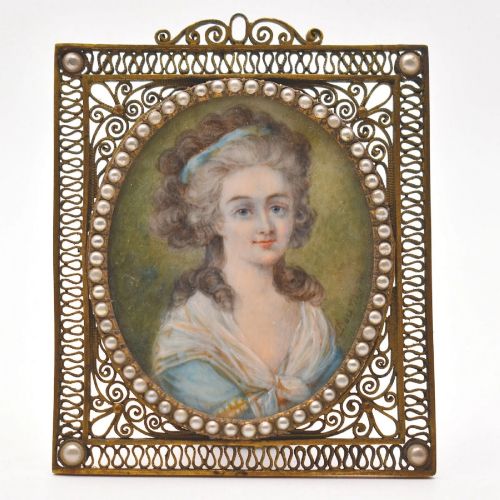


Georgian Brass Framed Art
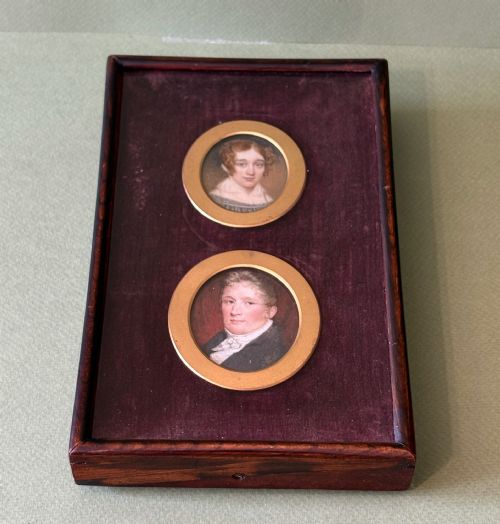
Georgian brass framed art brings together intimate portrait miniatures, delicate silhouettes and painted plaques set within polished metal borders.
Georgian Brass Framed Art
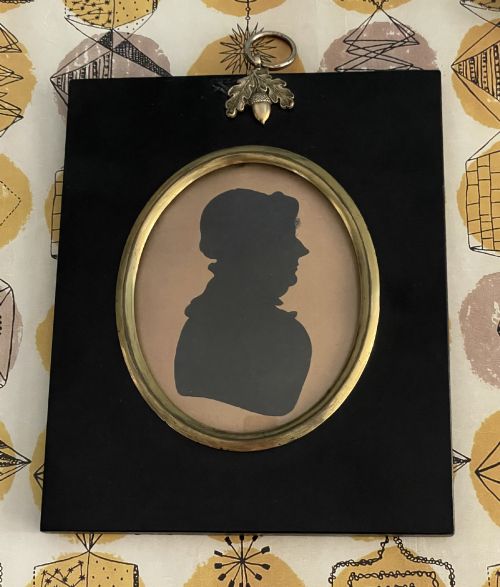
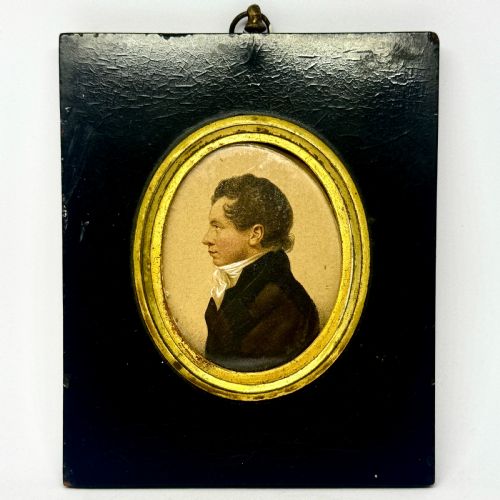
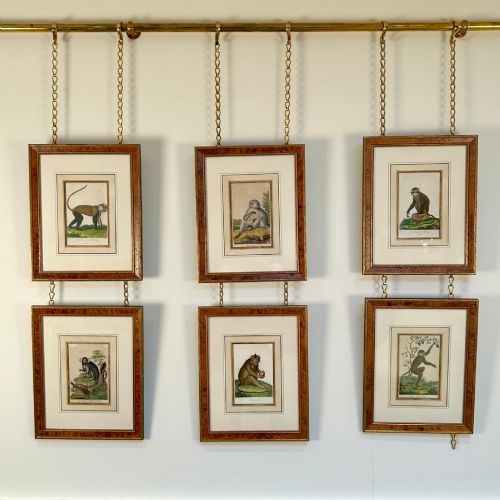
When you search for georgian brass framed art, you encounter small-scale works designed for close inspection, spanning silhouette portraits, watercolours and enamel plaques. These objects capture likenesses and scenes on surfaces like paper, plaster, ivory and copper, preserved behind glass within metal surrounds.
The pieces on this page most frequently take the form of miniature portraits and silhouettes originating from the eighteenth and nineteenth centuries. You will find single studies alongside pairs and small sets, often retaining their original hanging loops or display stands.
Materials and construction
The makers of these works combined brass and gilt metal frames with delicate substrates such as paper, card, plaster, enamel and ivory. Artists applied watercolour, gouache, oil, plumbago and ink to create fine details, frequently enhancing silhouettes with subtle touches of gold leaf.
Frames utilise brass and ebonised wood to protect the delicate imagery within, holding the glass securely against the painted or cut surface. Many pieces incorporate seed pearls or specialised mountings to accent the outer metal border.
Listings feature 18th century, Regency, and 19th century periods, incorporating brass, gilt metal, ebonised wood, and enamel.
Distinctions in quality
The integration of the brass or gilt frame with the artwork dictates the visual harmony of the piece. Well-preserved original mountings, clear provenance and signed works by recognised practitioners elevate the standing of an individual item.
George Atkinson·James Gillespie·John Miers·J. Deacon·Archibald Skirving·Emma Kendrick·Jeremiah Steele
The Georgian Brass Framed Art Glossary
- Silhouette
- A portrait profile filled in with a solid dark colour, often cut from paper or painted on card, plaster or glass. These profiles capture a likeness through outline alone.
- Plumbago
- A drawing executed in graphite, taking its name from the Latin word for lead. Artists used this medium for highly detailed monochrome portrait miniatures.
- Miniature portrait
- A small-scale painting executed with immense detail on ivory, vellum or card. These works were often housed in pocket-sized or wall-hanging frames.
- Enamel plaque
- A small plate of metal fused with powdered glass melted in a kiln to form a smooth, durable surface. Artisans painted miniature scenes directly onto this glossy ground.
- Gilt metal
- A base metal treated with a thin layer of gold or gold-coloured wash to simulate solid gold. It provides a bright, reflective border for small artworks.
Georgian Brass Framed Art: Frequently Asked Questions
What is georgian brass framed art?
These items comprise small-scale portrait miniatures, painted silhouettes and enamel plaques housed in brass or gilt metal surrounds. They date primarily from the Georgian, Regency and Victorian eras.
Created as personal tokens or wall decorations, they utilise delicate media like watercolour, ivory, paper and enamel to record human likenesses.
How were portrait miniatures displayed?
Miniatures and silhouettes were designed to be hung on walls in small groupings, carried in pockets, or displayed on tables using small metal stands. Their compact scale allowed owners to keep likenesses of family members close at hand.
Many retain original hanging loops or incorporate easel backs made of brass or ebonised wood for surface placement.
How do I identify a silhouette?
A silhouette presents a solid profile view, typically in black against a light background, though some examples feature gilded highlights on clothing and hair. They were created by cutting paper or by painting directly onto card, plaster, or glass.
Artists sometimes signed these works or used specialised trade labels on the reverse to indicate their studio.
Are these pieces painted on ivory?
Certain miniature portraits from the late eighteenth and early nineteenth centuries utilise thin slices of ivory as a painting surface. This material imparted a luminous quality to the skin tones rendered by the artist.
Watercolour and gouache were applied in tiny, layered strokes to achieve depth and texture on the polished ivory ground.
How do I care for these items?
These works require protection from direct sunlight to prevent fading of watercolours, pigments and paper supports. Maintaining stable indoor humidity prevents the delicate organic materials and wooden or metal frames from warping.
Cleaning should be limited to gentle dusting of the exterior brass frame, leaving the sealed interior undisturbed.