



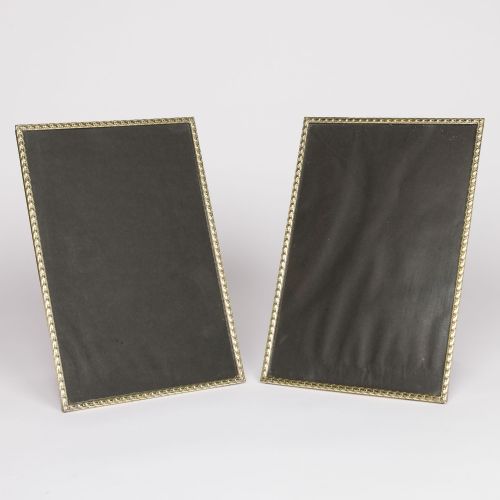


Antique Metal Picture Stand
These antique metal picture stand pieces display the craftsmanship of earlier centuries, offering a refined way to display portraits, plaques, and photographs.
Antique Metal Picture Stand
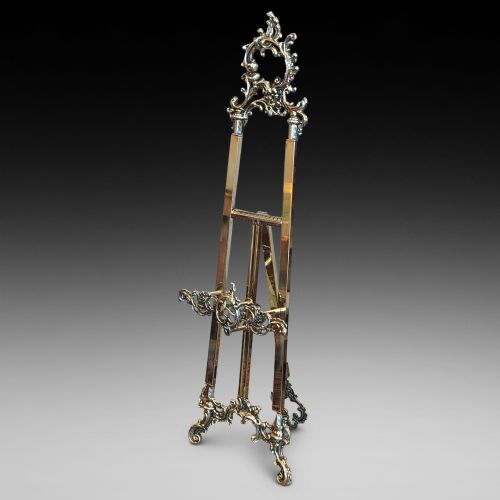
An antique metal picture stand combines structural metalwork with display utility, holding framed portraits, miniature paintings, porcelain plaques, or photographs. When searching for an antique metal picture stand, buyers encounter items ranging from small desk portraits to substantial mantel frames.
The selections span various forms such as picture frames, portrait miniatures, porcelain plaques, and photograph frames. Pieces date from the nineteenth century through the Edwardian era and into the Art Deco period.
Stylistic influences include French Rococo, Grand Regency, Nineteenth Century Neoclassical, Art Nouveau, and French Chateau designs. Buyers are most likely to meet brass, gilt bronze, ormolu, and nickel-plated silver constructions on this page.
How they were made
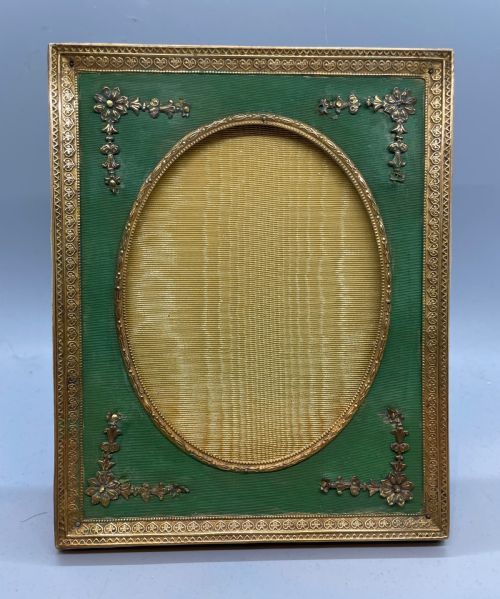
Makers utilised cast and chased metals including brass, bronze, ormolu, gilt metal, and iron to form the structural stands and surrounds. Gilt bronze and ormolu components required precise metal-working and mercury-gilding techniques.
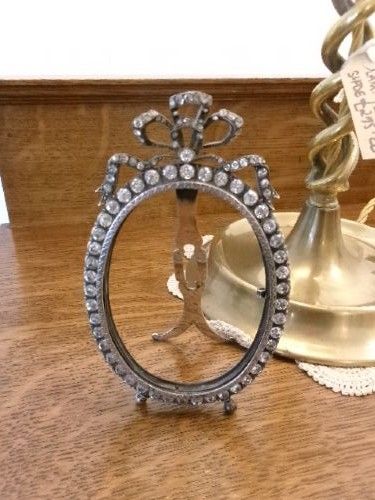
Surface ornamentation often incorporated applied paste stones, fabric backing like silk, or incorporated glass panels to protect the inserted artwork or photograph. Iron frames show distinct forging and finishing methods typical of the Edwardian period.
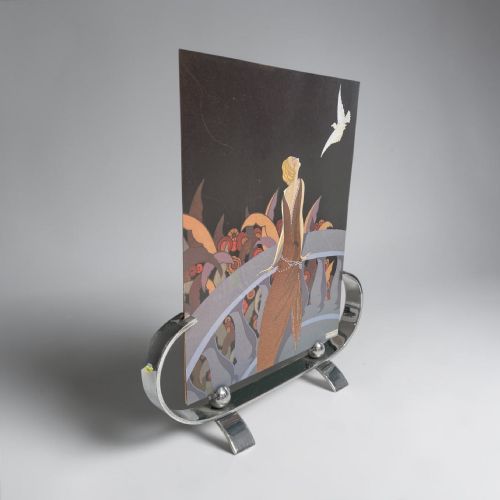
Modernist and Art Deco examples from the nineteen-thirties demonstrate clean geometric lines, utilising chrome and nickel-plated silver alongside glass for a streamlined aesthetic.
Antique Metal Picture Stand Retail Price Guide 2026
Typical asking prices for metal picture stand among the pieces listed under this phrase on Sellingantiques today, from the lower quarter to the upper quarter. They describe what is for sale here now, not the wider market.
Some stands feature secret two-way hinges designed for hasty tabletop adjustments when unexpected visitors entered the parlour.
What varies in quality
Quality separates pieces through the crispness of the metal chasing and the depth of the original gilding on bronze and ormolu surfaces. Finer examples retain their original backing materials, glass, and securely integrated structural struts.
Artisanal detail in cast ornamentation, such as the intricacy of French Rococo scrolls or the precision of Art Deco skyscraper steps, dictates the overall merit of the object. Weight, proportion, and the integrity of joints also define superior manufacturing standards.
Moseley
The Antique Metal Picture Stand Glossary
- Ormolu
- Gilded bronze produced by applying a finely ground high-carat gold-mercury amalgam to an object of cast bronze. This technique was widely utilised in French decorative arts.
- Gilt Bronze
- Bronze metal that has been coated with a thin layer of gold leaf or gold paint. It provides a durable golden finish without the full weight of solid gold.
- Portrait Miniature
- A small, highly detailed painting on vellum, card, copper, or ivory, often housed within a dedicated metal stand or frame. These items were intimate keepsakes.
- Paste Stone
- Faceted glass cut and polished to imitate gemstones, frequently set into decorative metal frames during the nineteenth and early twentieth centuries.
- KPM Plaque
- A porcelain tablet painted with a scene or portrait, produced by the Royal Porcelain Factory in Berlin. These plaques were frequently mounted onto decorative metal stands.
Antique Metal Picture Stand: Frequently Asked Questions
What is an antique metal picture stand?
An antique metal picture stand is a decorative desk or mantel accessory designed to display a photograph, portrait miniature, or porcelain plaque upright.
These pieces combine durable metal frames made from materials like brass, iron, or gilt bronze with functional support struts for stable tabletop placement.
How do I date an antique metal picture stand?
Dating relies on stylistic clues, materials, and construction methods. For example, heavy cast gilt bronze with scrolling motifs often points to nineteenth-century French tastes, while clean geometric lines suggest nineteen-thirties Art Deco design.
Examining the backing materials, fixings, and glass type also helps determine the exact period of manufacture.
How were these stands used historically?
Historically, these stands occupied prominent positions on writing desks, boudoir dressing tables, and drawing-room mantelpieces. They served to display cherished likenesses of family members or artistic miniature paintings.
The inclusion of two-way hinges allowed the objects to be adjusted easily for optimal viewing angles in different domestic lighting conditions.
How do I care for antique metal frames?
Care requires gentle dusting with a soft, dry cloth to prevent the accumulation of dirt in intricate metal chasings. Avoid harsh chemical cleaners and abrasive polishes, which can strip delicate gilt surfaces or damage applied paste stones.
Keeping the pieces away from direct moisture and extreme temperature fluctuations preserves both the metal structure and any original silk or fabric backing.