


Antique Portrait Easel Display
An antique portrait easel display holds cherished likenesses upright, bringing desk and mantelpiece charm from the Victorian and Edwardian eras into modern rooms.
Antique Portrait Easel Display
When you search for an antique portrait easel display, you encounter a selection of items designed to hold photographs and miniatures securely. The inventory on this page consists chiefly of picture frames, photo frames, and dedicated display stands.
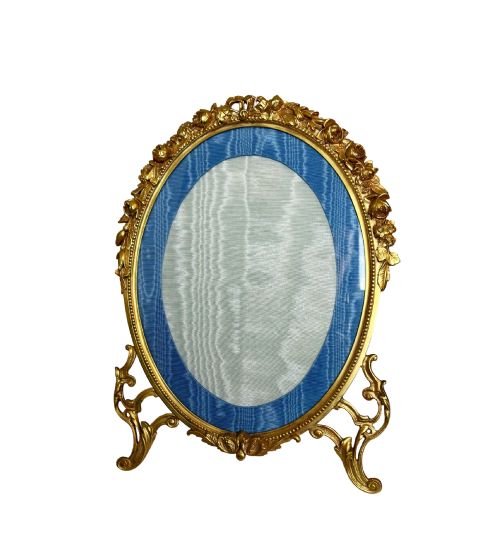
Most examples hail from the late nineteenth and early twentieth centuries, spanning Victorian, Edwardian, and George V periods. You will regularly find sterling silver frames, wooden picture holders, and miniature portraits mounted on metal stands among the current selection.
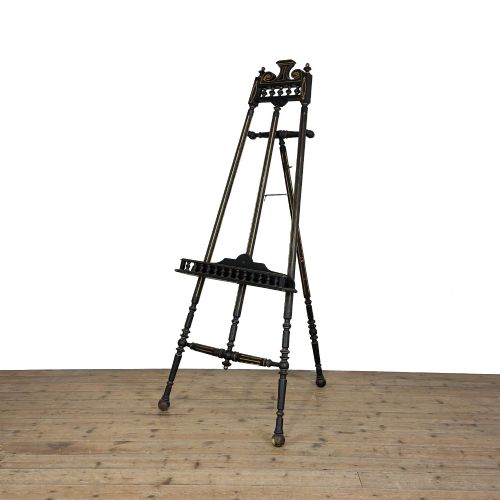
Forms range from small desk pieces to floor-standing wooden easels and double-sided gallery stands. These objects served to showcase family portraits and miniature paintings in parlours and studies.
How they were made
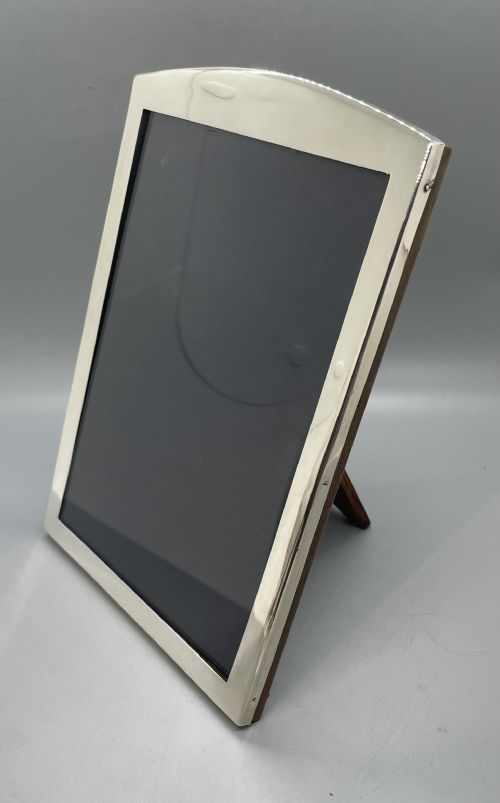
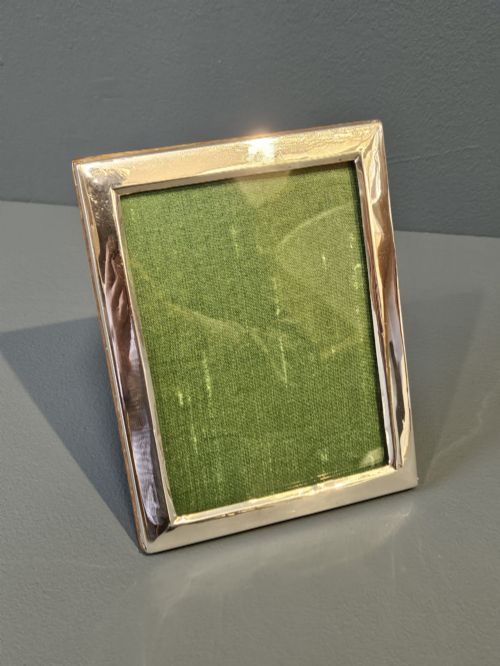
Silversmiths shaped sterling silver into detailed picture frames, often hallmarked in cities like Birmingham during the Edwardian and George V eras. Engraved patterns and smooth surfaces show the metalwork techniques common to the period.
Cabinetmakers utilised oak and ebonised wood to build sturdy table and floor-standing easels. Glass protected the portraits within frames, while velvet and silk provided backing fabrics for a finished appearance.
One miniature portrait on a gilt metal stand preserves the likeness of the Earl of Thanet from eighteen fifty.
What varies in quality
The distinction between ordinary and exceptional pieces lies in the crispness of metal engraving and the weight of the silver or bronze used. Finer items exhibit precise ornamentation and retain their original backing materials.
Workmanship in the woodwork and joinery dictates the structural integrity of standing easels. Superior examples demonstrate balanced proportions and thoughtful detailing across both sides in double-sided designs.
The Antique Portrait Easel Display Glossary
- Sterling silver
- A silver alloy containing ninety-two point five percent pure silver and seven point five percent other metals, valued for durability in photo frames.
- Ebonised
- Wood treated to imitate ebony, creating a deep black finish seen on Victorian and Aesthetic style pieces.
- Gilt bronze
- Bronze coated with a thin layer of gold, providing a rich metallic lustre on nineteenth-century frames and stands.
- Portrait miniature
- A small, highly detailed painted likeness, often mounted on a dedicated metal stand or housed within a small frame.
- Hallmark
- An official stamp applied to precious metals, indicating the assay office, standard of purity, and year of manufacture.
Antique Portrait Easel Display: Frequently Asked Questions
What is an antique portrait easel display?
An antique portrait easel display is a decorative stand or frame used to showcase photographs and miniature paintings on surfaces like desks and mantelpieces.
These pieces typically date from the Victorian, Edwardian, and George V periods, utilising materials such as sterling silver, gilt bronze, and wood.
How do I date a silver photo frame?
Dating a silver photo frame usually involves reading the hallmarked stamps impressed into the metal by the assay office. Birmingham hallmarks and maker marks help pinpoint the exact year of production.
Stylistic cues such as Edwardian engraving or Aesthetic Movement influences also provide a reliable guide to the era of manufacture.
Were these easels used for photographs?
Many of these pieces were specifically designed to hold early photographic prints, particularly cabinet cards and smaller portrait photographs. Some larger floor-standing easels supported framed artworks or double-sided gallery displays.
Miniature portraits painted on ivory or card were likewise mounted on small metal display stands during the nineteenth century.
How do I care for silver and wood frames?
Silver frames benefit from gentle cleaning with a soft cloth to preserve the metal surface and engraved details without harsh abrasives. Wooden and ebonised easels require dry dusting and protection from direct sunlight and extreme humidity.
Original velvet and silk backings should be handled carefully to maintain their fabric integrity.