


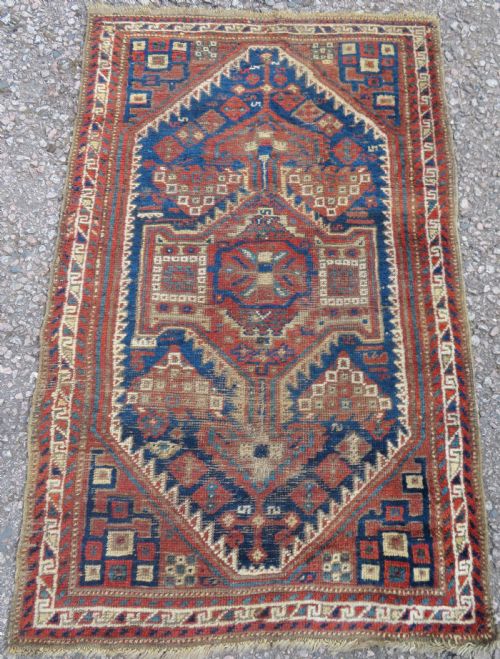
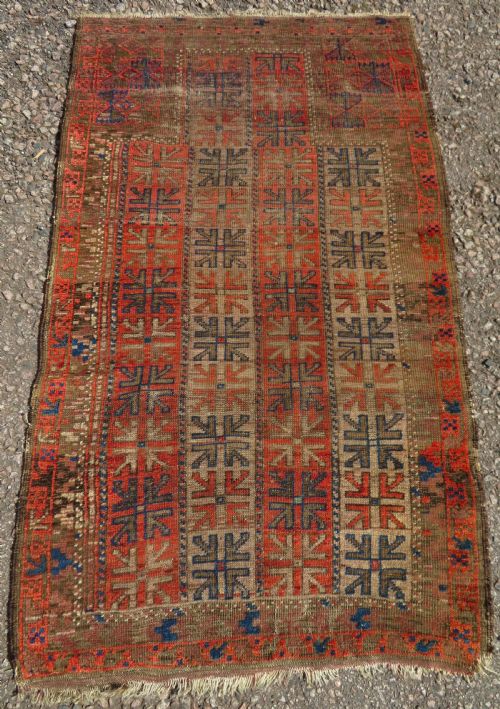
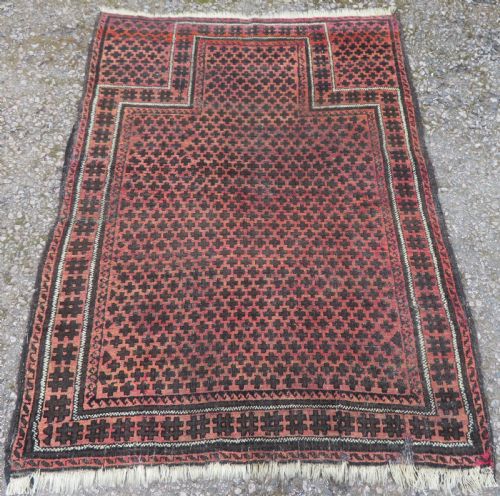
Small Tribal Mat
A small tribal mat brings warmth and hand-knotted history to a room through centuries of nomadic and village weaving traditions.
Small Tribal Mat
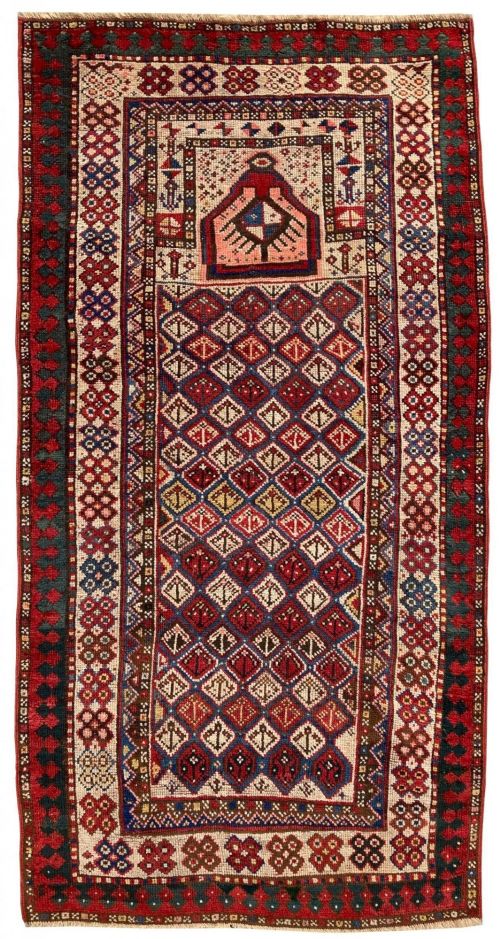
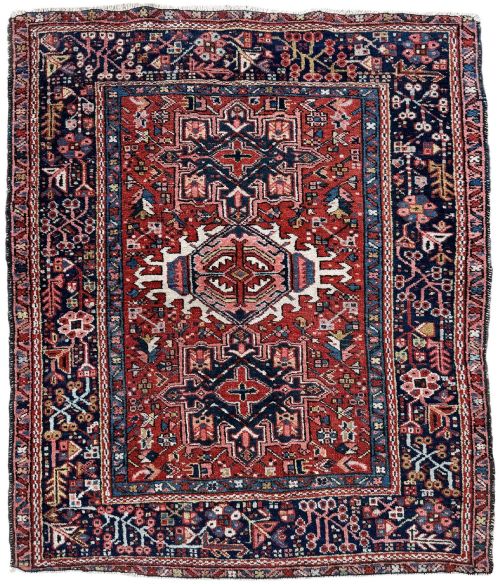
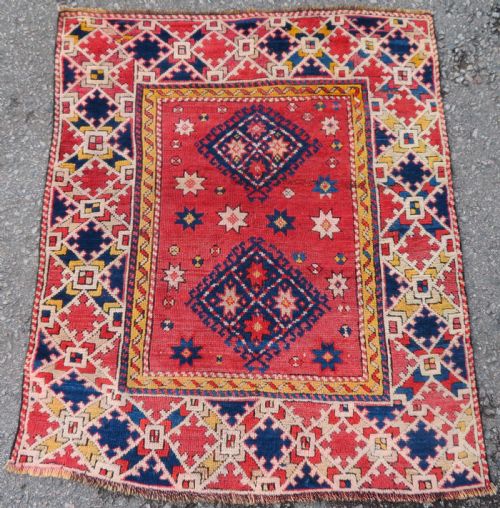
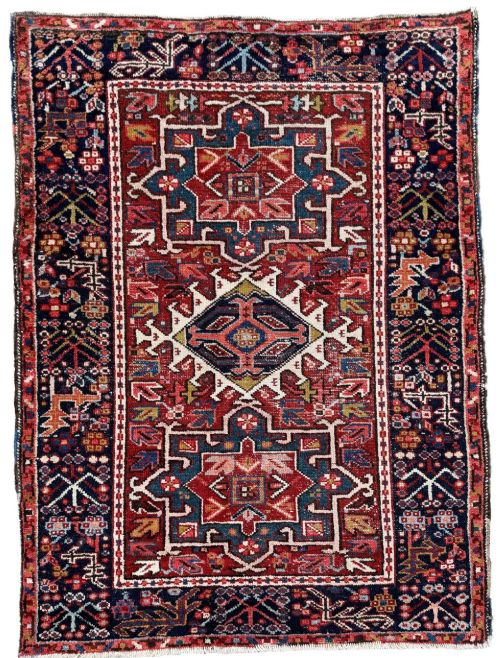
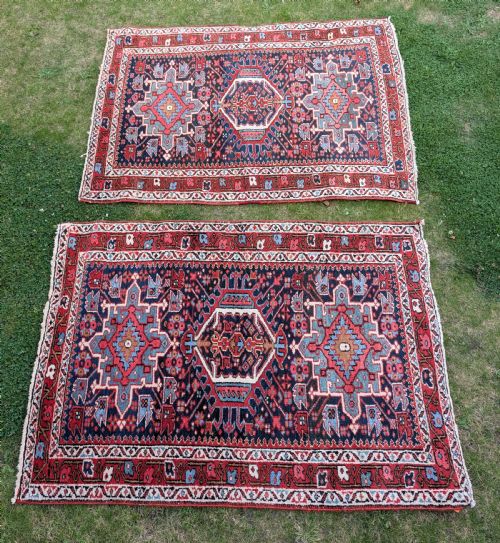
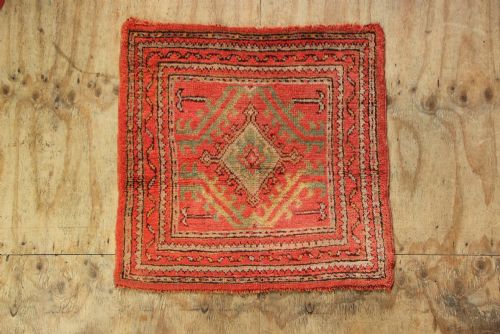
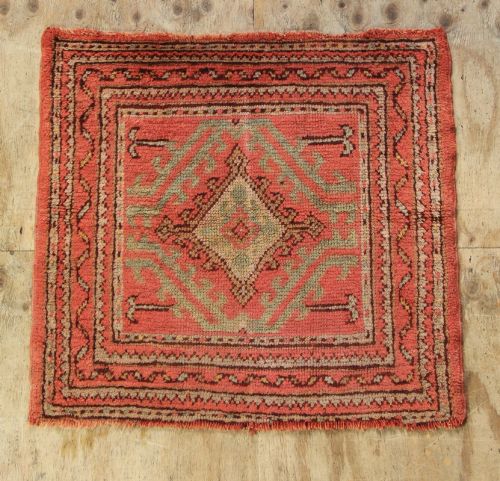
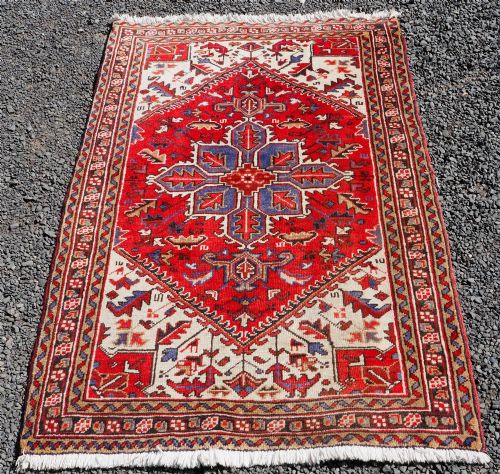
A small tribal mat encompasses compact woollen rugs, prayer mats, bag faces, and torbas woven by nomadic and village communities across Persia, Anatolia, the Caucasus, Central Asia, and Tibet. These portable textiles served practical domestic functions in tents and homes, ranging from hearth rugs to meditation pieces.
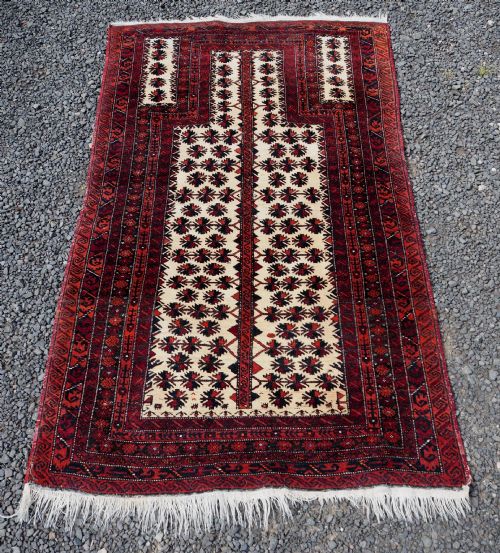
The pieces encountered on this page originate from periods spanning the nineteenth century through the early twentieth century, including specific regional formats like Baluch prayer rugs and Yomut torba faces. Such items offer an authentic glimpse into traditional textile arts without requiring the floor space of larger carpets.
How they were made
Weavers utilised natural dyes and hand-spun wool, often combined with cotton foundations, to create durable textiles designed for daily nomadic life. The interaction of these organic colourants yields the soft, faded patinas seen across older village and tribal examples.
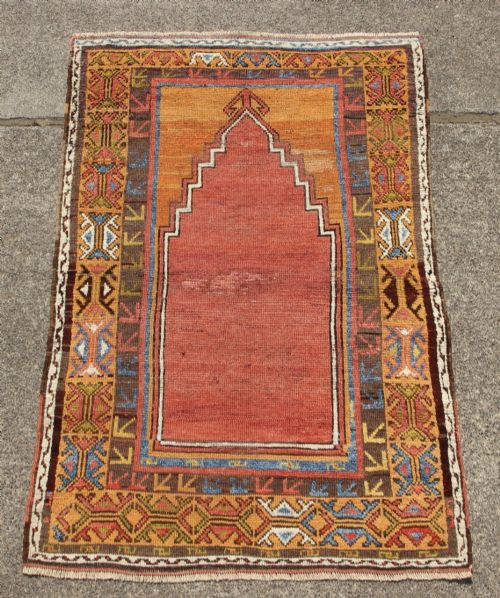
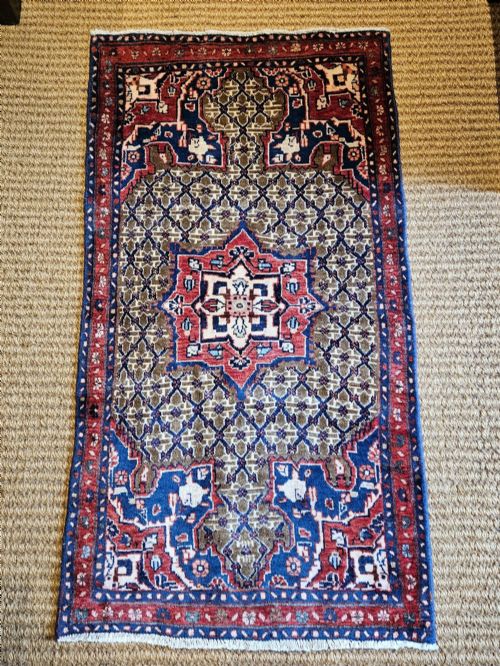
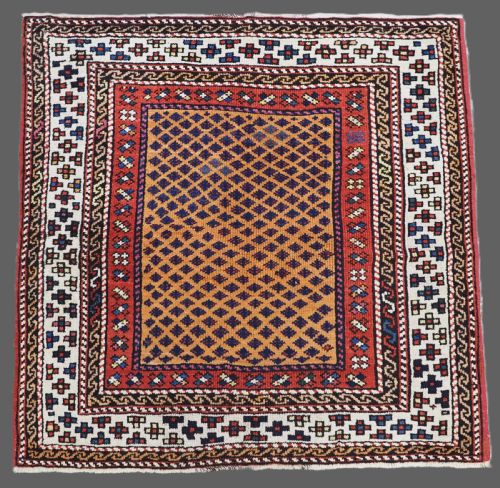
Intricate geometric patterns, lattice designs, and prayer niches were knotted by hand, reflecting the distinct tribal heritages of regions such as Bergama, Karaja, Konya, and Baluchistan.
Small Tribal Mat Retail Price Guide 2026
Typical asking prices for small tribal mat among the pieces listed under this phrase on Sellingantiques today, from the lower quarter to the upper quarter. They describe what is for sale here now, not the wider market.
Listings feature wool and natural dyes across nineteenth and early twentieth-century regional styles including Persian, Anatolian, and Caucasian.
What varies in quality
The distinction between standard village production and superior examples lies in the depth and vitality of the natural dyes, alongside the fineness and clarity of the knotting. Better pieces retain a crispness in their secondary motifs and a supple handle in the wool.
Condition also plays a part, distinguishing intact pile from heavily distressed surfaces, though collectors frequently appreciate the honest wear and faded charm of genuine nomadic use.
The Small Tribal Mat Glossary
- Torba
- A small storage bag or bag face traditionally used by Turkmen nomads for household possessions. These pieces display intricate gul motifs and decorative borders.
- Prayer Rug
- A textile featuring a mihrab or niche design indicating the direction of Mecca. They were utilised for daily devotion in village and nomadic settings.
- Gul
- A medallion or repeated octagonal motif characteristic of Turkmen and Central Asian tribal weaving. Each pattern often identifies a specific tribe or clan.
- Yastic
- A small Turkish cushion face or pillow cover woven in pile or flatweave techniques. They share the robust wool and dye characteristics of larger regional rugs.
- Sofreh
- A spreading cloth used for sharing meals or handling bread within nomadic households. These textiles often feature minimalist designs focused on practical utility.
Small Tribal Mat: Frequently Asked Questions
What is a small tribal mat used for today?
These compact textiles work well as accent pieces in hallways, studies, or small rooms where a full-sized carpet would overwhelm the floor space. Many collectors also mount them on walls as textile art to preserve their historic weave.
Because they originate from nomadic traditions, their portable nature allows them to move easily between different rooms and interior settings to add texture.
What is a bag face?
A bag face is the decorative front panel of a utilitarian nomadic container, such as a saddlebag or storage pouch. Once the original backing wore away, these artistic panels were often preserved by collectors for their dense knotting and complete design.
They represent some of the most concentrated examples of tribal artistry due to their small format.
How should I care for an antique wool mat?
Gentle vacuuming without a rotating brush roll helps remove grit from the wool pile without damaging the hand-spun foundation. Professional textile cleaning is recommended for deeper maintenance to protect natural dyes.
Keeping the textile out of direct, harsh sunlight preserves the subtle tones imparted by historic dyeing methods.