


Small Slant Front Bureau
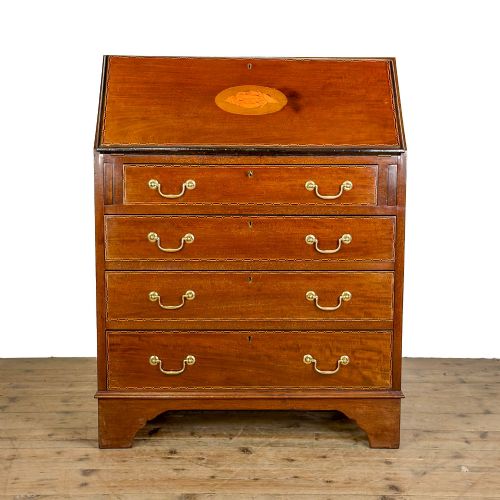
A small slant front bureau combines a compact writing desk with secure drawer storage, offering traditional practicality for tight spaces.
Small Slant Front Bureau
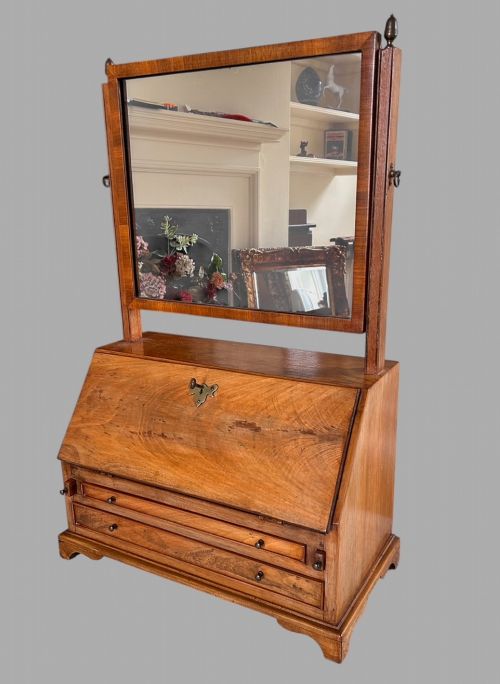
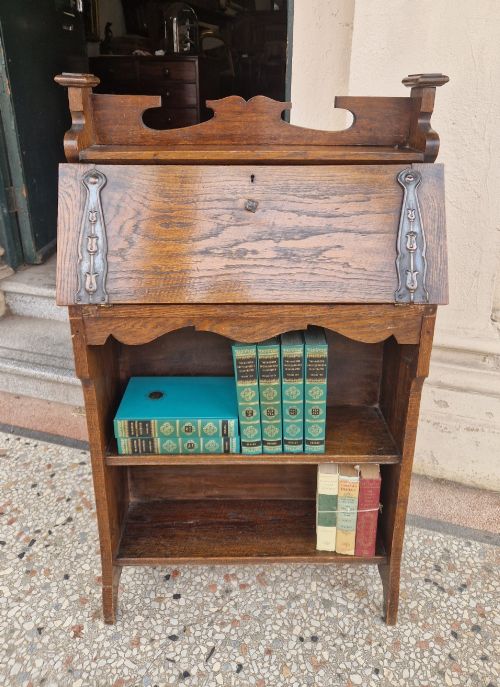
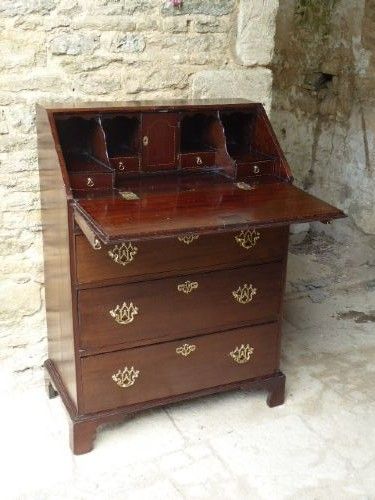
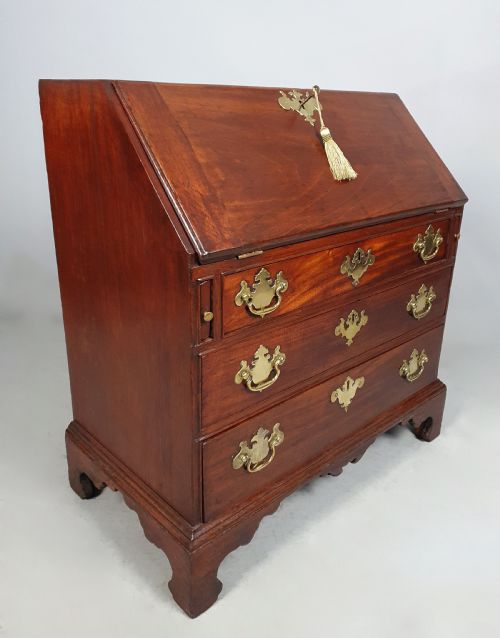
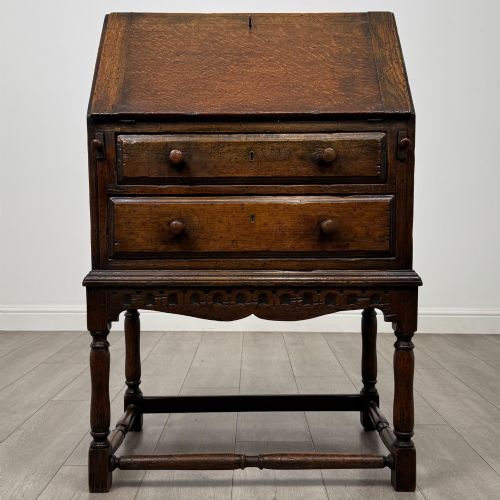
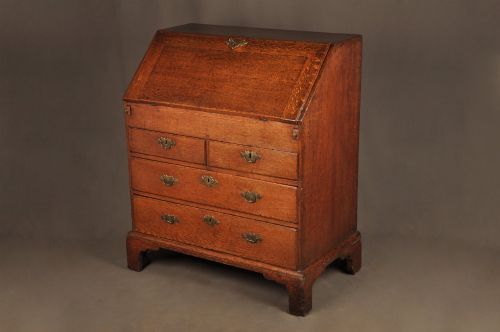
A small slant front bureau provides a sloping hinged writing flap that opens to reveal fitted interior compartments, pigeonholes and small drawers. When you examine a small slant front bureau on this page, you encounter examples originating across the eighteenth, nineteenth, and early twentieth centuries.
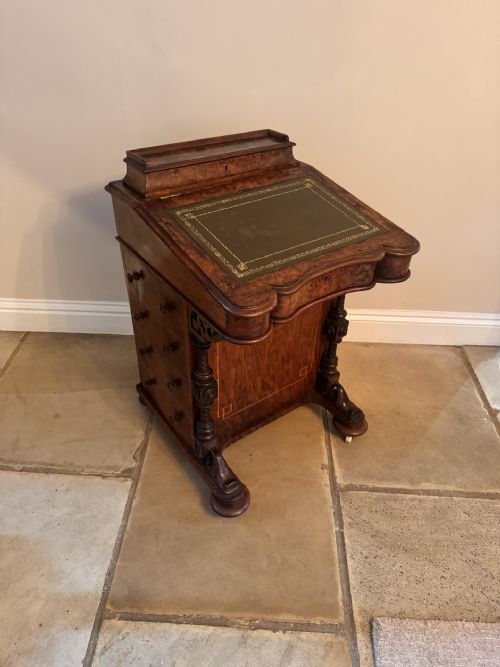
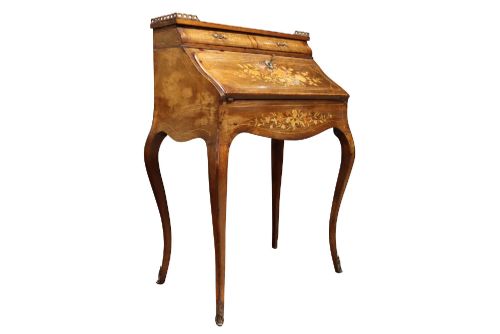
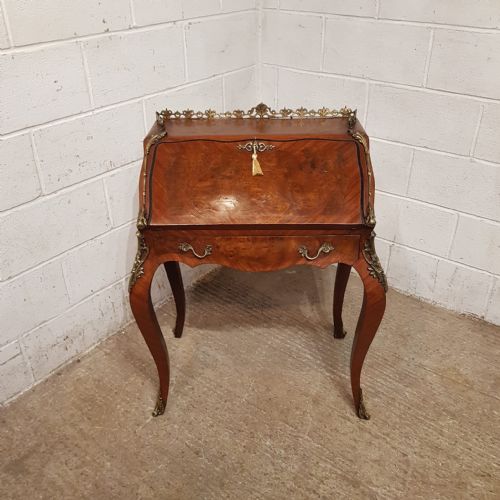
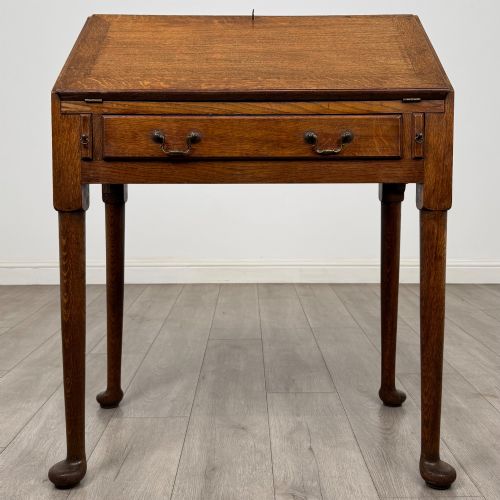
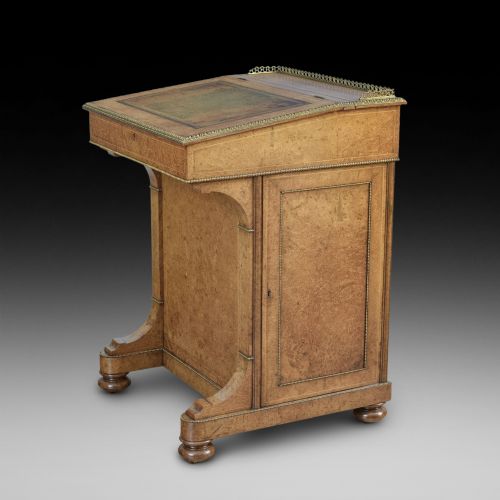
The selection encompasses standard drop-front writing desks alongside compact variants like the bureau de dame, Davenport desks, and table-top versions. Construction spans multiple historical eras including Georgian, Victorian, and Edwardian periods, reflecting evolving domestic writing needs.
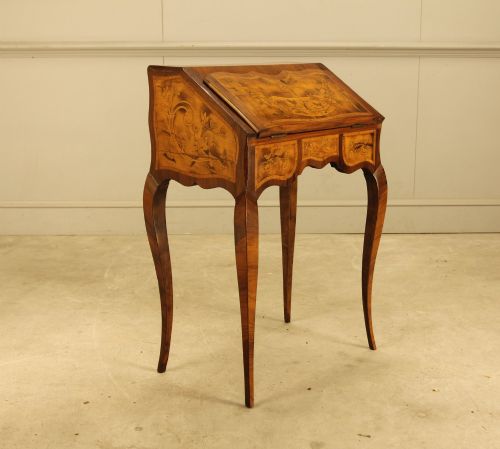
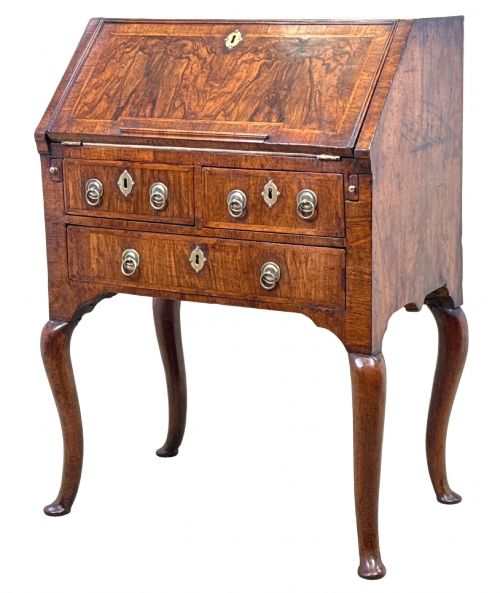
Regional and stylistic variations range from simple oak country pieces to sophisticated walnut, mahogany, and marquetry-inlaid designs. Buyers find both straightforward utilitarian desks and ornate revival pieces equipped with brass mounts or porcelain plaques.
Materials and Technique
Cabinetmakers constructed these desks using durable timbers such as oak, mahogany, and walnut, often applying burr walnut or satinwood veneers to exterior surfaces for decorative grain patterns. Secondary woods like cedarwood and fruitwood appear in interior compartments and drawer linings.
Joinery techniques relied on solid framing, dovetailing for drawer construction, and precision in fitting the sloping fall-front. Metal hardware, including brass handles, escutcheon plates, and occasionally ormolu mounts, secured operational functions and accented the woodwork.
Craftsmanship and Proportion
Quality differentiates by the crispness of timber selection, particularly the choice of figured veneers and the precision of inlaid banding such as satinwood or marquetry. Superior examples maintain balanced proportions, subtle brasswork, and intact original interior fittings.
The integrity of the writing flap mechanism and the smoothness of drawer operation indicate the standard of joinery. Untouched secondary woods and well-preserved surface polishes distinguish master-built pieces from utilitarian work.
Gillows
The Small Slant Front Bureau Glossary
- Slant front
- A hinged sloping board that forms the writing surface when lowered and conceals the inner compartments when closed. This design keeps writing materials out of sight.
- Bureau de dame
- A feminine writing desk, typically compact and ornate, popular in French and English domestic interiors. These pieces often incorporate delicate veneers and fine mounts.
- Davenport
- A compact writing desk featuring a sloped top with a lifting lid, resting over a pedestal of drawers. The design originated in the nineteenth century for space-saving study use.
- Escutcheon
- A protective plate surrounding a keyhole, usually fashioned from brass. It prevents the surrounding wood from wearing down through repeated use of the key.
- Marquetry
- Decorative veneer work created by fitting together thin pieces of wood, shell, or ivory to form pictorial designs. It transforms plain surfaces into ornamental panels.
Small Slant Front Bureau: Frequently Asked Questions
What is a small slant front bureau?
A small slant front bureau is a compact writing desk featuring a hinged, angled writing flap that folds down for use. It encloses small pigeonholes and drawers while sitting above a set of larger lower drawers.
These pieces were designed to save floor space in domestic settings while providing a dedicated writing surface and secure storage for correspondence and documents.
How were these desks used historically?
Owners used these desks for personal correspondence, managing household accounts, and storing important papers. The lockable fall-front kept private documents secure when not in use.
In period homes, they functioned as essential furniture for the parlour, study, or bedroom, accommodating the written communication needs of the household before modern technology.
Where should I place a small bureau?
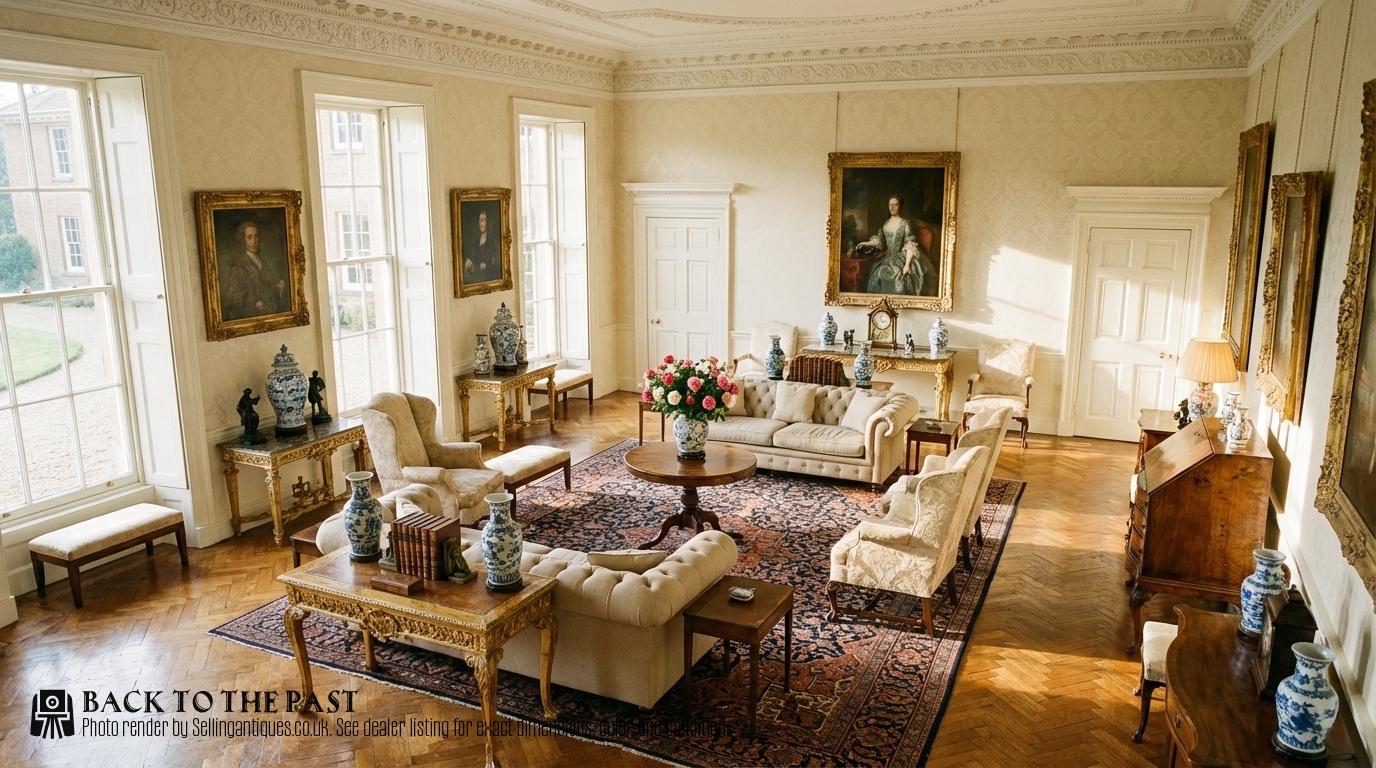
These compact desks fit well in narrow hallways, alcoves, home offices, or living rooms where floor space is limited. Their modest proportions allow them to function effectively as accent furniture.
Position the desk away from direct heat sources and strong sunlight to protect historic wood veneers and prevent the timber from drying out or warping.
How do I identify the period of a bureau?
Dating relies on observing construction methods, timber choices, and hardware styles. Eighteenth-century examples often feature solid oak or mahogany with hand-cut dovetails, while Victorian and Edwardian pieces show machine assistance and different veneer trends.
Examining secondary woods inside the drawers and the style of the brass escutcheons provides further clues to the manufacturing era and regional origin.