

Small Pine Drawers
Small pine drawers bring honest utility and understated warmth to interiors through unpretentious Victorian and Edwardian craftsmanship.
Small Pine Drawers
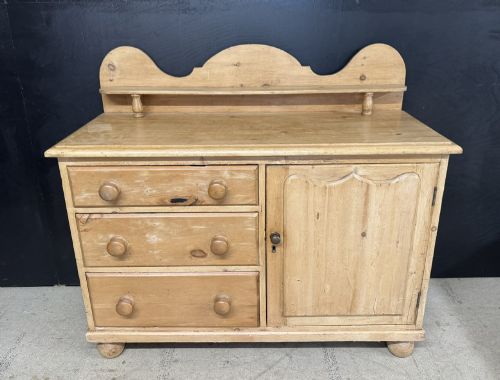
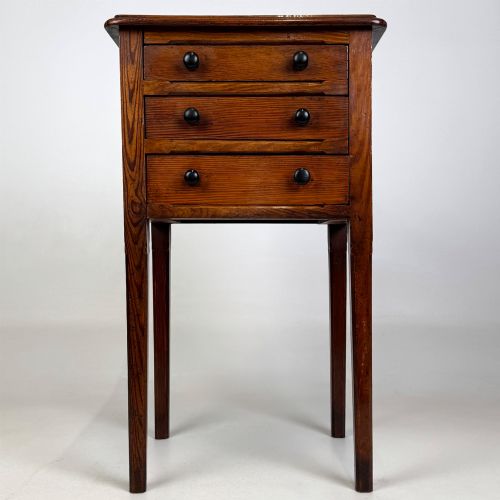
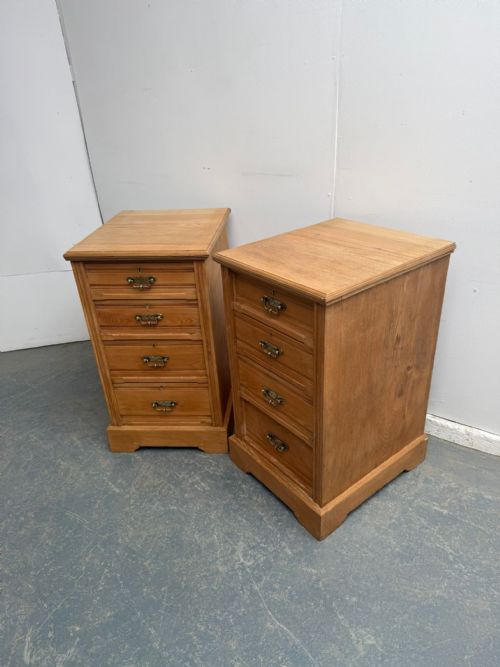
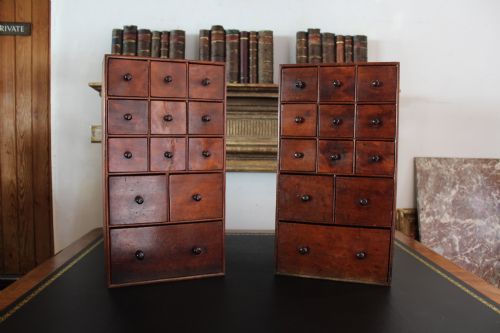
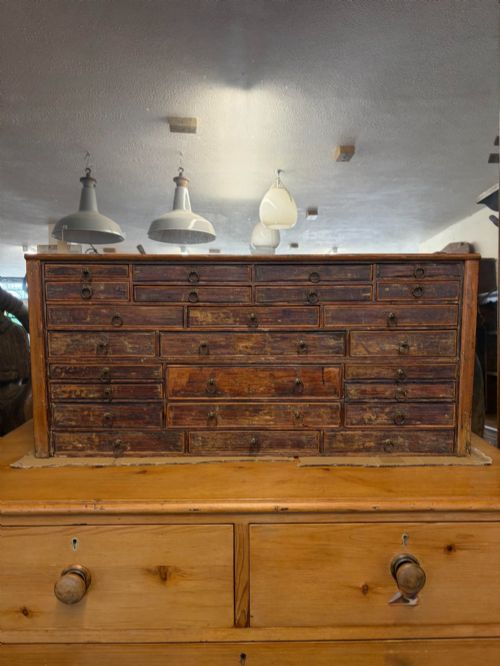
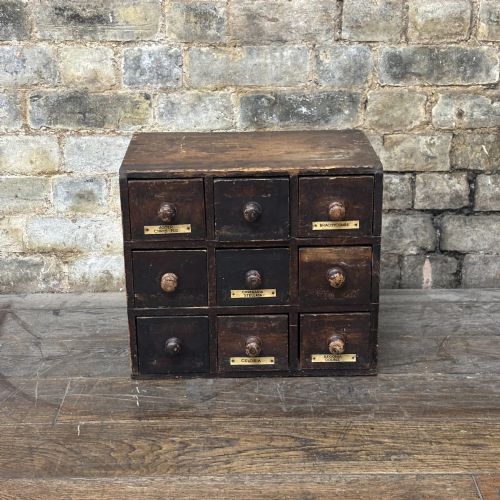
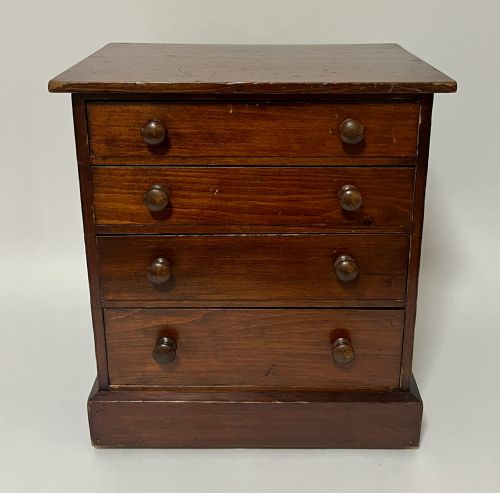
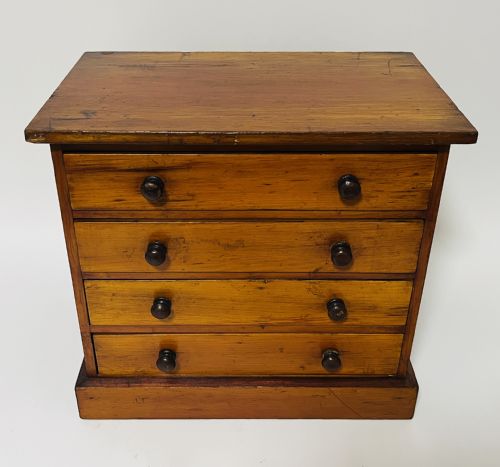
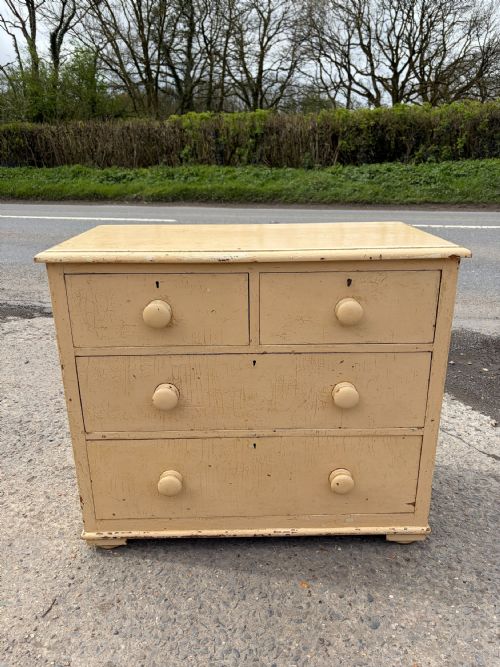
Buyers encounter classic two-over-two drawer arrangements, bedside cabinets, and multi-drawer banks originally used in trade or country kitchens. These functional items reflect the straightforward utilitarian needs of past households.
Origins range from English country workshops to regional Scottish and continental makers, utilising local timber for everyday utility. The enduring appeal lies in modest proportions and straightforward construction suitable for modern spaces.
Materials and Construction
Makers relied primarily on pine, pitch pine, and deal, supplemented by secondary hardwoods and occasional painted or stained surfaces. Drawers frequently incorporate brass or iron pulls and handles chosen for durability.
Surface treatments vary from waxed finishes and natural patinas to historical painted layers and ebonised mouldings. Joinery techniques prioritize functional longevity over ostentatious ornamentation, reflecting rustic farmhouse and industrial utility traditions.
Listings feature 19th-century Victorian, Edwardian, and Georgian pieces built from pine, pitch pine, and deal.
Assessing Quality
Quality rests in the integrity of the timber selection, the subtlety of the surface finish, and the preservation of original hardware. Fine examples display careful dovetailing and well-proportioned scaling rather than mass-produced uniformity.
The distinction between ordinary utility items and superior cabinetwork often appears in the crispness of mouldings, the weight of period brass handles, and the depth of the accumulated patina on the waxed wood.
D Napier And Sons
The Small Pine Drawers Glossary
- Pitch pine
- A resinous pine variety known for its dense grain and durable reddish-brown appearance. It provided sturdy timber for nineteenth-century cabinetwork.
- Deal
- A generic historical term for softwood timber, particularly pine or fir, commonly used in secondary furniture construction. It formed the basis for many utilitarian country pieces.
- Bank of drawers
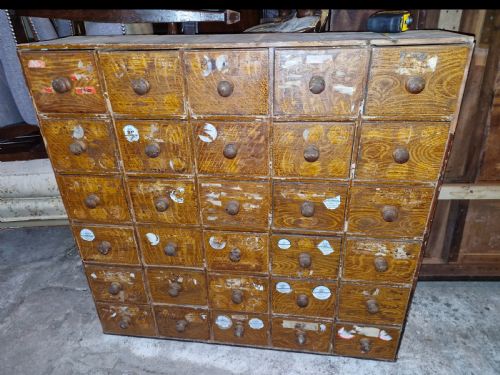
- A multi-drawer storage unit originally created for commercial, apothecary, or institutional use. These pieces offer numerous small compartments for organised sorting.
- Dovetail
- A traditional interlocking joint used in drawer construction to ensure tensile strength. Fine hand-cut dovetails indicate careful historic craftsmanship.
Small Pine Drawers: Frequently Asked Questions
What were small pine drawers used for?
These compact pieces served diverse domestic and commercial storage roles, from holding household linens and personal belongings to organising apothecary supplies or seeds.
Their modest footprint allowed them to sit comfortably on tabletops, in bedrooms, or inside utilitarian workspaces without dominating the room.
How do I date a pine chest?
Dating relies on observing construction methods, handle styles, and surface finishes across the piece. Hand-cut dovetails and period brass hardware typically point to nineteenth-century origins.
Later Victorian and Edwardian examples often introduce standardised machine-cut elements and different locking mechanisms while maintaining traditional pine construction.
Are painted pine drawers original?
Many pine pieces received coats of paint or simulated wood grain during the nineteenth century for decorative or protective purposes. Original painted surfaces exhibit natural wear and craquelure that develops over decades.
Stripped pine has become popular among modern buyers, though surviving early painted finishes offer significant historical character.
How do I care for antique pine?
Maintain waxed pine surfaces by applying traditional beeswax sparingly and buffing gently with a soft cloth to preserve the natural sheen. Avoid placing timber furniture near direct heat sources or in damp environments to prevent wood movement.
Cleaning should involve dry dusting rather than harsh chemical polishes that can degrade the historic patina.