


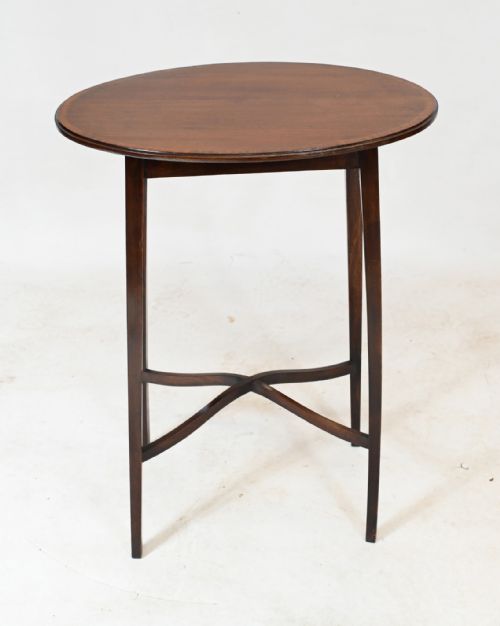
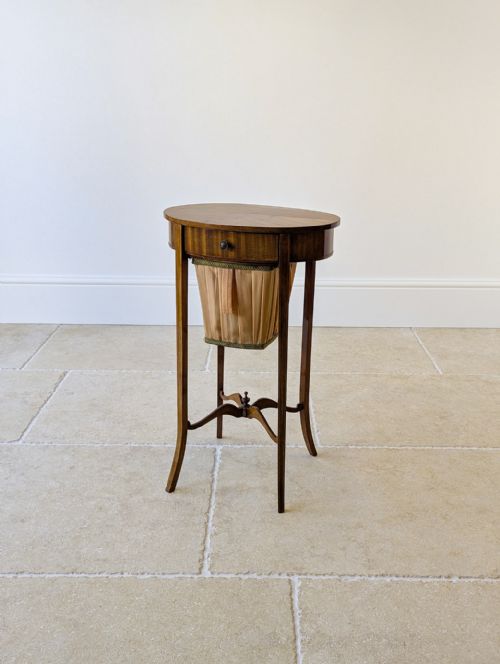
Small Oval Side Table
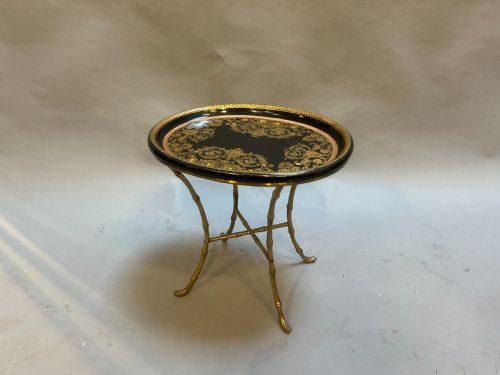
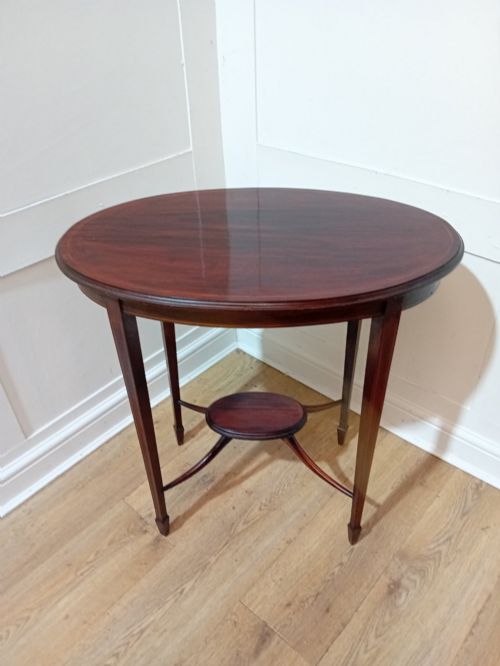
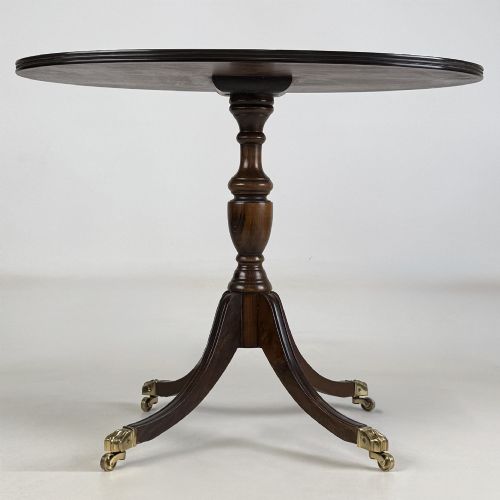
A small oval side table offers a neat surface for a lamp or glass, bringing polished timber and compact proportions into a room.
Small Oval Side Table
A small oval side table serves as a compact piece for everyday placement, appearing frequently as an occasional, lamp, or wine table. The selection spans several centuries and revivals, including Georgian, Victorian, Edwardian, and later twentieth-century iterations.
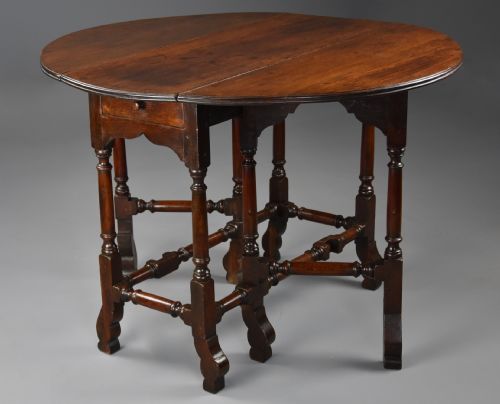
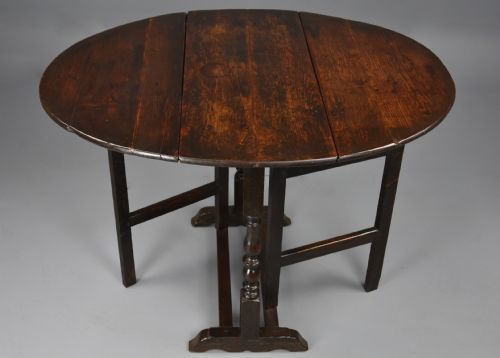
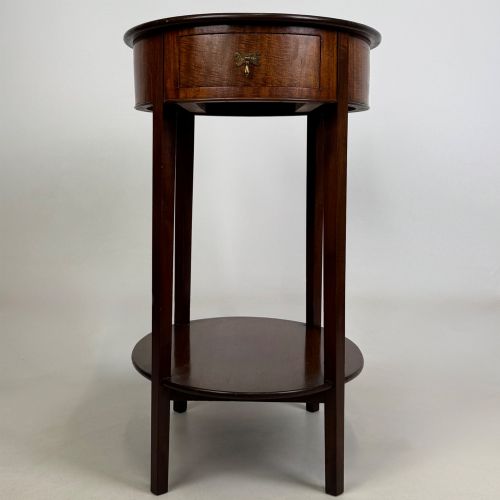
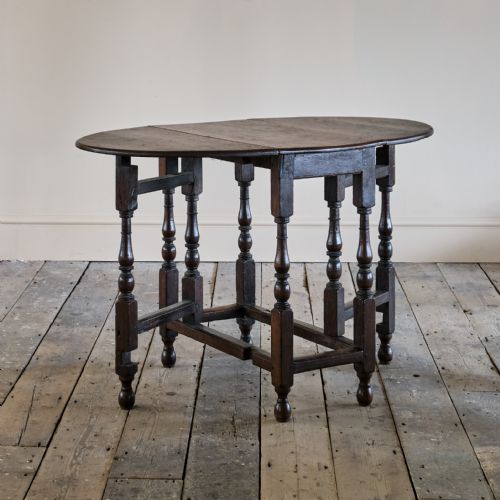
Most examples found on this page lean towards Edwardian and Victorian mahogany or oak formats, often built with slender legs and drop leaves or gateleg mechanisms. These domestic pieces bridge the gap between practical furniture and decorative woodwork.
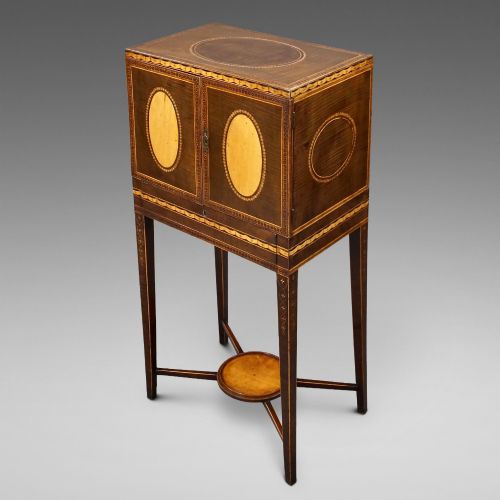
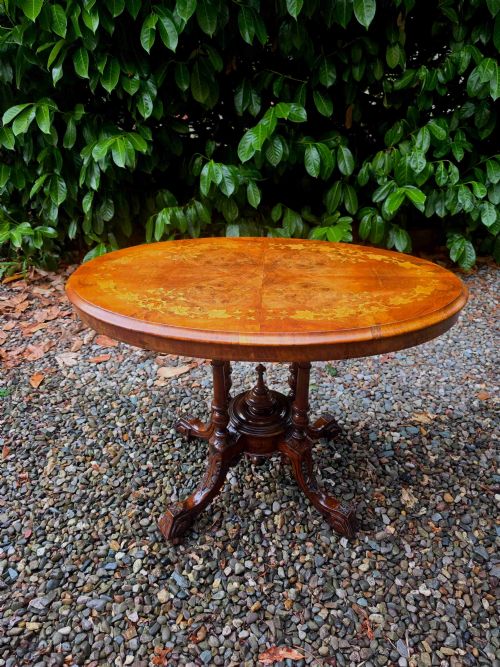
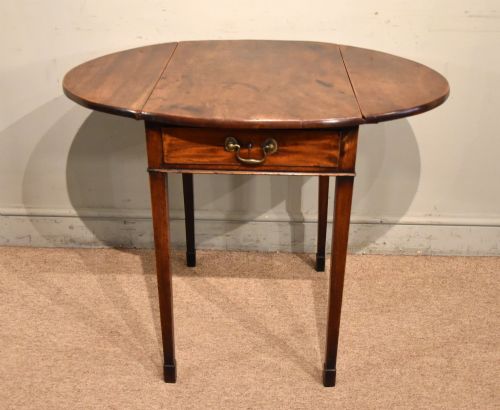
Forms extend beyond simple four-legged stands to include pembroke tables, étagères, and occasional tables with inlaid tops. Buyers encounter everything from utilitarian oak gateleg designs to refined satinwood and burr walnut creations.
How they were made
Cabinetmakers constructed these tables primarily in mahogany, oak, and walnut, often utilising burr veneers and exotic timbers like satinwood, rosewood, and harewood for decorative surfaces. Wood inlay, brass fittings, and marquetry enrich the tops and borders of finer examples.
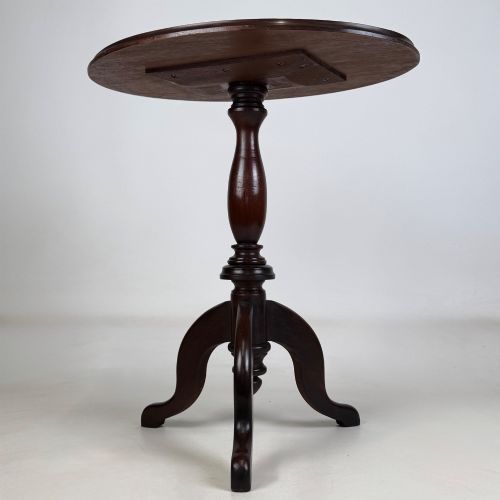
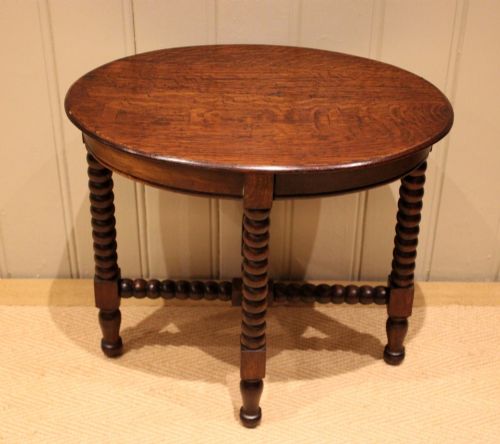
Structural methods vary from solid oak gateleg frames with barley twist legs to delicate mahogany occasional tables joined with traditional framing. Turned supports, Pembroke drop leaves, and clever pivoting leaves demonstrate the versatility of workshop joinery across the periods.
Listings feature woods including mahogany, burr walnut, oak, satinwood, and rosewood across Georgian, Victorian, and Edwardian periods.
What varies in quality
The distinction between standard and superior pieces rests on the choice of timber and the precision of the cabinetwork. Selected burr walnut, rich mahogany figures, and crisp wood inlay elevate an ordinary occasional table into a notable object.
Proportion and surface finish dictate the overall success of the piece, where original patination and refined leg turnings separate workshop standards. Tables that retain their original brass hardware and balanced framing command greater appreciation.
The Small Oval Side Table Glossary
- Pembroke table
- A small table with hinged drop leaves on either side, often fitted with a drawer. It originated in the eighteenth century for breakfast or writing use.
- Gateleg table
- A table with hinged legs that swing out to support drop leaves when raised. This design provides a sturdy surface that folds away compactly.
- Marquetry
- The art of applying decorative veneer pieces to a structure to form intricate patterns or pictures. It commonly utilises contrasting woods and tinted elements.
- Pie crust
- A decorative carved raised edge shaped in undulating curves, frequently found on the tops of small wine tables.
Small Oval Side Table: Frequently Asked Questions
Where should I place a small oval side table?
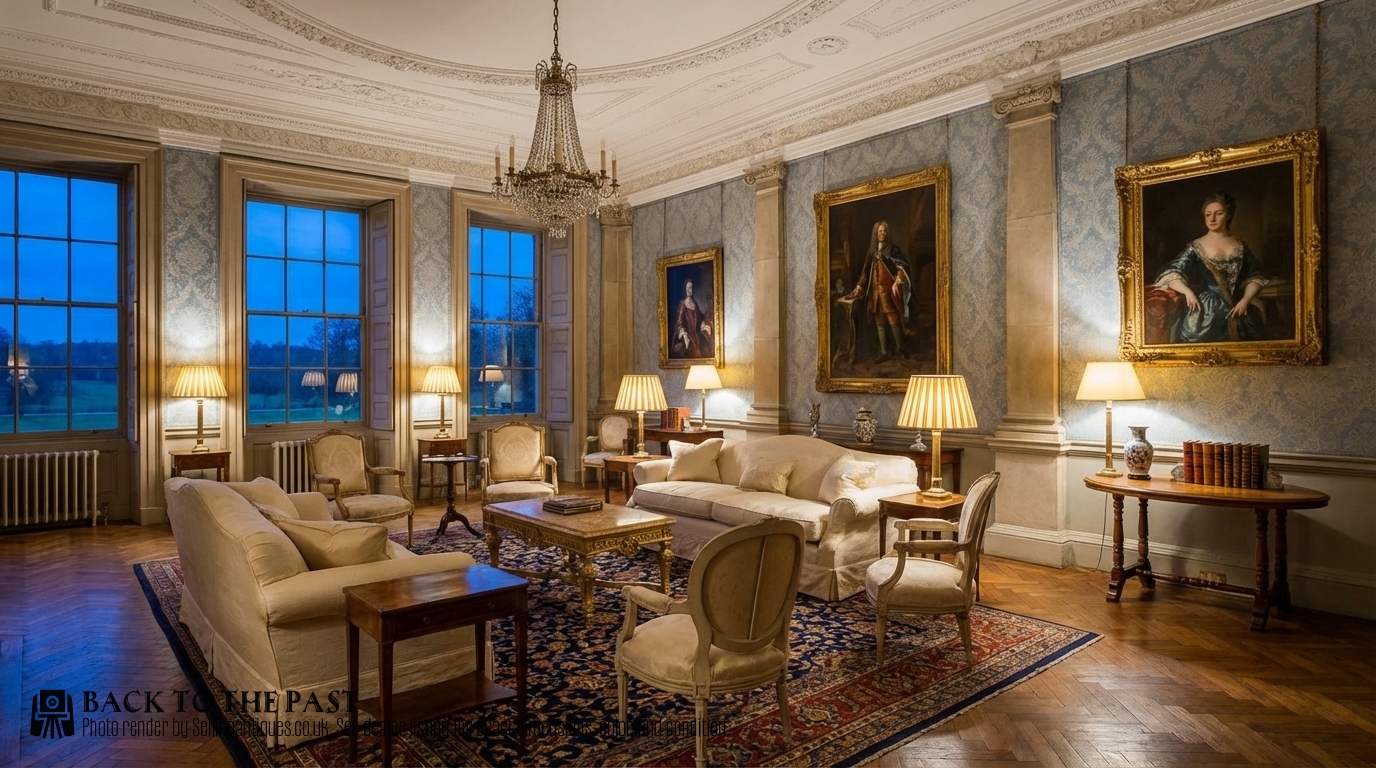
These pieces fit comfortably beside a sofa, armchair, or in a hallway where floor space is restricted. Their curved edges allow movement around them without sharp corners.
They function well as lamp stands, wine tables, or modest writing surfaces in domestic interiors.
How do I care for antique timber surfaces?
Maintain the wood by dusting with a dry cloth and applying natural beeswax periodically to nourish the grain. Avoid placing tables in direct sunlight or near heat sources to prevent timber splitting.
Use coasters beneath glasses to protect the polish from moisture rings.
What is the difference between an occasional table and a side table?
An occasional table denotes a movable piece brought out for specific needs, such as serving tea or holding a lamp. A side table typically remains stationary against a wall or beside seating.
Both terms often overlap in antique descriptions depending on the proportions.
How can I tell an Edwardian table from a Georgian one?
Georgian tables from the eighteenth century generally exhibit heavier timber frames, hand-cut joinery, and distinct period patination. Edwardian revivals from around nineteen hundred often feature lighter satinwood, machine-cut elements, and brighter finishes.
Construction details beneath the top usually reveal the manufacturing period.