

Small Oriental Carpet
A small oriental carpet brings the grounded weight of Persian, Anatolian, and Caucasian traditions directly to a floor.
Small Oriental Carpet
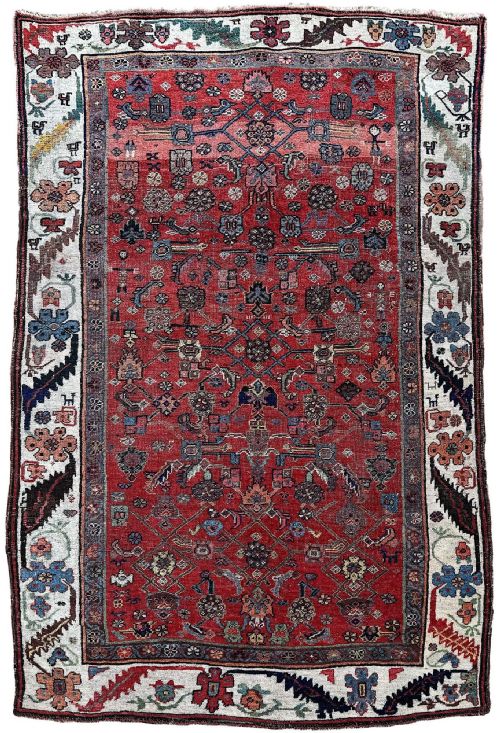
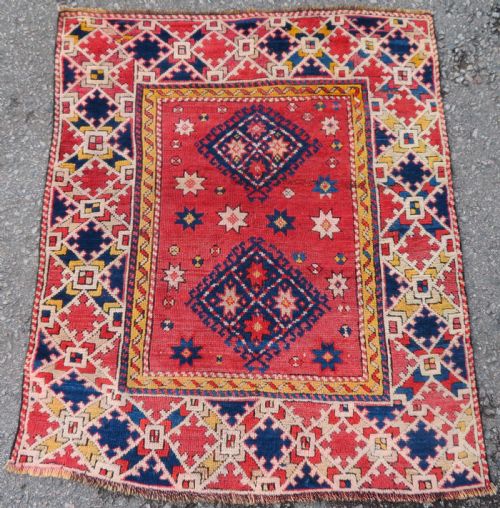
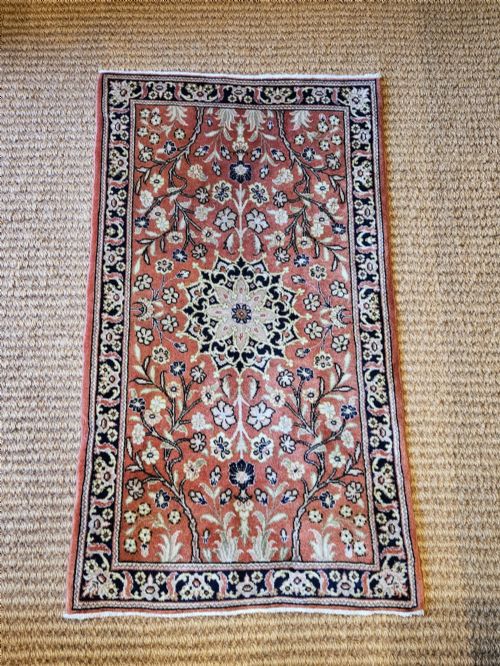
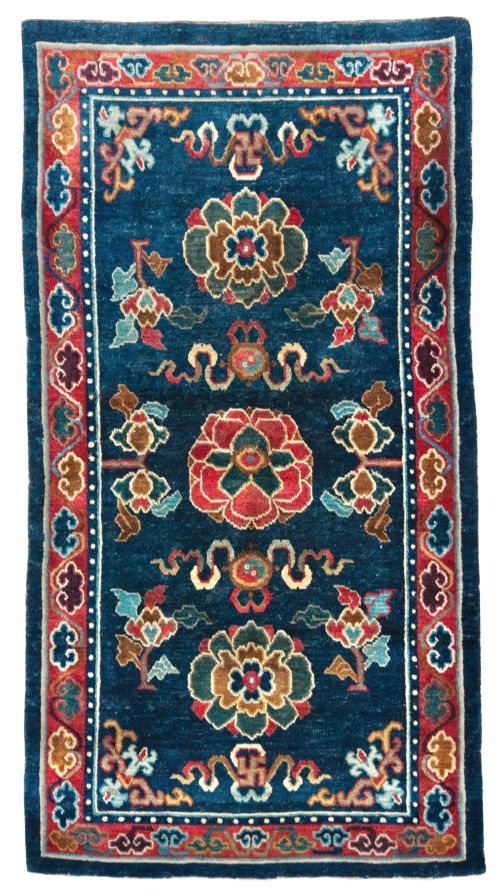
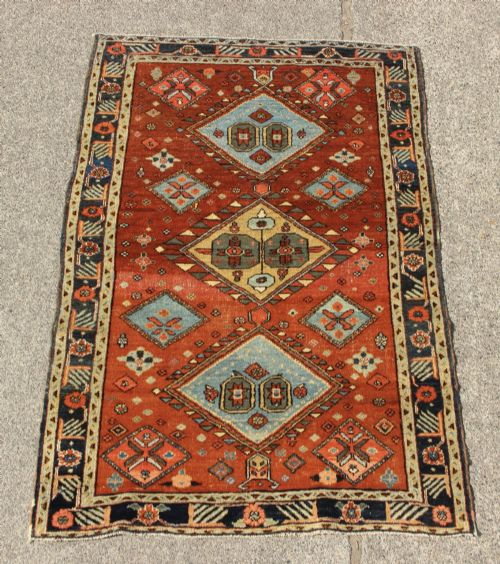
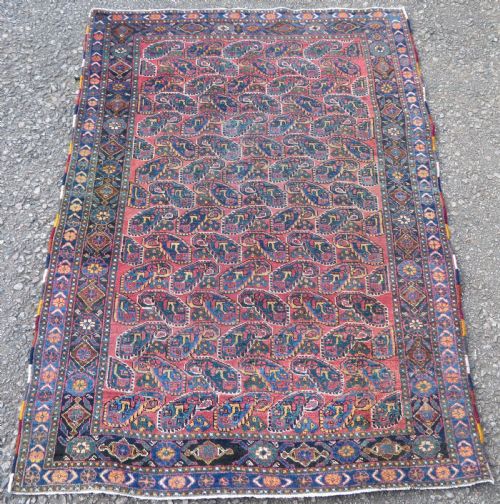
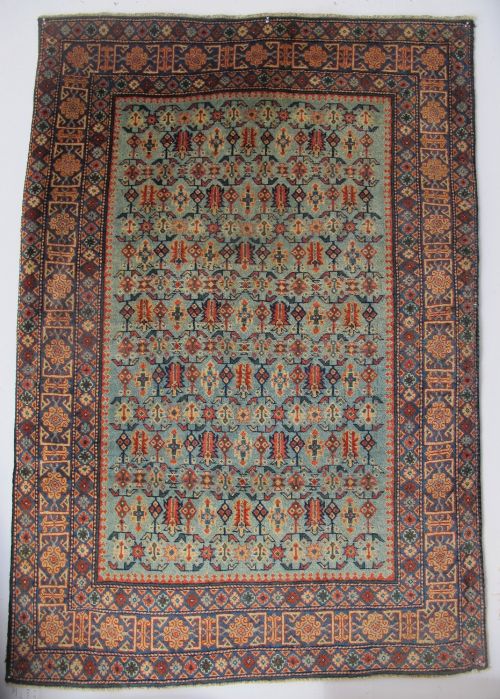
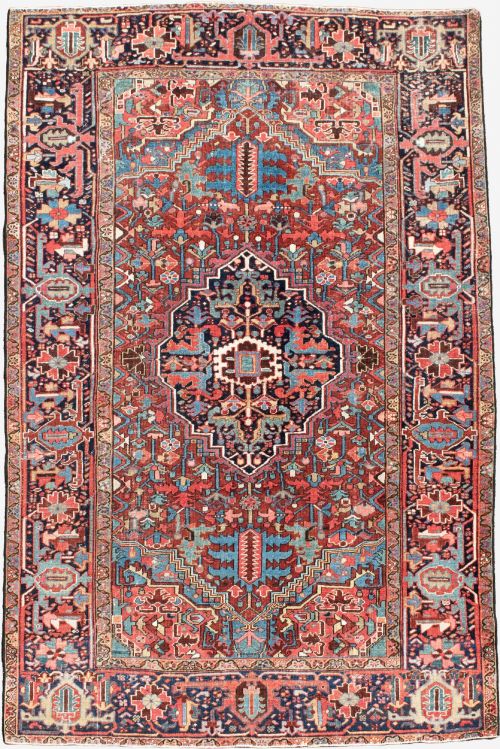
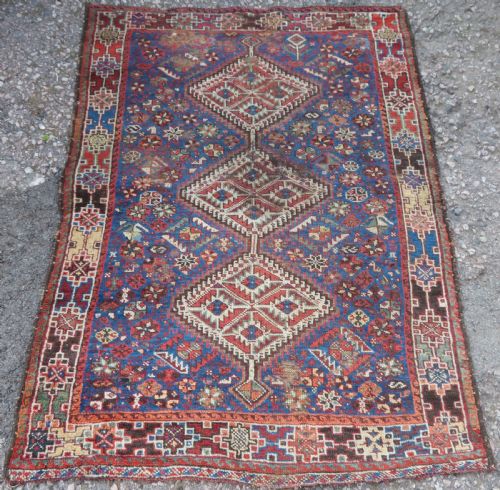
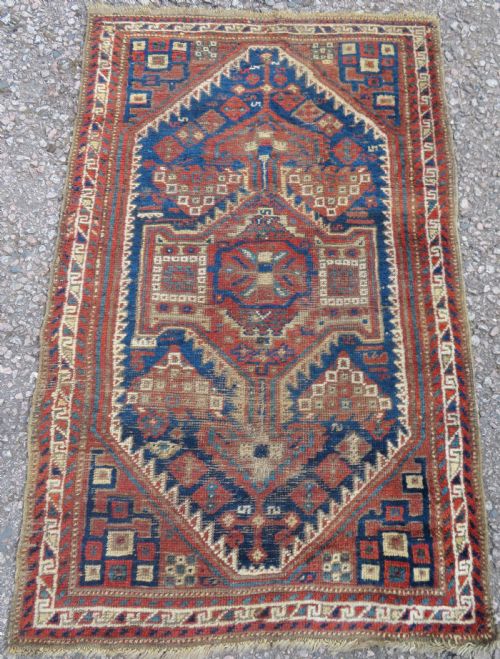
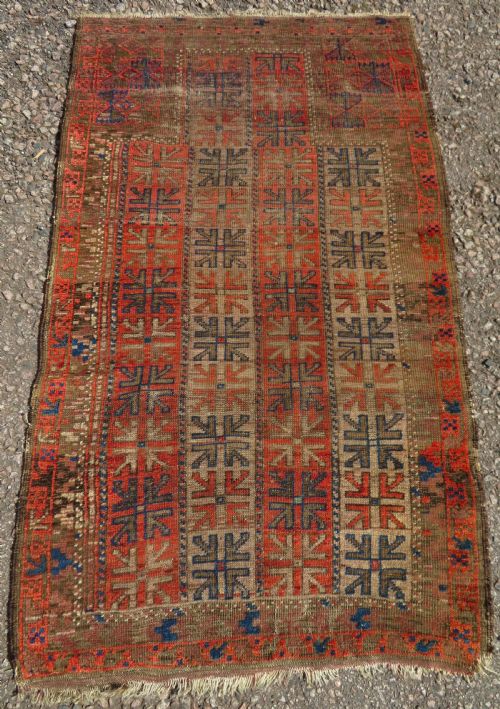
A small oriental carpet delivers centuries of weaving heritage in a compact footprint suitable for everyday rooms. The selections span village and tribal origins, including regional pieces from Heriz, Bidjar, Afshar, and Baluch workshops.
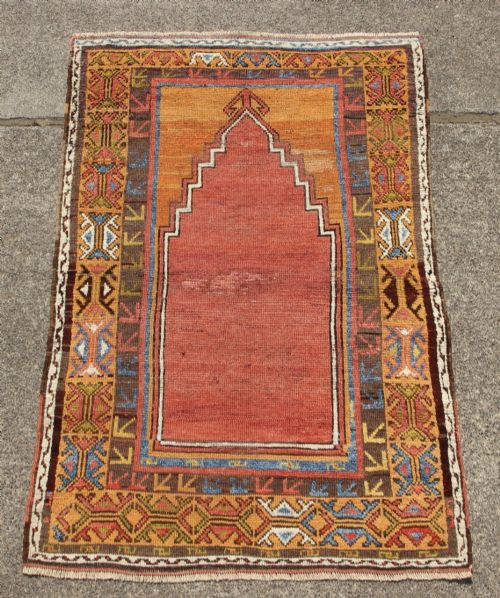
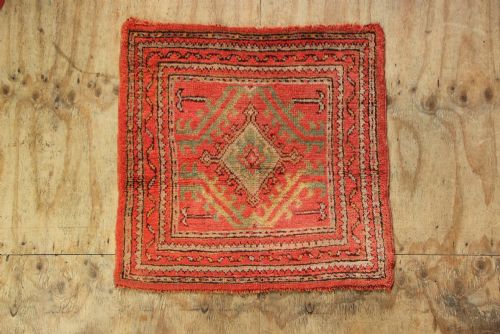
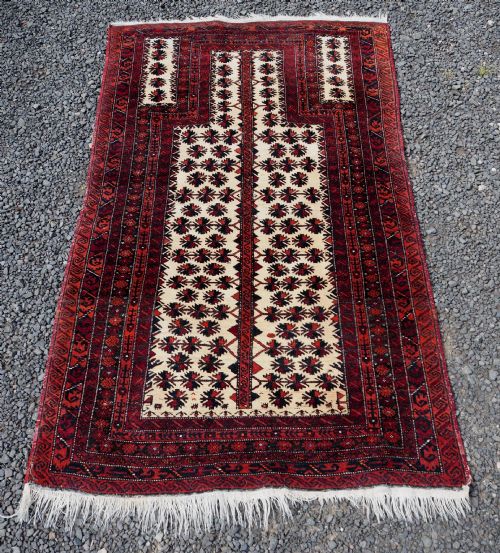
Buyers encounter distinct formats ranging from prayer rugs with mihrab niches to square rugs, small carpets, and nomadic tent door hangings. Most examples originate from the late nineteenth and early twentieth centuries, carrying traditional motifs across wool foundations.
Village weavers and nomadic groups produced these textiles for domestic use or local trade, resulting in diverse geometric and floral field designs. Each small oriental carpet reflects the specific palette and knotting style of its particular district or tribe.
How they were made
Weavers constructed these carpets using hand-spun wool for the pile, set against sturdy cotton or wool foundation warps and wefts. Natural dyes provided the deep indigos, madders, and earthy tones that settle into softer patinas over time.
Nomadic and village looms relied on vertical or horizontal frames where knotting proceeded row by row by hand. Skilled artisans employed asymmetric or symmetric knots depending on regional custom, finishing the edges with tightly bound selvedges.
Small Oriental Carpet Retail Price Guide 2026
Typical asking prices for small oriental carpet among the pieces listed under this phrase on Sellingantiques today, from the lower quarter to the upper quarter. They describe what is for sale here now, not the wider market.
Nomadic weavers occasionally embedded small protective amulets directly into the wool pile to ward off misfortune.
What varies in quality
Quality rests upon the crispness of the drawing and the saturation and depth of the natural dye palette. Finer knot density allows intricate geometric or curvilinear motifs to maintain sharp definition across the field.
The integrity of the wool foundation and the evenness of the wear dictate the structural resilience of the piece. Superior examples retain substantial pile thickness and secure borders while displaying harmonious colour variation throughout.
The Small Oriental Carpet Glossary
- Mihrab
- A niche design found on prayer rugs, traditionally oriented toward Mecca during daily worship. This architectural motif often forms the central focus of the rug field.
- Gul
- A medallion pattern or octagonal motif frequently repeated across Turkmen and Baluch tribal weavings. Each tribe utilised distinct variations to signify lineage and origin.
- Selvedge
- The bound edge running along the outer vertical sides of a carpet, protecting the foundation threads from fraying. Original or well-preserved bindings indicate careful maintenance.
- Warp
- The vertical foundation threads stretched tightly on the loom before knotting begins. Weft threads are subsequently passed horizontally between them to secure each row of knots.
- Torba
- A small storage bag face produced by Turkmen nomads, designed for domestic use inside a yurt. These pieces feature characteristic gul designs and rich secondary ornaments.
Small Oriental Carpet: Frequently Asked Questions
How do I place a small oriental carpet in a room?
Position a small oriental carpet in low-traffic areas such as beside a bed, in front of a fireplace, or beneath a reading chair. Their modest dimensions allow them to define focal points without overwhelming surrounding floor space.
Allow the surrounding flooring to frame the edges of the carpet. Keeping these textiles away from direct, harsh sunlight preserves the natural dyes over decades of daily enjoyment.
What is the difference between village and tribal rugs?
Village rugs typically emerge from settled communities with established local markets, featuring structured floral or geometric layouts. Tribal weavings originate from nomadic groups working from memory, resulting in spontaneous, highly geometric designs.
Both categories rely on hand-spun wool and natural dyes, but the structural rhythm reveals whether the weaver worked within a permanent village or a mobile camp.
Why do some antique carpets look distressed?
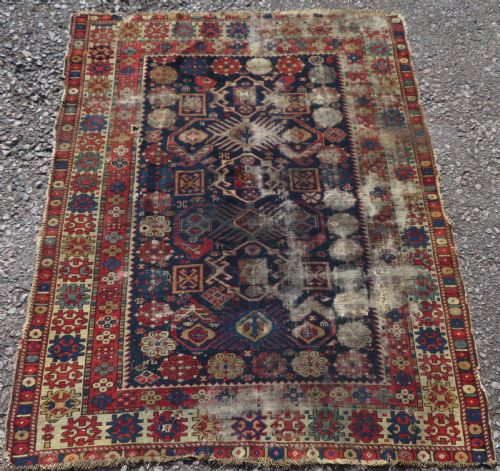
Decades of walking, sunlight exposure, and historical washing naturally soften the wool pile and mellow the natural dye colours. This gentle wear creates a faded patina prized by collectors for its understated visual depth.
Distressed surfaces demonstrate authentic age and previous domestic use rather than modern artificial ageing. The underlying structure remains stable while showing the softened character of long history.