
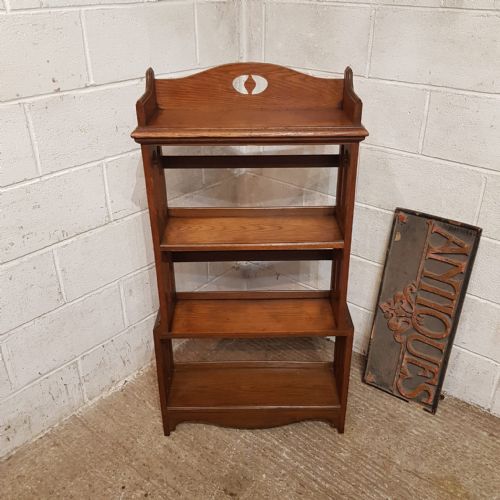


Small Oak Display Unit
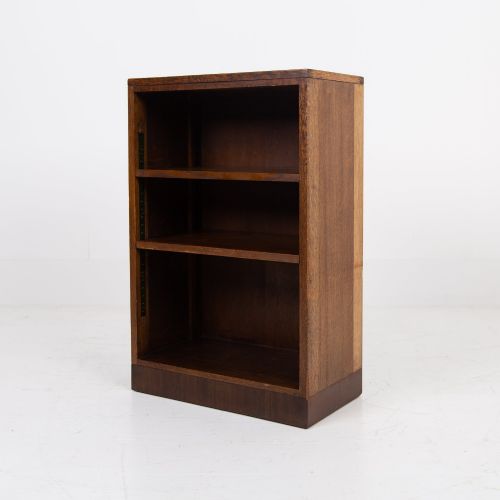
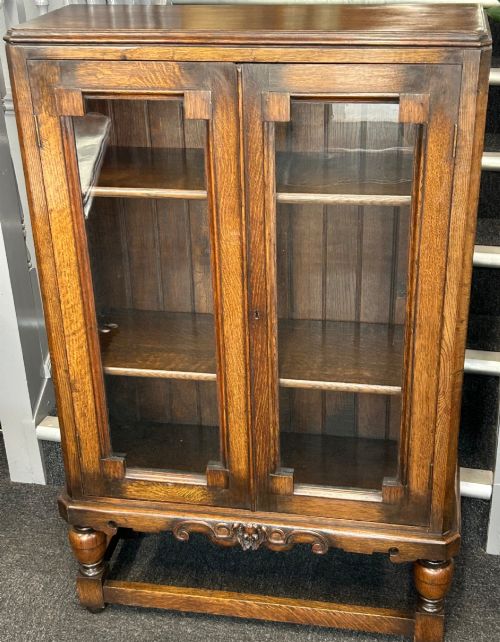
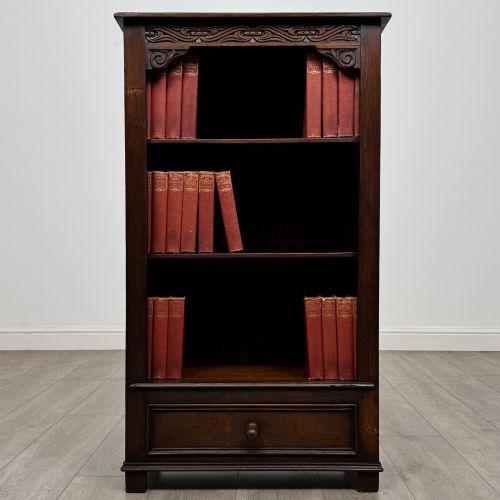
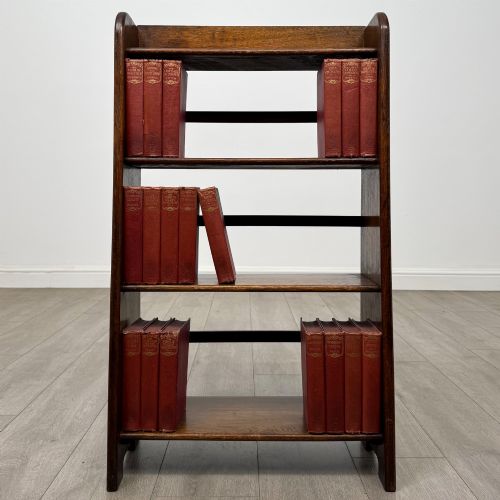
A small oak display unit brings compact utility and timber character to a room, ranging from open bookshelves to glazed cabinets.
Small Oak Display Unit
When you search for a small oak display unit, you encounter a varied group of timber furniture focused on storage and presentation. The selection spans open bookcases, wall cabinets, corner cupboards, and haberdashery units designed for domestic and commercial spaces.
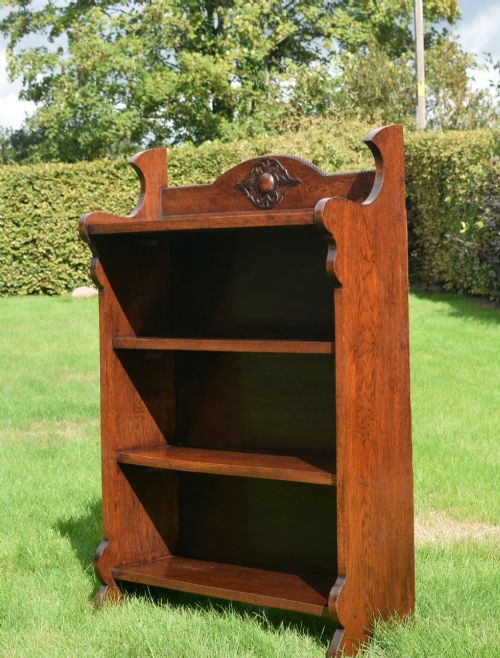
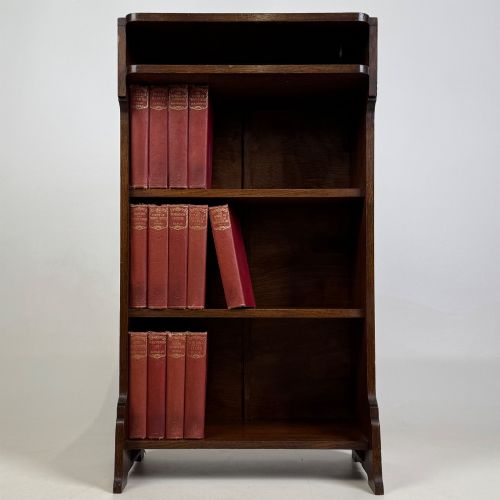
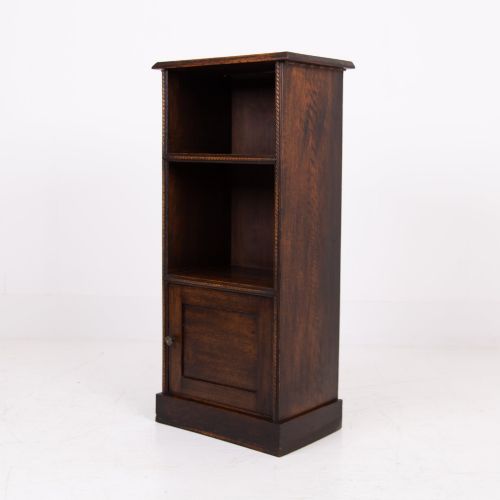
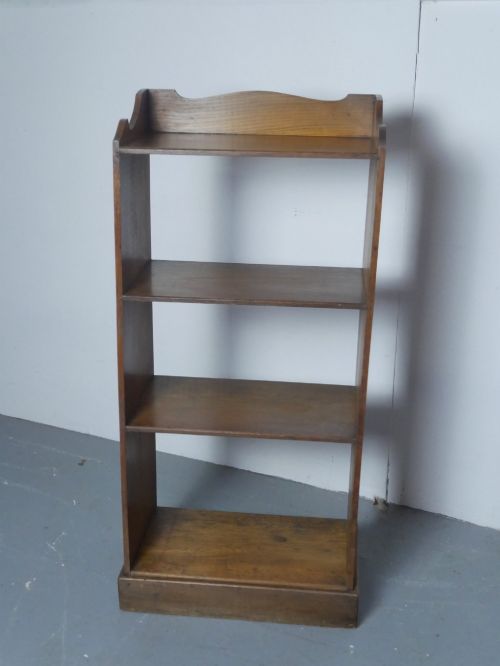
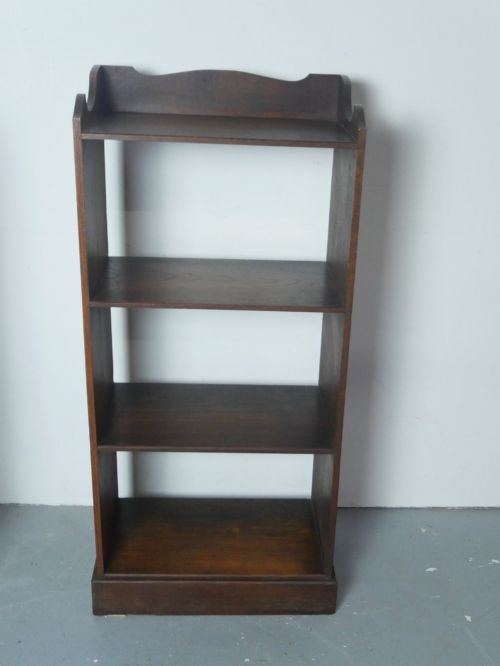
The pieces emerge from the eighteenth century through to the 1930s, encompassing Victorian, Edwardian, Arts and Crafts, and Art Deco styles. Open bookcases and wall shelves appear frequently among the listings, alongside glazed cabinets and corner units.
Origins stretch from English country workshops to specific regional movements like the Cotswold School, utilising timber framing and proportioned shelving. Each version serves the primary function of displaying or storing books, plates, and small objects within a compact footprint.
How they were made
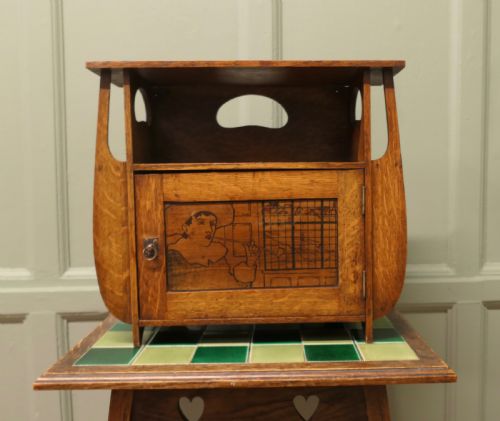
Carpenters utilised solid oak as the principal timber, frequently pairing it with glass panels for display doors and brass or iron for hinges, handles, and fittings. Certain pieces integrate leather surfaces or walnut elements to accent the primary wood.
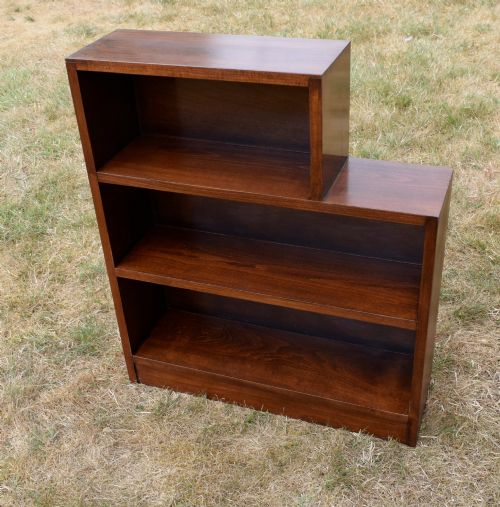
Construction techniques follow the prevailing style of the period, from traditional pegged joinery on revival pieces to stepped geometric configurations in Art Deco items. Surfaces exhibit beaded edges, natural grain finishes, and wall-hanging fixtures where appropriate.
A sewing shop display cabinet from the 1930s finds new life holding miniature pottery collections.
What varies in quality
The calibre of a small oak display unit rests upon the integration of design and the handling of the timber. Pieces associated with named makers or specific movements like the Cotswold School demonstrate superior structural cohesion and refined proportion.
The execution of detail, such as beaded edges, glazed door framing, and brass hardware, separates standard utility items from more considered examples. Material selection also plays a part, where well-figured oak and secondary woods like walnut elevate the piece.
Betty Joel
The Small Oak Display Unit Glossary
- Arts and Crafts
- A design movement prioritising traditional craftsmanship and simple forms. It emerged in the late nineteenth century and influenced furniture makers well into the twentieth.
- Haberdashery cabinet
- A glass-fronted or multi-drawer storage unit originally used in shops for selling small dry goods. These pieces now function domestically for display.
- Waterfall bookcase
- A set of open shelves where each tier steps back progressively from the one below. This form creates a tiered profile.
- Cotswold School
- A twentieth-century English craft movement centred on honest timber construction and hand-worked surfaces. Pieces from this tradition display distinct regional characteristics.
- Chippendale Revival
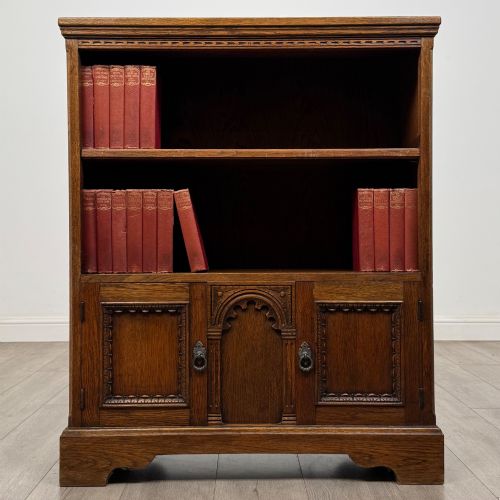
- A late nineteenth or early twentieth-century style reproducing eighteenth-century cabinet designs. It incorporates classic classical motifs adapted for Victorian and Edwardian interiors.
Small Oak Display Unit: Frequently Asked Questions
Where should I place a small oak display unit?
These compact pieces fit easily into alcoves, hallways, or smaller reception rooms where floor space remains at a premium. Open bookcases and wall shelves work effectively in studies or kitchens for everyday access.
Enclosed cabinets and corner cupboards suit dining areas or living spaces to protect delicate items behind glass doors.
How do I date an oak bookcase?
Dating relies upon stylistic markers, construction methods, and timber preparation visible across the piece. Edwardian and Victorian items often carry distinct proportions and revival motifs.
Pieces from the 1920s and 1930s frequently adopt cleaner lines, geometric steps, or influences from the Art Deco and Arts and Crafts movements.
Can wall shelves support heavy books?
Wall-mounted oak shelves require secure fixing to solid masonry or appropriate studwork to bear significant weight. The natural density of oak provides sturdy timber ledges, but wall integrity dictates the load capacity.
Lighter display items and small volumes remain the safest choice for hanging configurations.
What is the difference between an open bookcase and a cabinet?
Open bookcases provide immediate, unhindered access to shelves for books and decorative objects. They prioritise ease of use and visual display of shelf contents.
Cabinets incorporate doors, often glazed or fitted with brass hardware, to enclose the interior space and protect contents from dust.