


1930s Open Shelf Unit
A 1930s open shelf unit brings practical display space and distinct period character into a modern room.
1930s Open Shelf Unit
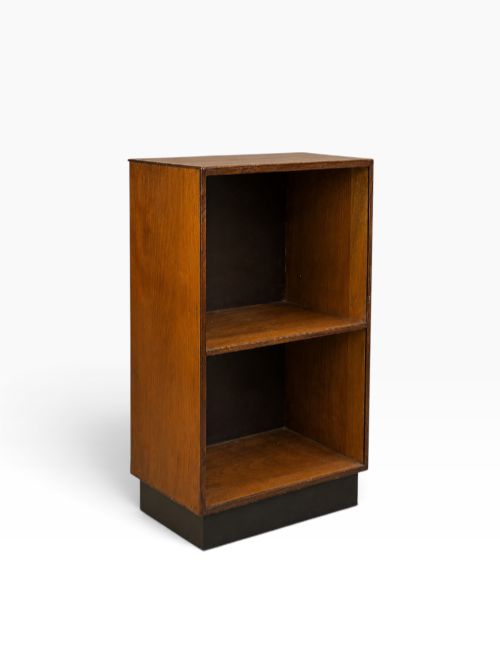
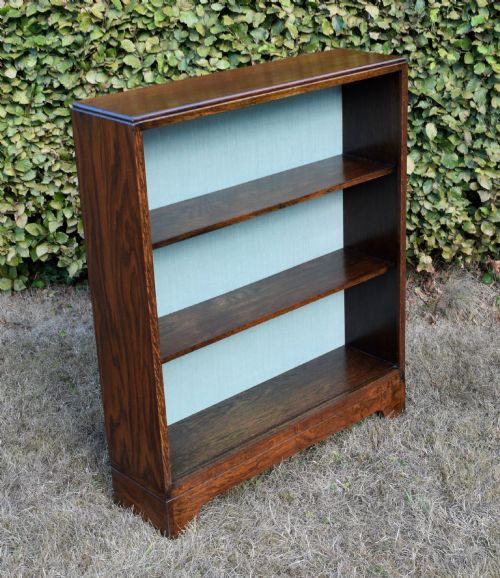
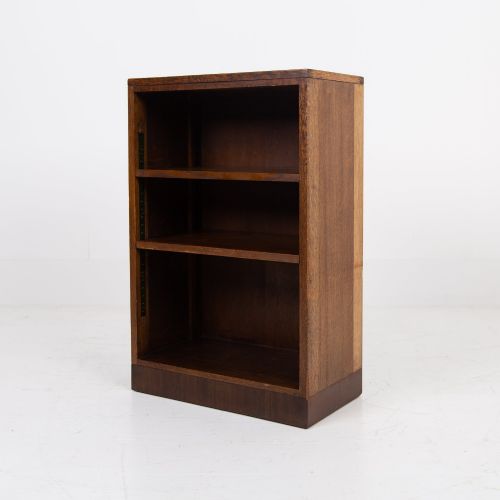
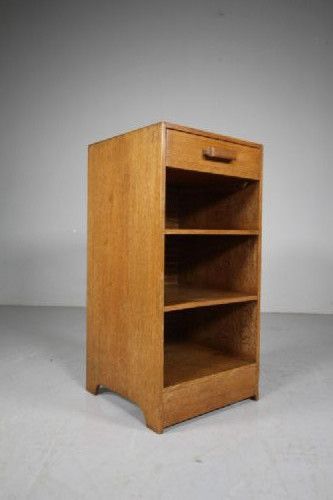
A 1930s open shelf unit typically takes the form of an open bookcase, sometimes paired with bedside cabinets or lower cupboards, designed for accessible storage in domestic spaces.
The pieces appearing on this page span the 1930 and 1940 periods, showing influences from Art Deco, Tudor Revival, and Anglo-Indian styles.
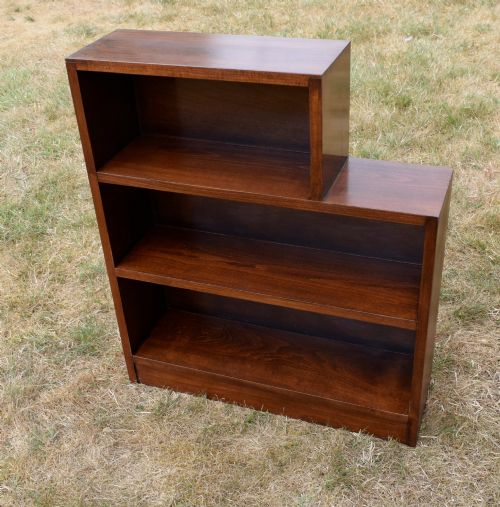
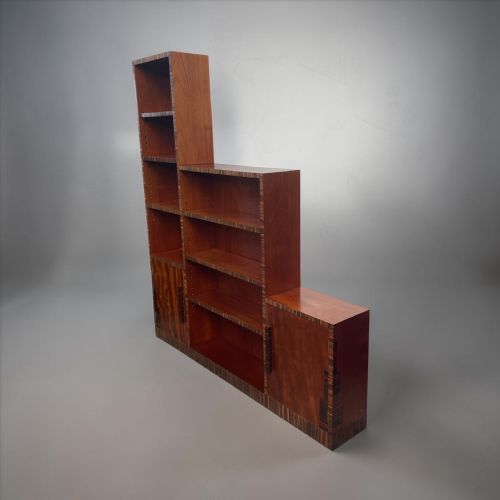
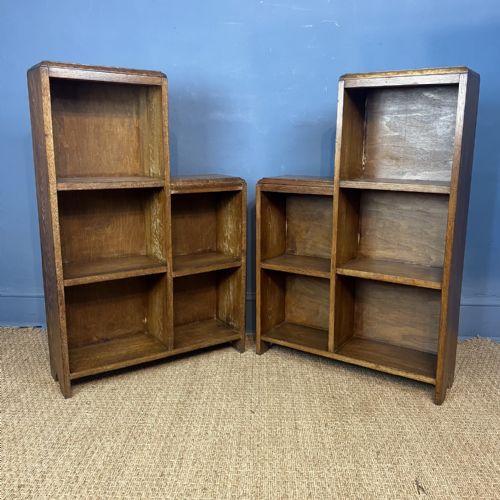
Buyers will most frequently encounter bookcase forms rather than smaller bedside variants, often constructed with multiple tiers or stepped profiles.
Materials and construction methods
Cabinet makers utilised a variety of timbers including oak, walnut, ash, mahogany, teak, and hardwood, frequently applying walnut veneer to key surfaces for decorative effect.
Construction techniques range from streamlined Art Deco designs featuring clean lines and mouldings to period revival pieces incorporating ebonised finishes or leather tops.
Listings include items described as bedside cabinets, offering smaller alternative storage forms alongside standard bookcases.
Distinctions in craftsmanship and design
The division between standard examples and superior pieces rests on the choice of timber and veneer work, alongside the sophistication of the joinery and decorative mouldings.
Makers such as Betty Joel and Heals produced notable pieces where the proportion, stepped silhouettes, and overall execution elevate the object above simpler vernacular production.
Heals·Betty Joel
The 1930s Open Shelf Unit Glossary
- Art Deco
- A design style characterised by sleek geometric shapes, streamlined forms, and stepped profiles popular during the period. This aesthetic defines many of the bookcases found in this category.
- Veneer
- A thin layer of superior wood applied to a base timber to provide a decorative surface figure. Walnut veneer is a common application seen across these listings.
- Stepped Bookcase
- A shelving unit featuring receding tiers that create a terraced profile. This form is particularly typical of Art Deco design.
- Tudor Revival
- An architectural and decorative style looking back to sixteenth-century vernacular architecture. Pieces in this style utilise heavy oak and traditional detailing.
- Ebonised
- Wood finished with a dark stain or lacquer to imitate ebony. This treatment creates a striking, uniform black surface.
1930s Open Shelf Unit: Frequently Asked Questions
What defines a 1930s open shelf unit?
These pieces are primarily bookcases featuring accessible, unglazed shelving designed to hold books and display objects. They reflect the dominant design ethos of the interwar years.
Most examples lean towards Art Deco aesthetics, though revival styles also appear in the evidence.
Which woods were used for these units?
Cabinet makers worked with a broad selection of native and imported timbers. Oak, walnut, ash, mahogany, and teak are all recorded.
Walnut veneer was also applied to create striking grain patterns on prominent surfaces.
How do I spot an Art Deco piece?
Art Deco units often feature geometric forms, stepped profiles, and subtle mouldings to the front. They avoid excessive ornamentation in favour of clean architectural lines.
Some examples also incorporate contrasting ebonised finishes.
Did famous makers produce these units?
Designers and firms such as Heals and Betty Joel produced open bookcases during this era. Their work shows particular attention to proportion and silhouette.
Other pieces reflect traditional vernacular or revival styles rather than modern studio production.