
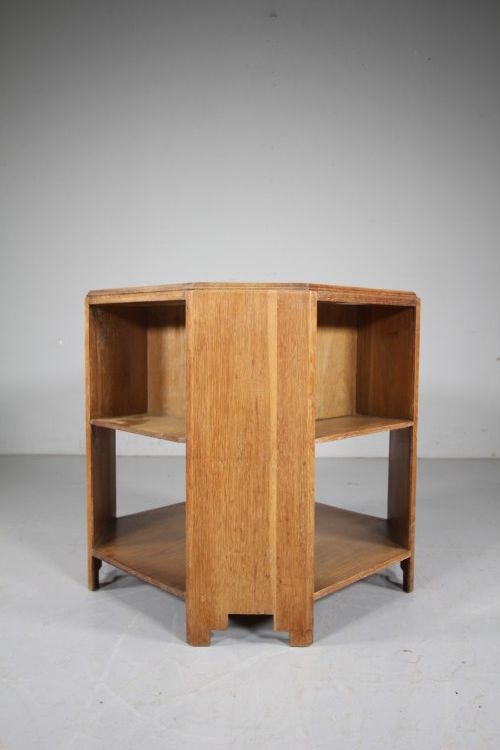


Antique Light Oak Shelves
Antique light oak shelves offer practical storage with a pale timber tone, combining utility and craftsmanship from the late nineteenth and early twentieth centuries.
Antique Light Oak Shelves
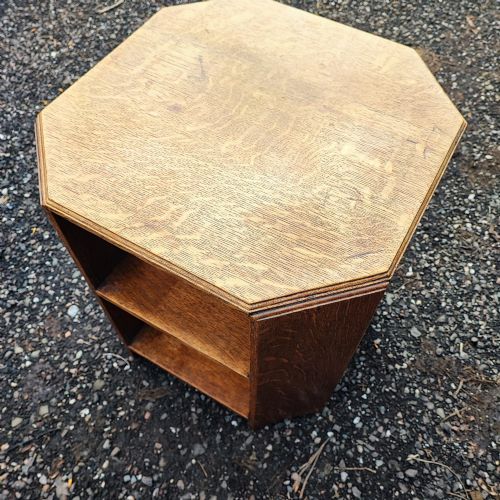
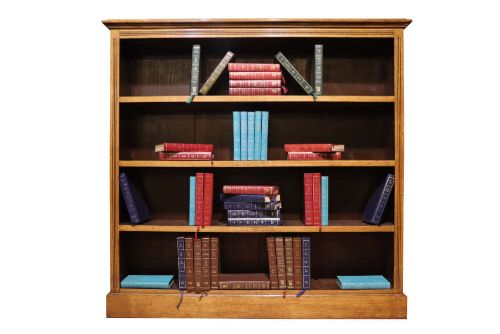
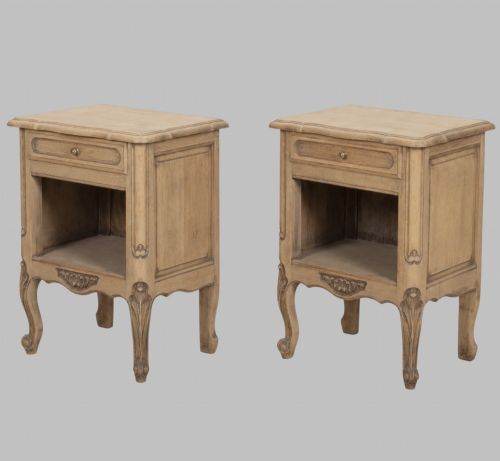
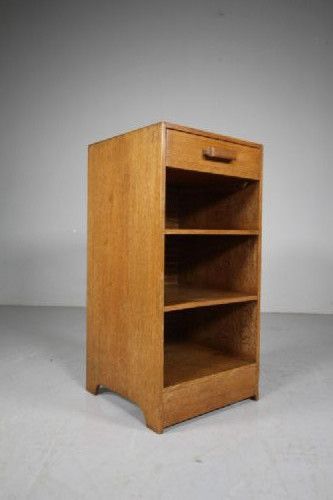
When searching for antique light oak shelves, buyers encounter open bookcases, stacking barrister bookcases, and bedside cabinets dating from the late nineteenth century through the 1930s. The selection commonly includes Edwardian open bookcases and pieces attributed to makers like Heal's, alongside French provincial and Art Deco examples.
What varies in quality
Quality rests in the selection of the timber and the refinement of the carving, ranging from plain functional boards to pieces with decorative bleached finishes. The presence of designer attribution, such as work associated with Betty Joel or Heal's, elevates a piece above standard workshop production.
Construction detail distinguishes standard utility items from finer examples, seen in the proportion of stacking barrister sections or the integration of brass and lead details. The handling of the oak grain and the subtlety of the bleaching process determine the visual success of each item.
Listings feature oak alongside brass, sycamore, birch, wrought iron, and glass across styles from Victorian Revival to 1930s Modern.
Betty Joel
The Antique Light Oak Shelves Glossary
- Barrister bookcase
- A modular bookcase featuring glazed, upward-opening stacking doors designed to protect books. These practical units were popular in offices and libraries during the Edwardian period.
- Bleached oak
- Timber treated to lighten its natural colour, producing a pale golden or blonde finish. This technique became popular in the early twentieth century to brighten heavy period furniture.
- Golden oak
- A warm, honey-toned timber finish characteristic of late Victorian and Edwardian furniture. It highlights the medullary rays inherent in quarter-sawn oak.
- Open bookcase
- A shelving unit without doors, providing direct access to books and display items. These versatile pieces were produced across various styles from the nineteenth century onwards.
Antique Light Oak Shelves: Frequently Asked Questions
What periods do these shelves come from?
The pieces span from the late nineteenth century through the Edwardian era and into the 1930s. This timeframe covers Victorian Revival, Arts and Crafts, Art Deco, and early modernist designs.
Production methods shifted during these decades, moving from ornate carved work to cleaner, lighter forms in bleached oak.
How do I care for light oak shelves?
Keep wooden furniture away from direct heat sources and strong sunlight to prevent the light oak from drying out or discolouring. Dust regularly with a dry cloth and avoid silicone-based polishes.
Wax can be applied sparingly if the timber appears dry, following the direction of the grain to maintain the pale finish.
Are these shelves suitable for modern rooms?
The pale timber tones of bleached and golden oak blend easily into contemporary interiors. Open bookcases and small cabinets provide functional storage without overwhelming small spaces.
Their restrained proportions and honest materials complement minimalist and mid-century decor alike.
What is a stacking barrister bookcase?
A barrister bookcase consists of modular shelf units that stack vertically, each fitted with a glass door that lifts and slides inside the top of the compartment. This design kept professional libraries dust-free and transportable.
Edwardian versions in oak remain popular for their clever mechanical action and compact footprint.