
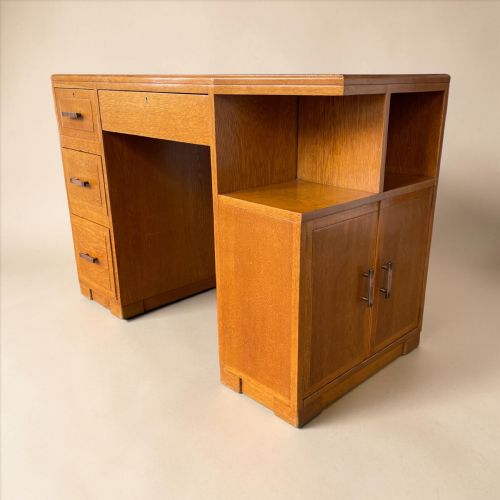
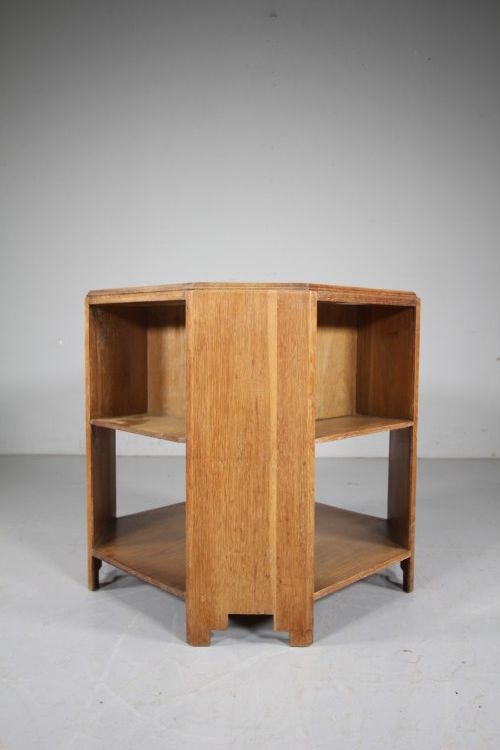


Art Deco Oak Shelf
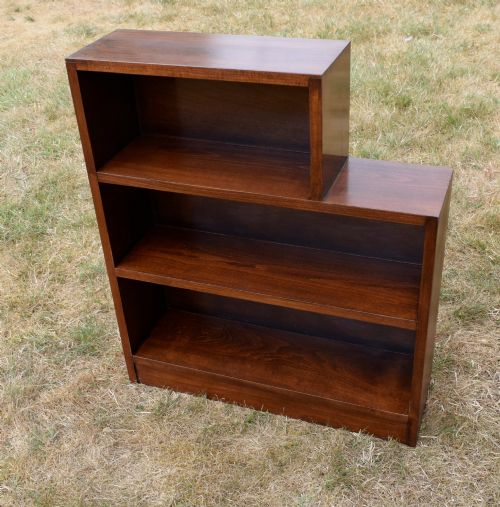
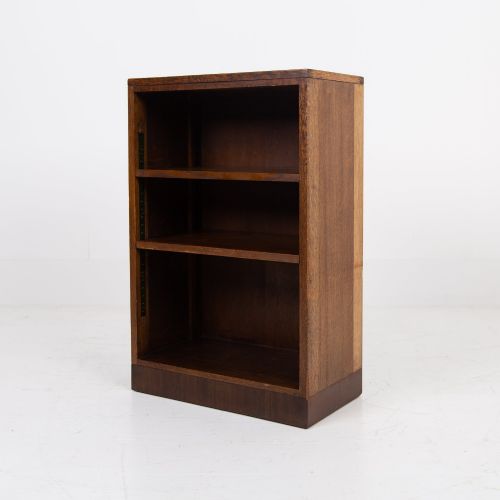
An art deco oak shelf brings strong geometric lines and warm timber grain into a room, offering both practical display and period character.
Art Deco Oak Shelf
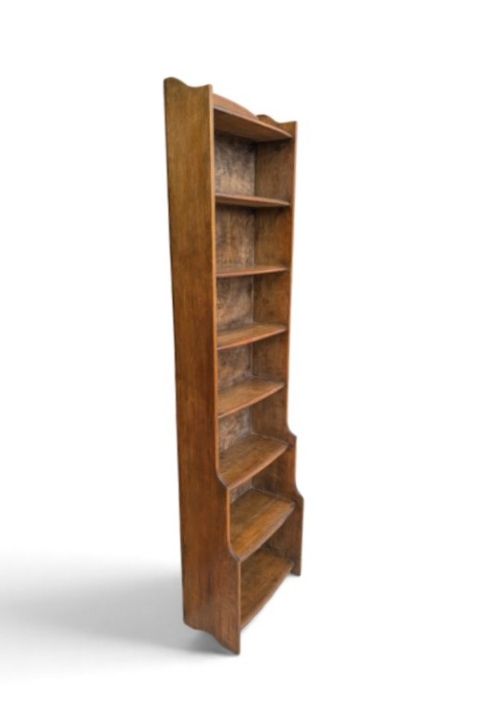
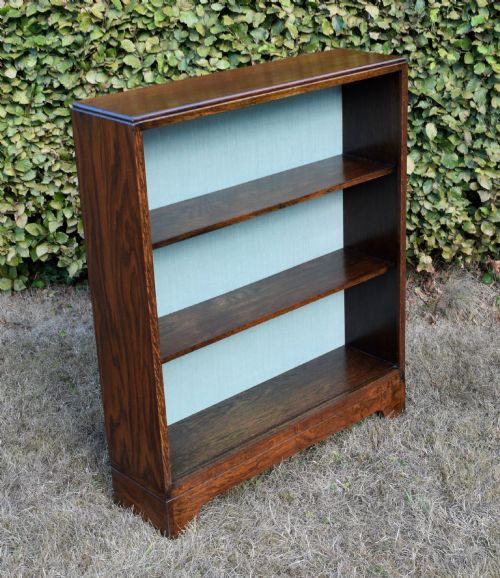
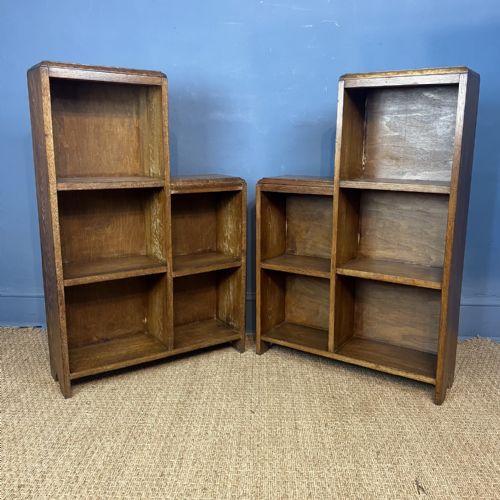
An art deco oak shelf spans several decades of design, with particular emphasis on the distinct styles emerging from the nineteen-twenties and nineteen-thirties. Buyers searching for an art deco oak shelf encounter sturdy bookcases, compact side tables, and fitted cabinets rather than single wall brackets. The selections trace origins through Edwardian influences and the striking geometry of the Amsterdam School.
The objects combine functional utility with architectural forms, appearing in tiered, stepped, and waterfall configurations. Many examples integrate related wooden furniture forms, such as open bookcases with leather tops or revolving Globe Wernicke designs. These pieces suit studies, libraries, and living spaces requiring period storage with strong linear emphasis.
How they were made
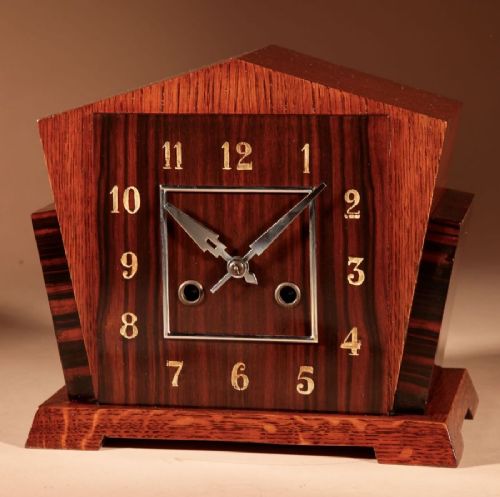
Makers constructed the primary framework using solid oak, frequently paired with contrasting veneers such as macassar ebony or coromandel to accentuate horizontal and vertical planes. Cabinetmakers utilised traditional joinery alongside contemporary geometric mouldings to achieve the signature stepped profiles characteristic of the period. Metal components such as brass, chrome, and occasional glass elements provided structural contrast and decorative accents.
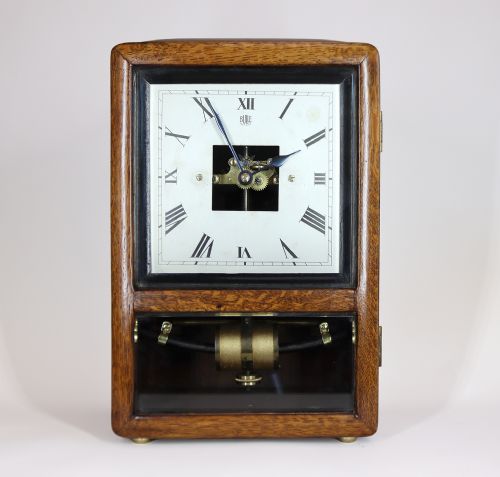
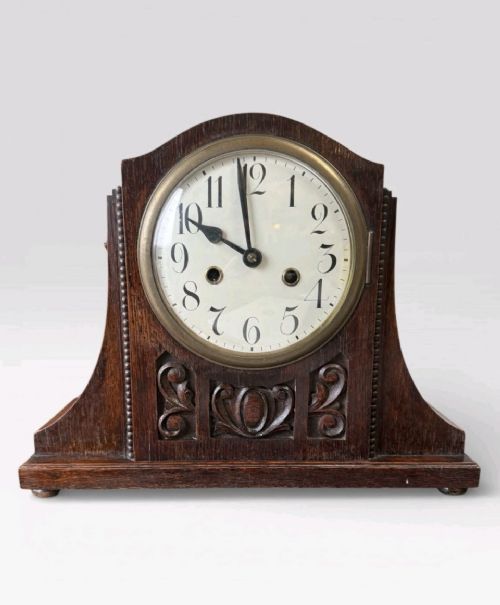
Surface treatments ranged from polished timber finishes to two-tone wooden treatments that highlighted the natural grain of the oak. Artisans incorporated functional hardware, including clock movements by makers like Pfeilkreuz Junghans or Perivale, directly into fitted wooden housings. The combination of durable hardwoods and contrasting exotic veneers ensured structural longevity alongside decorative impact.
At least one selection incorporates vintage carved horses alongside the oak shelving, combining equestrian whimsy with period geometry.
What varies in quality
Superior examples of an art deco oak shelf often feature documented provenance from notable makers such as Betty Joel or Heal's, elevating the design pedigree. The sophistication of the timber selection dictates the visual success of the piece, particularly where contrasting macassar ebony or coromandel veneers meet the primary oak structure. Precision in the execution of geometric mouldings and stepped tiers separates standard production from exceptional craftsmanship.
The integration of secondary materials, including high-grade brass fitments or specialised glass and leather components, influences the overall coherence of the design. Condition consistency across the oak surfaces and any integrated functional elements determines how well the piece retains its original architectural integrity.
Heals·Betty Joel·Pfeilkreuz Junghans·Perivale
The Art Deco Oak Shelf Glossary
- Art Deco
- A design style characterised by sleek geometric shapes, streamlined forms, and rich materials prevalent during the nineteen-twenties and thirties. It emerged as a modern response to traditional ornamentation.
- Amsterdam School
- An architectural and design movement known for rounded brickwork, expressive forms, and traditional craft traditions applied to modern furniture. Pieces in this style often use dramatic wood contrasts.
- Macassar Ebony
- A heavily figured tropical hardwood featuring dark brown and black stripes with warm brown undertones. Makers utilised it as a contrasting veneer on oak carcasses.
- Globe Wernicke
- A modular stacking bookcase system popularised in the early twentieth century. These units consist of interchangeable sectional shelves with glass doors.
- Waterfall
- A furniture silhouette featuring smooth, cascading curves that drop away at the corners. This form softens the rigid geometry typical of many period designs.
Art Deco Oak Shelf: Frequently Asked Questions
Where should I place an art deco oak shelf in my home?
These pieces fit naturally into studies, living rooms, and hallways where their architectural forms can serve as focal points. Their sturdy construction makes them practical for holding books, clocks, or display objects.
Ensure the piece is placed away from direct heat sources and strong sunlight to protect the oak timber and any delicate veneer work. Positioning them against neutral walls allows the geometric lines to stand out clearly.
Did these shelves come as part of larger furniture sets?
Many examples originated as components of larger interior schemes, matching desks, side tables, and cabinet suites produced by prominent retailers and workshops. Modular designs like stacking bookcases offered flexibility for different room layouts.
Matching elements often shared specific timber combinations, such as oak paired with macassar ebony or coromandel accents. This unified approach to room design was central to the period's aesthetic.
How do I care for oak and veneered surfaces?
Maintain the timber by dusting regularly with a soft, dry cloth and applying appropriate beeswax sparingly to nourish the oak grain. Avoid using liquid cleaners or silicone polishes that can damage vintage finishes.
Keep the humidity in the room stable to prevent the solid oak and delicate veneers from warping or cracking. Gentle care preserves the historical surface patina over time.