



Small Mahogany Display Table
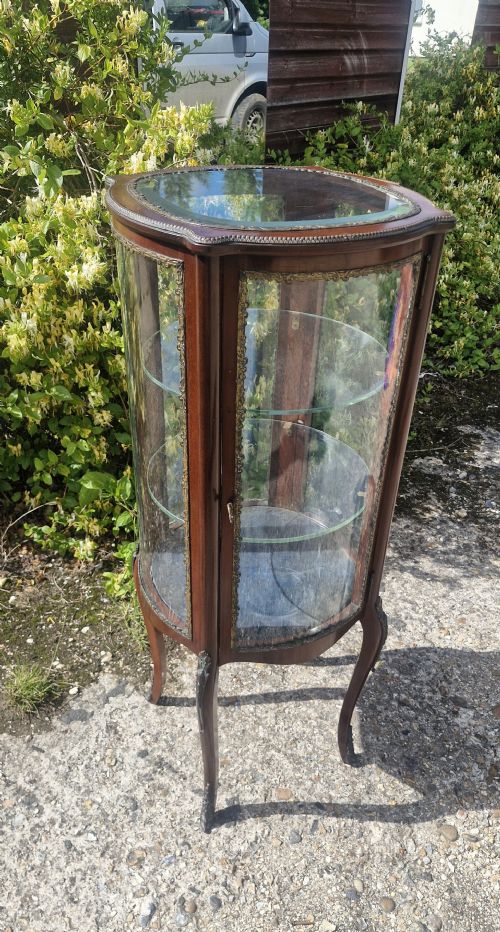
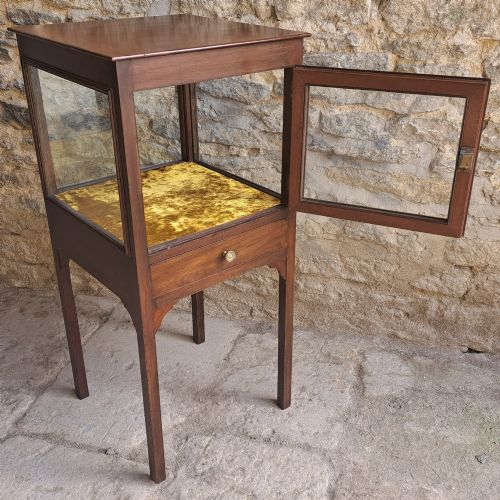
These small mahogany display table pieces bring practical timberwork and glass together for showing precious curios, offering compact elegance for any room.

What a small mahogany display table is
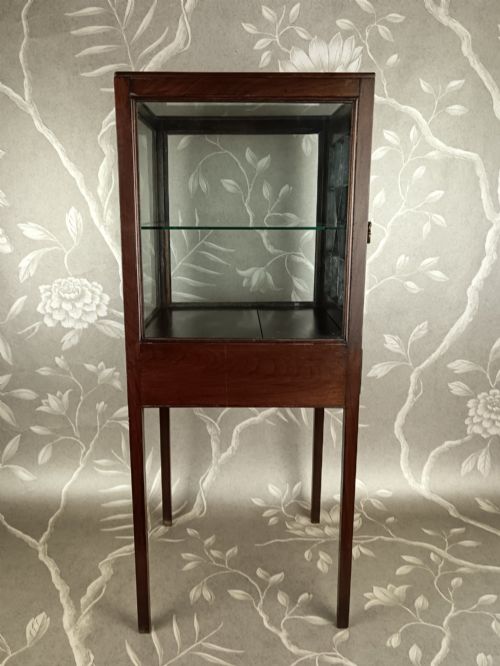
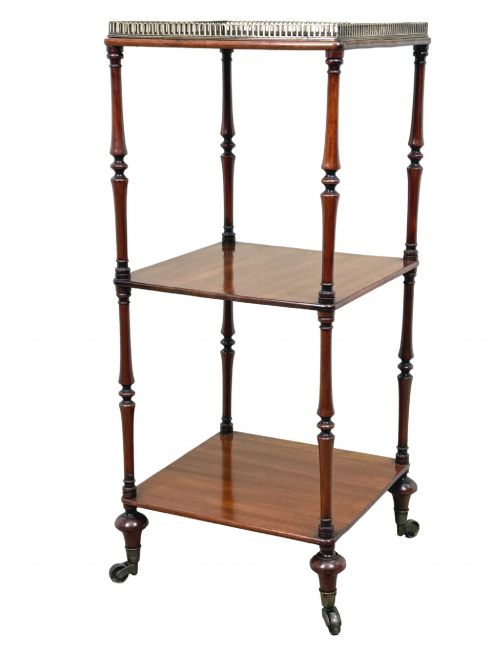
When you search for a small mahogany display table, you are looking at items primarily taking the form of occasional tables, side tables, and specialised display cabinets or vitrines. These pieces span the nineteenth century, the Edwardian era, and the early twentieth century, showing styles such as Sheraton Revival, Arts and Crafts, and standard Edwardian cabinetwork.
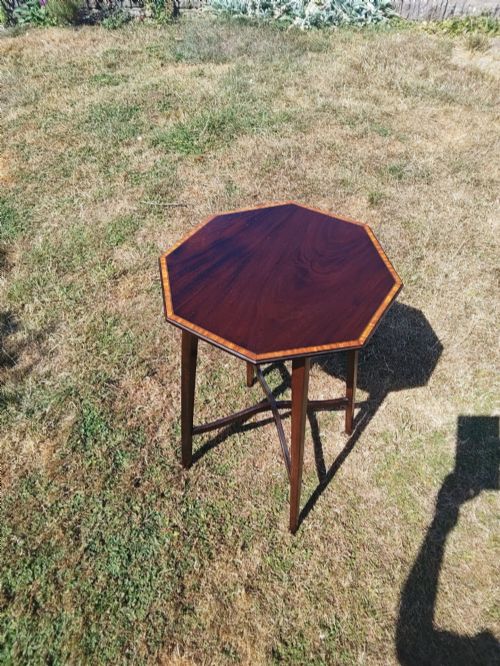
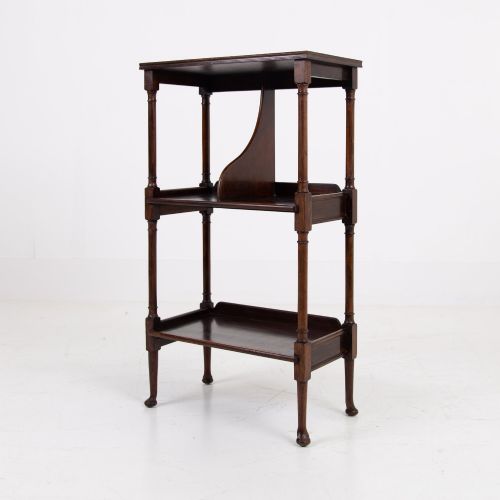
The objects you are most likely to meet on this page include two-tier occasional tables, octagonal side tables, and glazed table top display cases. Their origins range from standard workshops to noted makers like Liberty and Co and Edwards and Roberts, utilising rich timber surfaces to frame small collections.
How they were made
Makers constructed these pieces using solid mahogany and mixed hardwoods, often incorporating satinwood and detailed satinwood inlay or marquetry. Surfaces are polished to reveal the deep grain of the timber while supporting glass panels or enclosed shelving for display.
Construction techniques include multi-tier designs and metamorphic actions for occasional tables alongside glazed cabinetry for bijouterie and curio storage. Joinery relies on traditional framing methods suitable for supporting glass tops and delicate shelved interiors.
Retail Price Guide 2026
Typical UK retail prices for small mahogany display table, calculated from the Sellingantiques database of over a million retail prices indexed since 2003. This retail price guide relies exclusively on Sellingantiques data; no external sources or auction records are used, so the figures do not describe the wider market.
Listings feature pieces spanning the nineteenth century through the Edwardian era up to nineteen twenty, constructed from mahogany, satinwood, and mixed hardwoods.
What varies in quality
The distinction between standard items and the finest pieces rests upon the precision of the cabinetwork and the sophistication of the timber decoration. Pieces featuring intricate satinwood marquetry inlay or signed maker attribution demonstrate a higher level of workshop skill than plain occasional forms.
Design complexity also sets examples apart, such as metamorphic mechanisms in occasional tables or specialised glazing in vitrines. The integration of secondary woods and the crispness of turned or inlaid details reveal the original maker's investment of time and material.
Liberty and Co·Edwards and Roberts
The Small Mahogany Display Table Glossary
- Mahogany
- A durable tropical hardwood prized for its deep reddish-brown colour and fine grain. It forms the primary structural material for these tables and cabinets.
- Satinwood
- A pale, lustrous timber frequently utilised for contrasting inlay and decorative marquetry on mahogany surfaces. It creates bright geometric or floral patterns.
- Bijouterie table
- A glass-topped table or cabinet specifically designed for displaying small valuables, jewellery, and curiosities. These pieces often feature hinged lids or glazed sides.
- Metamorphic table
- An item of furniture designed to transform its shape or function through folding or pivoting mechanisms. This engineering allowed occasional tables to serve multiple domestic purposes.
Frequently Asked Questions
What is a small mahogany display table used for?
These tables provide a surface for everyday items while incorporating glazed compartments or multiple tiers to showcase small collections. They combine the utility of an occasional table with the exhibition space of a cabinet.
Owners frequently place them in reception rooms to hold lamps, drinks, or books on top while keeping delicate curiosities safely visible beneath glass or on lower shelves.
How do I date an Edwardian display table?
Dating relies on stylistic markers such as Sheraton Revival influences, satinwood inlay patterns, and construction traits typical of the period around nineteen hundred. Maker labels or stamps, where present, offer direct chronological confirmation.
Comparing the timber preparation, hardware, and glazing techniques with known examples from the same era helps narrow down the decade of manufacture.
Are these tables sturdy enough for daily use?
Most pieces are built from solid mahogany and mixed hardwoods designed for regular domestic service as side or occasional tables. Their traditional joinery provides adequate stability for standard household objects.
Tables with delicate glass tops or slender legs require thoughtful placement to avoid heavy impacts, but they remain fully functional furniture pieces.
What distinguishes a vitrine from a standard occasional table?
A vitrine incorporates glass panels specifically intended for enclosing and displaying objects, whereas a standard occasional table offers open wooden surfaces. Some hybrid designs combine multi-tier open shelving with enclosed display spaces.
Choosing between them depends on whether the priority is open surface area or secure, dust-free visibility for small collectibles.